Dear Zazie, Here is today’s Lovers’ Chronicle from Mac Tag dedicated to his muse. Would you like to share a bottle of pinot noir? Rhett
The Lovers’ Chronicle
Dear Muse,
the first song that came to mind
“Spill the wine, take that pearl”
fabulous song by Eric Burdon and War
and since the guy in the song is dreamin’
it fits with Dostoevsky’s birthday
and his short story,
“The Dream of a Ridiculous Man”
“But do you know what the song is about”
just that it was inspired by the keyboardist
spillin’ wine on the mixin’ board
“And the story”
about a man who decides life has no value
but then finds redemption after a chance
encounter with a girl and a vivid dream
“Nice a song and a story linked by dreams”
ok girl now all you gotta do, spill the wine
and live from New Orleans it is Saturday night
© copyright 2023 mac tag/cowboy coleridge all rights reserved
apologies, you know we have to go Dostoevsky, but i will pour another glass of pinot; he wrote we can only love with sufferin’ and through sufferin’; from there i can git to this; the canvas was dark with tattered clouds between the black patches, then i noticed a star in the clouds and i watched as it became an idea; la nuit noire can be left behind
© copyright 2022.2023 mac tag/cowboy coleridge all rights reserved
from whence we go from here to there
good food, better wine, taste it all
no time to waste on inferior anything
pour more pinot and pull up a chair
time markin’ the distance traveled
by every measure not just physical
from an isolated place where the path
of ignorance was difficult to escape
to an enlighted space with you
cheers
© copyright 2021.2023 mac tag/cowboy coleridge all rights reserved
Pale Love, Pale Rider
awe, i believe so
perhaps a bit overused,
you know i detest that
but it is there, no doubt
just never saw this comin’
thought i had seen it all
is that why it has come
because i finally found
a place where it could
well, i am willin’ and ready
pardon my amazement,
and pour more pinot
© copyright 2020 mac tag/cowboy coleridge all rights reserved
mutter and rise, the affect
of these feelin’s smolder,
caress, pour more pinot
no matter that reality
hurls at this embrace
the totem keeps spinnin’…
bodies cling, flesh joins
to see your face
on this i cannot help but throw myself
in reveries revisited again and again
© copyright 2019 mac tag/cowboy coleridge all rights reserved
“The pages are worn
but the story is strong.”
the music may be faint
but the melody is true
and it will save us…
solo pinot nights
suit just as well
as does cookin’ for one
tonight, foglie d’oliva pasta
with trapanese pesto sauce,
baked spicy dark meat chicken,
and dessert, dark chocolate cake
washed down with a little Sambuca
never miss a chance
to make the most
of a meal or a moment
alone or not
© copyright 2018 mac tag/cowboy coleridge all rights reserved
can there be
anything better
than cookin’ a fine meal
with a fine woman…
imagine me and you
in a kitchen
fixin’ this menu…
steak carpaccio,
fresh spinach and arugula
red wine risotto, basil, garlic
and for dessert
raspberry cream cupcakes
with a dark chocolate drizzle
and of course a bottle,
well maybe two,
of pinot noir
after that meal
and drinkin’
sex in a glass
and the way
we look at each other
yeah, the dishes
can wait till mornin’…
© copyright 2017 mac tag/cowboy Coleridge all rights reserved
perhaps you were in love
but that was a long time ago
“you know nothing about it”
I know enough to know
when a woman is afraid
You are still clingin’ to your faith
when all it does is lie to you
“it never lied to me”
No?
“Fifty year old Macallan
A particular favorite
of yours, I understand
So, what’s the toast”
To the women we have loved
“where are we going”
back in time
“Hey, big fella,
Want some more pain”
Love some… bring it
But do not forget the pinot
© copyright 2016 mac tag/cowboy Coleridge all rights reserved
Others will tell
You that you are
Pretty. But it
Will never sound
The same or feel
The same as when
I tell you that
You are “pritty”
© copyright 2014 mac tag/cowboy Coleridge all rights reserved

Today is the birthday of Fyodor Dostoevsky (Fyodor Mikhailovich Dostoevsky; Moscow 11 November 1821 – 9 February 1881 Saint Petersburg); novelist, short story writer, essayist, journalist and philosopher. Dostoevsky’s literary works explore human psychology in the troubled political, social, and spiritual atmospheres of 19th-century Russia, and engage with a variety of philosophical and religious themes. Perhaps best know for Crime and Punishment (1866), The Idiot (1869), Demons (1872) and The Brothers Karamazov (1880). Dostoevsky’s oeuvre consists of 11 novels, three novellas, 17 short stories and numerous other works. In my opinion, he is one of the greatest psychologists in world literature. His 1864 novella Notes from Underground is considered to be one of the first works of existentialist literature.
Dostoevsky was introduced to literature at an early age through fairy tales and legends, and through books by Russian and foreign authors. His mother died in 1837 when he was 15, and around the same time, he left school to enter the Nikolayev Military Engineering Institute. After graduating, he worked as an engineer and briefly enjoyed a lavish lifestyle, translating books to earn extra money. In the mid-1840s he wrote his first novel, Poor Folk, which gained him entry into St. Petersburg’s literary circles. Arrested in 1849 for belonging to a literary group that discussed banned books critical of “Tsarist Russia”, he was sentenced to death but the sentence was commuted at the last moment. He spent four years in a Siberian prison camp, followed by six years of compulsory military service in exile. In the following years, Dostoevsky worked as a journalist, publishing and editing several magazines of his own and later A Writer’s Diary, a collection of his writings.
Dostoevsky was influenced by a wide variety of philosophers and authors. His writings were widely read both within and beyond his native Russia and influenced later writers. His books have been translated into more than 170 languages. My favorite book of his is The Dream of a Ridiculous Man (1877).
During a visit to Belikhov, Dostoevsky met Maria Dmitrievna Isaeva and fell in love. In 1856 Dostoevsky sent a letter through apologising for his activity in several utopian circles. As a result, he obtained the right to publish books and to marry, although he remained under police surveillance for the rest of his life. Maria married Dostoevsky in Semipalatinsk on 7 February 1857, even though she had initially refused his marriage proposal, stating that they were not meant for each other and that his poor financial situation precluded marriage. Their family life was unhappy and she found it difficult to cope with his seizures. Describing their relationship, he wrote: “Because of her strange, suspicious and fantastic character, we were definitely not happy together, but we could not stop loving each other; and the more unhappy we were, the more attached to each other we became”. They mostly lived apart.
 in Paris, 1863
In 1864 Maria and his brother Mikhail died.
On 4 October 1866, Anna Snitkina started working as a stenographer on his novel The Gambler. A month later they became engaged.
In the Memoirs, Anna describes how Dostoevsky began his marriage proposal by outlining the plot of an imaginary new novel, as if he needed her advice on female psychology. In the story an old painter makes a proposal to a young girl whose name is Anya. Dostoevsky asked if it was possible for a girl so young and different in personality to fall in love with the painter. Anna answered that it was quite possible. Then he told Anna: “Put yourself in her place for a moment. Imagine I am the painter, I confessed to you and asked you to be my wife. What would you answer?” Anna said: “I would answer that I love you and I will love you forever”.
On 15 February 1867, the couple were married. Two months later they went abroad, where they remained for over four years (until July 1871).
The Dream of a Ridiculous Man (1877)

- I am a ridiculous person. Now they call me a madman. That would be a promotion if it were not that I remain as ridiculous in their eyes as before. But now I do not resent it, they are all dear to me now, even when they laugh at me — and, indeed, it is just then that they are particularly dear to me. I could join in their laughter — not exactly at myself, but through affection for them, if I did not feel so sad as I look at them. Sad because they do not know the truth and I do know it. Oh, how hard it is to be the only one who knows the truth! But they won’t understand that. No, they won’t understand it.
- I
- I gave up caring about anything, and all the problems disappeared.
And it was after that that I found out the truth. I learnt the truth last November — on the third of November, to be precise — and I remember every instant since.- I
- The sky was horribly dark, but one could distinctly see tattered clouds, and between them fathomless black patches. Suddenly I noticed in one of these patches a star, and began watching it intently. That was because that star had given me an idea: I decided to kill myself that night.
- I
- It seemed clear to me that life and the world somehow depended upon me now. I may almost say that the world now seemed created for me alone: if I shot myself the world would cease to be at least for me. I say nothing of its being likely that nothing will exist for anyone when I am gone, and that as soon as my consciousness is extinguished the whole world will vanish too and become void like a phantom, as a mere appurtenance of my consciousness, for possibly all this world and all these people are only me myself.
- II
- Dreams, as we all know, are very queer things: some parts are presented with appalling vividness, with details worked up with the elaborate finish of jewellery, while others one gallops through, as it were, without noticing them at all, as, for instance, through space and time. Dreams seem to be spurred on not by reason but by desire, not by the head but by the heart, and yet what complicated tricks my reason has played sometimes in dreams, what utterly incomprehensible things happen to it!
- II
- Yes, I dreamed a dream, my dream of the third of November. They tease me now, telling me it was only a dream. But does it matter whether it was a dream or reality, if the dream made known to me the truth? If once one has recognized the truth and seen it, you know that it is the truth and that there is no other and there cannot be, whether you are asleep or awake. Let it be a dream, so be it, but that real life of which you make so much I had meant to extinguish by suicide, and my dream, my dream — oh, it revealed to me a different life, renewed, grand and full of power!
- II
- I suddenly dreamt that I picked up the revolver and aimed it straight at my heart — my heart, and not my head; and I had determined beforehand to fire at my head, at my right temple. After aiming at my chest I waited a second or two, and suddenly my candle, my table, and the wall in front of me began moving and heaving. I made haste to pull the trigger.
- III
- In dreams you sometimes fall from a height, or are stabbed, or beaten, but you never feel pain unless, perhaps, you really bruise yourself against the bedstead, then you feel pain and almost always wake up from it. It was the same in my dream. I did not feel any pain, but it seemed as though with my shot everything within me was shaken and everything was suddenly dimmed, and it grew horribly black around me. I seemed to be blinded, and it benumbed, and I was lying on something hard, stretched on my back; I saw nothing, and could not make the slightest movement.
- III
- On our earth we can only love with suffering and through suffering. We cannot love otherwise, and we know of no other sort of love. I want suffering in order to love. I long, I thirst, this very instant, to kiss with tears the earth that I have left, and I don’t want, I won’t accept life on any other!”
- III
- The children of the sun, the children of their sun — oh, how beautiful they were! Never had I seen on our own earth such beauty in mankind. Only perhaps in our children, in their earliest years, one might find, some remote faint reflection of this beauty. The eyes of these happy people shone with a clear brightness. Their faces were radiant with the light of reason and fullness of a serenity that comes of perfect understanding, but those faces were gay; in their words and voices there was a note of childlike joy. Oh, from the first moment, from the first glance at them, I understood it all! It was the earth untarnished by the Fall; on it lived people who had not sinned. They lived just in such a paradise as that in which, according to all the legends of mankind, our first parents lived before they sinned; the only difference was that all this earth was the same paradise. These people, laughing joyfully, thronged round me and caressed me; they took me home with them, and each of them tried to reassure me. Oh, they asked me no questions, but they seemed, I fancied, to know everything without asking, and they wanted to make haste to smoothe away the signs of suffering from my face.
- III
- Well, granted that it was only a dream, yet the sensation of the love of those innocent and beautiful people has remained with me for ever, and I feel as though their love is still flowing out to me from over there. I have seen them myself, have known them and been convinced; I loved them, I suffered for them afterwards. Oh, I understood at once even at the time that in many things I could not understand them at all … But I soon realised that their knowledge was gained and fostered by intuitions different from those of us on earth, and that their aspirations, too, were quite different. They desired nothing and were at peace; they did not aspire to knowledge of life as we aspire to understand it, because their lives were full. But their knowledge was higher and deeper than ours; for our science seeks to explain what life is, aspires to understand it in order to teach others how to love, while they without science knew how to live; and that I understood, but I could not understand their knowledge.
- IV
- They showed me their trees, and I could not understand the intense love with which they looked at them; it was as though they were talking with creatures like themselves. And perhaps I shall not be mistaken if I say that they conversed with them. Yes, they had found their language, and I am convinced that the trees understood them. They looked at all Nature like that — at the animals who lived in peace with them and did not attack them, but loved them, conquered by their love. They pointed to the stars and told me something about them which I could not understand, but I am convinced that they were somehow in touch with the stars, not only in thought, but by some living channel.
- IV
- They had no temples, but they had a real living and uninterrupted sense of oneness with the whole of the universe; they had no creed, but they had a certain knowledge that when their earthly joy had reached the limits of earthly nature, then there would come for them, for the living and for the dead, a still greater fullness of contact with the whole of the universe. They looked forward to that moment with joy, but without haste, not pining for it, but seeming to have a foretaste of it in their hearts, of which they talked to one another.
- IV
- They sang the praises of nature, of the sea, of the woods. They liked making songs about one another, and praised each other like children; they were the simplest songs, but they sprang from their hearts and went to one’s heart. And not only in their songs but in all their lives they seemed to do nothing but admire one another. It was like being in love with each other, but an all-embracing, universal feeling.
- IV
- Oh, everyone laughs in my face now, and assures me that one cannot dream of such details as I am telling now, that I only dreamed or felt one sensation that arose in my heart in delirium and made up the details myself when I woke up. And when I told them that perhaps it really was so, my God, how they shouted with laughter in my face, and what mirth I caused! Oh, yes, of course I was overcome by the mere sensation of my dream, and that was all that was preserved in my cruelly wounded heart; but the actual forms and images of my dream, that is, the very ones I really saw at the very time of my dream, were filled with such harmony, were so lovely and enchanting and were so actual, that on awakening I was, of course, incapable of clothing them in our poor language, so that they were bound to become blurred in my mind; and so perhaps I really was forced afterwards to make up the details, and so of course to distort them in my passionate desire to convey some at least of them as quickly as I could. But on the other hand, how can I help believing that it was all true? It was perhaps a thousand times brighter, happier and more joyful than I describe it. Granted that I dreamed it, yet it must have been real. You know, I will tell you a secret: perhaps it was not a dream at all!
- IV
- How it could come to pass I do not know, but I remember it clearly. The dream embraced thousands of years and left in me only a sense of the whole. I only know that I was the cause of their sin and downfall. Like a vile trichina, like a germ of the plague infecting whole kingdoms, so I contaminated all this earth, so happy and sinless before my coming. They learnt to lie, grew fond of lying, and discovered the charm of falsehood.
- V
- All became so jealous of the rights of their own personality that they did their very utmost to curtail and destroy them in others, and made that the chief thing in their lives. Slavery followed, even voluntary slavery; the weak eagerly submitted to the strong, on condition that the latter aided them to subdue the still weaker. Then there were saints who came to these people, weeping, and talked to them of their pride, of their loss of harmony and due proportion, of their loss of shame. They were laughed at or pelted with stones.
- V
- Alas! I always loved sorrow and tribulation, but only for myself, for myself; but I wept over them, pitying them. I stretched out my hands to them in despair, blaming, cursing and despising myself. I told them that all this was my doing, mine alone; that it was I had brought them corruption, contamination and falsity. I besought them to crucify me, I taught them how to make a cross. I could not kill myself, I had not the strength, but I wanted to suffer at their hands. I yearned for suffering, I longed that my blood should be drained to the last drop in these agonies. But they only laughed at me, and began at last to look upon me as crazy. They justified me, they declared that they had only got what they wanted themselves, and that all that now was could not have been otherwise. At last they declared to me that I was becoming dangerous and that they should lock me up in a madhouse if I did not hold my tongue. Then such grief took possession of my soul that my heart was wrung, and I felt as though I were dying; and then . . . then I awoke.
- V
- I go to spread the tidings, I want to spread the tidings — of what? Of the truth, for I have seen it, have seen it with my own eyes, have seen it in all its glory.
- V
- I have seen the truth; I have seen and I know that people can be beautiful and happy without losing the power of living on earth. I will not and cannot believe that evil is the normal condition of mankind. And it is just this faith of mine that they laugh at. But how can I help believing it? I have seen the truth — it is not as though I had invented it with my mind, I have seen it, seen it, and the living image of it has filled my soul for ever. I have seen it in such full perfection that I cannot believe that it is impossible for people to have it.
- V
- A dream! What is a dream? And is not our life a dream? I will say more. Suppose that this paradise will never come to pass (that I understand), yet I shall go on preaching it. And yet how simple it is: in one day, in one hour everything could be arranged at once! The chief thing is to love others like yourself, that’s the chief thing, and that’s everything; nothing else is wanted — you will find out at once how to arrange it all. And yet it’s an old truth which has been told and retold a billion times — but it has not formed part of our lives! The consciousness of life is higher than life, the knowledge of the laws of happiness is higher than happiness — that is what one must contend against. And I shall. If only everyone wants it, it can be arranged at once.
- V
| Paul Signac | |
|---|---|
 | |
Today is the birthday of Paul Signac (Paul Victor Jules Signac; Paris; 11 November 1863 – 15 August 1935 Paris); Neo-Impressionist painter who, working with Georges Seurat, helped develop the Pointillist style.
On 7 November 1892 Signac married Berthe Roblès at the town hall of the 18th arrondissement of Paris. Witnesses at the wedding were Alexandre Lemonier, Maximilien Luce, Camille Pissarro and Georges Lecomte. In November 1897, the Signacs moved to a new apartment in the Castel Béranger, built by Hector Guimard. In December of the same year, they acquired a house in Saint-Tropez called La Hune, where he had a studio constructed.
In September 1913, Signac rented a house at Antibes, where he settled with Jeanne Selmersheim-Desgrange. Signac had left La Hune as well as the Castel Beranger apartment to Berthe. They remained friends for the rest of his life.
Signac died from septicemia at the age of 71. His body was cremated and the cremated remains were interred three days later, on 18 August, at the Père Lachaise Cemetery.
Gallery
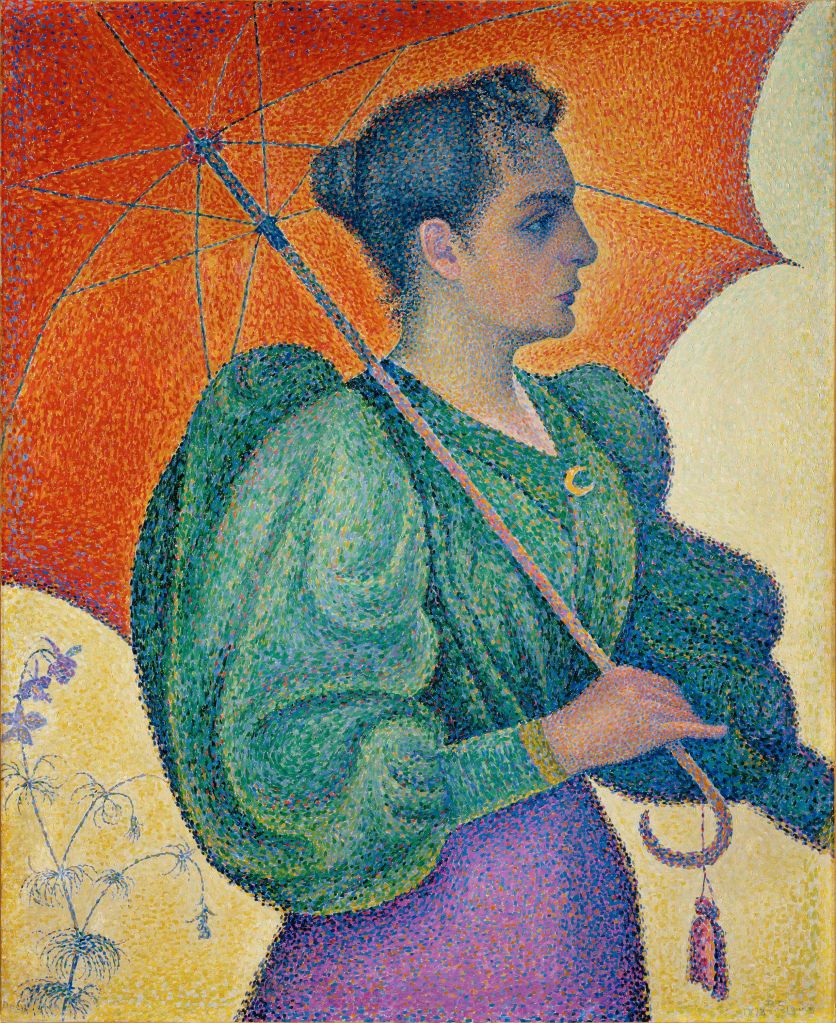
1893, Femme à l’ombrelle (Woman with Umbrella), oil on canvas, 81 x 65 cm, Musée d’Orsay, Paris; a portrait of Signac’s wife Berthe, painted at Saint-Tropez
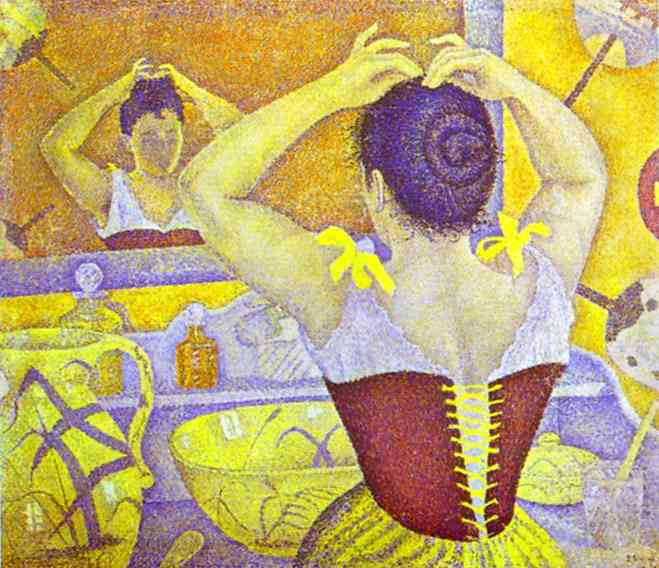
femme à sa toilette
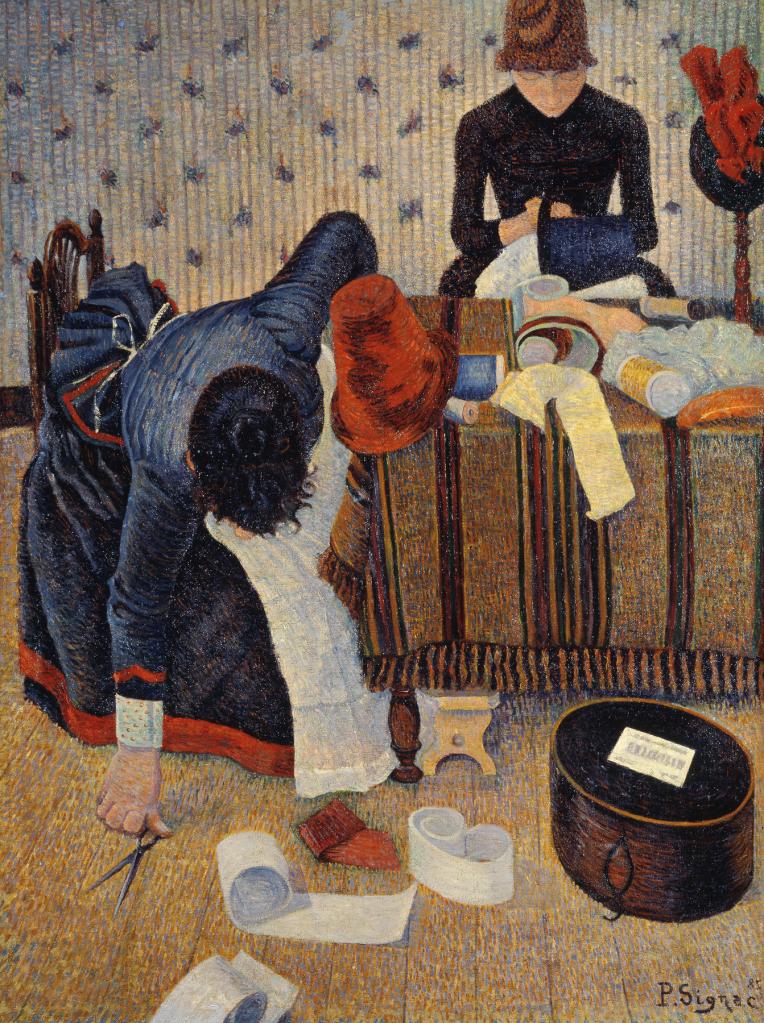
The Milliners
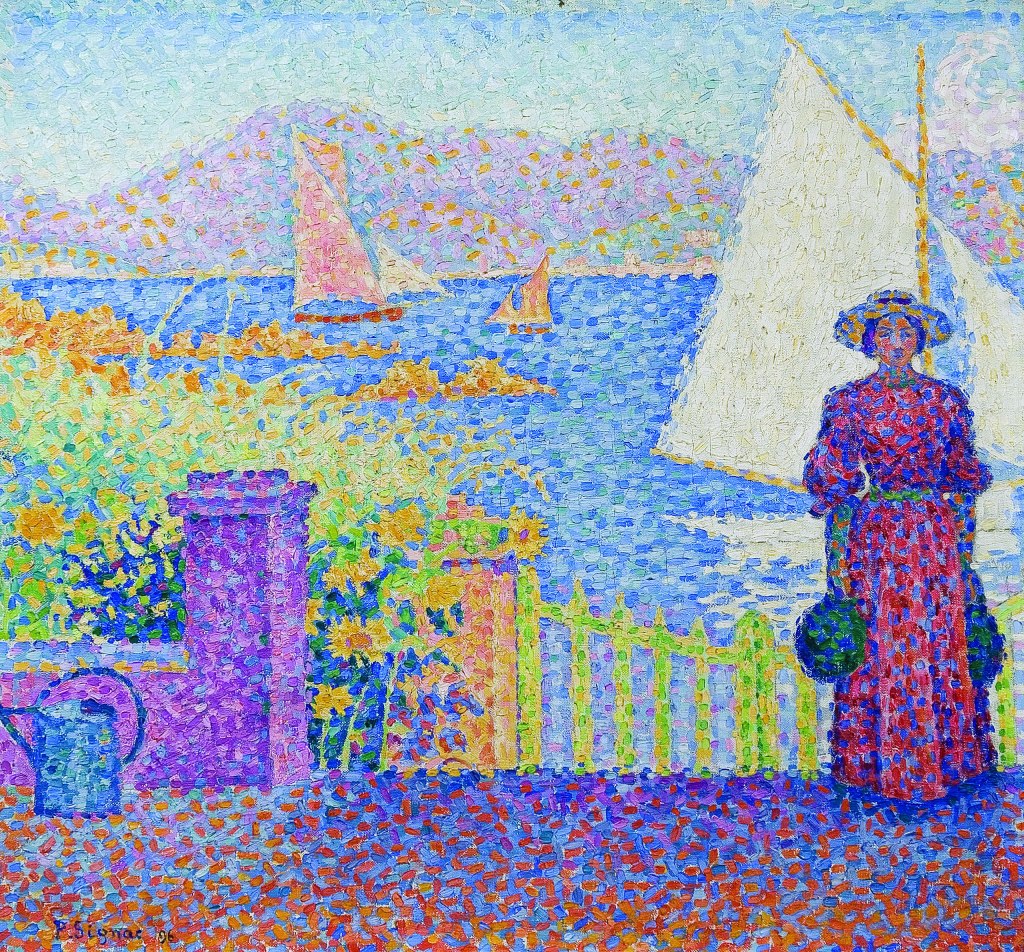
porta
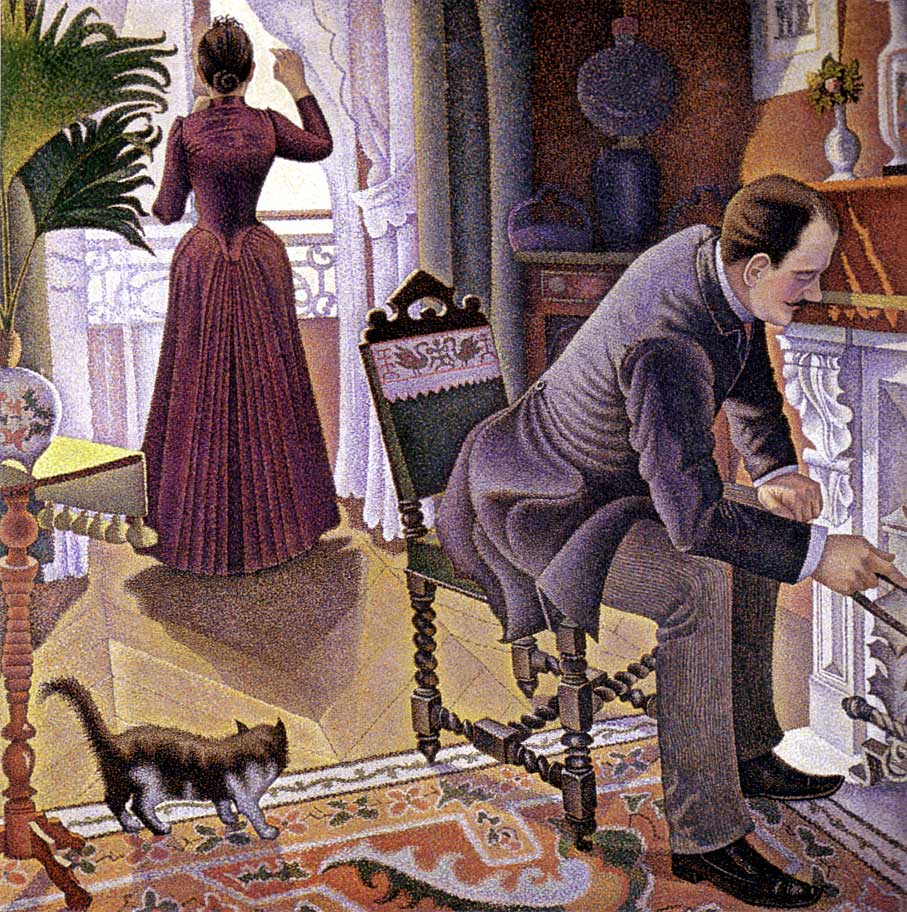
Sunday (Dimanche), 1889, Private Collection
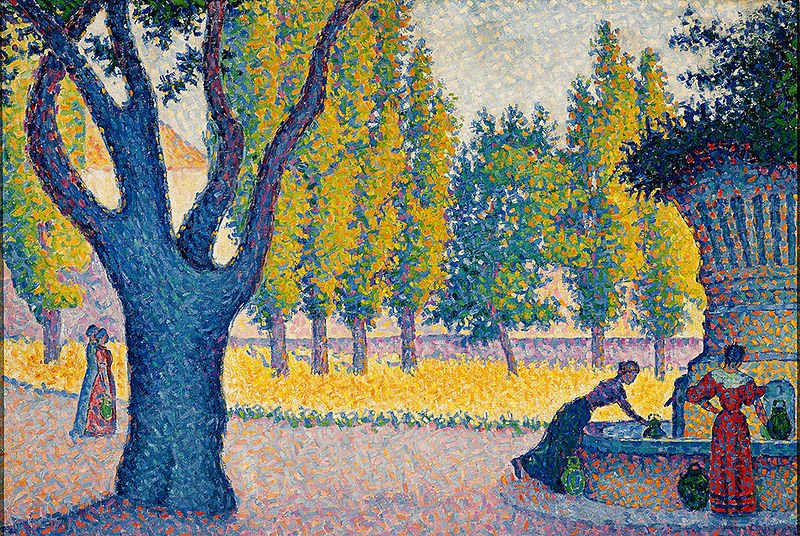
Fontaine des Lices’
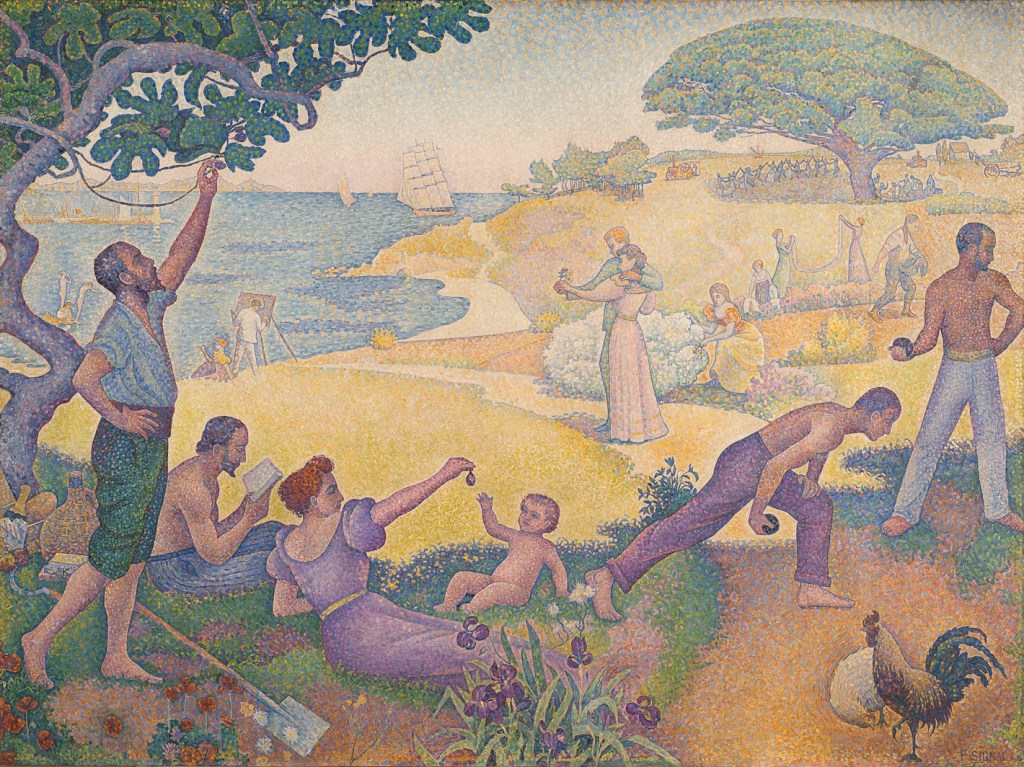
In the Time of Harmony. The Golden Age is not in the Past, it is in the Future, 1893-95, oil on canvas, 310 x 410 cm (122 × 161.4 in), Mairie de Montreuil
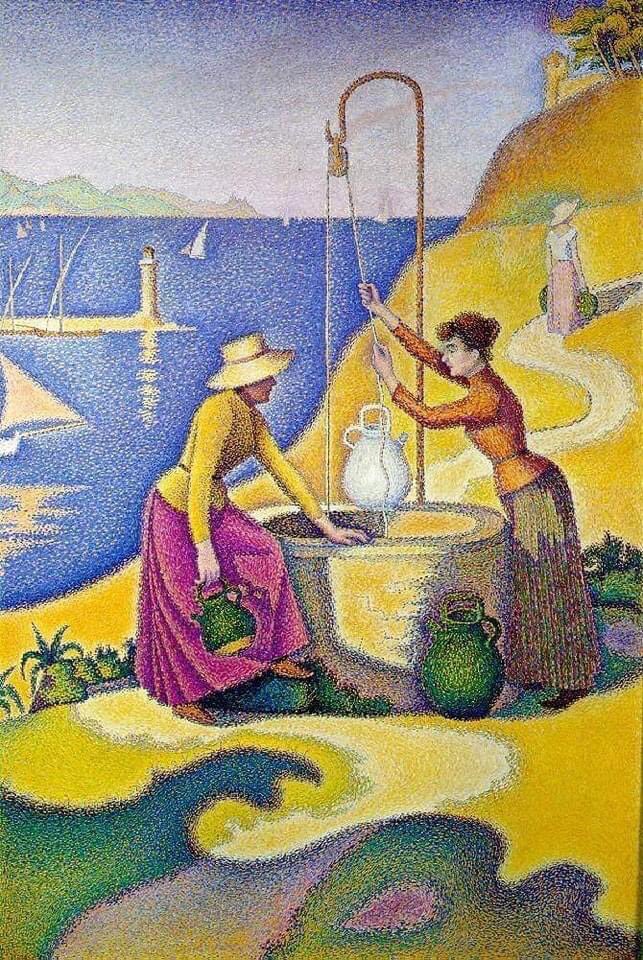
Femmes au puits, 1892
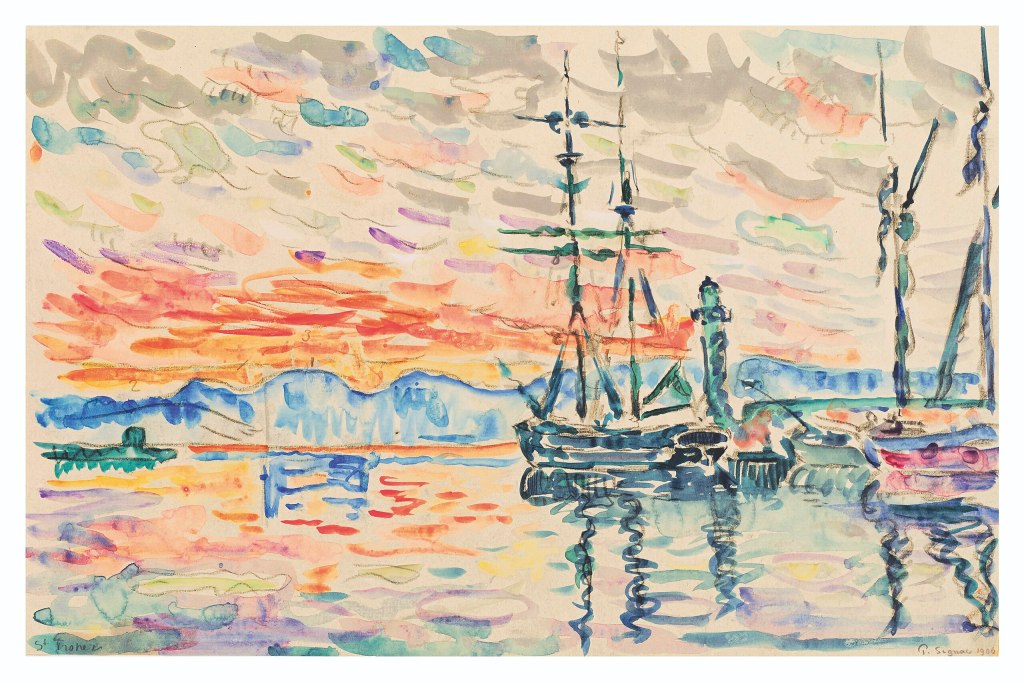
saint-tropez le port au coucher du soleil
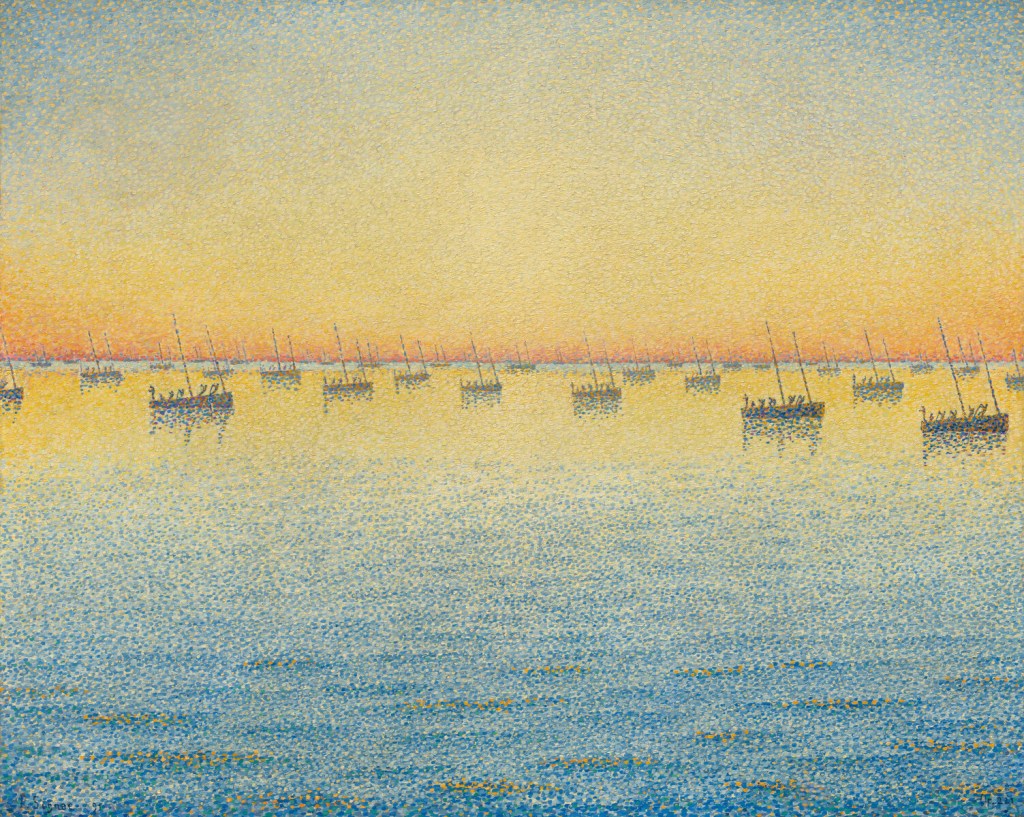
Soleil couchant. Pêche à la sardine. Adagio. Opus 221 de la série La Mer, Les Bateaux, Concarneau
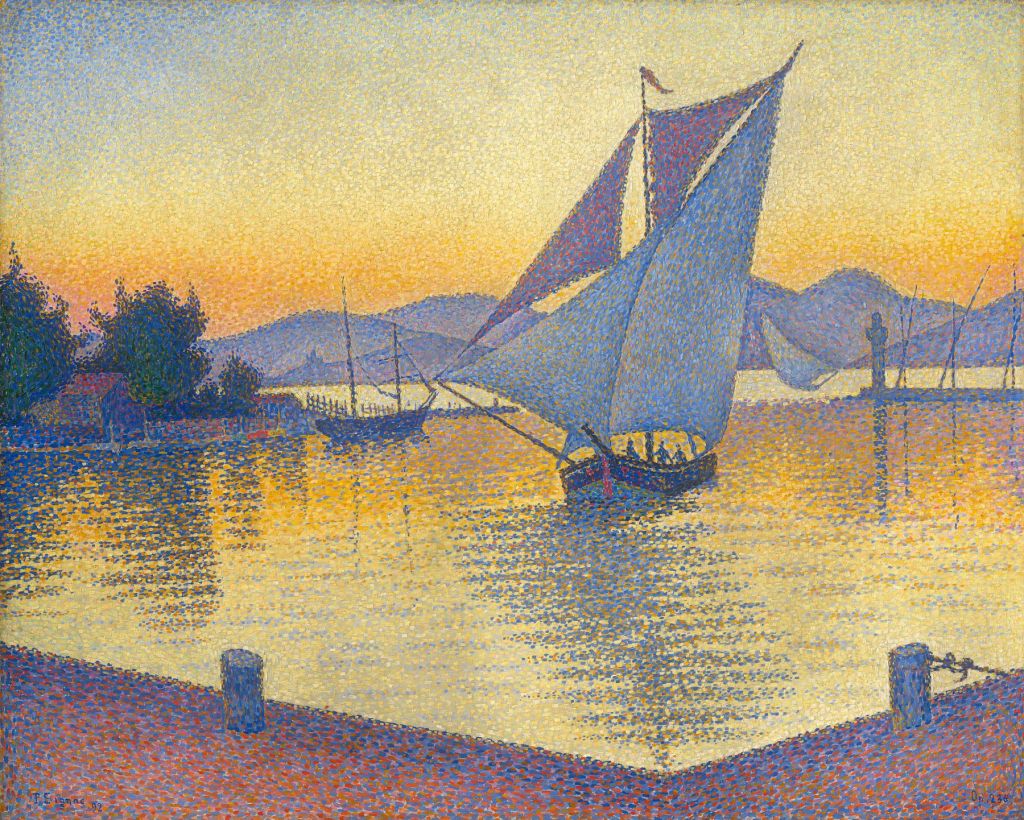
st tropez at sunset
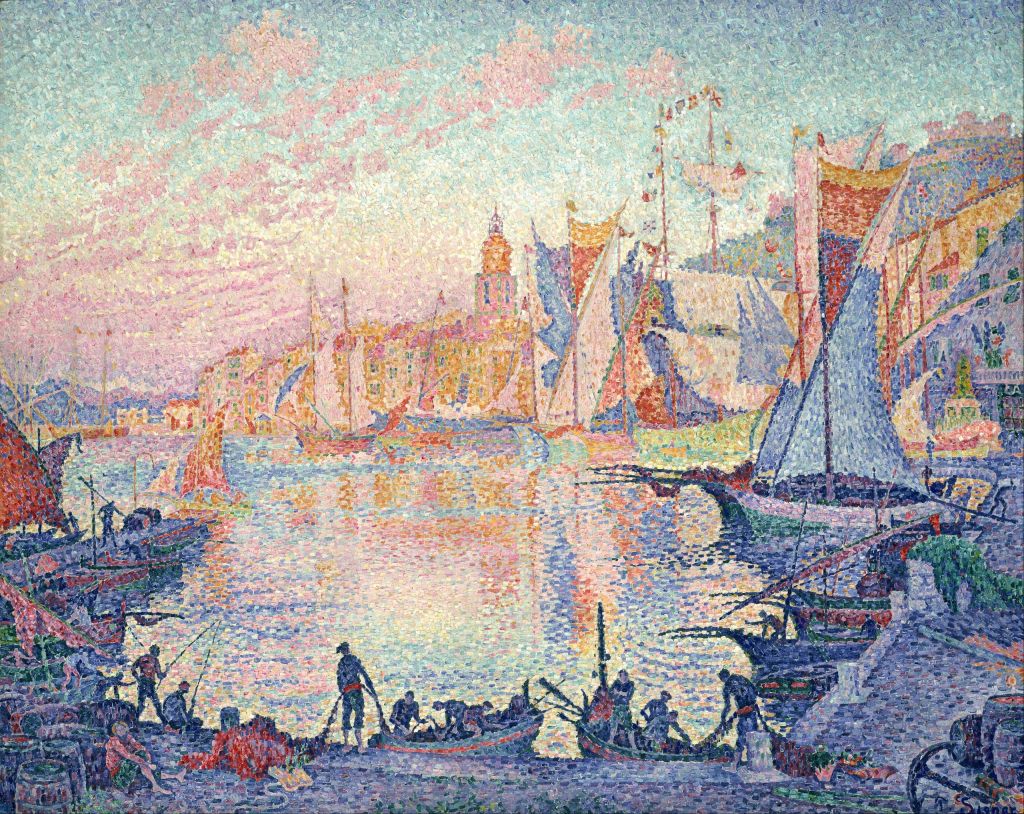
The Port of Saint-Tropez, 1901, oil on canvas, 131 x 161.5 cm (51.6 x 63.6 in) National Museum of Western Art, Tokyo
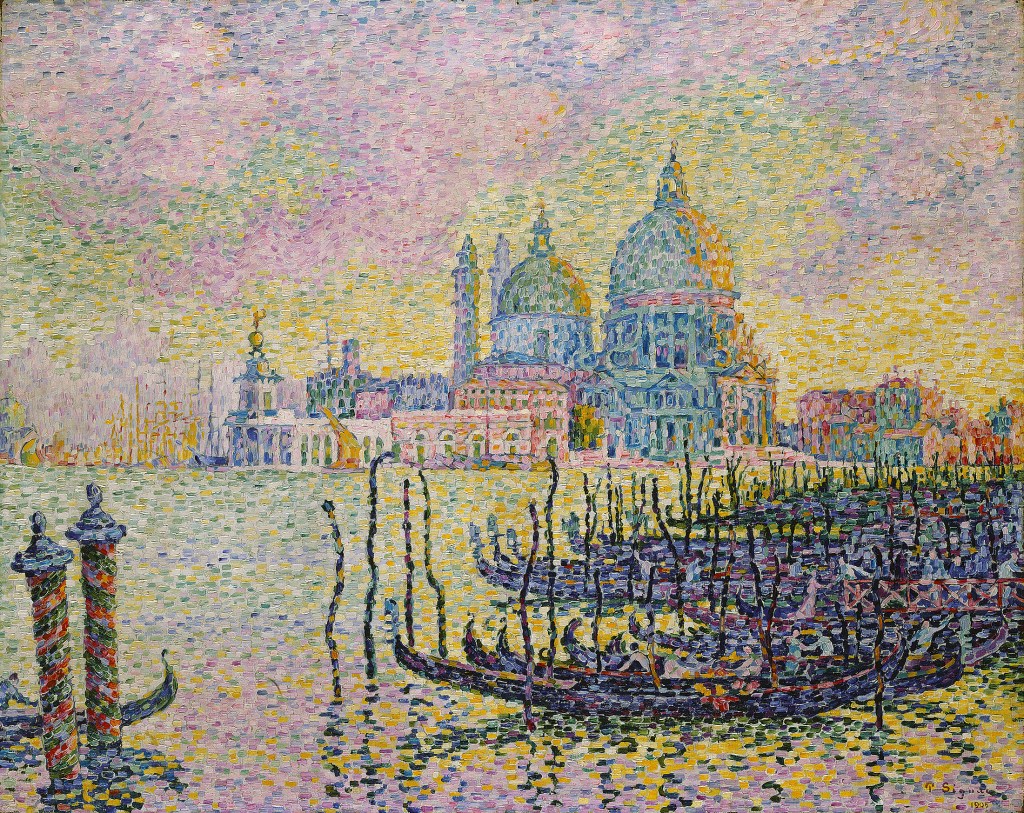
Grand Canal (Venice), 1905, Toledo Museum of Art, Toledo, Ohio
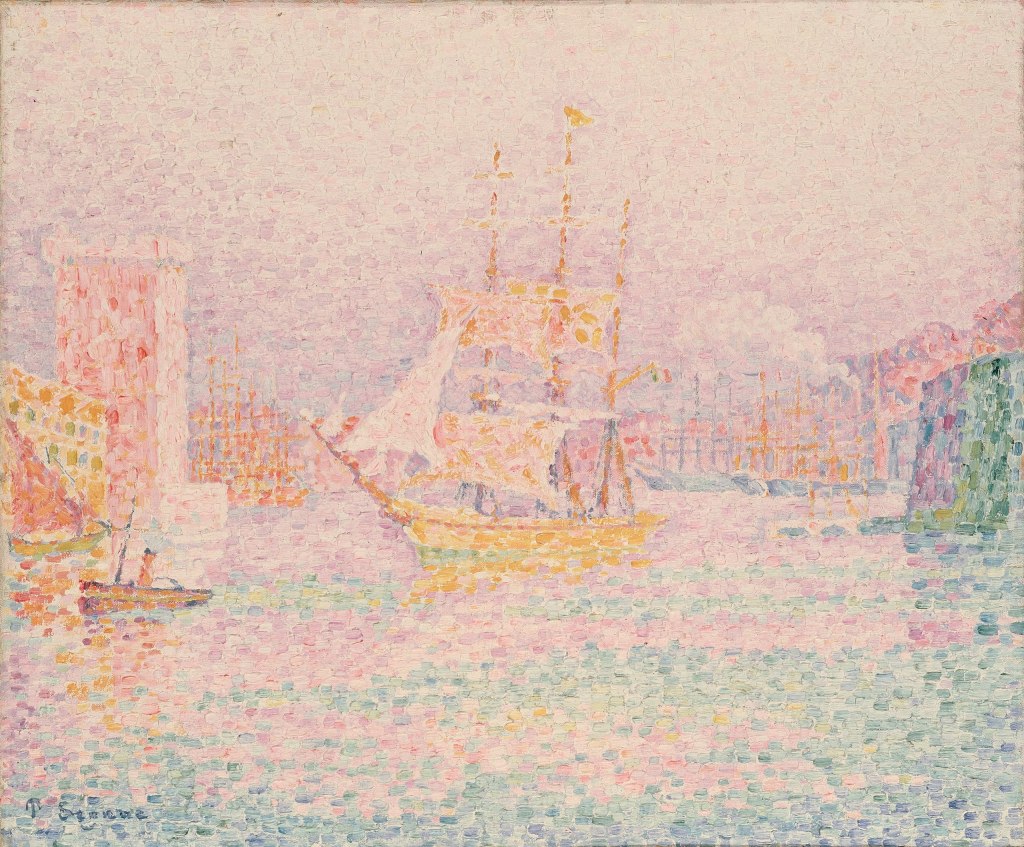
The Port of Marseille, 1907, Hermitage Museum
| Édouard Vuillard | |
|---|---|
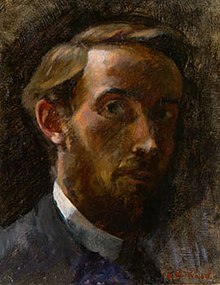 | |
Today is the birthday of Édouard Vuillard (Jean-Édouard Vuillard; Cuiseaux, Saône-et-Loire, France; 11 November 1868 – 21 June 1940 La Baule, Loire-Atlantique, France); painter and printmaker. From 1891 through 1900, Vuillard was a prominent member of the avant garde artistic group Les Nabis, creating paintings that assembled areas of pure color. His interior scenes, influenced by Japanese prints, explored the spatial effects of flattened planes of color, pattern, and form. As a decorative artist, Vuillard painted theater sets, panels for interior decoration, and designed plates and stained glass. After 1900, when the Nabis broke up, Vuillard adopted a more realistic style, approaching landscapes and interiors with greater detail and vivid colors. In the 1920s and 1930s, he painted portraits of prominent figures in French industry and the arts in their familiar settings.
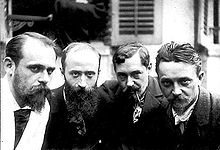
Vuillard was unmarried, but his personal life and his work were greatly influenced by his women friends. In the late 1890s he began a long relationship with Misia Natanson, the wife of his important patron, Thadée Natanson. Natanson had married her in April 1893, when she was sixteen years old. She appears in the Public Gardens. He helped her decorate the Natansons’ apartment, painted her often in his decorative panels, and regularly accompanied her and her husband to their country house.
In 1900, Vuillard met Lucy Hessel, wife of a Swiss art dealer, who became his new muse, traveling with him each year to Normandy in July, August and September, and giving him advice. She remained with him, despite many rivals and many dramatic scenes, until the end of his life. In addition to Misia and Lucy, he also had a long relationship with the actress Lucie Belin, for whom he arranged a pension when she fell ill in the 1920s.
Gallery
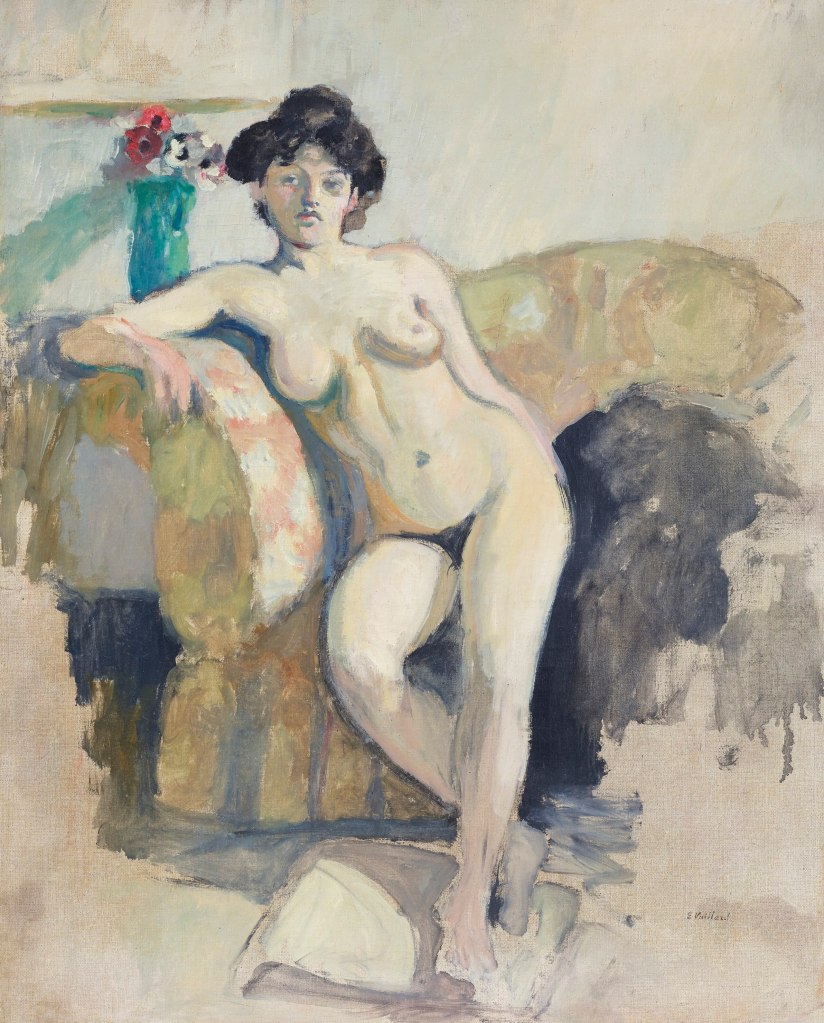
femme nue assise sur un canape
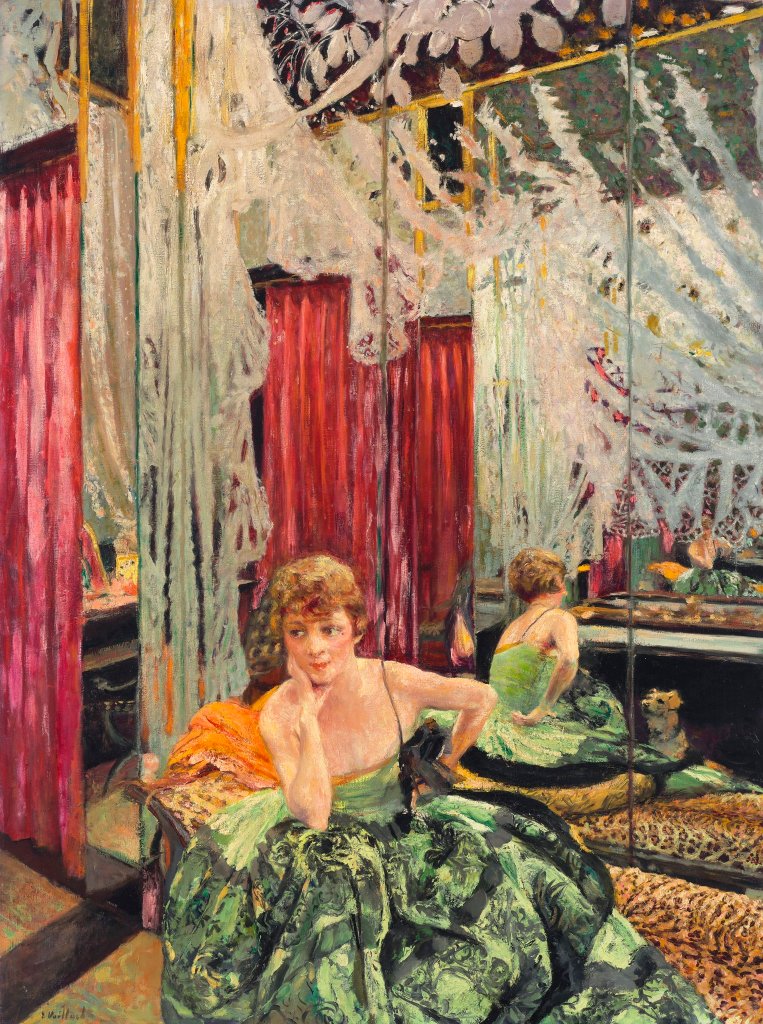
Jane Renouardt
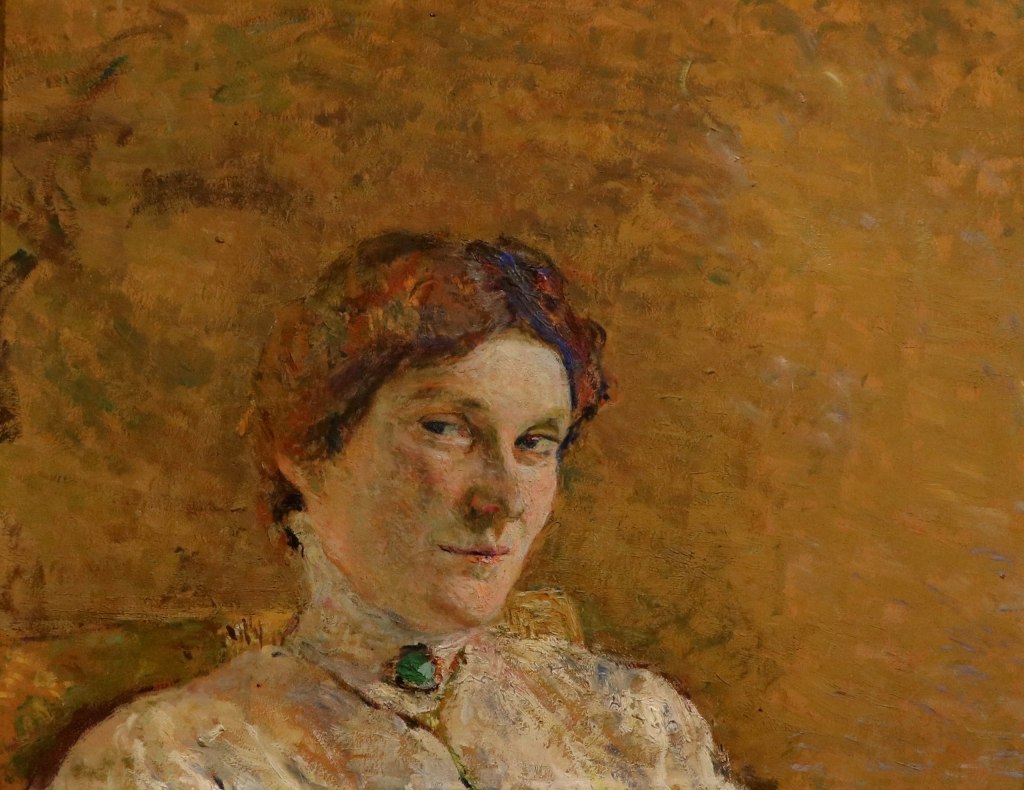
Portrait de l’actrice Suzanne Desprès (1908), huile sur carton, musée des Beaux-Arts de Caen
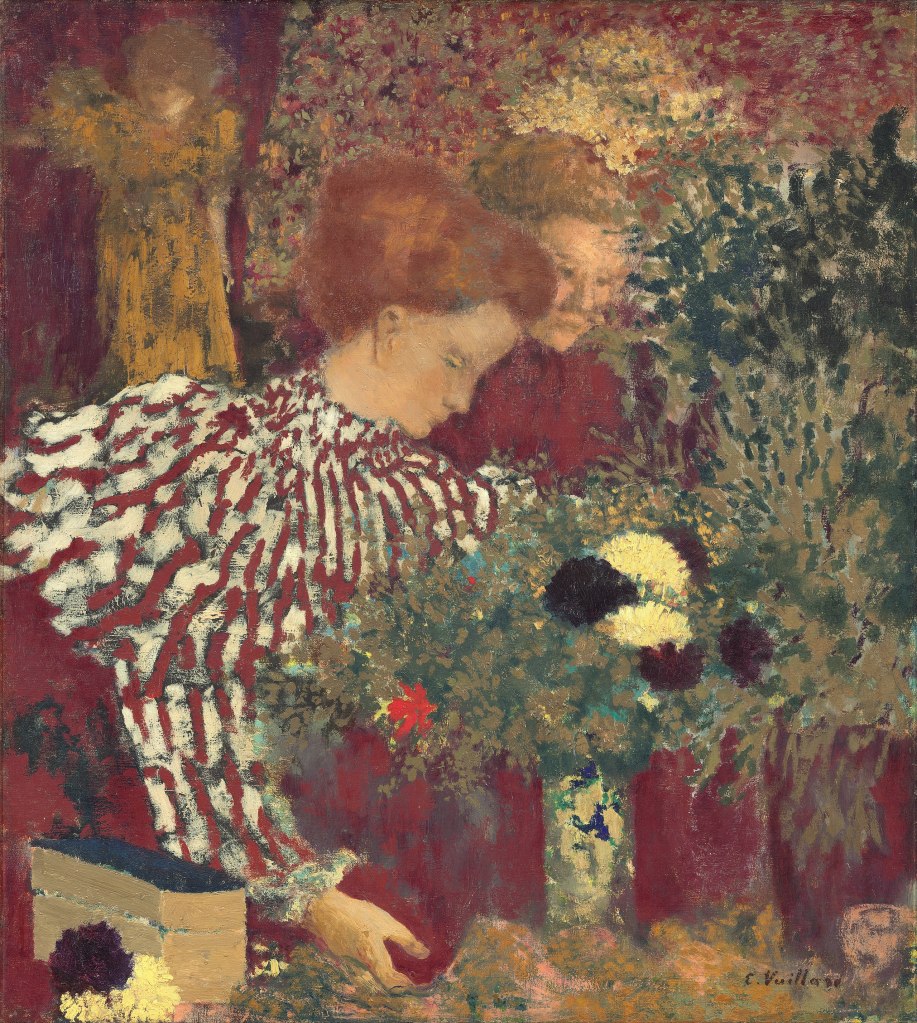
Le corsage rayé, 1895, National Gallery of Art, Washington D.C., Collection of Mr. and Mrs. Paul Mellon (1983.1.38).
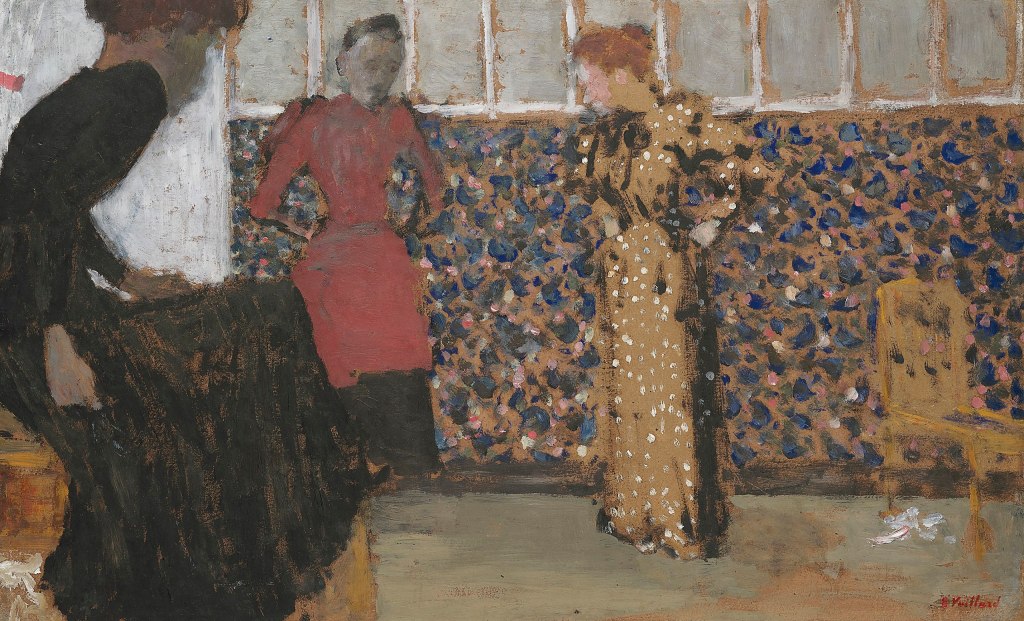
Three women in conversation (1893)
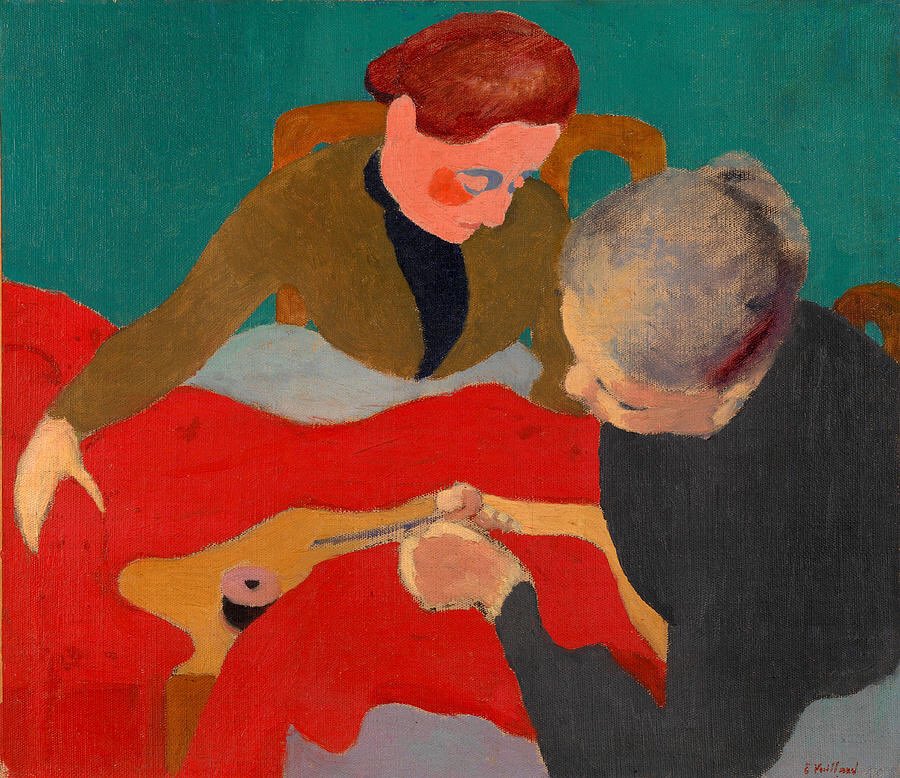
Les couturières
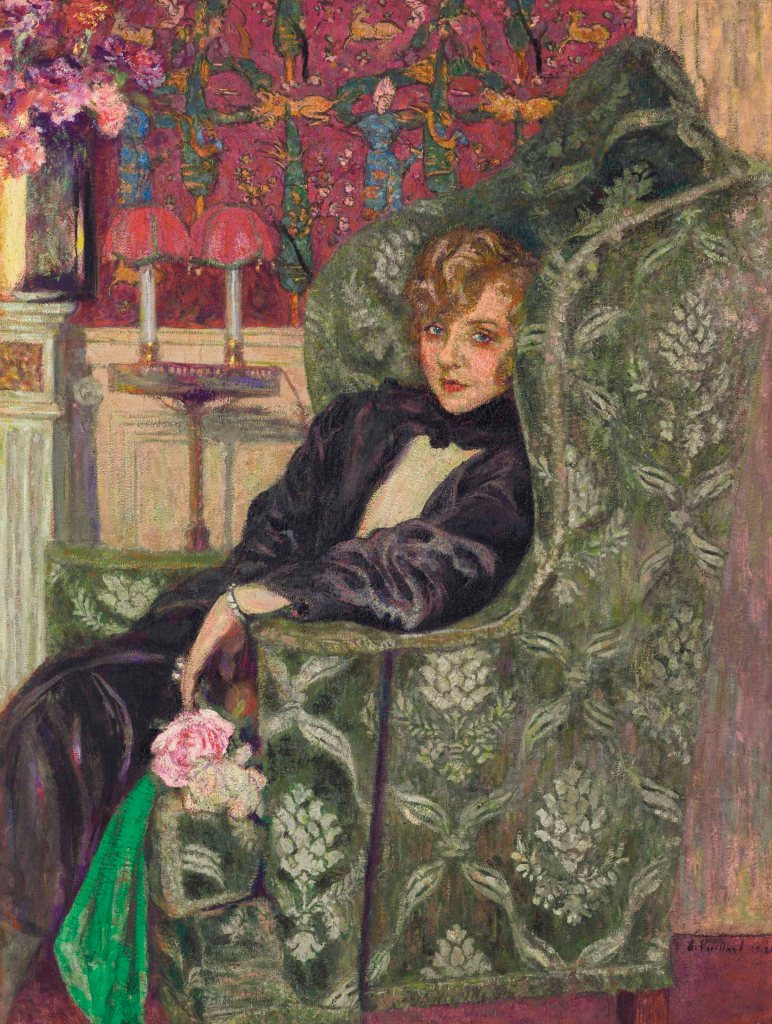
Actress Yvonne Printemps in an armchair (1920–21)
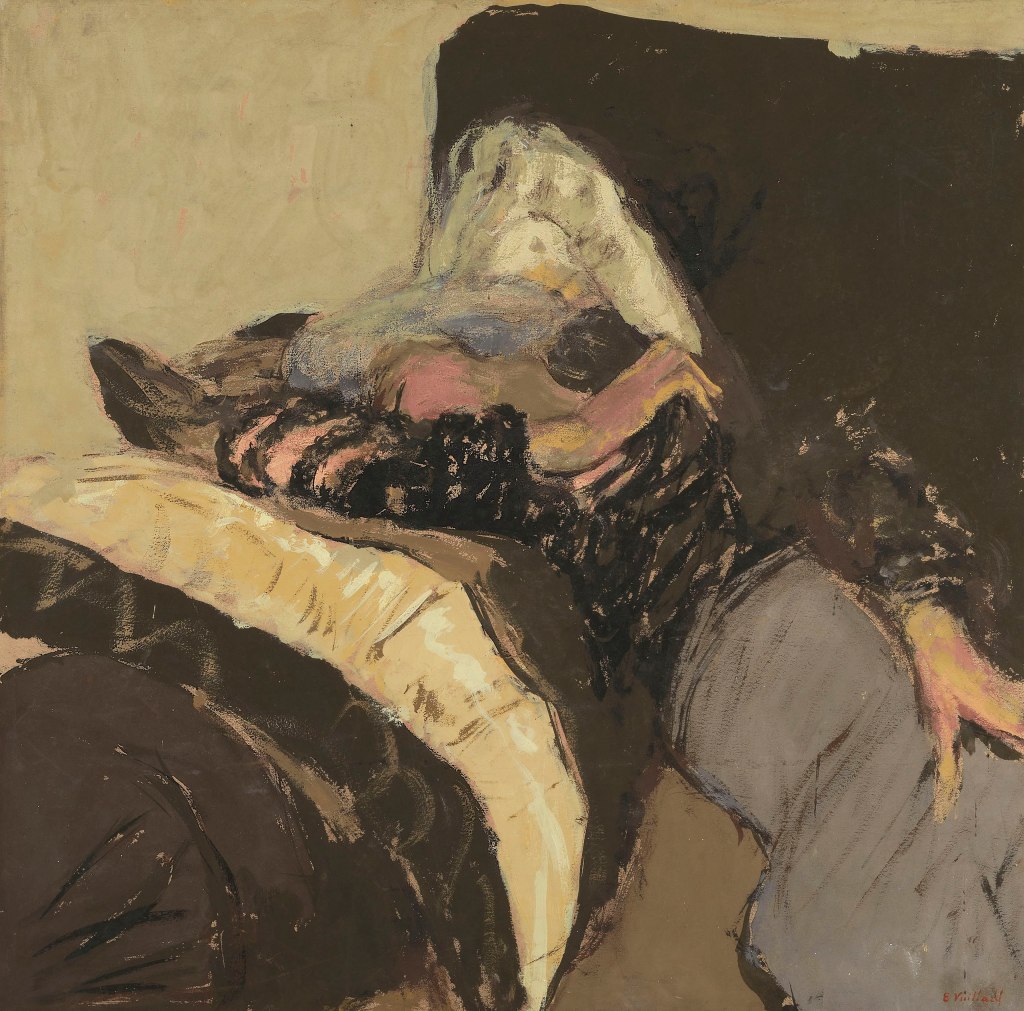
lucy hessel dormant sur un divan
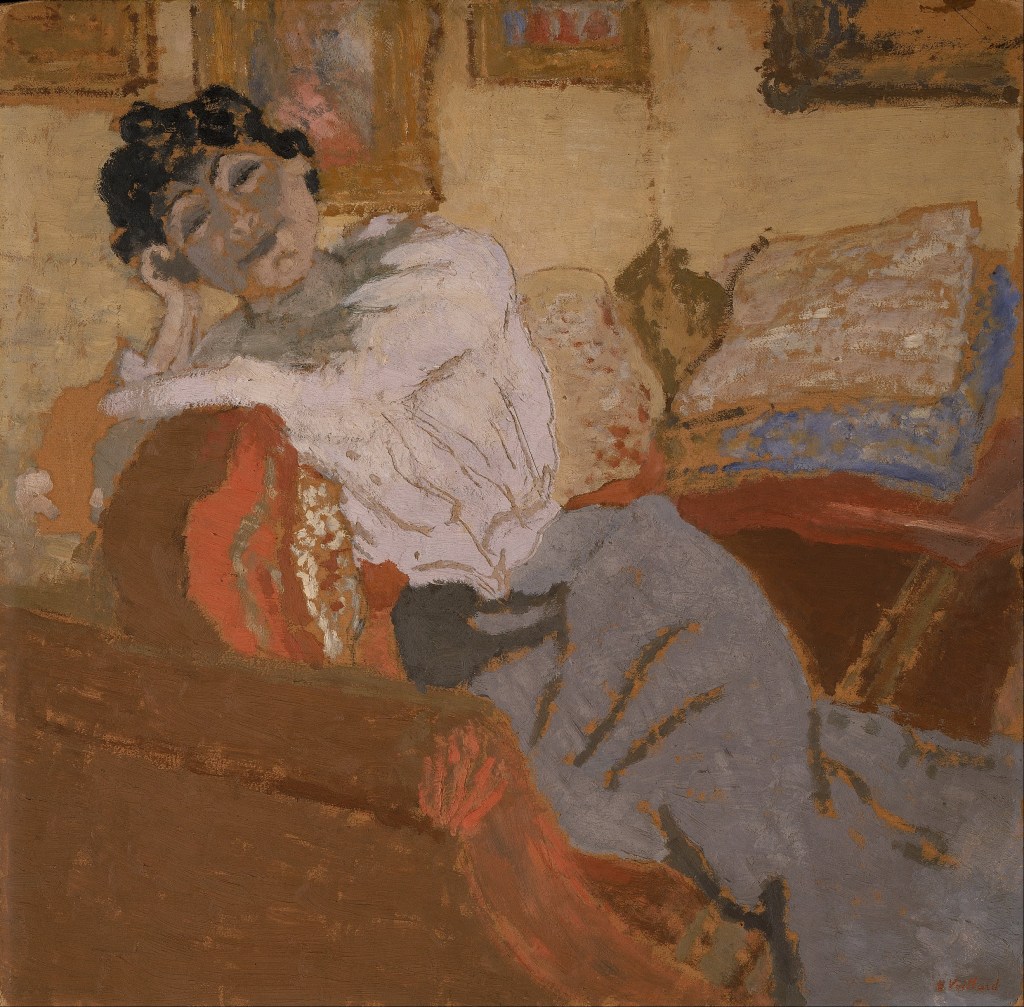
Lucy Hessel on a sofa (1900)
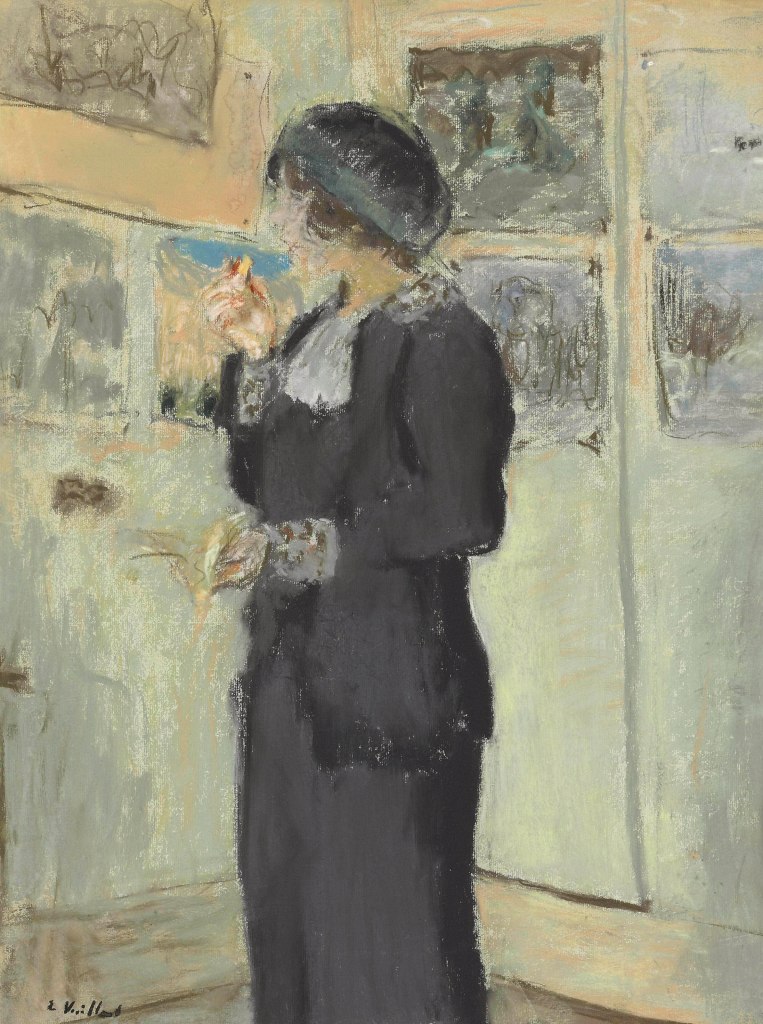
Lucie Belin (1915)
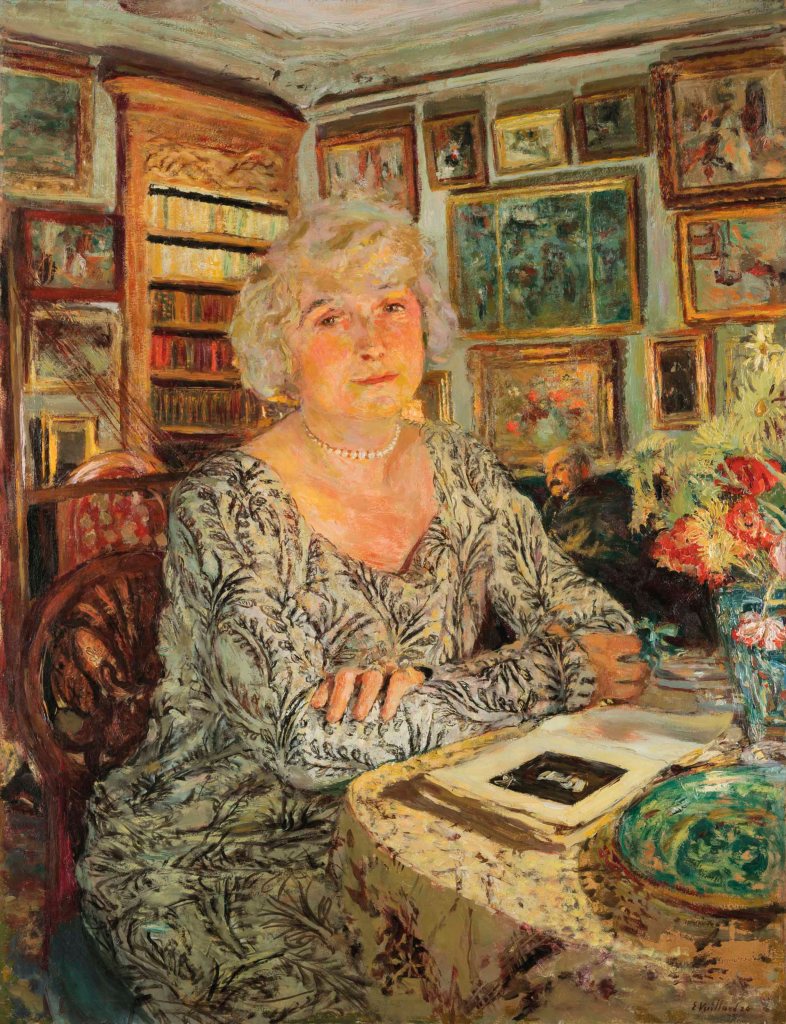
Portrait of Lucy Hessel (1924)
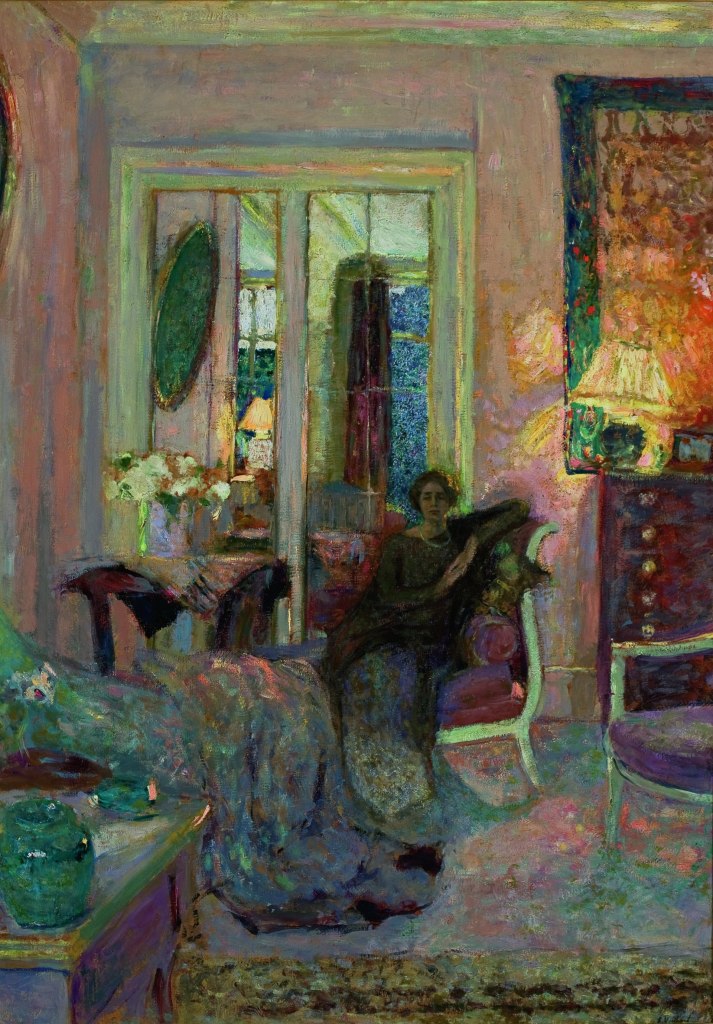
Portrait of Princess Bibesco (1925), São Paulo Museum of Art
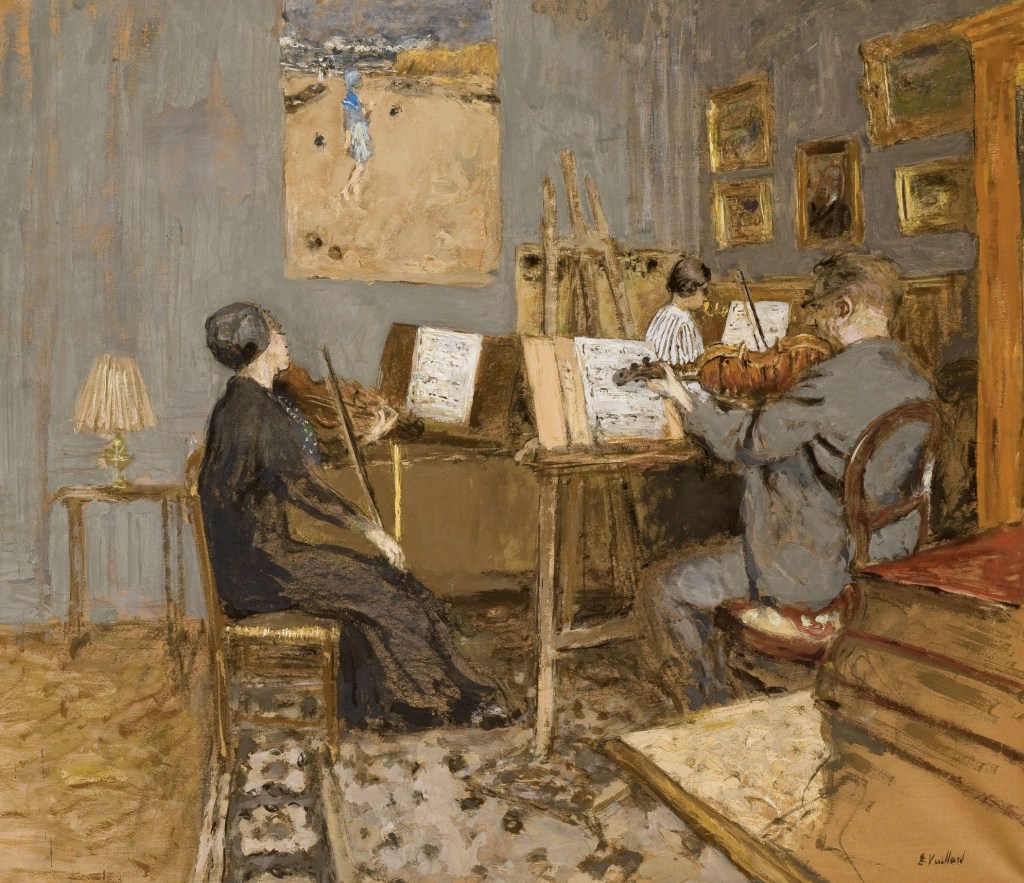
Morning concert at Place Vintimille (1937–38)
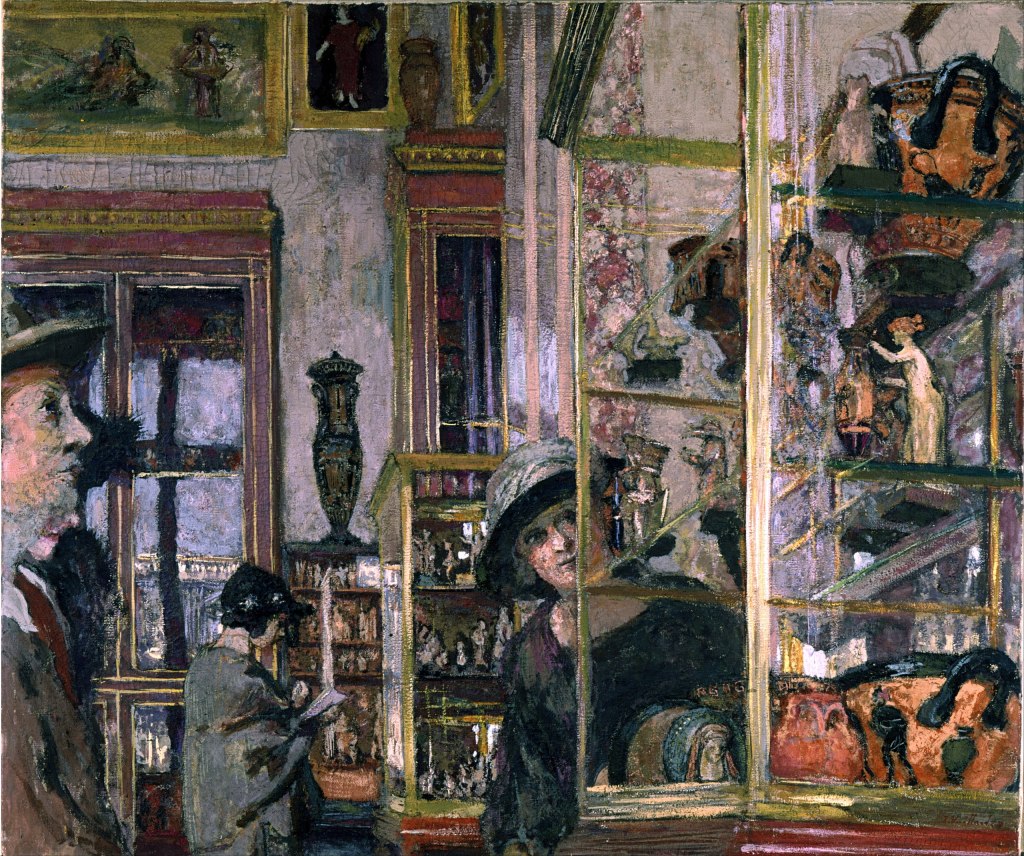
The Salle Clarac at the Louvre (1922)
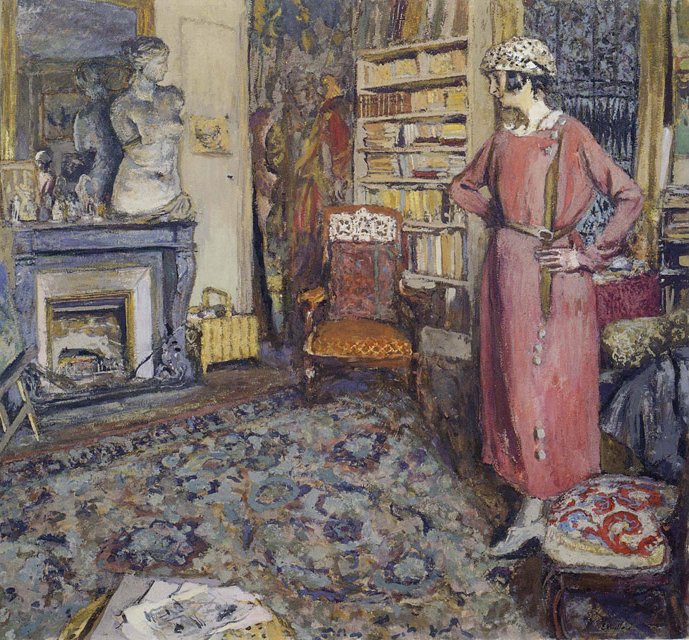
Venus de Milo (1920)
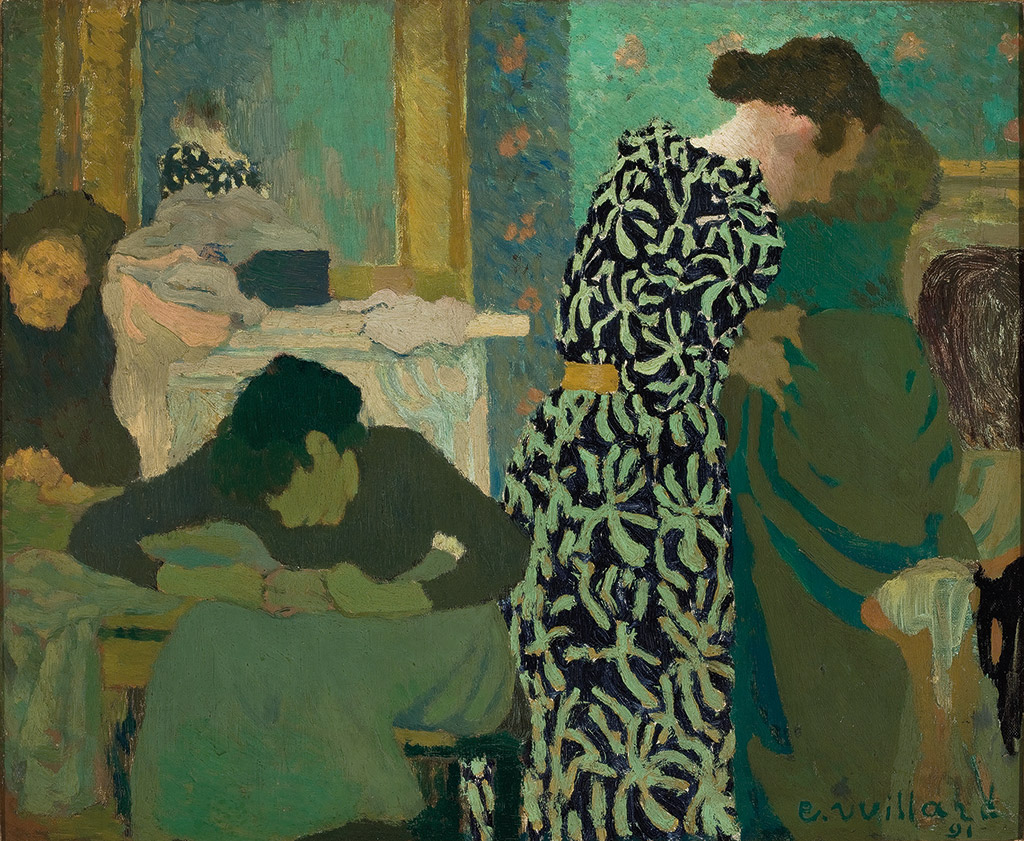
La Robe À Ramages (The flowered dress), 1891, São Paulo Museum of Art
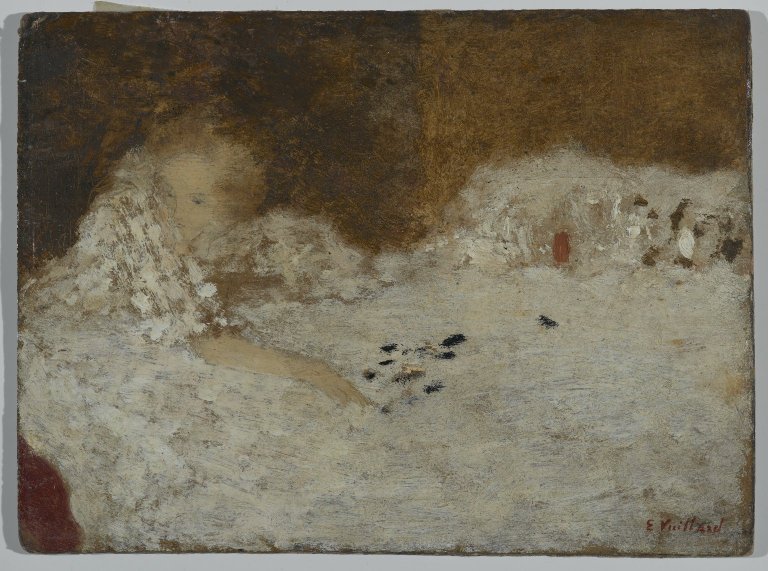
Jeune femme au lit (1894), huile sur toile, 25,5 × 35,5 cm, New York, Brooklyn Museum
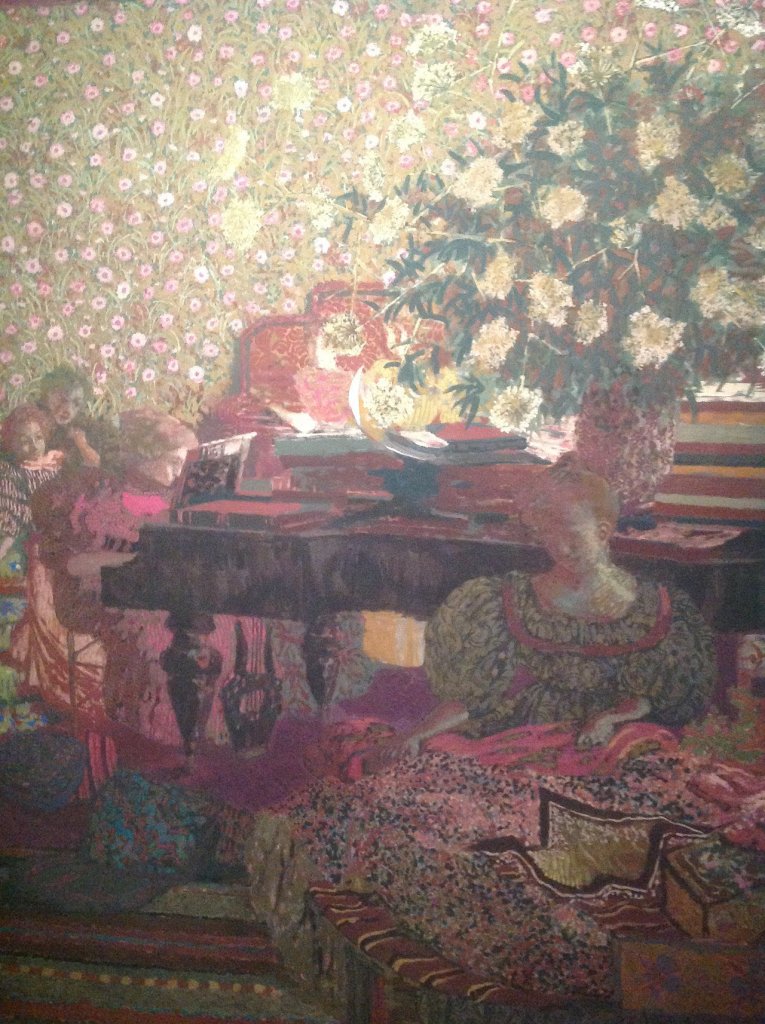
People in an interior – Music (1896), Petit Palace Museum, Paris
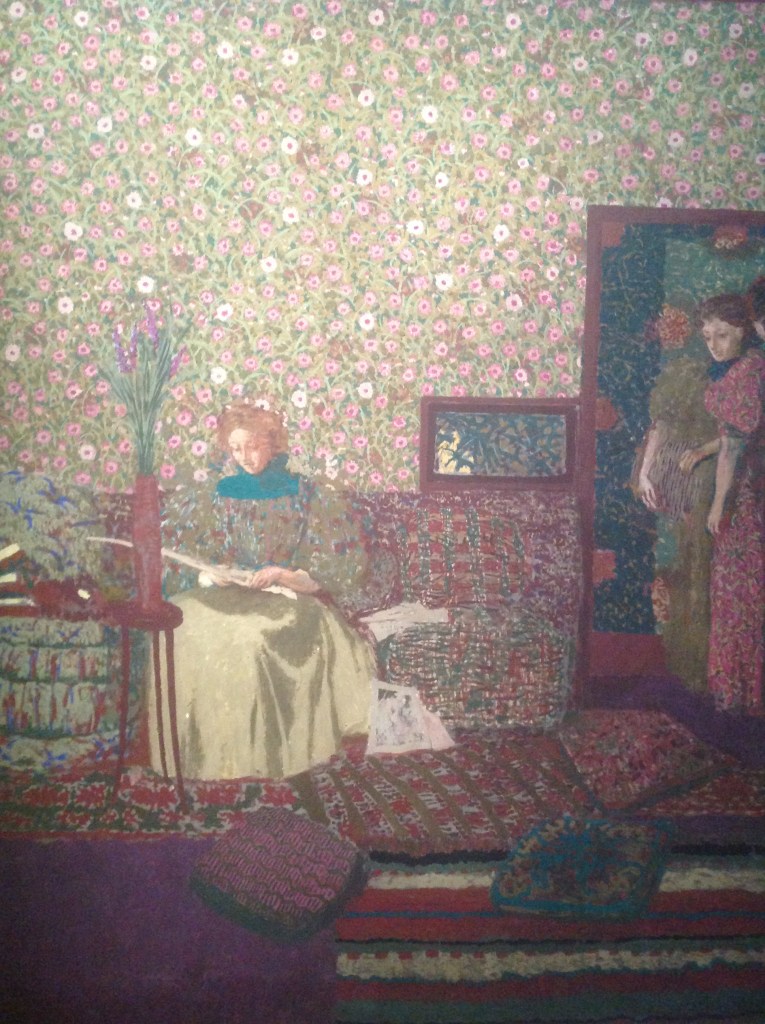
Persons in an Interior – Intimacy (1896), decorative panel
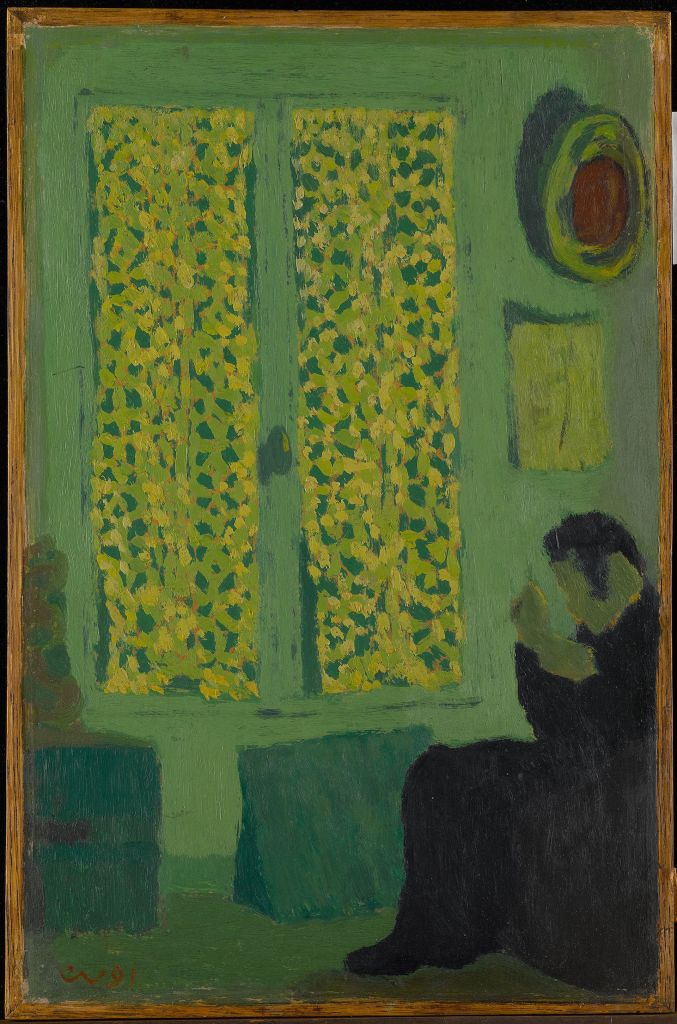
L’Intérieur vert (1891), huile sur toile, 31,1 × 21 cm, New York, Metropolitan Museum of Art
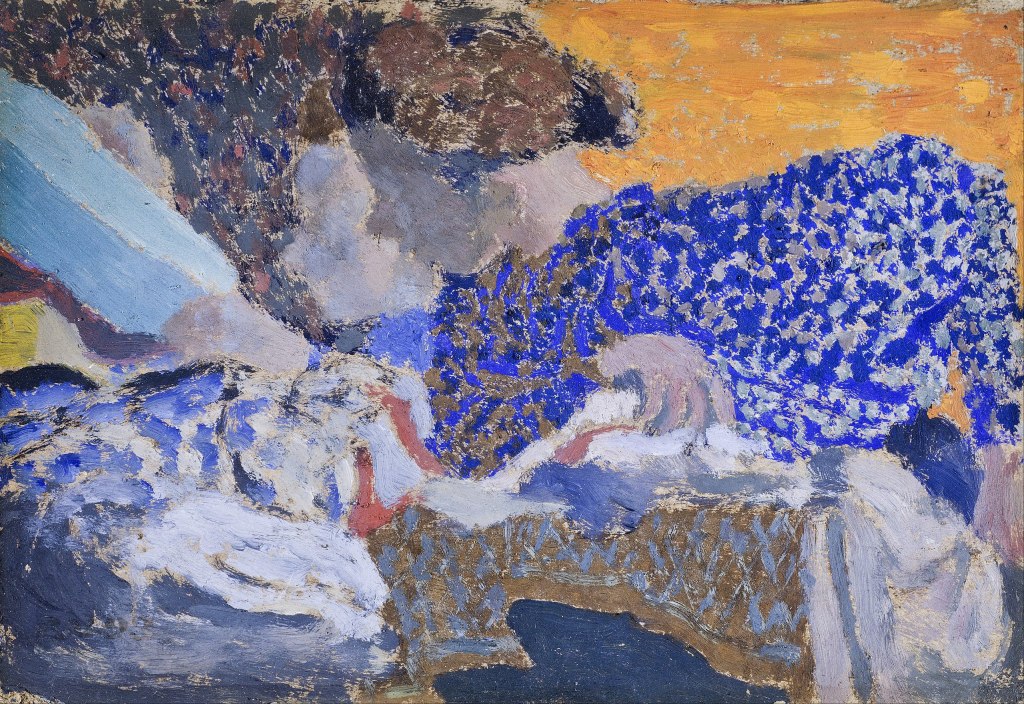
Deux ouvrières dans l’atelier de couture (1893), Édimbourg, Galerie nationale d’Écosse
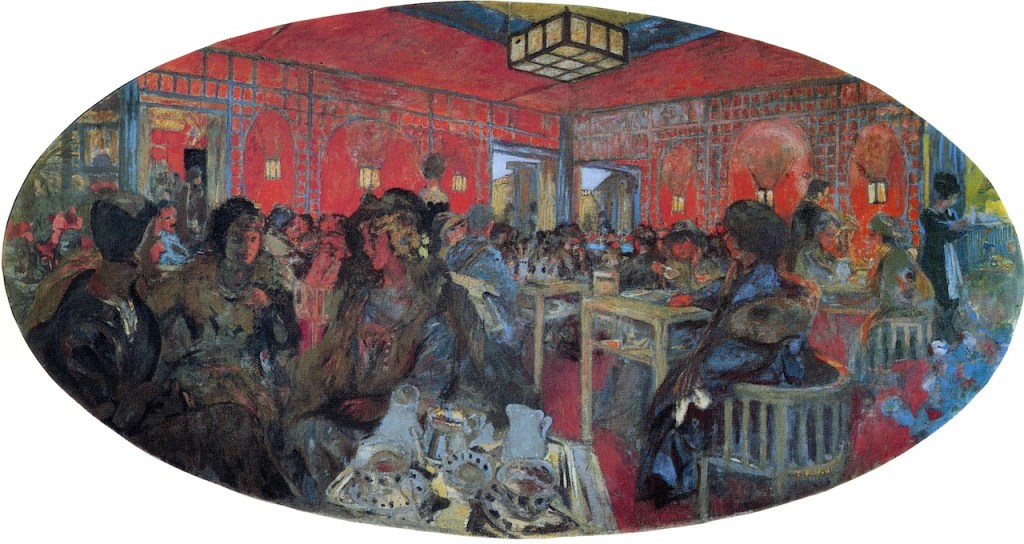
Le Grand Teddy, 1918, glue distemper on canvas, 150 x 290 cm, the largest of the three paintings commissioned from Vuillard in 1918 for the Paris café “Le Grand Teddy”
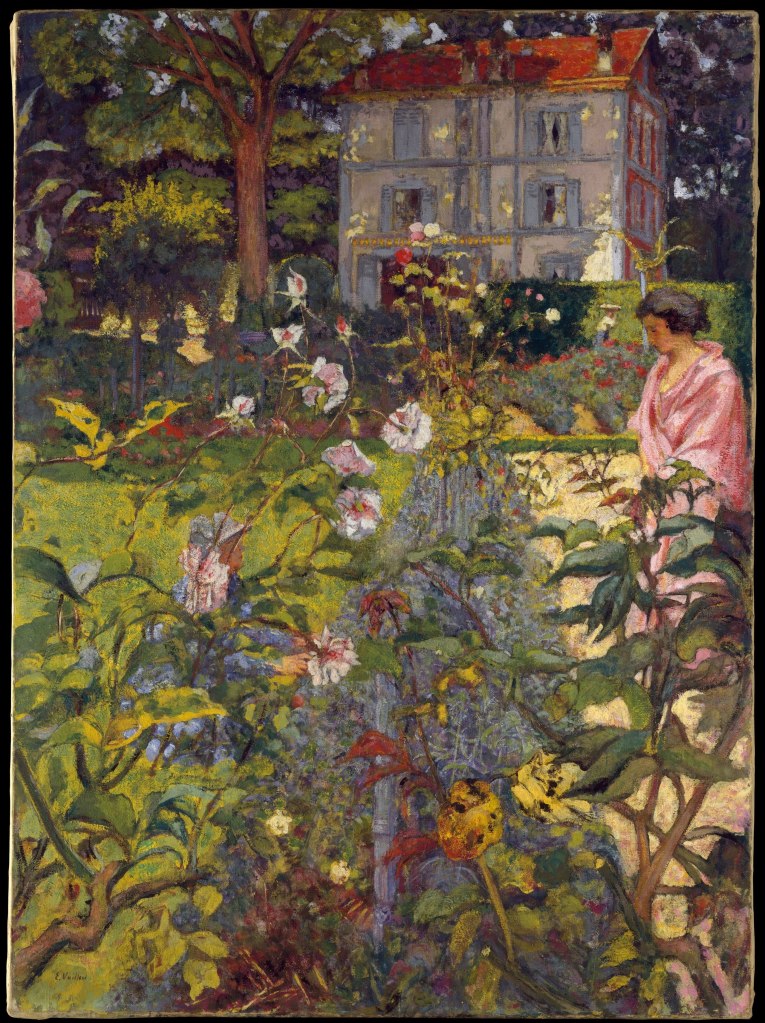
The Garden of Vaucresson (1920), Metropolitan Museum of Art, New York
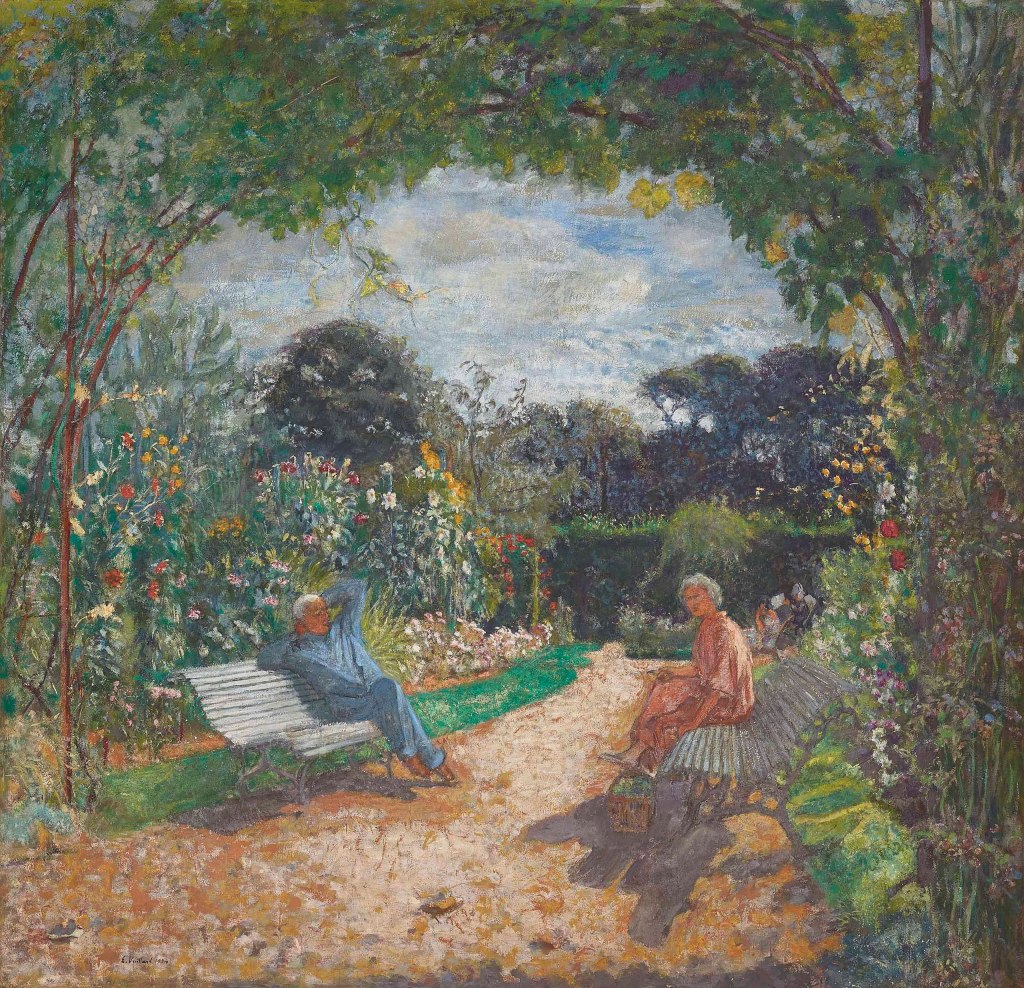
Morning in the garden, Clos Cezanne (1924)
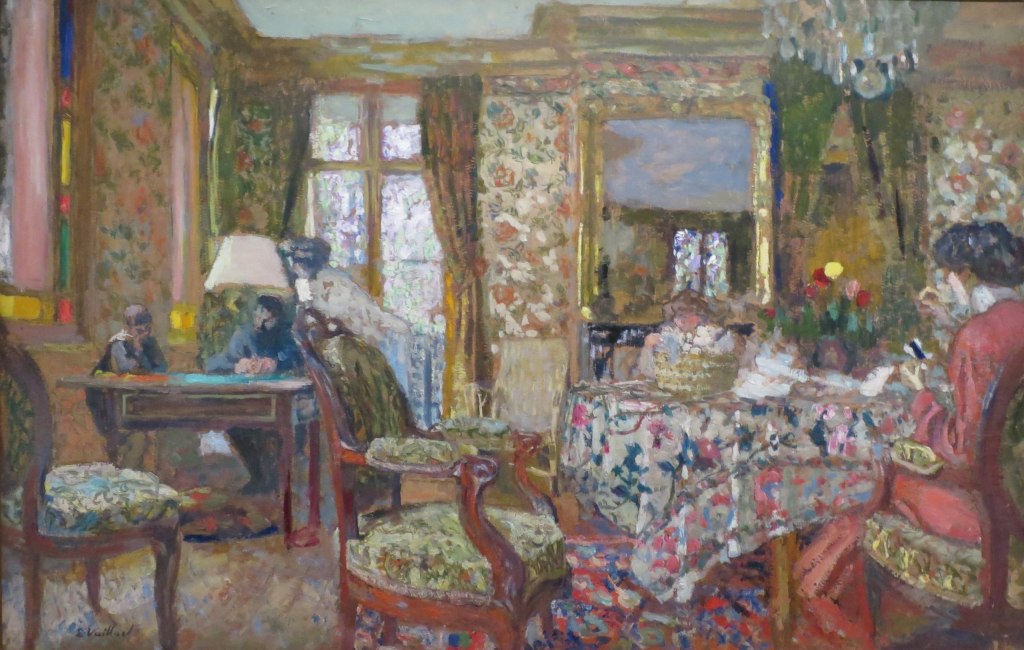
Interior (1904), Pushkin Museum
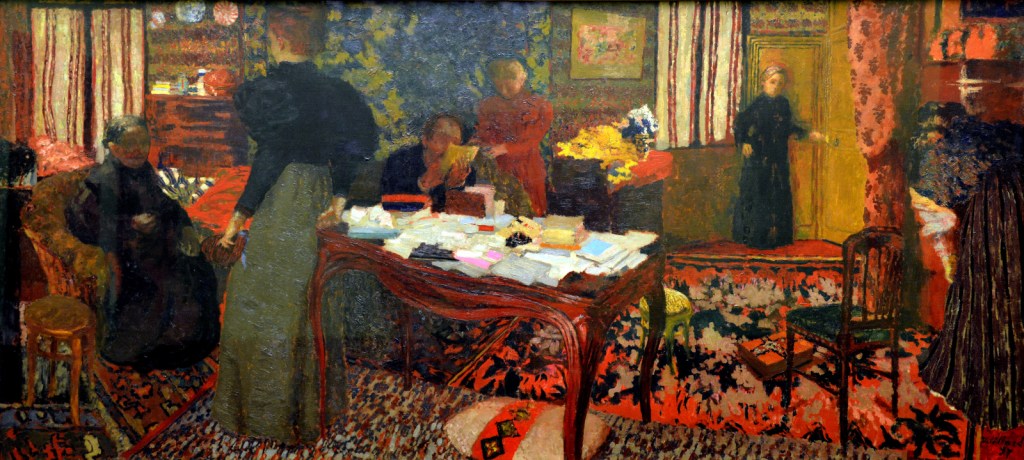
Large Interior with Six Persons (1897), Kunsthaus Zürich
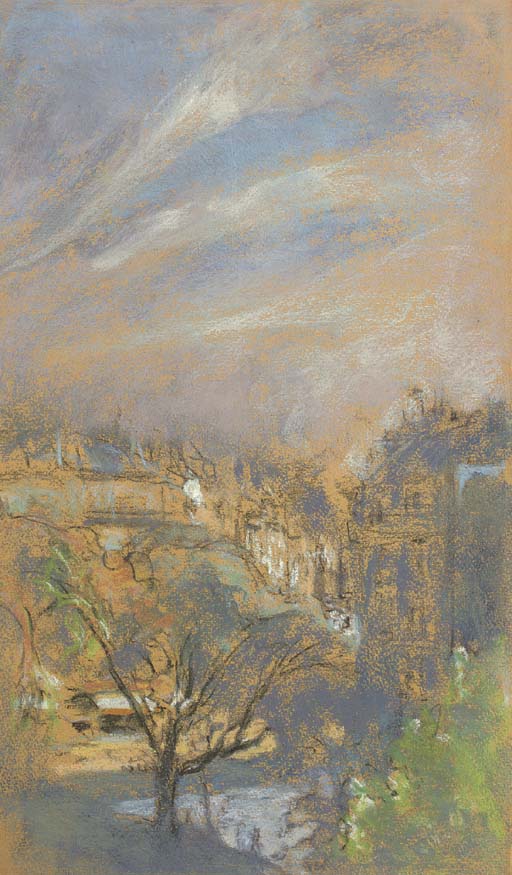
Morning Light, Place Vintimille (c. 1928), pastel and charcoal
And today is the birthday of Rennie Ellis (Reynolds Mark Ellis; Melbourne 11 November 1940 – 19 August 2003 Melbourne); social and social documentary photographer. He also worked, at various stages of his life, as an advertising copywriter, seaman, lecturer, television presenter and founder of Brummels Gallery of Photography, Australia’s first dedicated photography gallery, where he established both a photographic studio and an agency dedicated to his work, published 17 photographic books, and held numerous exhibitions in Australia and overseas.
Ellis died after suffering a cerebral haemorrhage at the age of 62. Since his death his second wife, Kerry Oldfield Ellis, and his assistant, Manuela Furci, have established the Rennie Ellis Photographic Archive, and continue to organise exhibitions of his work.
gallery
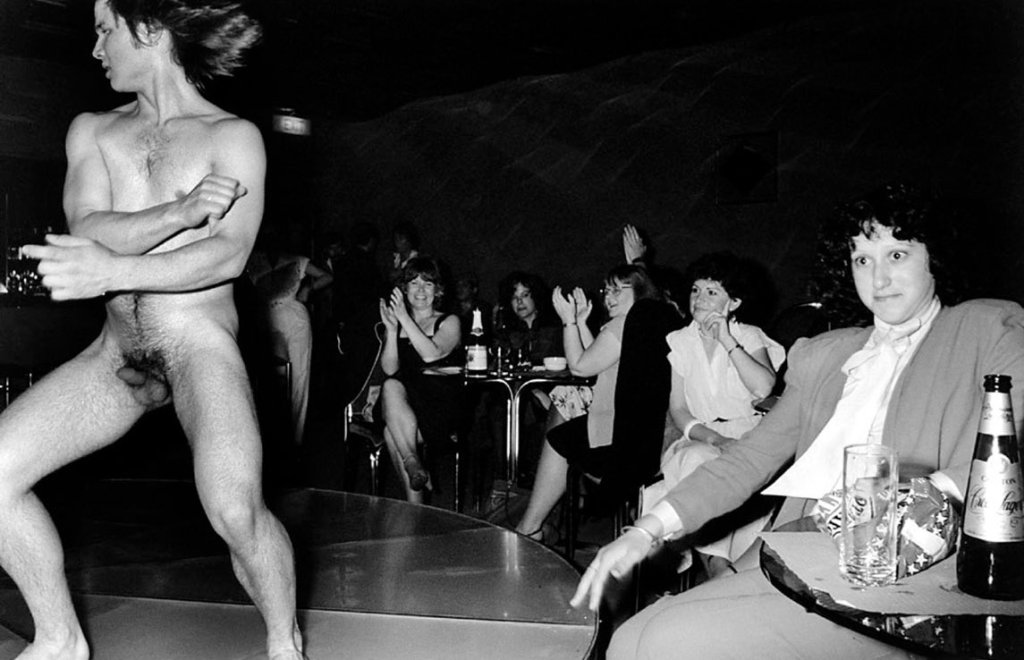
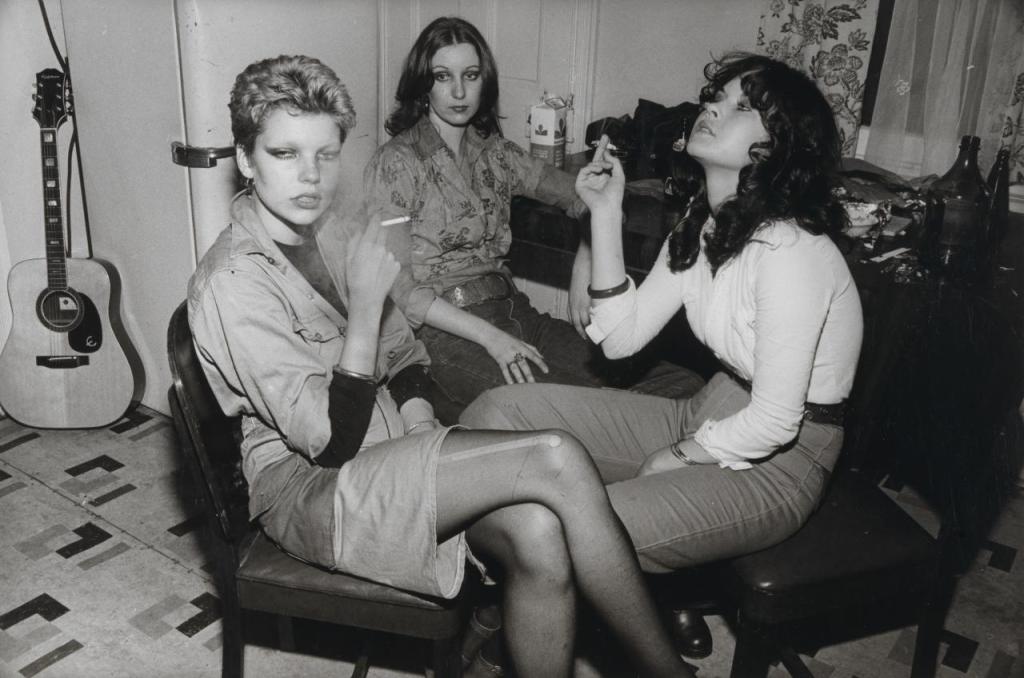
Night people, Melbourne (1975)
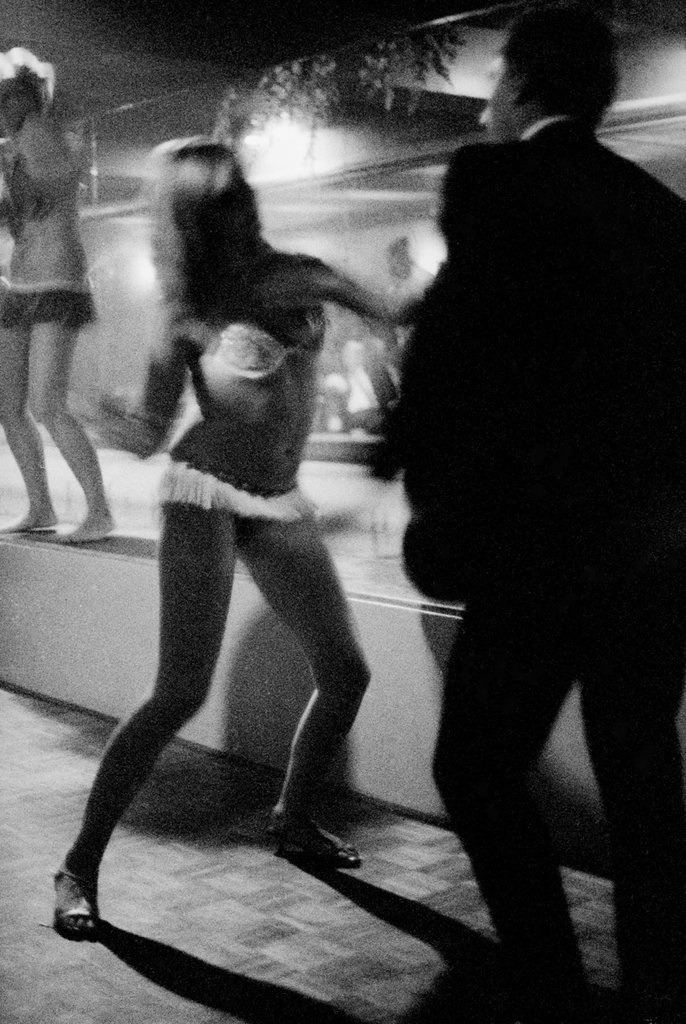
Kings Cross nightlife, Sydney (1970-71)
Mac Tag
thanks for stoppin’ by y’all
 The Lovers’ Chronicle
Leave a comment