Dear Zazie, Hope your day is goin’ well. Here is today’s Lovers’ Chronicle from Mac Tag to his muse. Follow us on twitter @cowboycoleridge. I like where Mac Tag is goin’ with this one; the images of rain are soothin’ in this hot summer and one of my favorite subjects, dreamin’. Are you alone, dreamin’ someone will come to you? Rhett
The Lovers’ Chronicle
Dear Muse,
Waylon sang one that goes well here,
written by Chuck Howard, goes like this;
’’Come with me, come with me
The feelin’s free, come with me’’
’’Waylon goes well anywhere’’
this one started as a wish that someone,
hell anyone, would come, but that was
mostly posturin’, i just needed time
to write myself where i could be
’’To where you should be’’
at the end of each day
comin’ to you

© copyright 2023.2024 mac tag/cowboy coleridge all rights reserved
my how this one as evolved; from wishin’ someone would and they did, but soon wishin’ they would go; there were a few i wished would, but never did; fallin’ asleep would be filled with those wishes and in dreams they would, yet then the wakin’ reality would reveal they had not; this went on for years till resignation set in that it would always be thus; for one who claims to usually be right, it has come as a pleasant surprise that i got that one wrong

© copyright 2022.2024 mac tag/cowboy coleridge all rights reserved
across a gulf i sent my verse
along with feelin’s i strove to deny
on the other bank would anyone
hear i wondered and continued
to write and probe and seek
in visions, in songs through
the pain and discovery, from
the High Plains to the now
dreamin’ you would come
and kiss me and you did
© copyright 2021.2023 mac tag/cowboy coleridge all rights reserved
Pale Love, Pale Rider
my mornin’ dream over me
as i rise, not ready to let you go
but the sunrise is comin’
and my day awaits
i am made better
by these mornin’s
the memories of you,
the promise of tomorrow
what was it,
that held us together
a thing that has no words
only you know
what comes after
© copyright 2020 mac tag/cowboy coleridge all rights reserved
for Pamela
only one rule here
this is about you
that is the only way
i will have it
i know
i should sleep
but you cannot imagine
the compulsion to git this out
need not be said, you may take
whatever you want
a little
or a lot
or all of it
why i am here
(oh yes, that would be nice
some mezcal in one of those
little Glencairn glasses)
but, i git it
it is too much
to take in
so never forgit this;
this is about you
i could go on
to what avail
too many words
too much mezcal
what the hell
apologies
if you only ever
remember one thing,
this is about you
so hang on
it will be unlike
anything
you have ever known

for Pamela, hand painted wine glass, taken at a restaurant/bar in Marietta we like to go to
© copyright 2019 mac tag/cowboy coleridge all rights reserved
wanderer, your verse
is the trail and nothin’ more
you turn to look behind
you see where you have been
and you know where you should go
wanderer, this is the only way out
© copyright 2018 mac tag/cowboy coleridge all rights reserved
my mornin’ dream over me
as i rise, not ready to let you go
but the sunrise is comin’
and my day awaits
i am made better by these mornin’s
i marvel at the memories of you
and the promise of the sunrise
what was it,
that held us together
a thing that has no word
now, the long summer light
finally yieldin’ to clouds
and a shower
takes me back to the nights
we would listen to the rain
fallin’ on the metal roof
of the house we loved in
i close this day
hopin’ it will end
as it began
with a dream,
with you comin’ to me
© copyright 2017 mac tag/cowboy Coleridge all rights reserved
You knew it would
Never work out
No point in openin’
Old wounds
Best lay your head
Back on the ditch-bank
And have another long pull
© copyright 2016 mac tag/cowboy Coleridge all rights reserved
Today is the birthday of George Catlin (Wilkes-Barre, Pennsylvania; July 26, 1796 – December 23, 1872 Jersey City, New Jersey); painter, author, and traveler who specialized in portraits of Native Americans in the Old West. Travelling to the American West five times during the 1830s, Catlin was the first white man to depict Plains Indians in their native territory.
| George Catlin | |
|---|---|
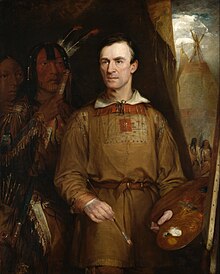 by William Fisk, 1849 by William Fisk, 1849 |
Catlin met Clara Bartlett Gregory in 1828 in her hometown of Albany, New York. After their marriage, she accompanied him on one of his journeys west.
Many historians and descendants believe Catlin had two families; his acknowledged family on the east coast of the United States, but also a family started with a Native American woman.
Gallery
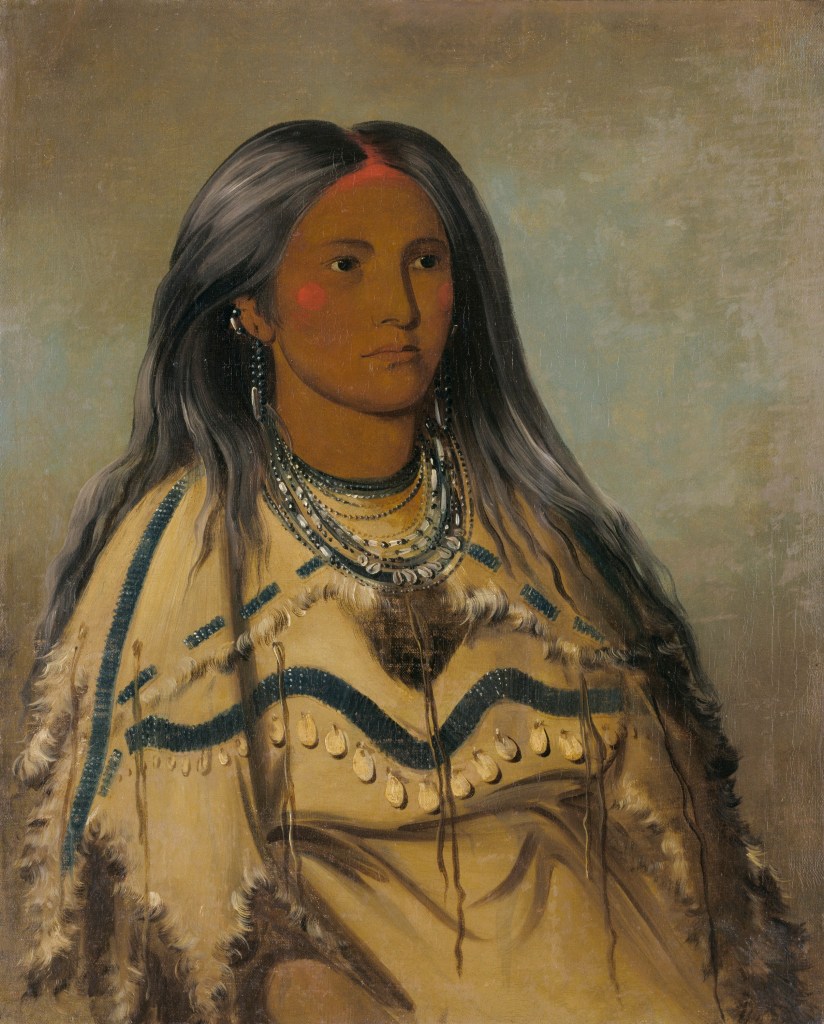
Sha-kó-ka, Mint, a Pretty Girl, 1832 (Smithsonian American Art Museum)
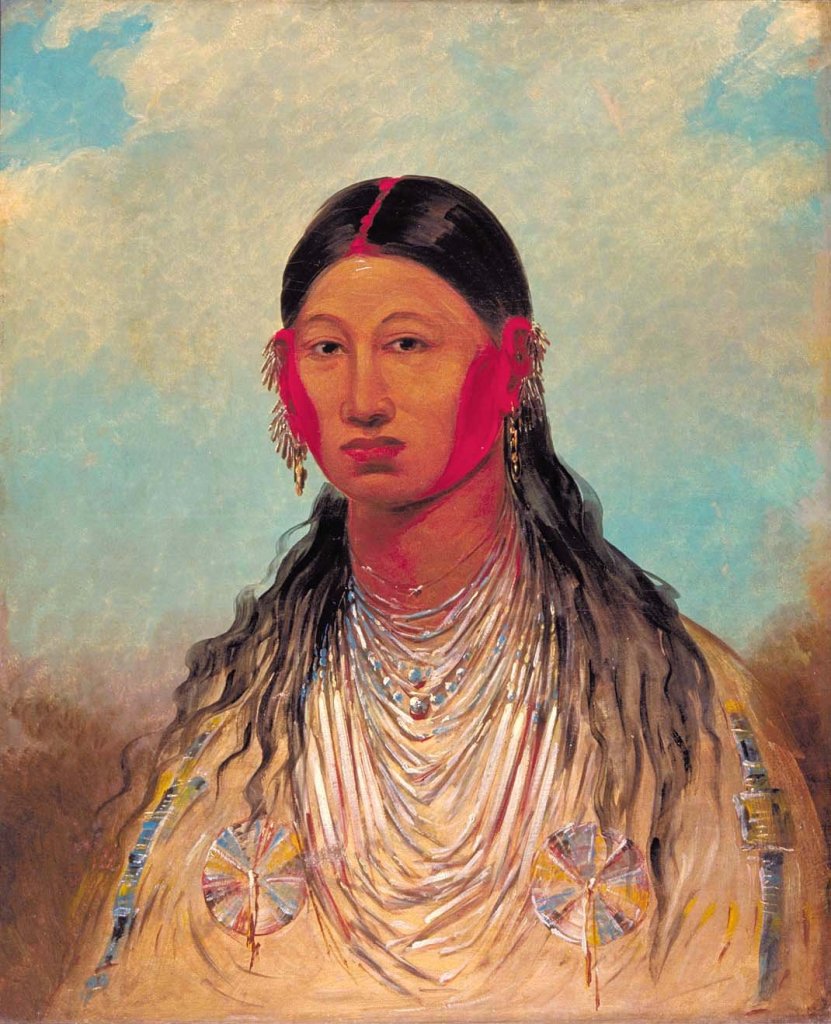
woman War eagle
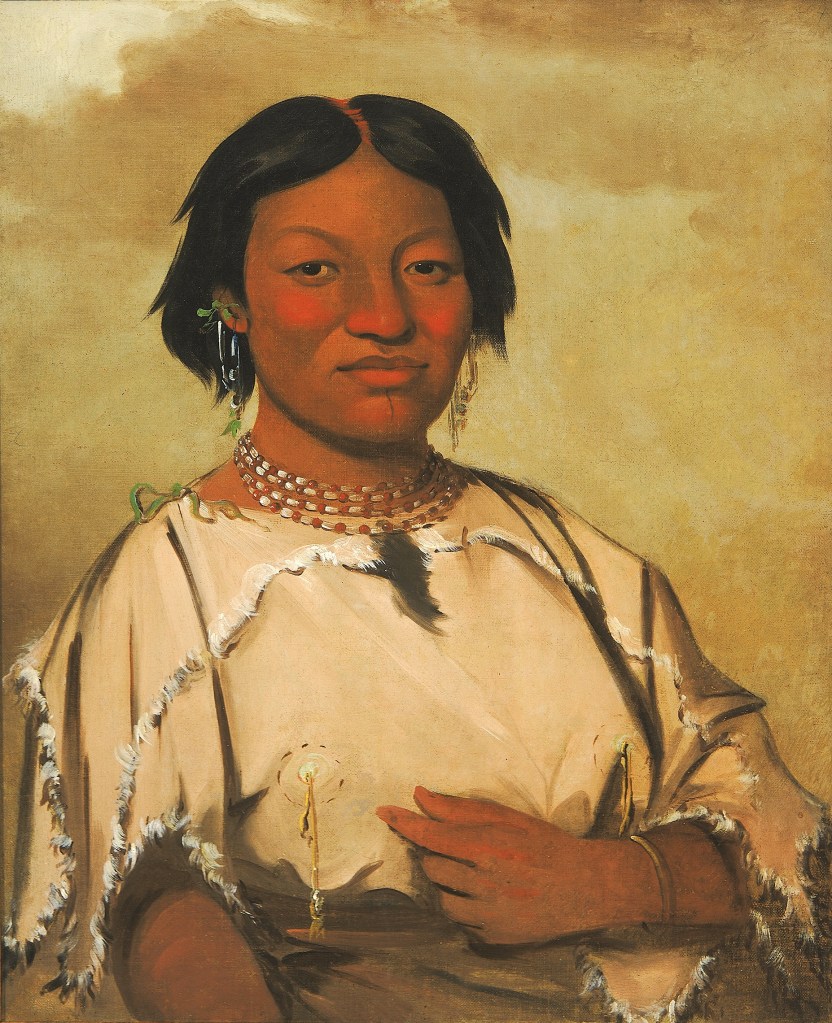
Oó-je-en-á-he‑a, Woman Who Lives in a Bear’s Den, 1832 (Smithsonian American Art Museum)
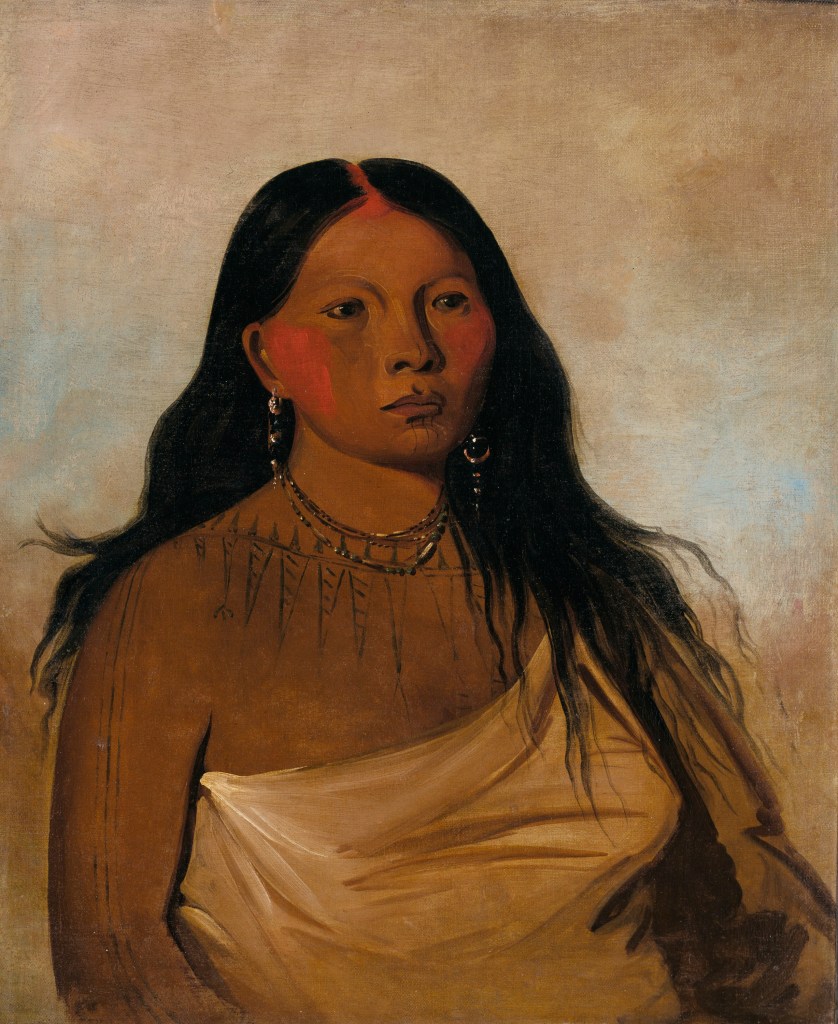
Koon-za-ya-me, Female War Eagle, 1834

Shé-de-ah, Wild Sage, a Wichita Woman, 1834 (Smithsonian American Art Museum)
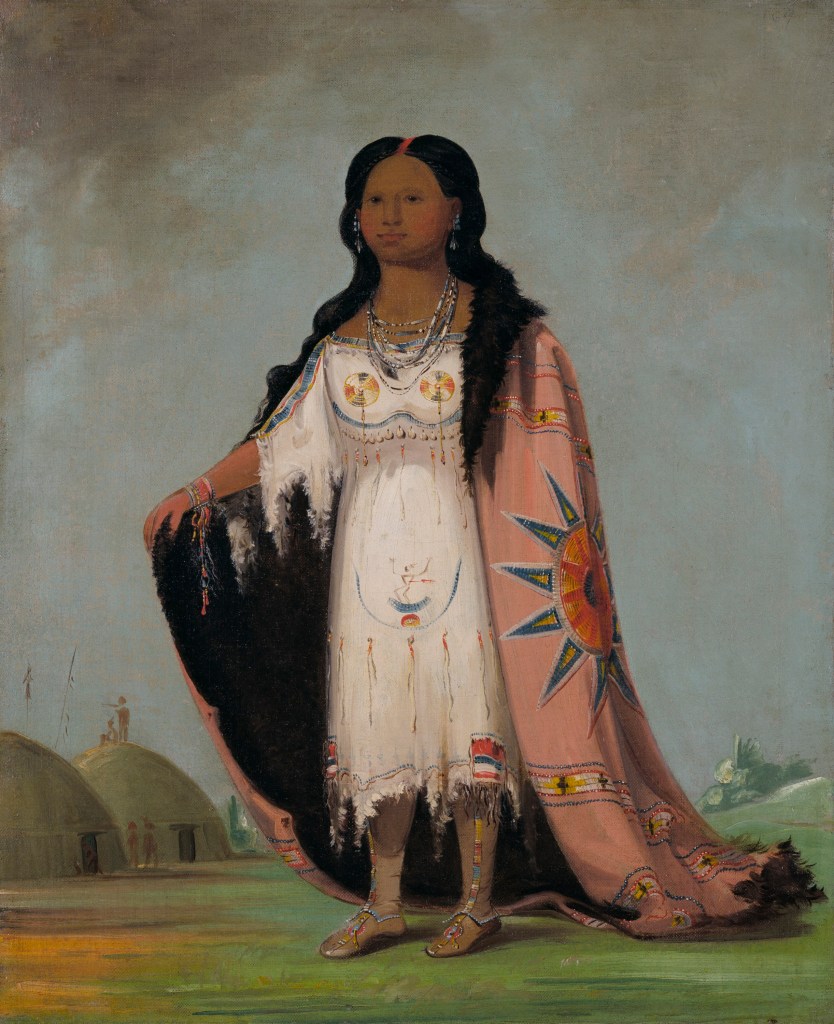
Pshán-shaw, Sweet-scented Grass, Twelve-year-old Daughter of Bloody Hand, 1832 (Smithsonian American Art Museum)
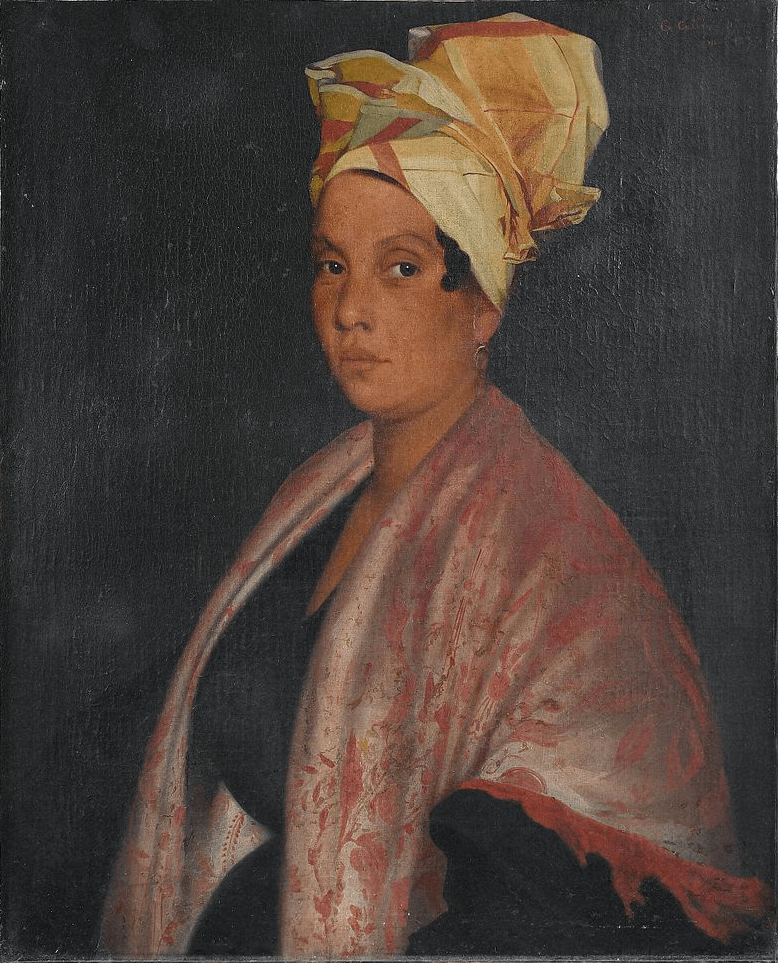
Portrait of a Creole Woman with Madras Tignon, c. 1837 (Virginia Museum of Fine Arts)
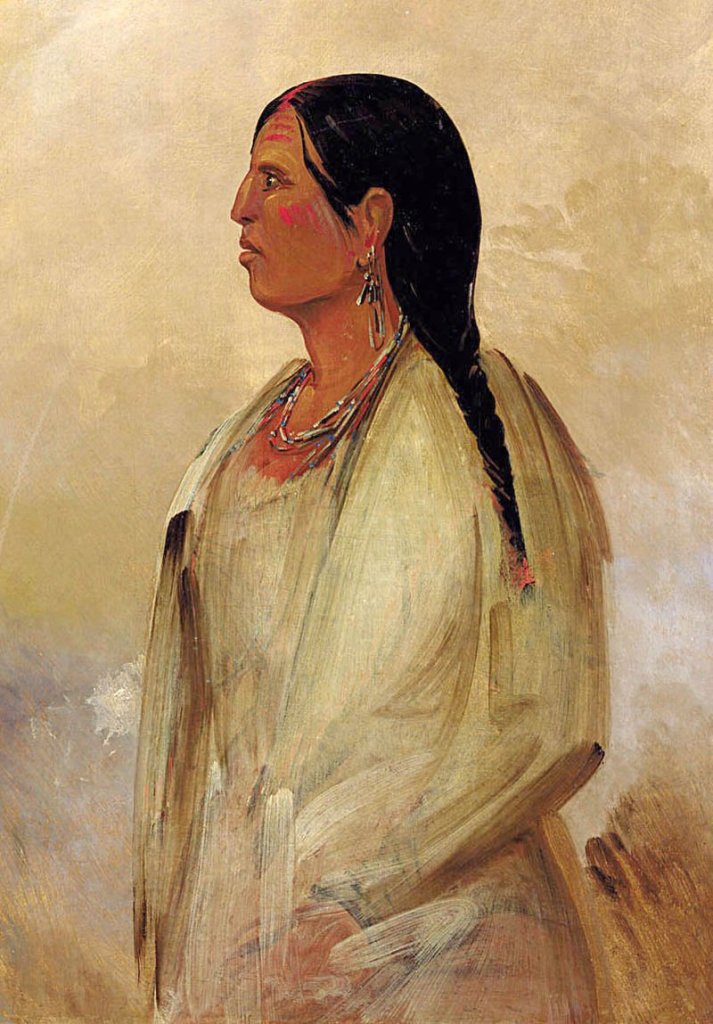
A Choctaw Woman 1834
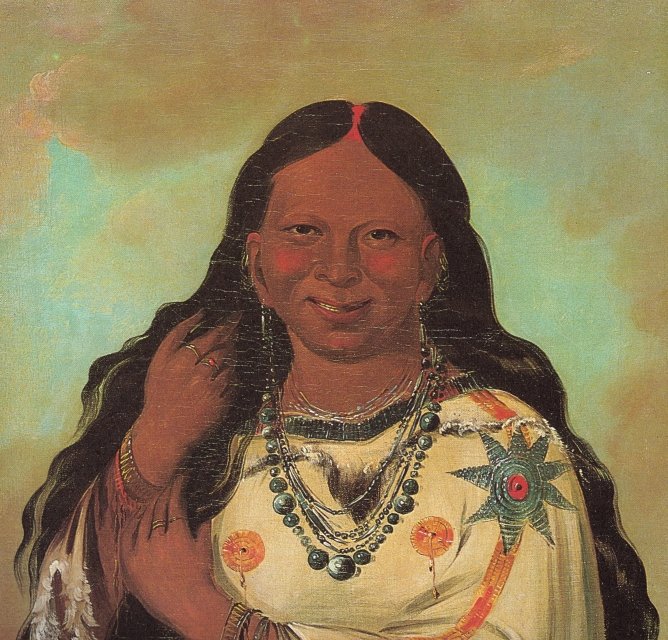
Kei-a-gis-gis, a woman of the Plains Ojibwa
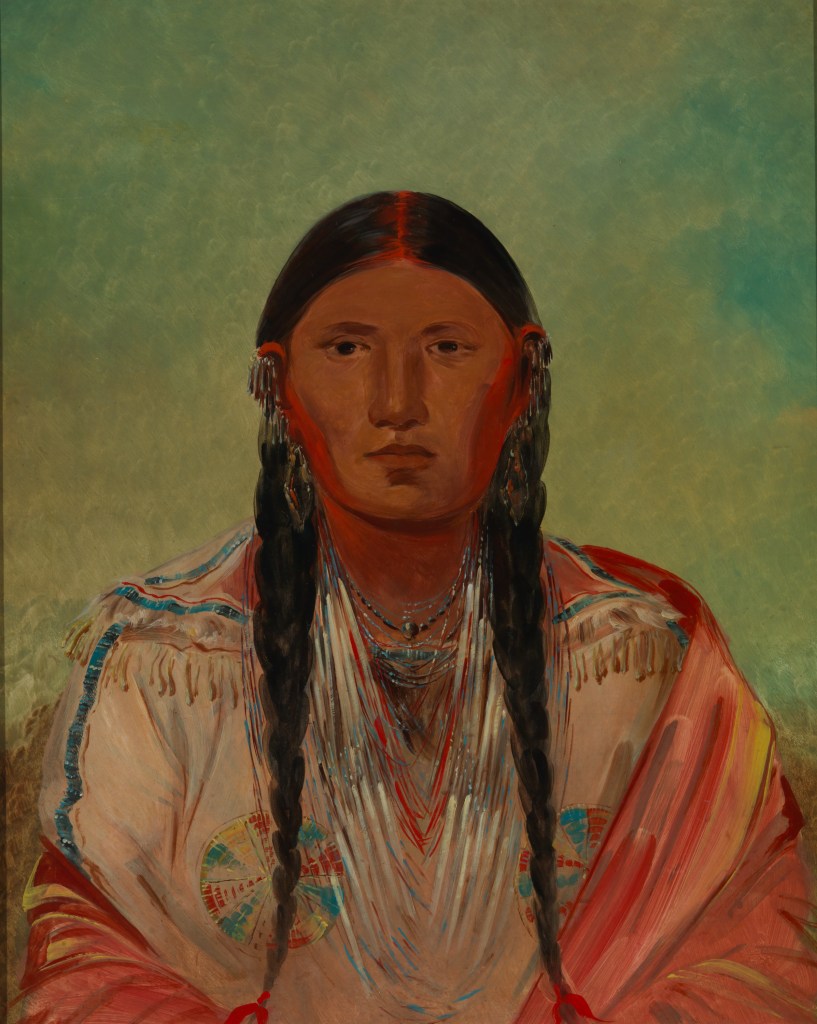
 Tchón-su-móns-ka, Sand Bar, Wife (épouse) of the Trader François Chardon

Painting of Stu-mick-o-súcks (Buffalo Bull’s Back Fat), a Blood chief

Sha-có-pay, a Plains Ojibwe chief. Painted at Fort Union, 1832

The White Cloud, Head Chief of the Iowa
Today is the birthday of George Bernard Shaw (Dublin 26 July 1856 – 2 November 1950 Ayot St Lawrence, Hertfordshire, United Kingdom), known at his insistence simply as Bernard Shaw; playwright, critic and polemicist whose influence on Western theatre, culture and politics extended from the 1880s to his death and beyond. He wrote more than sixty plays, including major works such as Man and Superman (1902), Pygmalion (1912) and Saint Joan (1923). With a range incorporating both contemporary satire and historical allegory, Shaw became the leading dramatist of his generation, and in 1925 was awarded the Nobel Prize in Literature.
| George Bernard Shaw | |
|---|---|
 in 1911, by Alvin Langdon Coburn in 1911, by Alvin Langdon Coburn | |
In January 1896, sociologist, economist, feminist and social reformer Beatrice Webb invited Shaw to stay at her home where he met Charlotte Frances Payne-Townshend. He took a strong liking to Charlotte. He wrote to Janet Achurch: “Instead of going to bed at ten, we go out and stroll about among the trees for a while. She, being also Irish, does not succumb to my arts as the unsuspecting and literal Englishwoman does; but we get on together all the better, repairing bicycles, talking philosophy and religion… or, when we are in a mischievous or sentimental humour, philandering shamelessly and outrageously.” Beatrice wrote: “They were constant companions, pedaling round the country all day, sitting up late at night talking.”
Shaw told actress Ellen Terry:
Kissing in the evening among the trees was very pleasant, but she knows the value of her unencumbered independence, having suffered a good deal from family bonds and conventionality before the death of her mother and the marriage of her sister left her free… The idea of tying herself up again by a marriage before she knows anything – before she has exploited her freedom and money power to the utmost.
When they returned to London, Charlotte sent an affectionate letter to Shaw. He replied:
Don’t fall in love: be your own, not mine or anyone else’s…. From the moment that you can’t do without me, you’re lost… Never fear: if we want one another we shall find it out. All I know is that you made the autumn very happy, and that I shall always be fond of you for that.
In July 1897, Charlotte proposed marriage. He rejected the idea because he was poor and she was rich and people might consider him a “fortune-hunter”. He told Terry that the proposal was like an “earthquake” and he “with shuddering horror and wildly asked the fare to Australia”. Charlotte decided to leave Shaw and went to live in Italy.
In April 1898, Shaw had an accident; he was living at 29 Fitzroy Square with his mother. According to Shaw his left foot swelled up “to the size of a church bell”. He wrote to Charlotte complaining that he was unable to walk. When she heard the news she travelled back to visit him at his home. Soon after she arrived on 1 May she arranged for him to go into hospital. Charlotte married Shaw on 1 June 1898, while recuperating from surgery. He was nearly forty-two; she was six months younger. The couple resided at first at 10 Adelphi Terrace, London, overlooking the Embankment. In the view of the biographer and critic St John Ervine, “their life together was entirely felicitous”. Their marriage is generally believed never to have been consummated; whether this was wholly at Charlotte’s wish, as Shaw liked to suggest, is less widely credited. However, according to Michael Holroyd they had a “careful sexual experience”. Charlotte soon made herself almost indispensable to Shaw. She learnt to read his shorthand and to type, took dictation and helped him prepare his plays for the press.
In 1906, the couple moved into a house, now called Shaw’s Corner, in Ayot St. Lawrence, a small village in Hertfordshire. They also maintained a pied-à-terre in Fitzroy Square, London, and travelled the world extensively during the 1930s. According to Shaw’s friend Archibald Henderson Shaw’s 1933 play A Village Wooing is based on their courtship. The play is about a writer and a woman who meet on a cruise but only become a couple when they develop a working relationship:
Like Charlotte, “Z” is an adventurous uninhibited young woman of the new dispensation, who knows what she wants, is breezily amusing in her frankness; and after “A” has come like a homing pigeon to the village and purchased the shop, plucks him like a daisy, as did Charlotte, who, as we recall, purchased the marriage license…The vision of marriage drawn by “A” is memorable as a literary facsimile of the “marital compact” for the fin-de-siècle union of the Shaws. The “romance” of the marriage of “A” and “Z” reveals consummation, not as mere sensual gratification of the senses, but as a mystic rite of sublimation, in the discovery of life’s aesthetic magic and wonder.
She died from Paget’s disease in 1943, and was cremated at Golders Green Crematorium, where her ashes were kept until Shaw’s death in 1950. Their ashes were taken to Shaw’s Corner, mixed and then scattered along footpaths and around the statue of Saint Joan in their garden.
Quotes
The Philanderer (1893)
- It’s well to be off with the Old Woman before you’re on with the New.
- Act II
- The fickleness of the women I love is only equaled by the infernal constancy of the women who love me.
- Act II
- The test of a man or woman’s breeding is how they behave in a quarrel.
- Act IV
Man and Superman (1903)
- The only man I know who behaves sensibly is my tailor; he takes my measurements anew each time he sees me. The rest go on with their old measurements and expect me to fit them.
- This is the true joy in life, the being used for a purpose recognized by yourself as a mighty one; the being thoroughly worn out before you are thrown on the scrap heap; the being a force of Nature instead of a feverish selfish little clod of ailments and grievances complaining that the world will not devote itself to making you happy.
- There are two tragedies in life. One is not to get your heart’s desire. The other is to get it.
- Statement by Mendoza, whom some have declared an Oscar Wilde-like figure; this line is apparently derived from one of Wilde’s in Act III of Lady Windermere’s Fan (1892): In this world there are only two tragedies. One is not getting what one wants, and the other is getting it.
- There is no love sincerer than the love of food.
- The confusion of marriage with morality has done more to destroy the conscience of the human race than any other single error.
Getting Married (1908)
- There is no subject on which more dangerous nonsense is talked and thought than marriage.
- Preface
- Home life as we understand it is no more natural to us than a cage is natural to a cockatoo.
- Preface
- When two people are under the influence of the most violent, most insane, most delusive, and most transient of passions, they are required to swear that they will remain in that excited, abnormal, and exhausting condition continuously until death do them part.
- Preface
- Love is an appetite which, like all other appetites, is destroyed for the moment by its gratification.
- Preface
Heartbreak House (1919)
- When your heart is broken, your boats are burned: nothing matters any more. It is the end of happiness and the beginning of peace.
- Ellie Dunn, Act II
Back to Methuselah (1921)
- I hear you say “Why?” Always “Why?” You see things; and you say “Why?” But I dream things that never were; and I say “Why not?”
- The Serpent, in Pt. I : In the Beginning, Act I
- Conceive. That is the word that means both the beginning in imagination and the end in creation.
- The Serpent, in Pt. I, Act I
- THE SERPENT: The voice in the garden is your own voice.
ADAM: It is; and it is not. It is something greater than me: I am only a part of it.
EVE: The Voice does not tell me not to kill you. Yet I do not want you to die before me. No voice is needed to make me feel that.
ADAM [throwing his arm round her shoulder with an expression of anguish]: Oh no: that is plain without any voice. There is something that holds us together, something that has no word —
THE SERPENT: Love. Love. Love.
ADAM: That is too short a word for so long a thing.- The Serpent, Adam, and Eve, in Pt. I, Act I
Today is the birthday of Antonio Machado (Antonio Cipriano José María y Francisco de Santa Ana Machado y Ruiz; Seville 26 July 1875 – 22 February 1939 Collioure, France); poet and one of the leading figures of the Spanish literary movement known as the Generation of ’98.
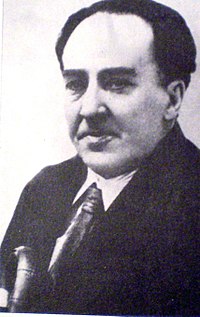 Antonio Machado Antonio Machado | |
| Caminante, son tus huellas el camino y nada más; caminante, no hay camino, se hace camino al andar. Al andar se hace camino, y al volver la vista atrás se ve la senda que nunca se ha de volver a pisar. Caminante, no hay camino, sino estelas en la mar. | Wanderer, your footsteps are the road and nothing more; wanderer, there is no road, the road is made by walking. Walking makes the road, and turning to look behind you see the path that you will never tread again. Wanderer, there is no road, only foam trails on the sea. |
from “Proverbios y cantares” in Campos de Castilla, 1912
Today is the birthday of Aldous Huxley (Aldous Leonard Huxley; Godalming, England 26 July 1894 – 22 November 1963 Los Angeles); writer, novelist, philosopher, and poet.
Aldous Huxley | |
|---|---|
Huxley married Maria Nys (10 September 1899 – 12 February 1955), a Belgian he met at Garsington, Oxfordshire, in 1919. In 1955, Maria died of cancer.
In 1956, Huxley married Laura Archera (1911–2007), also an author as well as a violinist and psychotherapist. She wrote This Timeless Moment, a biography of Huxley. Laura illuminated the story of their marriage through Mary Ann Braubach’s 2010 documentary, “Huxley on Huxley”.
He wrote the followin’ poem which I have always enjoyed and I hope you do as well.
Winter Dream
Oh wind-swept towers,
Oh endlessly blossoming trees,
White clouds and lucid eyes,
And pools in the rocks whose unplumbed blue is pregnant
With who knows what of subtlety
And magical curves and limbs—
White Anadyomene and her shallow breasts
Mother-of-pearled with light.
And oh the April, April of straight soft hair,
Falling smooth as the mountain water and brown;
The April of little leaves unblinded,
Of rosy nipples and innocence
And the blue languor of weary eyelids.
Across a huge gulf I fling my voice
And my desires together:
Across a huge gulf … on the other bank
Crouches April with her hair as smooth and straight and brown
As falling waters.
Oh brave curve upwards and outwards.
Oh despair of the downward tilting—
Despair still beautiful
As a great star one has watched all night
Wheeling down under the hills.
Silence widens and darkens;
Voice and desires have dropped out of sight.
I am all alone, dreaming she would come and kiss me.
And today is the birthday of Elliott Erwitt (born Elio Romano Erwitz; Paris; July 26, 1928 – November 29, 2023 Manhattan); advertising and documentary photographer known for his black and white candid photos of ironic and absurd situations within everyday settings. He was a member of Magnum Photos from 1953.

Erwitt was married to the German filmmaker and writer Pia Frankenberg for several years.
gallery
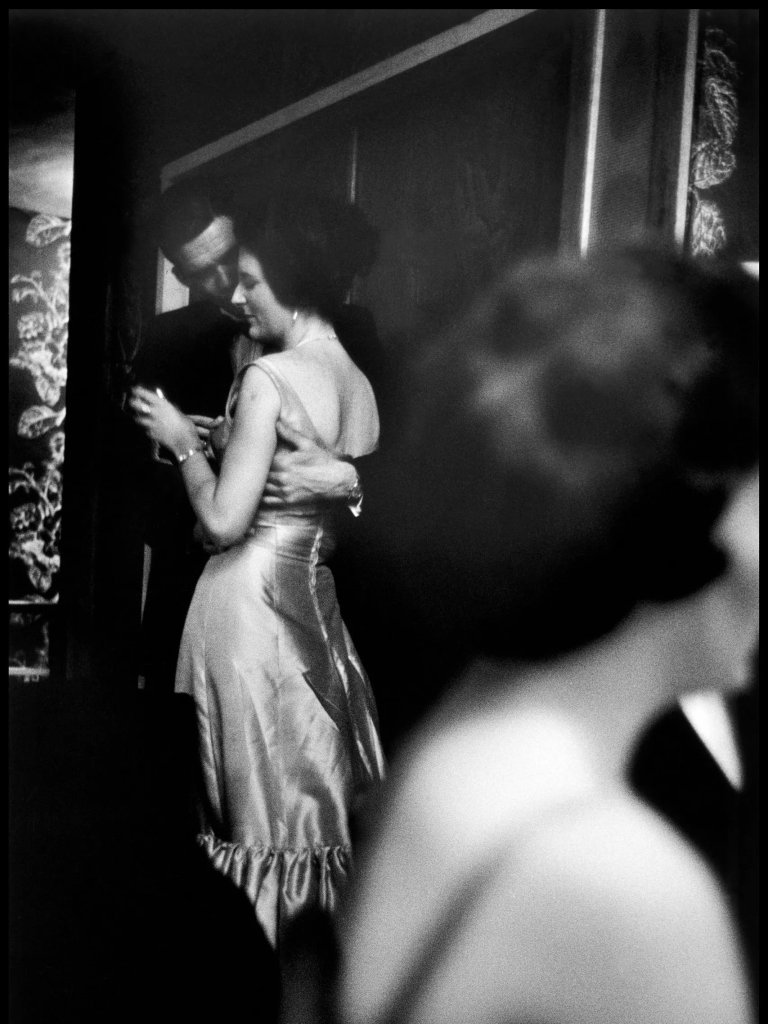
Les soies et les gances
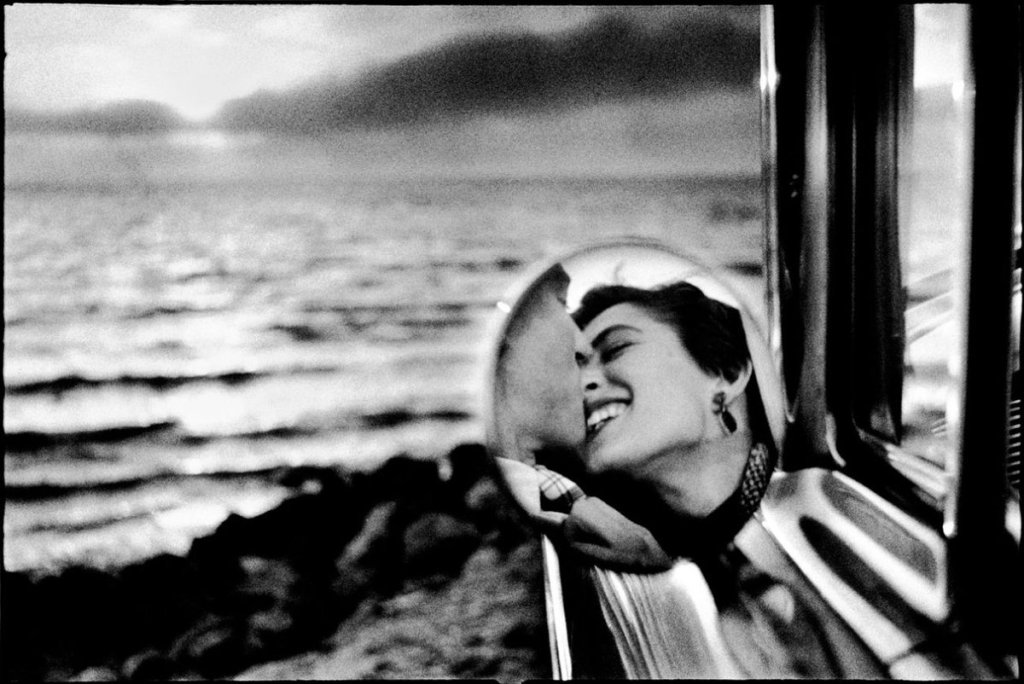
California love 1955

Marilyn 1956
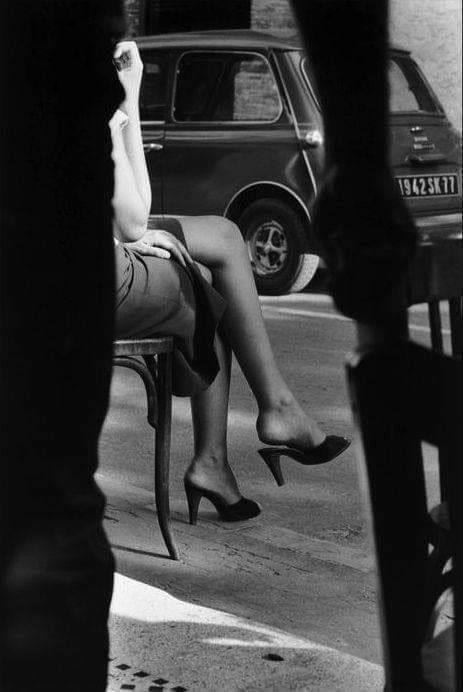
St. Tropez France, 1981
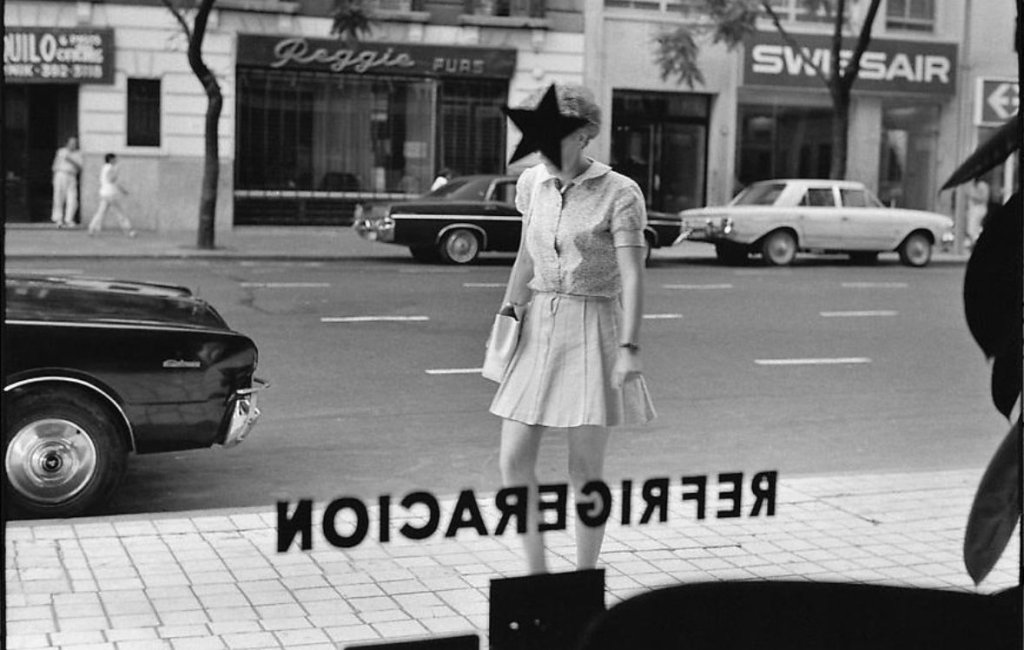
Buenos Aires 1972
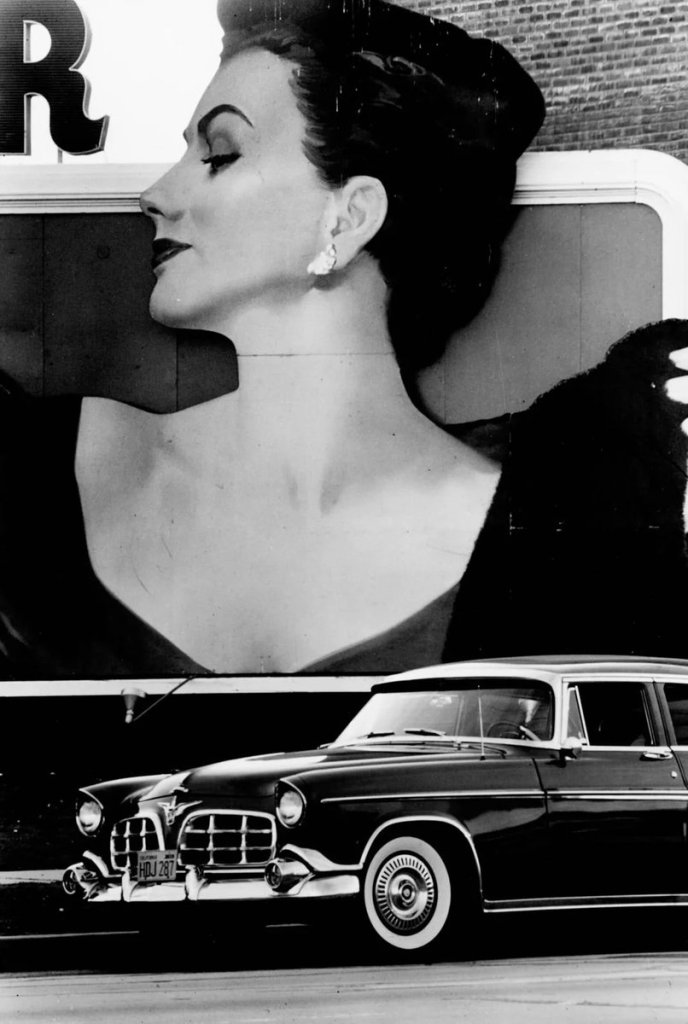
Los Angeles, 1959
Mac Tag
thanks for stoppin’ by y’all
Song of the day – Kelly Andrew – “Winter’s Dream”
Youngling, thou canst not love so dear as I. – Shakespeare
Ever love . . . . ever the sobbing liquid of life… – Walt Whitman
 The Lovers’ Chronicle
Leave a reply to The Lovers’ Chronicle 10 March – renewal – birth of Lorenzo Da Ponte & Nancy Cunard – art by William Etty – The Lovers’ Chronicle Cancel reply