
Dear Zazie, Here is today’s Lovers’ Chronicle from Mac Tag. Tell us a story. Rhett
The Lovers’ Chronicle
Dear Muse,
the first song i thought of
is from one of our favorites,
Rod Stewart and Ronnie Wood,
’’Every Picture Tells a Story’’
’’Oh fabulous choice’’
a song about a guy who goes lookin’
for love or somethin’ resemblin’ it,
goin’ to Paris, Rome and Peking
before returnin’ home wiser
‘’We both went through self discovery’’
yes, important to git there however,
and we have captured our story
so far in photos from our journeys
‘’Where will they take us from here’’
lets find out

© copyright 2023.2024 mac tag/cowboy coleridge all rights reserved
yes, this is it, tellin’ the tales that led here, tryin’ to think of one not told yet, with the beginnin’ of summer, in youth that meant playin’ tennis, goin’ to Lake June to swim, water ski and fish, vacations to the Rockies, Colorado and New Mexico, and Lake Travis, and Austin; i miss the dry heat of the High Plains, but far better here than the humidity of Central Texas, a definite been there not doin’ that, all of that necessary for us to continue our story

© copyright 2022.2024 mac tag/cowboy coleridge all rights reserved
we know how it feels
with the wind, softly
through the balcony
the visions float
with the words
the faint perfume
of what is to come
we know why
we beat on
for this
we must hold together
for what matters most
the story continues
© copyright 2021.2023 mac tag/cowboy coleridge all rights reserved
Pale Love, Pale Rider
i now know how it feels
when the sun is bright
when the wind, softly
through the windows
and the visions float
with the songs
and the faint perfume
of memories
i now know why
i beat on
for this
and i must
adhere to this
what matters most
for the story continues
© copyright 2020 mac tag/cowboy coleridge all rights reserved
oh yes, plenty of those
certainly a storyteller
a new chapter
here where Scarlett
and Rhett were born
shall we frame the plot…
our flawed,
better left alone hero
leaves his High Plains
to head down south
to help a friend
and continue his search
for wine, words and wonder
to be continued…
© copyright 2019.2023 mac tag/cowboy coleridge all rights reserved
stories, so it is,
if you think so
the pleasure
mine, you
the virtue
always searchin’
what we give each other
our own way
bella vita
we know well
full of curiosity
others do not see
as you want me,
as i you
tonight
we seek
till we find
© copyright 2018 mac tag/cowboy coleridge all rights reserved
one year on
from the life flight ride
and a shoulda, woulda, coulda…
this is it, the big one
i am comin’ to join ya Elizabeth…
(sound of screechin’ to a halt)
oh wait, there is no Elizabeth
there is nobody, oh well
maybe i will see Elvis
© copyright 2017.2023 mac tag/cowboy coleridge all rights reserved
Today is the birthday of Peter Paul Rubens (Siegen, Nassau-Dillenburg (now North Rhine-Westphalia, Germany); 28 June 1577 – 30 May 1640 Antwerp, Spanish Netherlands (now Belgium)); Baroque painter. A proponent of an extravagant Baroque style that emphasized movement, colour, and sensuality, Rubens is well known for his Counter-Reformation altarpieces, portraits, landscapes, and history paintings of mythological and allegorical subjects.
In 1630, four years after the death of his first wife Isabella, the 53-year-old painter married his first wife’s niece, the 16-year-old Hélène Fourment. Hélène inspired the voluptuous figures in many of his paintings from the 1630s, including The Feast of Venus (Kunsthistorisches Museum, Vienna), The Three Graces and The Judgment of Paris (both Prado, Madrid). In the latter painting, which was made for the Spanish court, the artist’s young wife was recognized by viewers in the figure of Venus. In an intimate portrait of her, Hélène Fourment in a Fur Wrap, also known as Het Pelsken, Hélène is even partially modelled after classical sculptures of the Venus Pudica, such as the Medici Venus.
Rubens died from heart failure, which was a result of his chronic gout. He was interred in Saint Jacob’s church, Antwerp. The artist had eight children, three with Isabella and five with Hélène; his youngest child was born eight months after his death.
Gallery

Self-portrait, 1623, Royal Collection

Hygeia, 1615. Prague, Lobkowicz Palace
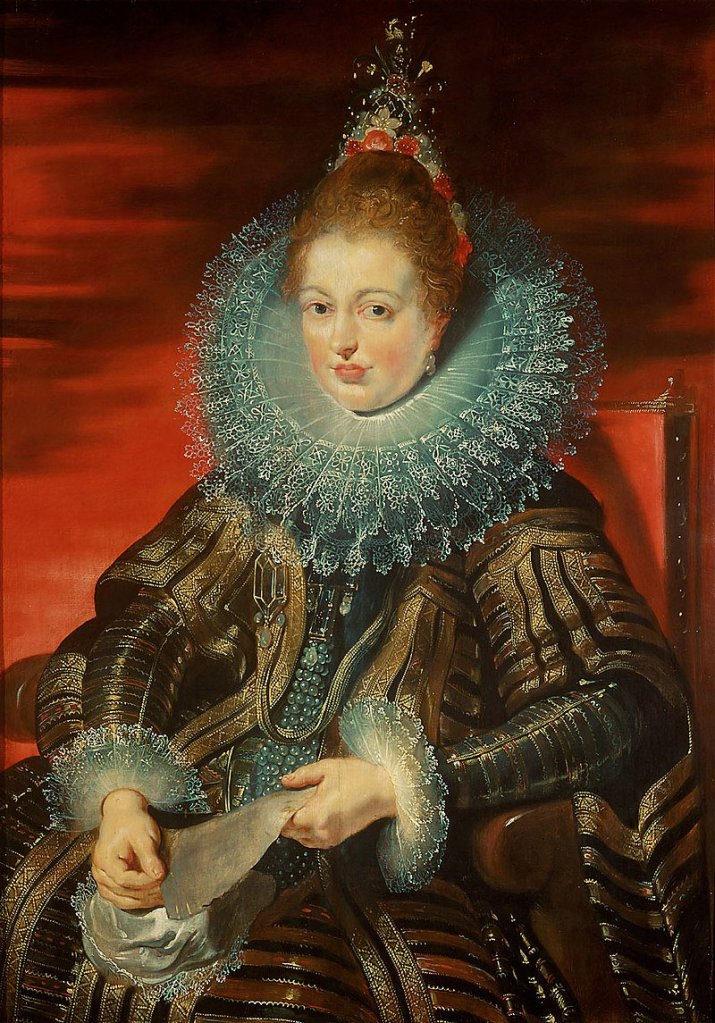
Infanta Isabella Clara Eugenia (1566–1633), 1615. Kunsthistorisches Museum, Vienna

Venus at the Mirror, 1615

Jupiter and Callisto, 1613, Museumslandschaft Hessen Kassel
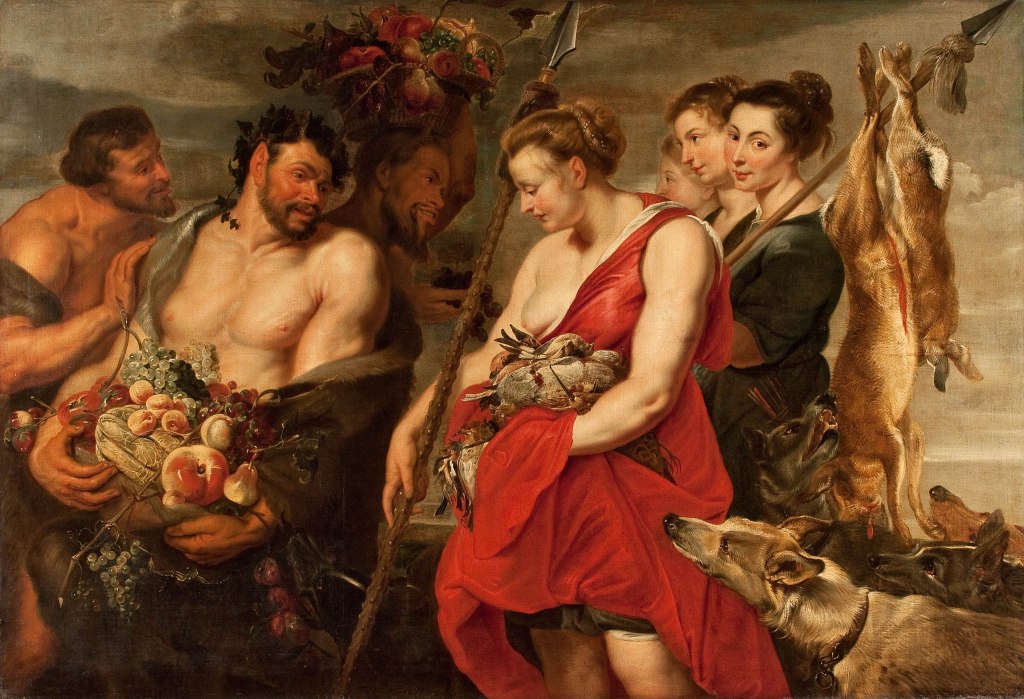
Diana Returning from the Hunt, 1615, oil on canvas, Gemäldegalerie Alte Meister

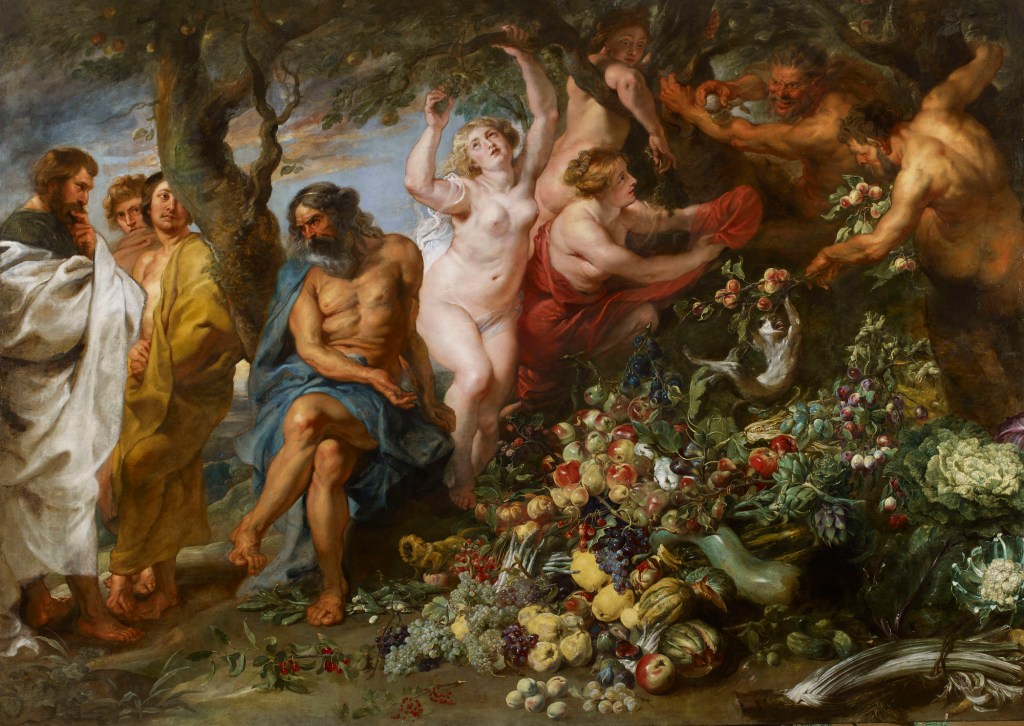
Jan Brueghel the Elder and Peter Paul Rubens, The Garden of Eden with the Fall of Man, Mauritshuis, The Hague
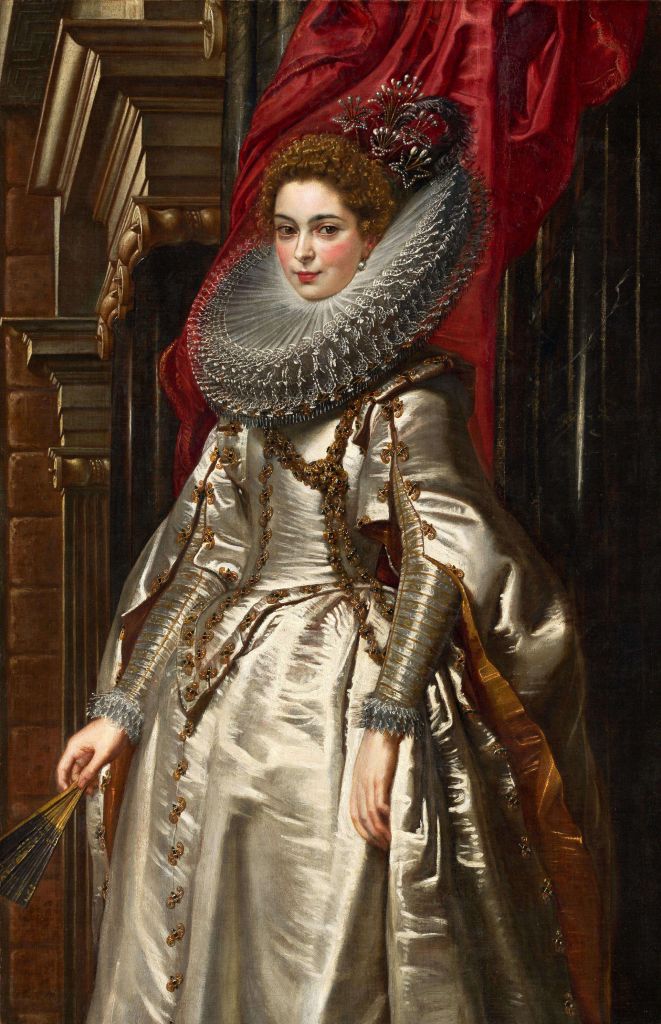
Portrait of Marchesa Brigida Spinola-Doria, 1603, Prado Museum

Lady Arundel with her Train, 1620

Lot and His Daughters, c. 1613–14
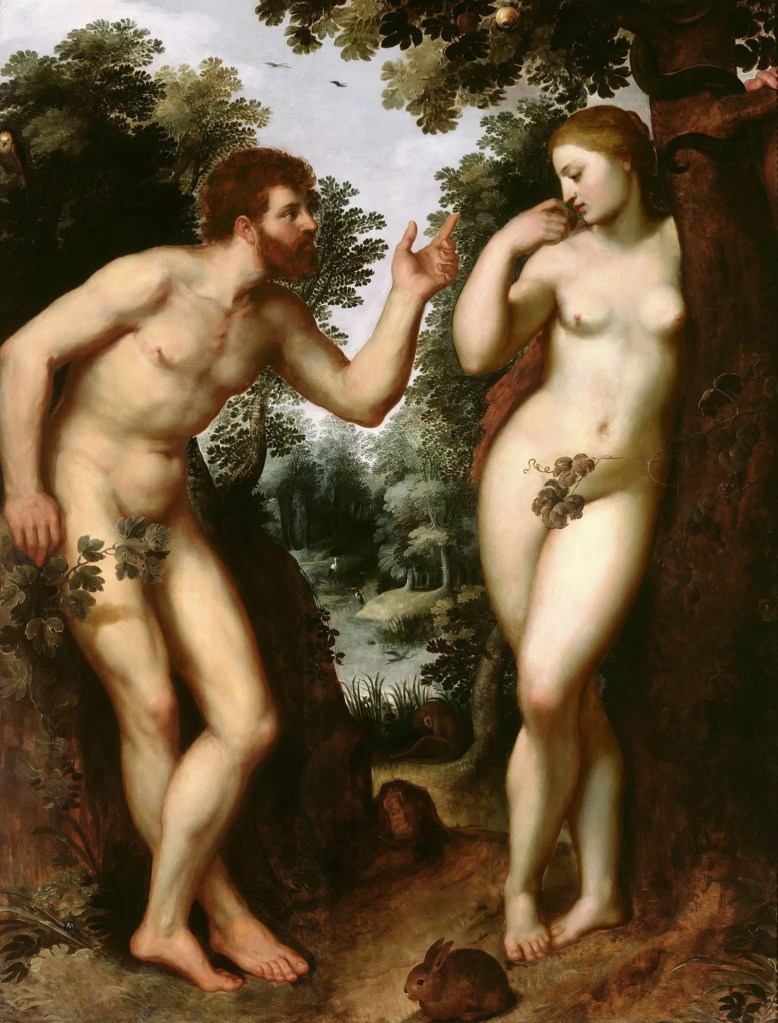
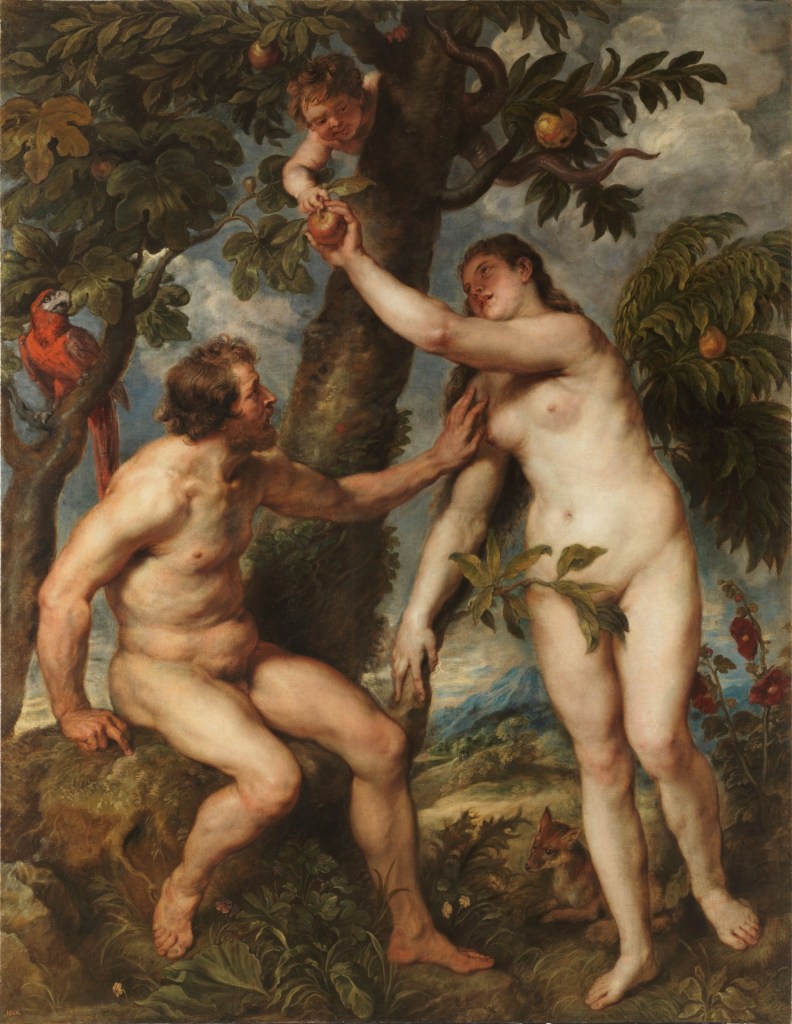
The Fall of Man, 1628–29, Prado, Madrid
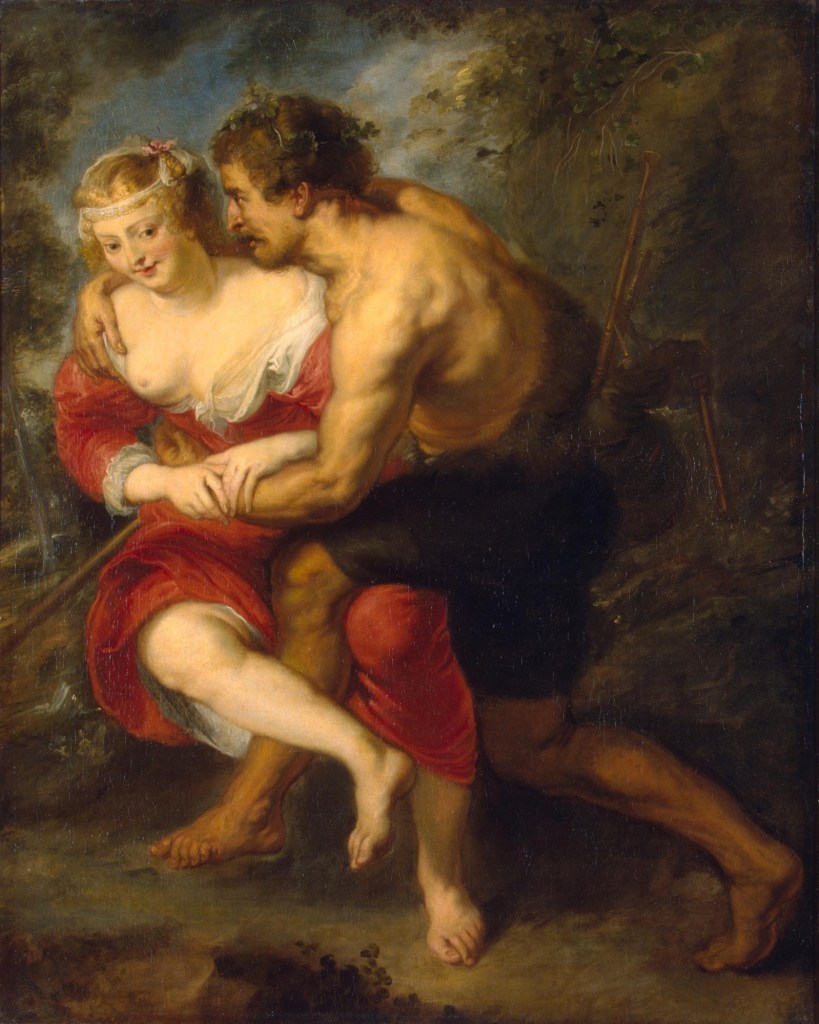
Pastoral Scene, 1636

Le Tre Grazie,1630. Museo del Prado

Helena Fourment in a Fur Wrap, also known as Het Pelsken, 1636–1638, Kunsthistorisches Museum

Ermit and sleeping Angelica, 1628

Bathsheba at the Fountain, 1635
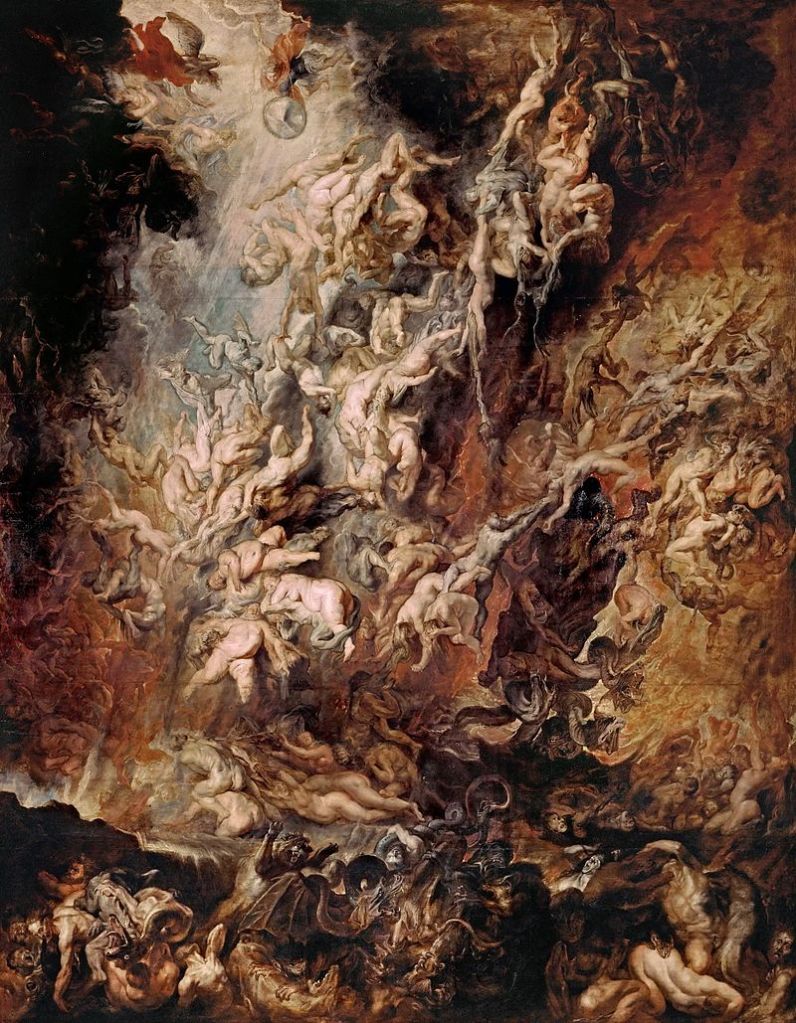
The Fall of the Damned, ca. 1620

Rubens and Isabella Brandt, the Honeysuckle Bower, c. 1609. Alte Pinakothek
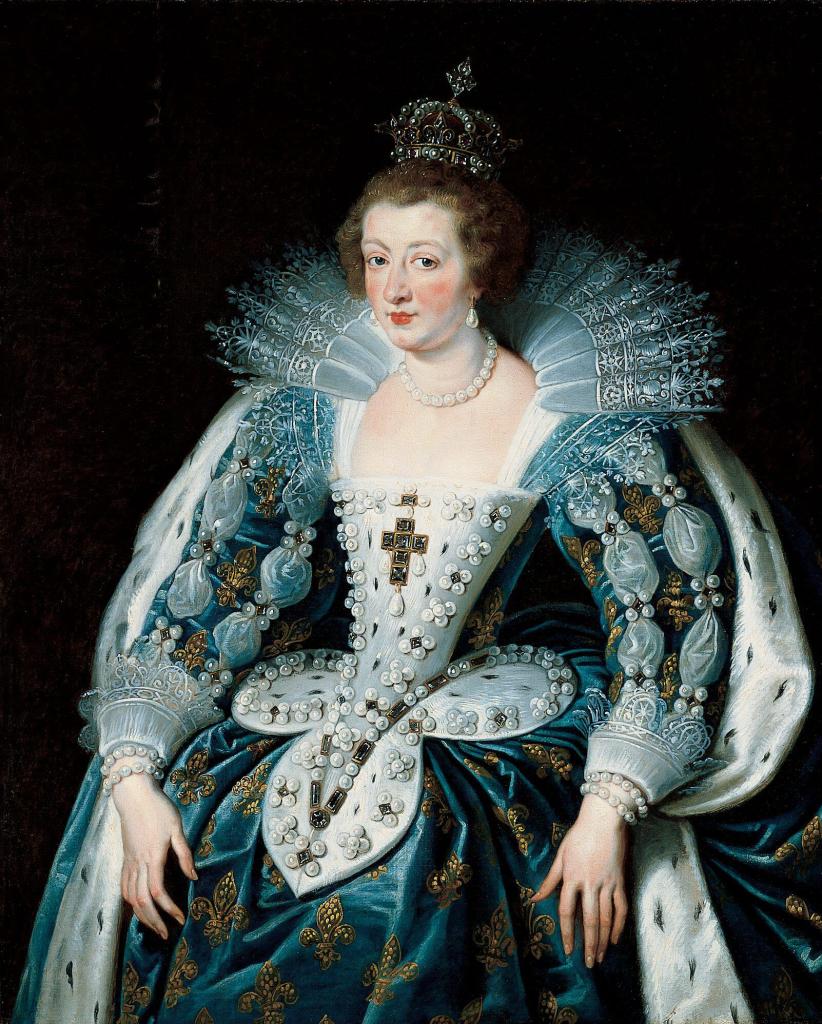
Portrait of Anna of Austria, Queen of France, c. 1622–1625

Helena Fourment in Wedding Dress, c. 1630, Alte Pinakothek
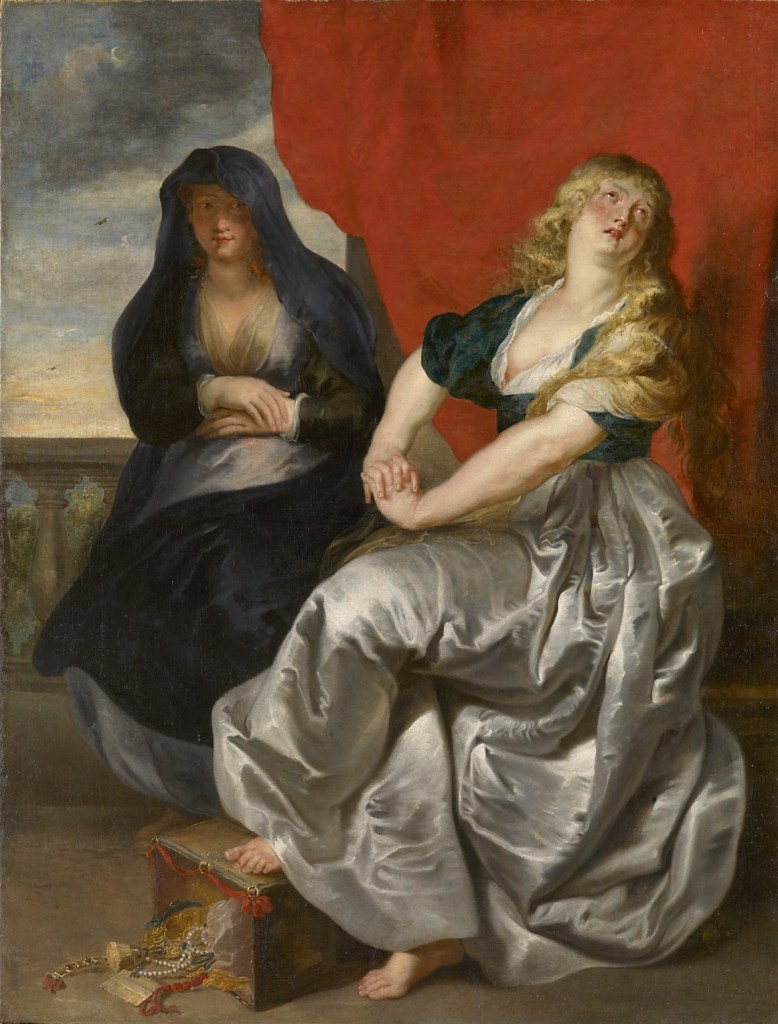
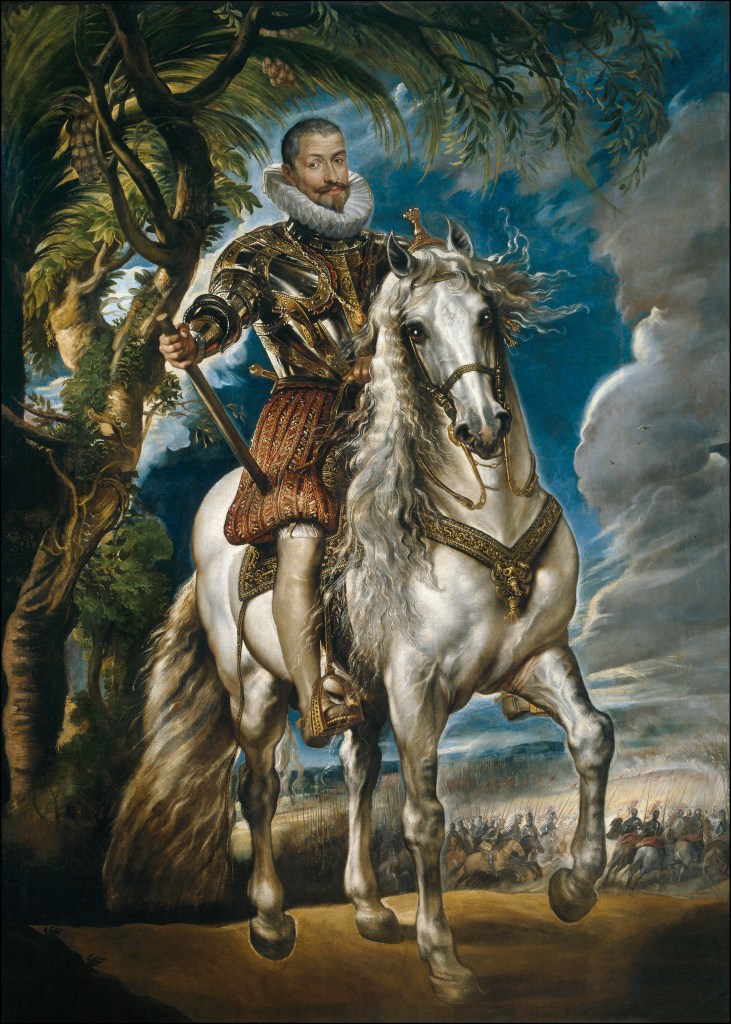
Today marks the anniversary of the premiere of Giselle, a romantic ballet in two acts. It was first performed by the Ballet du Théâtre de l’Académie Royale de Musique at the Salle Le Peletier in Paris, France on Monday, 28 June 1841, with Italian ballerina Carlotta Grisi as Giselle. The ballet was an unqualified triumph. Giselle became hugely popular and was staged at once across Europe, Russia, and the United States. The traditional choreography that has been passed down to the present day derives primarily from the revivals staged by Marius Petipa during the late 19th and early 20th centuries for the Imperial Ballet in St. Petersburg.
Librettists Jules-Henri Vernoy de Saint-Georges and Théophile Gautier took their inspiration for the plot from a prose passage about the Wilis in De l’Allemagne, by Heinrich Heine, and from a poem called “Fantômes” in Les Orientales by Victor Hugo.
The prolific opera and ballet composer Adolphe Adam composed the music. Jean Coralli and Jules Perrot created the choreography. The role of Giselle was intended for Grisi as her debut piece for the Paris public. She became the first to dance the role and was the only ballerina to dance it at the Opéra for many years.
The ballet is about a peasant girl named Giselle, who dies of a broken heart after discovering her lover is betrothed to another. The Wilis, a group of mystic and supernatural women who dance men to death, summon Giselle from her grave. They target her lover for death, but Giselle’s great love frees him from their grasp. The Wilis are particularly haunting characters. They are the spirits of virgin girls who died before they married. These creatures were very popular in Romantic era ballets. Led by Myrtha, the Queen of the Wilis, they gain their power in numbers as they effortlessly move through dramatic patterns and synchronized movements, and control the stage with their long tulle dresses and stoic expressions. Although still appearing ethereal, watching the Wilis sweep the stage creates an eerie mood that builds as the ballet continues and they enclose on Albrecht. They are ruthless and hateful of men because they have all died of a broken heart. Giselle finds forgiveness in her heart for Albrecht, but she knows the Wilis will not do the same. Their goal is clear and they are relentless on their quest. The Wilis are one of the most iconic characters in Giselle. They leave an imprint in the viewers mind as they dominate the second act.
Gallery

Carlotta Grisi in the first act of Giselle (1842)

Anna Pavlova as Giselle (before 1931)

Vaslav Nijinsky as Albrecht, 1910

The Ballet of the Nuns in the Salle Le Peletier, 1832

Gautier, 1838
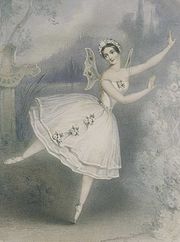
Grisi as Giselle, 1841

Act 2 from Les Beautés de l’Opéra

Benois’ design for Act I at the Paris Opera, 1910

Ballet in the Salle Le Peletier in 1864

Today is the birthday of Luigi Pirandello (Agrigento, Sicily 28 June 1867 – 10 December 1936 Rome); dramatist, novelist, poet and short story writer whose greatest contributions were his plays. He was awarded the 1934 Nobel Prize in Literature for “his almost magical power to turn psychological analysis into good theatre.” Pirandello’s works include novels, hundreds of short stories, and about 40 plays, some of which are written in Sicilian. Pirandello’s tragic farces are often seen as forerunners of the Theatre of the Absurd.
Following his father’s suggestion, Pirandello married a shy, withdrawn girl of a good family of Agrigentine origin educated by the nuns of San Vincenzo: Antonietta Portulano, in 1894. The first years of matrimony brought on in him a new fervour for his studies and writings. His encounters with his friends and the discussions on art continued, more vivacious and stimulating than ever, despite the complete incomprehension of his wife with respect to the artistic vocation of her husband.
- Così è (se vi pare)
- So It Is (If You Think So)
- Title of play (1916); also translated as It Is So, If You Think It Is.
- So It Is (If You Think So)
- E non le sembra già questa un’opinione?
- Refusing to have an opinion is a way of having one, isn’t it?
- Each In His Own Way, Act I
thanks for stoppin’ by y’all
Mac Tag
 The Lovers’ Chronicle
Leave a comment