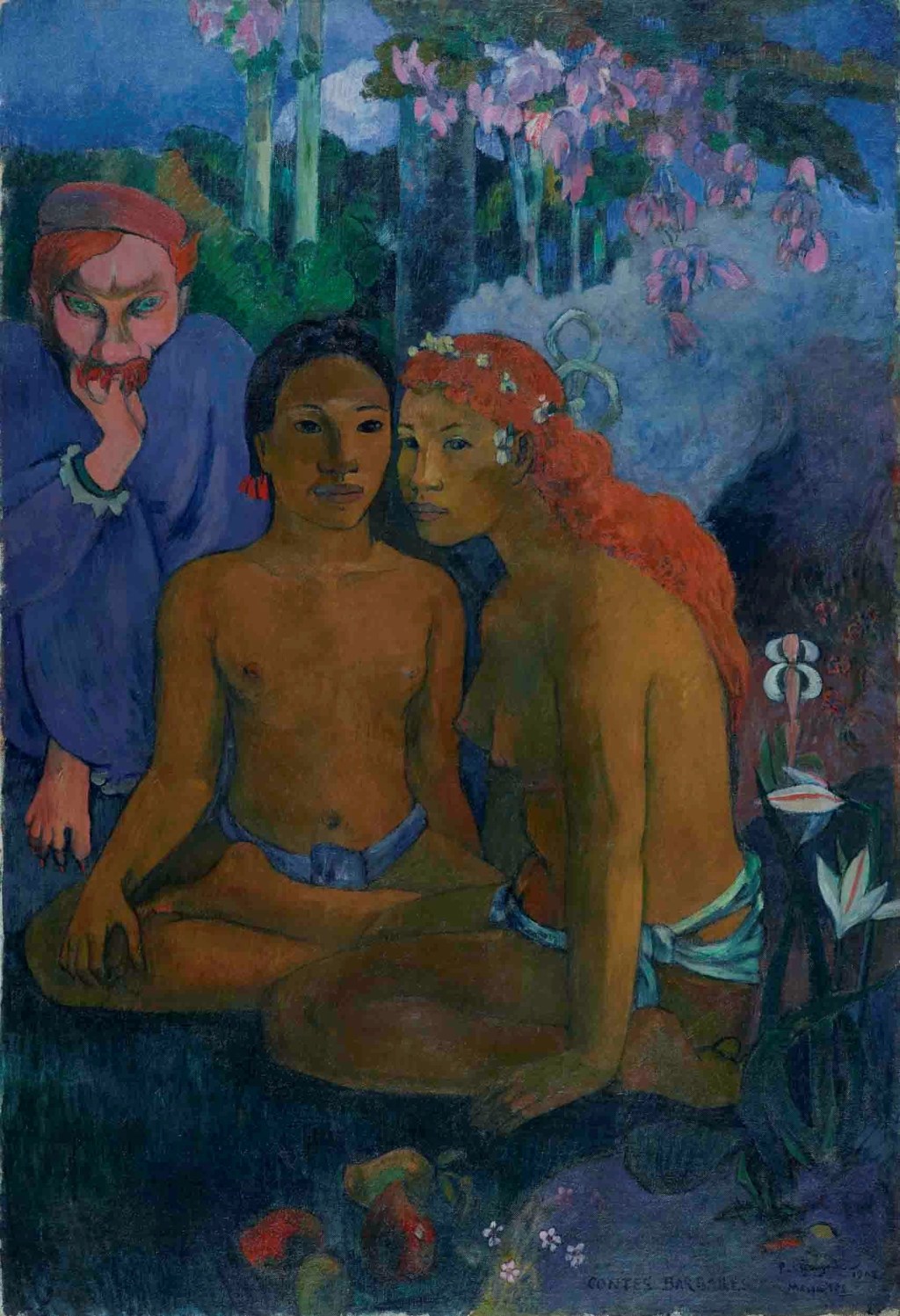
Dear Zazie, Here is today’s Lovers’ Chronicle from Mac Tag. What remains for you? Rhett
The Lovers’ Chronicle
Dear Muse,
no not, of the day,
not this one
“I see”
comes from a 2013 poem
“It’s a good topic,
gives you room to roam”
yes, the aforementioned,
and as in, what is left
like this, plenty to find,
to share, to discover
in the time ahead
to complete our story
that’s what remains
© copyright 2023 mac tag/cowboy coleridge all rights reserved
this remains, summed up, the sensations, in lookin’ at you, the romance, at a single glance enveloped by feelin’s, memories; in an instant, complete, through the senses, the tones, a unity possible where the words come one after the other and reunite the end with the beginnin’
© copyright 2022.2023 mac tag/cowboy coleridge all rights reserved
plenty left
drives the fire
still here, still writin’
companion, word giver
i have not else or care
would you have me
prostrate, empty
while i have wits
push the pen across
the page and have you
to read, to join, come
share your inner most
your fire, bring us
to our knees
© copyright 2021 mac tag/cowboy coleridge all rights reserved
Pale Love, Pale Rider
well i must be alright
’cause i have not
fallin’ out with you
and i do not intend to
sure i might be loco
and i ain’t normal
but nobody is
so i just want to say
‘fore i am through
though my life
has taken
an unexpected turn
i remain here
as you need
as you will have me
© copyright 2020 mac tag/cowboy coleridge all rights reserved
never fergit…
some of us
are just not fit
for human
cohabitation
© copyright 2019 mac tag/cowboy coleridge all rights reserved
for julie
readin’ through
your old letters
it helps but then,
it does not
what is best
keep the pang close
or bury it
perhaps, time
to move on
to want
what cannot be
to wish for that
which cannot be
holdin’ the letter
you wrote to me in French
the scent of your perfume,
remains
bein’ without you,
remains
what else is there
what else remains
© copyright 2018 mac tag/cowboy coleridge all rights reserved
for julie
Reached into my desk drawer
Pulled out the handwritten
note that you wrote
to me in French
Held it and stared
Read it again
The scent of your perfume,
remains
The pain of bein’ without you,
remains
What else is there?
What else remains?
© copyright 2016 mac tag/cowboy coleridge all rights reserved
Cannot get enough;
Of Haggard and Cash
Of mountain mornin’s
Of strong dark coffee
Of Shakespeare and Poe
Of you and your ways
© copyright 2015 mac tag/cowboy coleridge all rights reserved
Another for the lack thereof. Of you, I have our words, my reveries and my deams. That is all that ……
Remains
for julie
For the past year,
Been readin’ through,
All the e-mails
we wrote to each other
Some were well remembered
Some, welcome surprises
As you no doubt surmised,
It became part of my routine
A cherished ritual
After checkin’ e-mail,
And right before
The Writer’s Almanac
Each day, opened
an email from that day,
from each year since we met
How good it’s been
to have your voice
inside my head
Today is the full circle point
The last one has been read
Had not thought of the day
When I would reach the end
Alas, now what?
Oh my, what now?
Start over and read them again?
It helps but then,
it does not help
Keep the pang close
or bury it?
Perhaps, time to move on?
To hold
that which cannot be held
To want
what cannot be wanted
To wish for that
which cannot be
Reached into my desk drawer
Pulled out the handwritten
note that you wrote
to me in French
Held it and stared
Read it again
The scent of your perfume,
remains
The pain of bein’ without you,
remains
What else is there?
What else remains?
© 2013 Mac Tag/Cowboy Coleridge All rights reserved
The Song of the Day is “Remains” by Maurissa Tancharoen and Jed Whedon Vocals by Maurissa Tancharoen Video written, directed, and shot by Anton King. We do not own the rights to this song. All rights reserved by the rightful owner. No copyright infringement intended.
Today is the birthday of Paul Gauguin (Eugène Henri Paul Gauguin; Paris 7 June 1848 – 8 May 1903 Atuona, Marquesas Islands, French Polynesia); post-Impressionist artist. Underappreciated until after his death, Gauguin is now recognized for his experimental use of color and synthetist style that were distinctly different from Impressionism. His work was influential to the French avant-garde and many modern artists. He was an important figure in the Symbolist movement as a painter, sculptor, printmaker, ceramist, and writer. His bold experimentation with color led directly to the Synthetist style of modern art.
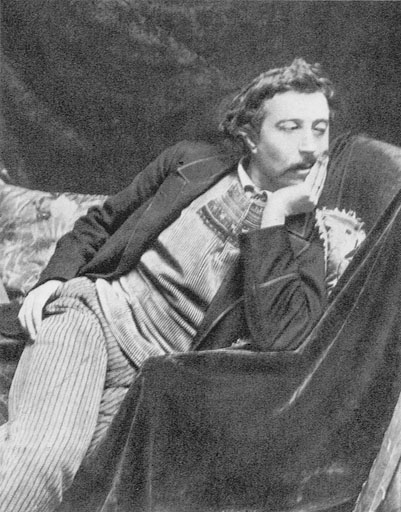
In 1873, he married a Danish woman, Mette-Sophie Gad (1850–1920). By 1884, Gauguin had moved with his family to Copenhagen, Denmark, where he pursued a business career as a tarpaulin salesman. It was not successful. His marriage fell apart after 11 years when Gauguin was driven to paint full-time. He returned to Paris in 1885, after his wife and her family asked him to leave because he had renounced the values they shared. Gauguin’s last physical contact with them was in 1891, Mette eventually breaking with him decisively in 1894.
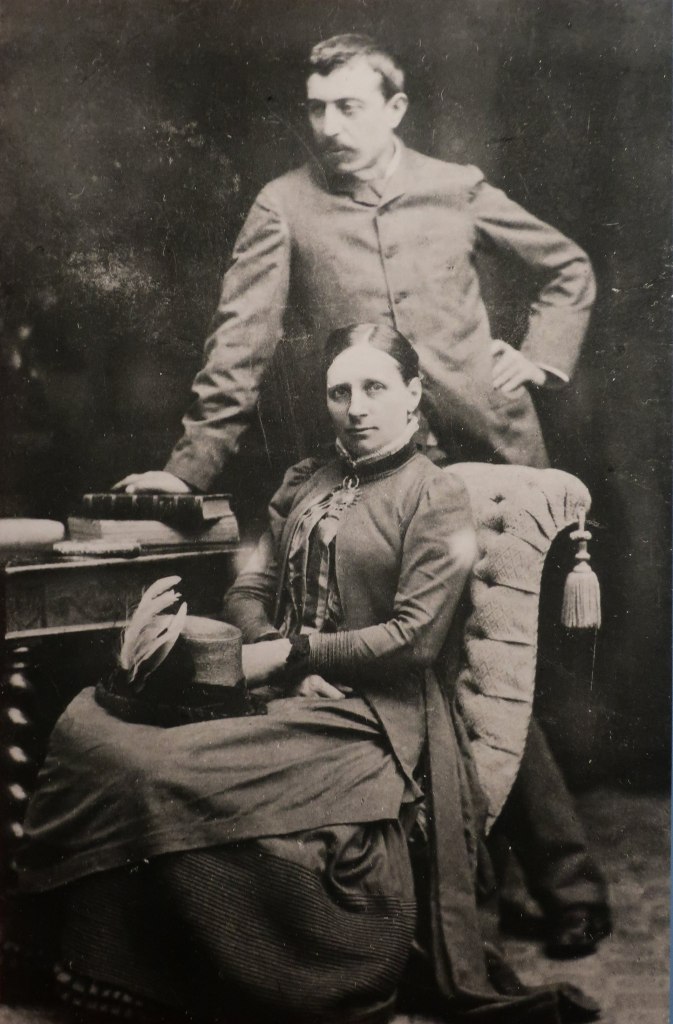
with Mette in Copenhagen, Denmark, 1885
Gauguin wrote a travelogue (first published 1901) titled Noa Noa (ca), originally conceived as commentary on his paintings and describing his experiences in Tahiti. In it he revealed that he had at this time taken a thirteen-year-old girl as native wife or vahine (the Tahitian word for “woman”), a marriage contracted in the course of a single afternoon. This was Teha’amana, called Tehura in the travelogue, who was pregnant by him by the end of summer 1892. Teha’amana was the subject of several of Gauguin’s paintings, including Merahi metua no Tehamana and the celebrated Spirit of the Dead Watching, as well as a notable woodcarving Tehura now in the Musée d’Orsay.

Gallery
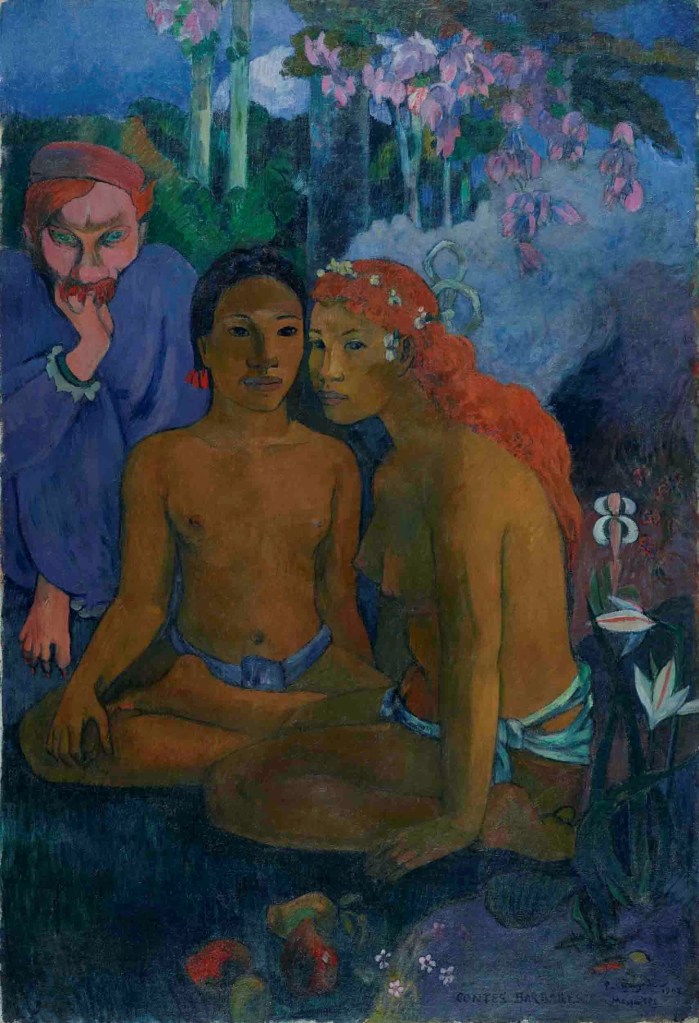
Contes barbares (Primitive Tales), 1902, Museum Folkwang

Jeune fille à l’éventail (Young Girl with a Fan), 1902, Museum Folkwang


les vendanges - misère humaine
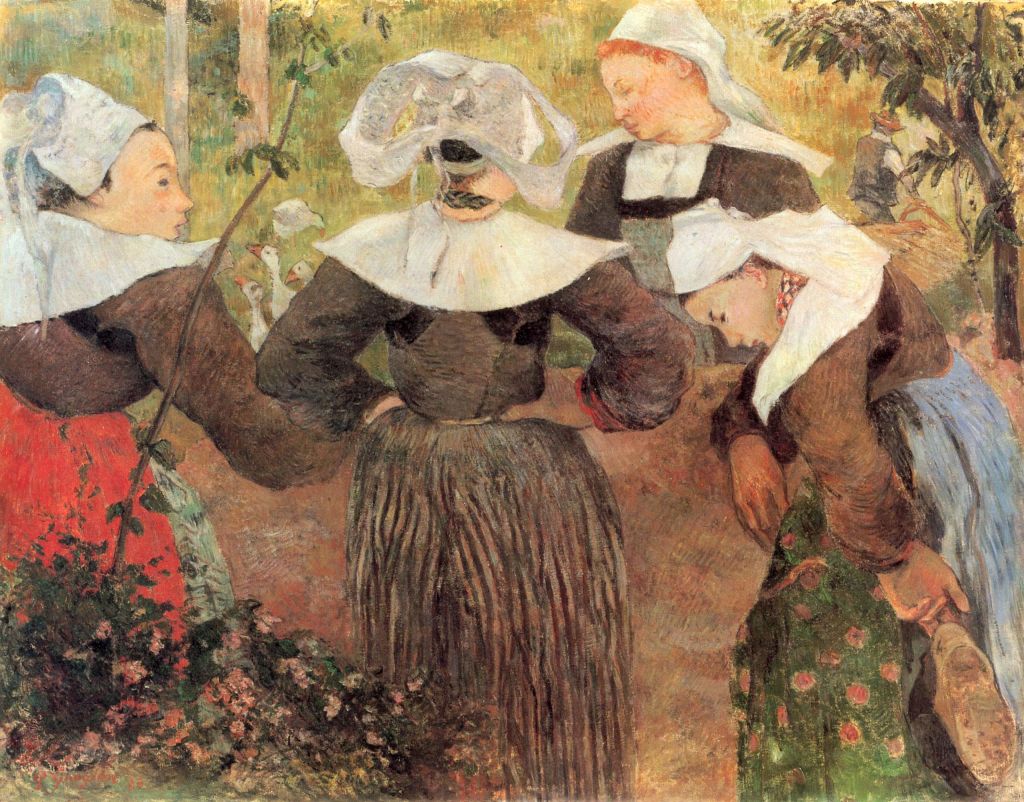
Four Breton Women, 1886, Neue Pinakothek, Munich

La Belle Angèle, 1889 Musée d’Orsay, Paris
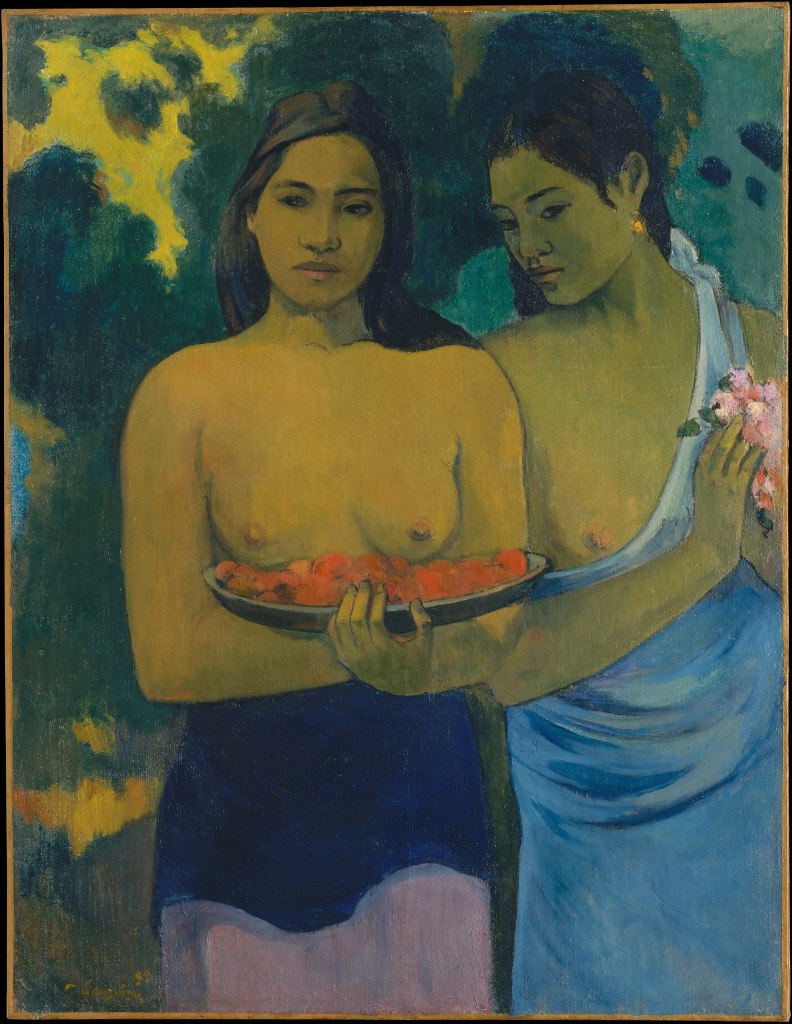
Two Tahitian Women (1899)
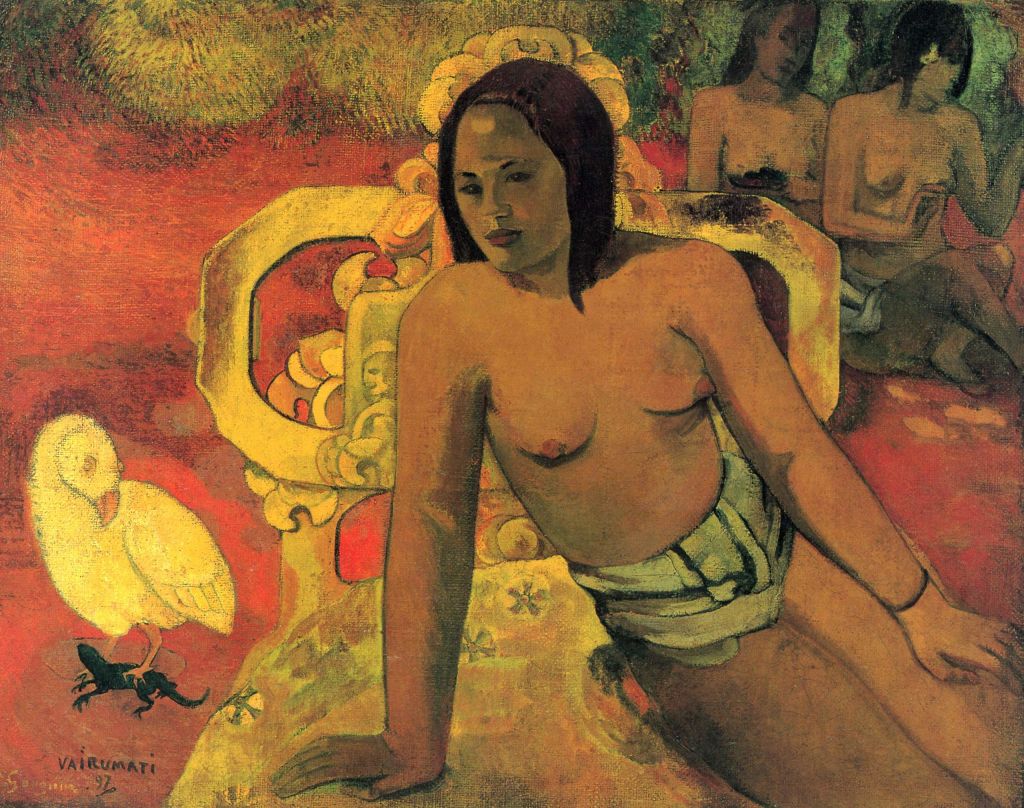
Vairumati (1897) Paris, musée d’Orsay
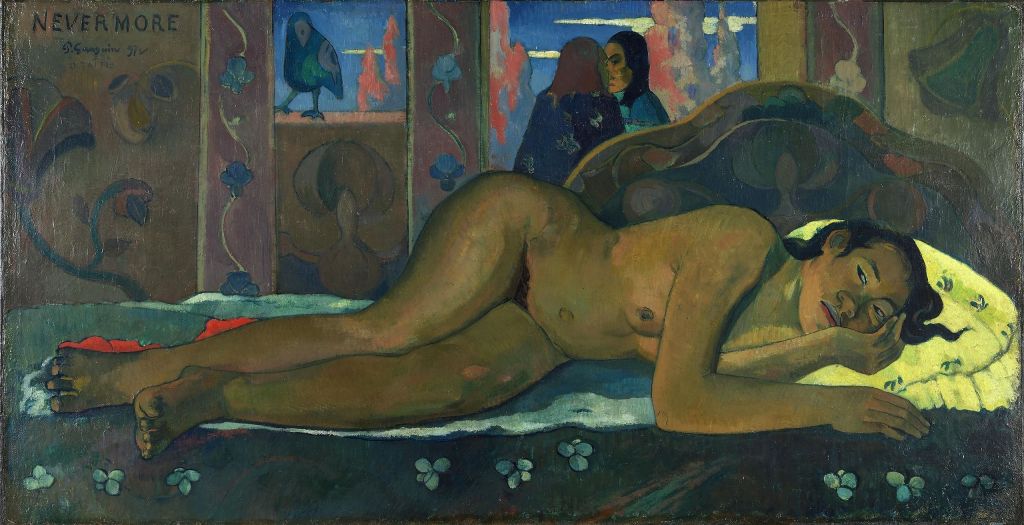
Nevermore (O Taiti), 1897, Courtauld Gallery, London
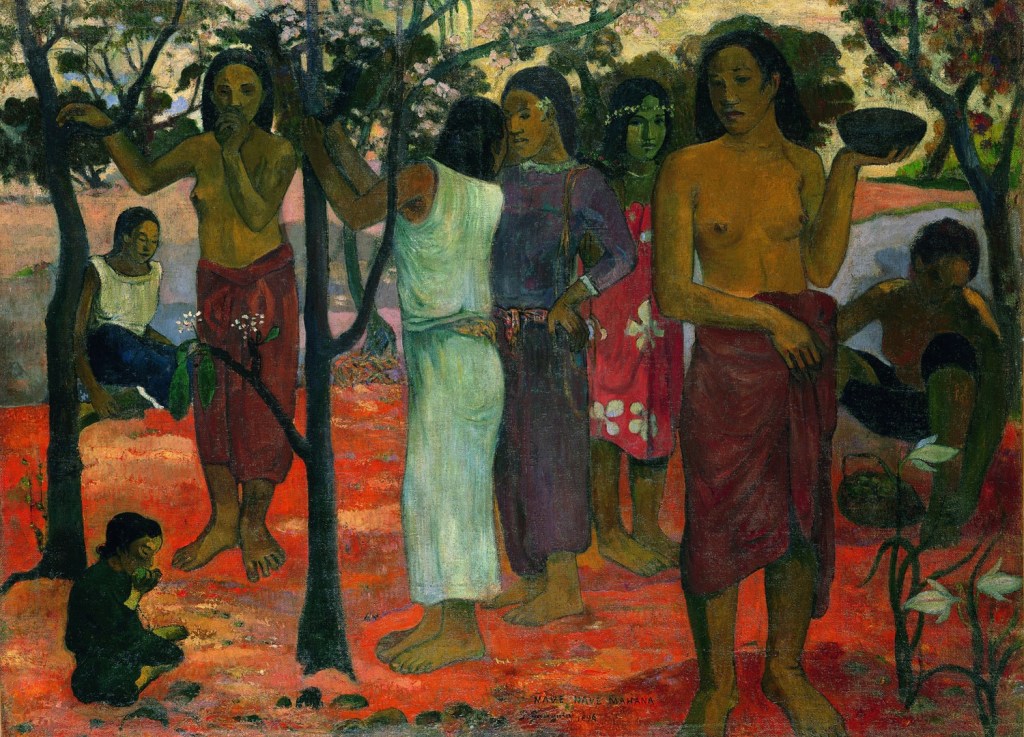

Annah the Javanese, (1893)

The Moon and the Earth (Hina tefatou) (1893)


Manao Tupapau (L’Esprit des morts veille, 1892) Buffalo, Galerie d’art Albright-Knox

Delightful Land (Te Nave Nave Fenua) (1892)

Te aa no areois (The Seed of the Areoi), 1892, Museum of Modern Art

Aha Oe Feii? (1892)
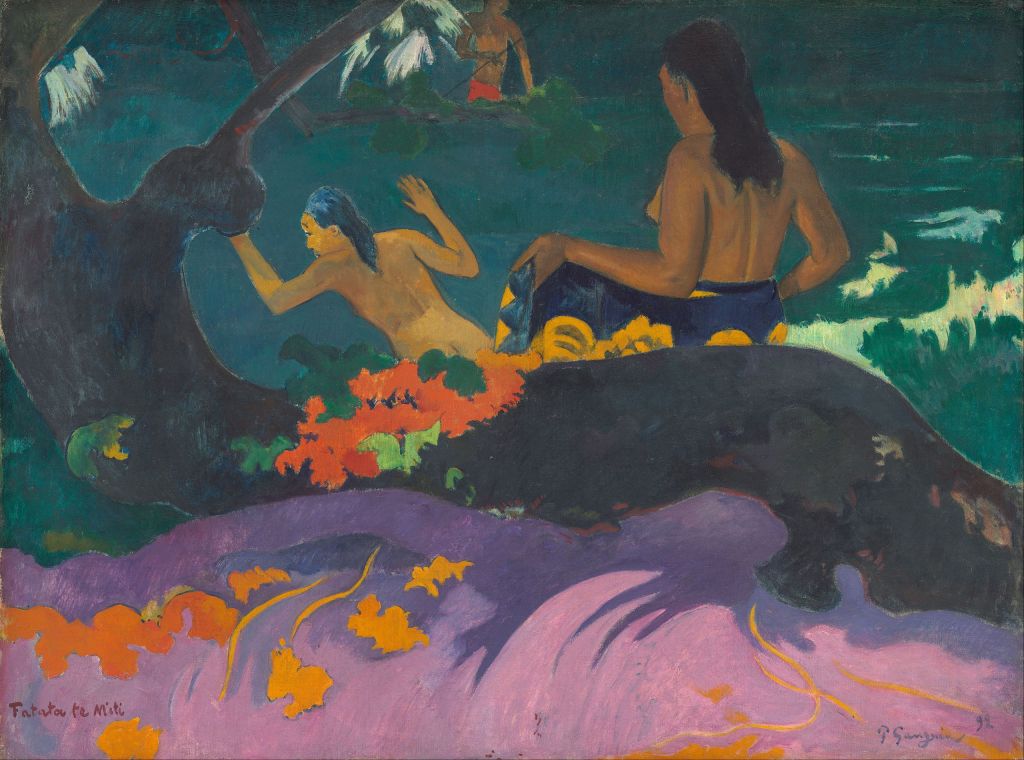
Fatata te Miti (1892) Washington, National Gallery of Art

Woman Sewing, 1880, Ny Carlsberg Glyptotek
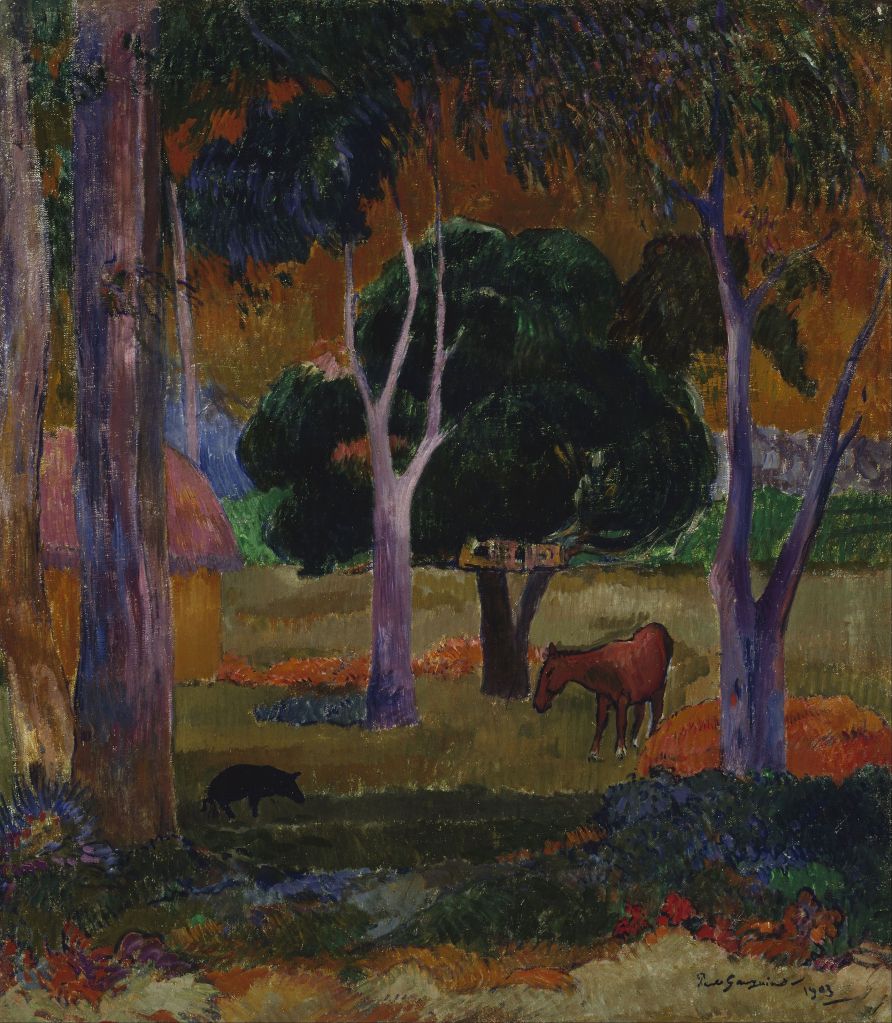
Landscape with a Pig and a Horse (Hiva Oa), 1903, Ateneum, Helsinki


Cavaliers sur la plage (1902) collection Stávros Niárchos, Grèce

riders on the beach 1902
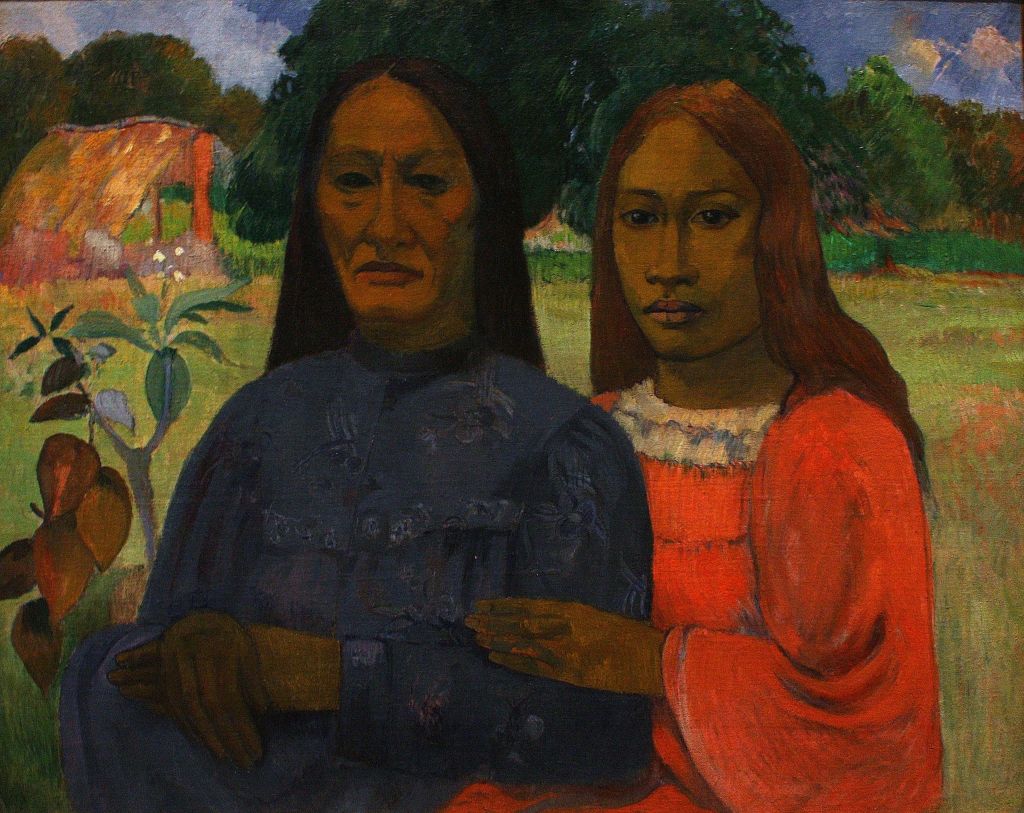
Two Women (1901 or 1902)

Nave nave moe (Sacred spring, sweet dreams), 1894, Hermitage Museum

La Sieste, 1892-1894 Metropolitan Museum, New York
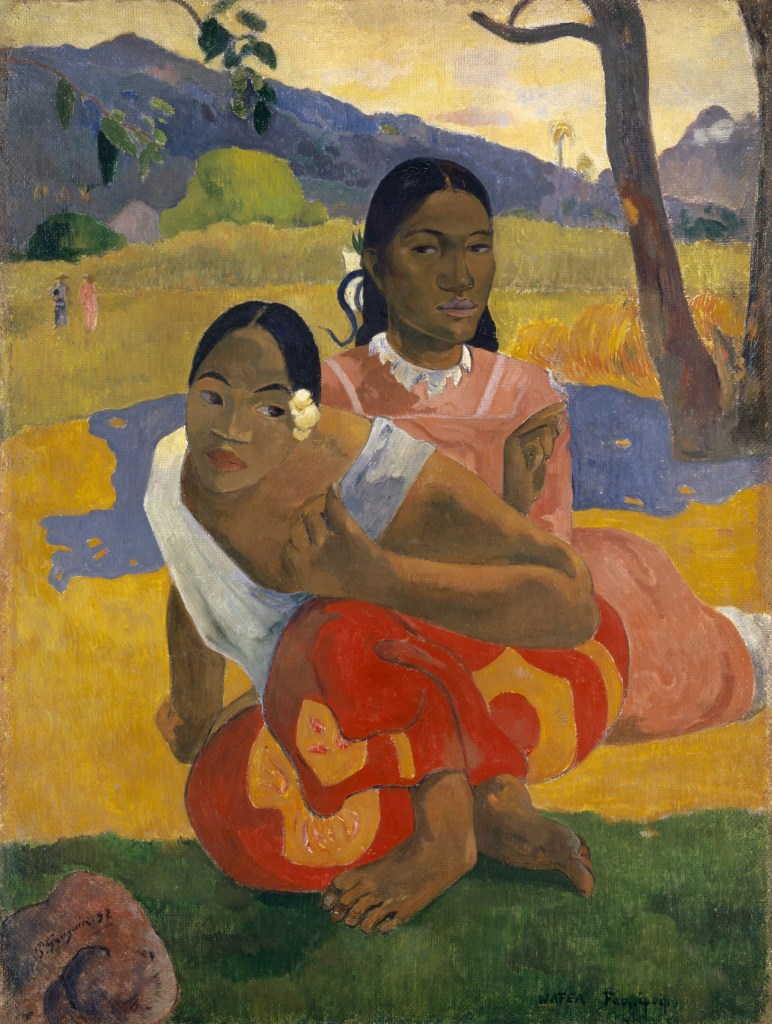
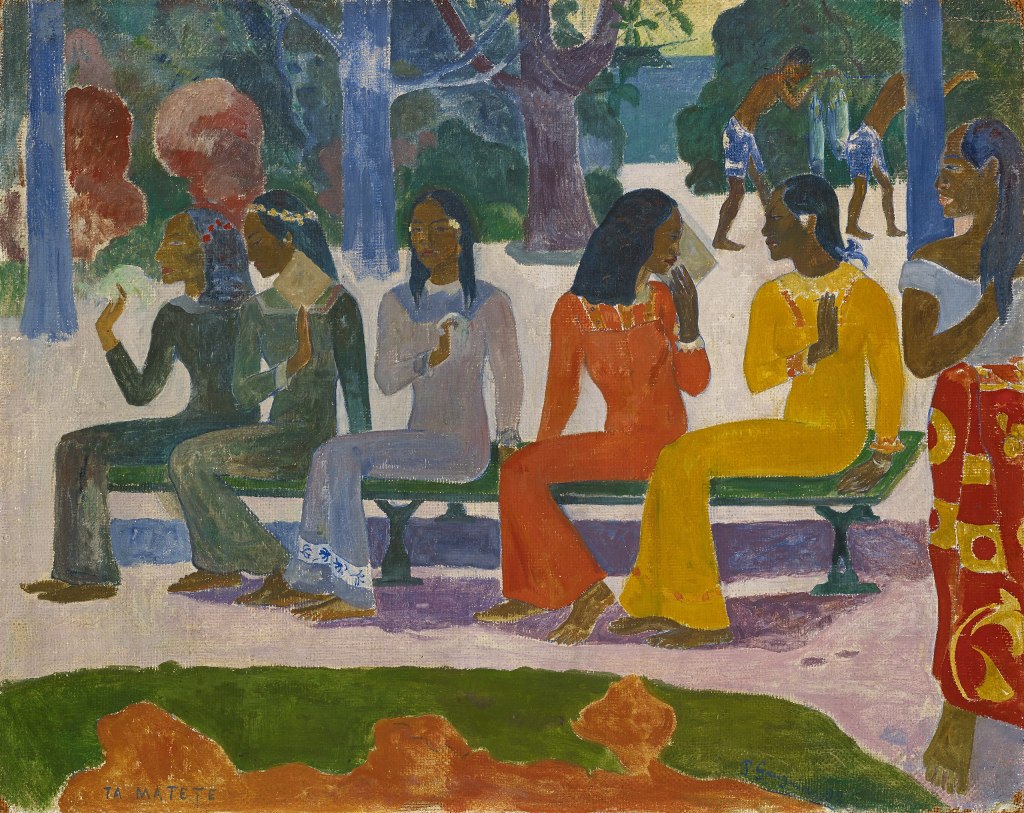
Ta Matete, 1892, Kunstmuseum Basel
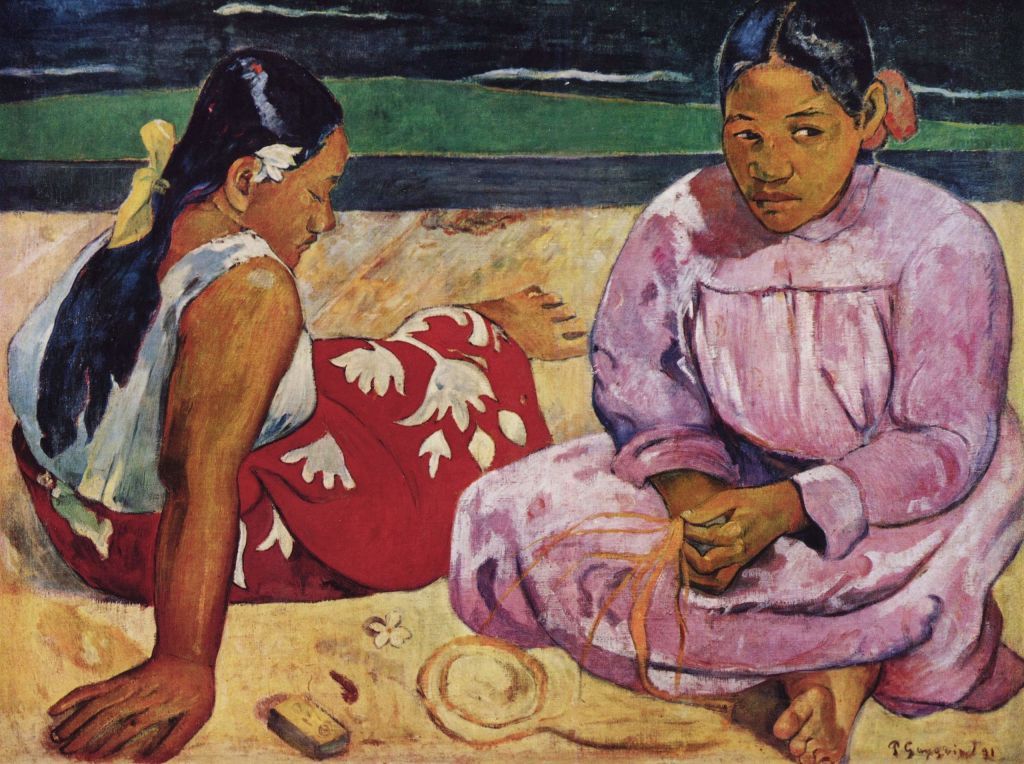
Tahitian Women on the Beach (1891)

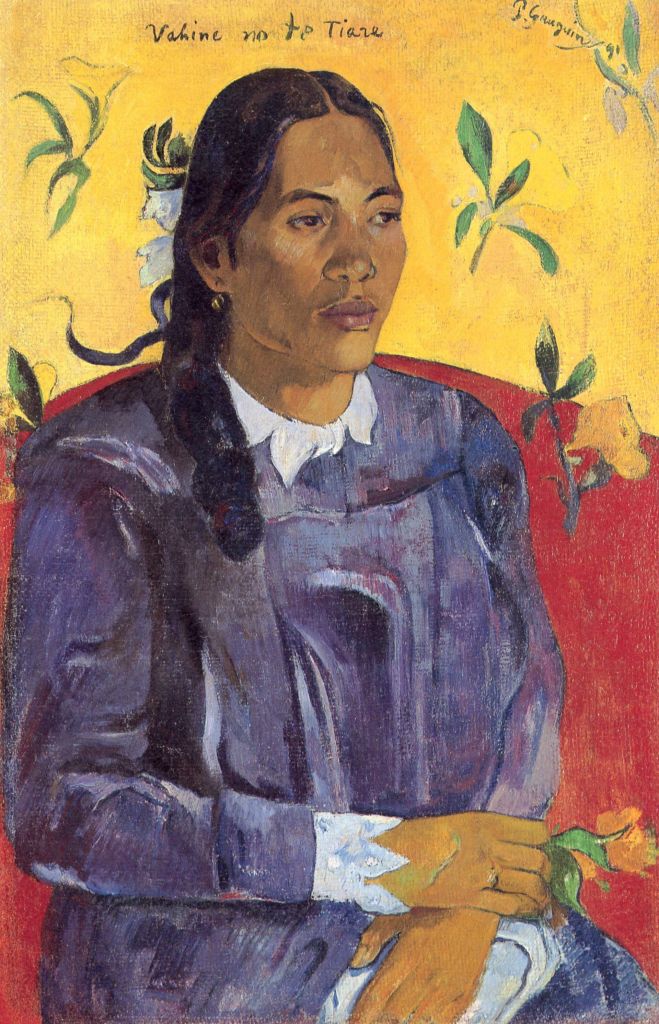
Vahine no te tiare (Woman with a Flower), 1891, Ny Carlsberg Glyptotek

Cochons noirs (1891) musée des Beaux-Arts de Budapest

Aline Marie Chazal Tristán, (1825–1867) “The Artist’s Mother”, 1889, Staatsgalerie Stuttgart
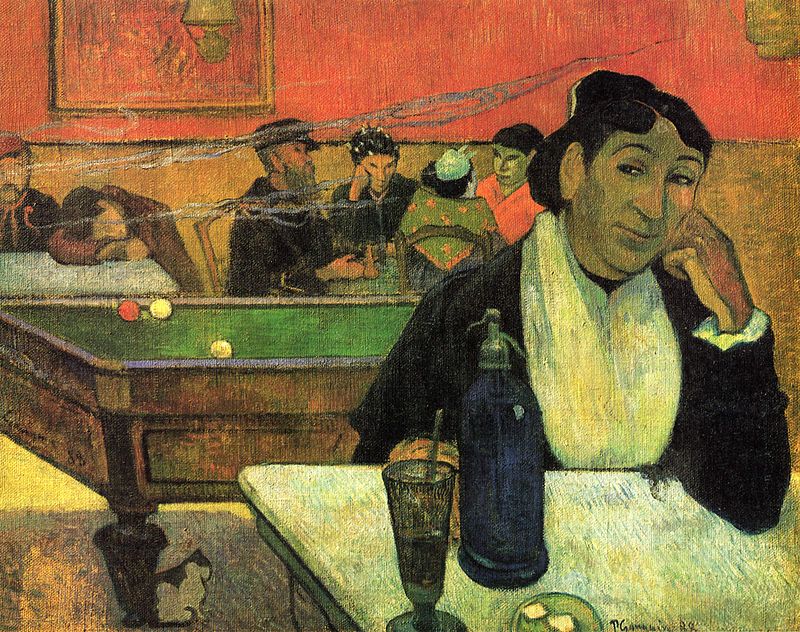
Café de Nuit, Arles (Mme Ginoux) 1888 Pushkin Museum
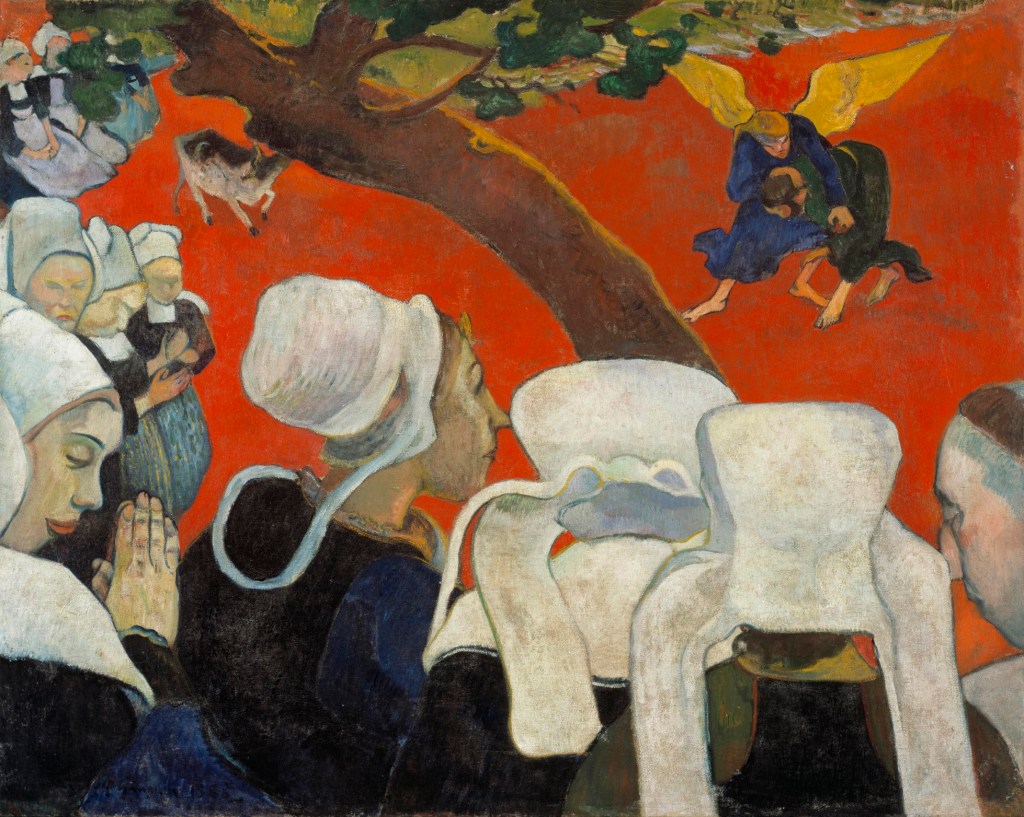

Les Manguiers, Martinique, 1887 Musée Van-Gogh , Amsterdam

Rue Jouvenet à Rouen, 1884 Musée Thyssen-Bornemisza, Madrid
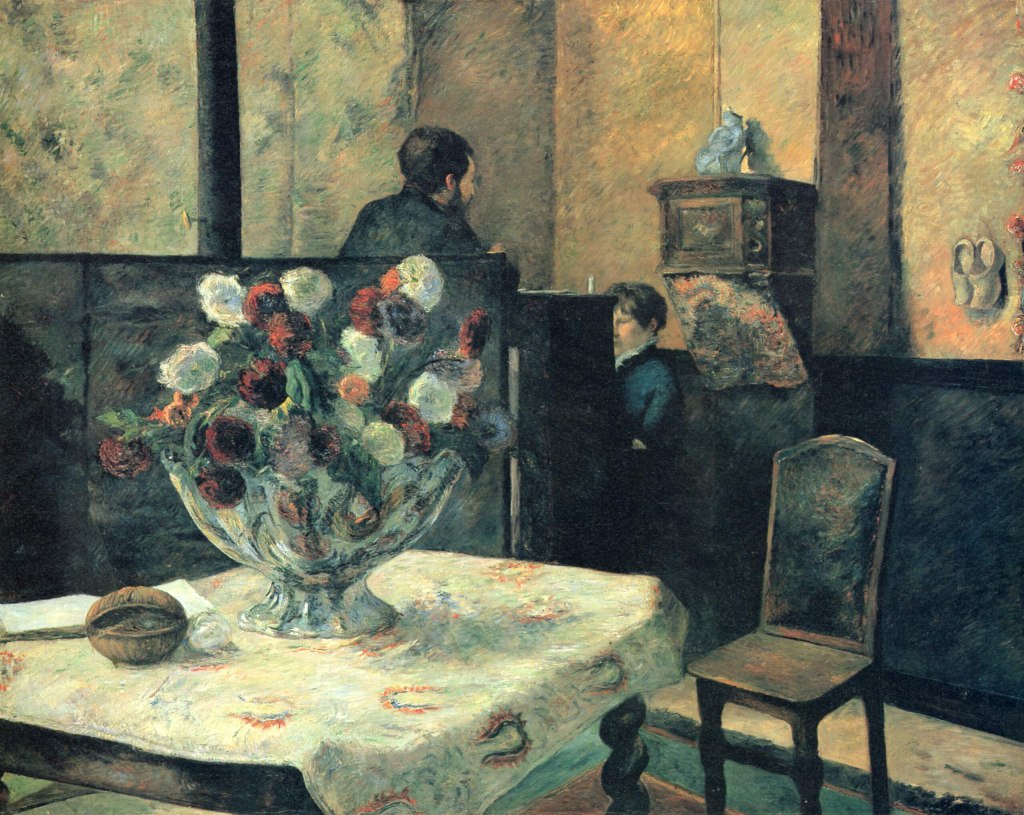
Appartement de Gauguin, rue Carcel, 1881 Galerie nationale d’Oslo
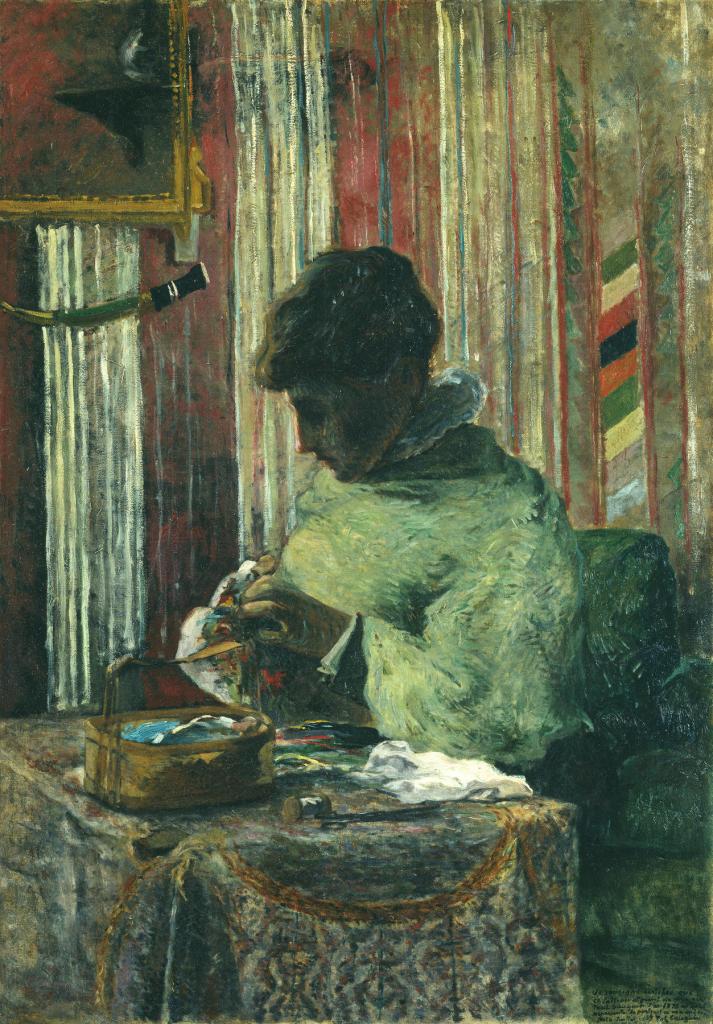
Portrait of Madame Gauguin, c. 1880–81, Foundation E.G. Bührle, Zürich
Je suis un grand artiste et je le sais. C’est parce que je le suis que j’ai tellement enduré de souffrances. Pour poursuivre ma voie, sinon je me considérerai comme un brigand. Ce que je suis du reste pour beaucoup de personnes. Enfin, qu’importe! Ce qui me chagrine le plus c’est moins la misère que les empêchements perpétuels à mon art que je ne puis faire comme je le sens et comme je pourais le faire sans la misère qui me lie les bras. Tu me dis que j’ai tort de rester éloigné du centre artistique. Non, j’ai raison, je sais depuis longtemps ce que je fais et pourquoi je le fais. Mon centre artistique est dans mon cerveau et pas ailleurs et je suis fort parce que je ne suis jamais dérouté par les autres et je fais ce qui est en moi.
- Letter to his wife, Mette (Tahiti, March 1892), pp. 53-54.
Comment voyez-vous cet arbre? Il est bien vert? Mettez donc du vert, le plus beau vert de votre palette; — et cette ombre, plutôt bleue? Ne craignez pas la peindre aussi bleue que possible.
La peinture est le plus beau de tous les arts; en lui se résument toutes les sensations, à son aspect chacun peut, au gré de son imagination, créer le roman, d’un seul coup d’œil avoir l’âme envahie par les plus profonds souvenirs; point d’effort de mémoire, tout résumé en un seul instant. — Art complet qui résume tous les autres et les complète. — Comme la musique, il agit sur l’âme par l’intermédiaire des sens, les tons harmonieux correspondant aux harmonies des sons; mais en peinture on obtient une unité impossible en musique où les accords viennent les uns après les autres, et le jugement éprouve alors une fatigue incessante s’il veut réunir la fin au commencement. En somme, l’oreille est un sens inférieur à celui de l’œil. L’ouïe ne peut servir qu’à un seul son à la fois, tandis que la vue embrasse tout, en même temps qu’à son gré elle simplifie.
Today is the birthday of Marion Post Wolcott (Montclair, New Jersey; June 7, 1910 – November 24, 1990 Santa Barbara); photographer who worked for the Farm Security Administration during the Great Depression, documenting poverty, the Jim Crow South, and deprivation.
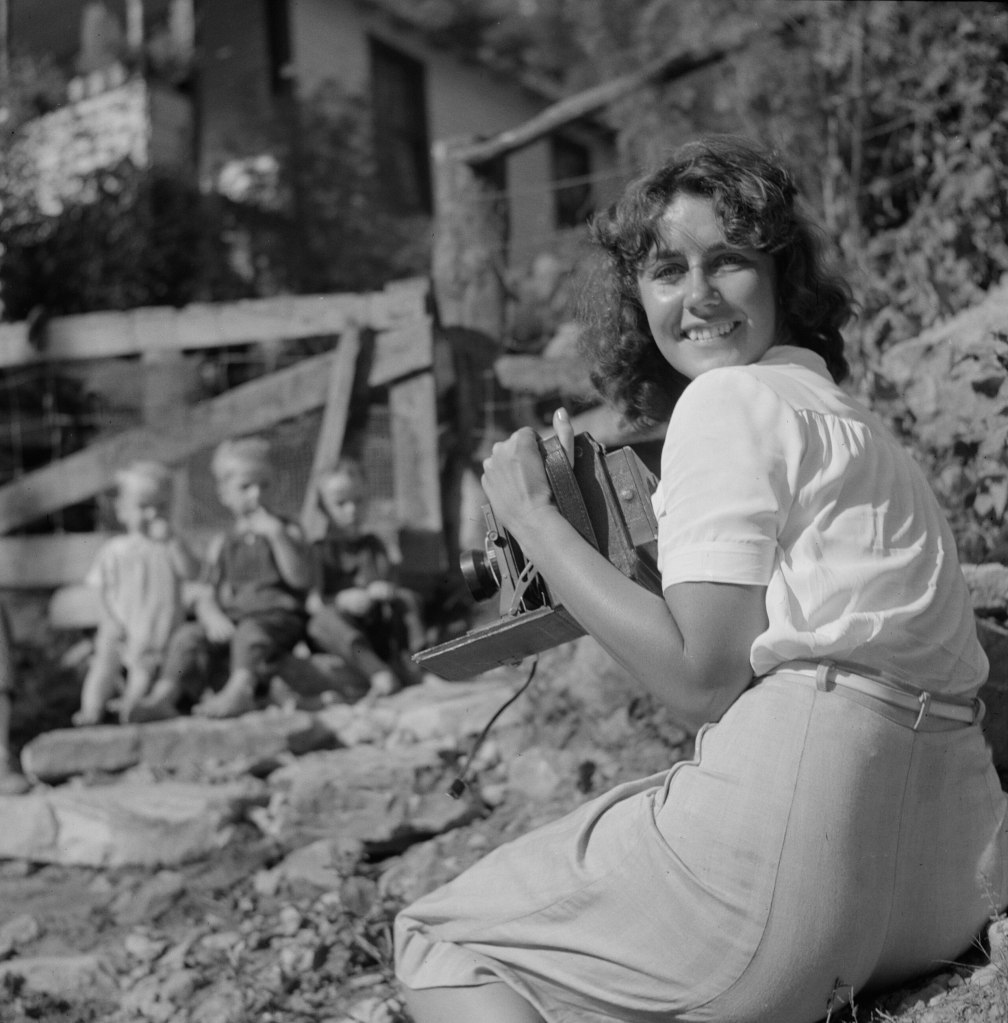
Kentucky, February 1940
In 1941 she met Leon Oliver Wolcott, deputy director of war relations for the U.S. Department of Agriculture under Franklin Roosevelt. They married, and Post Wolcott continued her assignments for the FSA, but resigned shortly thereafter in February 1942. Wolcott found it difficult to fit in her photography around raising a family and a great deal of traveling and living overseas.
In the 1970s, a renewed interest in Post Wolcott’s images among scholars rekindled her own interest in photography. In 1978, Wolcott mounted her first solo exhibition in California, and by the 1980s the Smithsonian and the Metropolitan Museum of Art began to collect her photographs. The first monograph on Marion Post Wolcott’s work was published in 1983. Wolcott was an advocate for women’s rights; in 1986, Wolcott said: “Women have come a long way, but not far enough. . . . Speak with your images from your heart and soul” (Women in Photography Conference, Syracuse, N.Y.).
Post Wolcott’s work is archived at the Library of Congress and the Center for Creative Photography at the University of Arizona in Tucson, Arizona.
Gallery
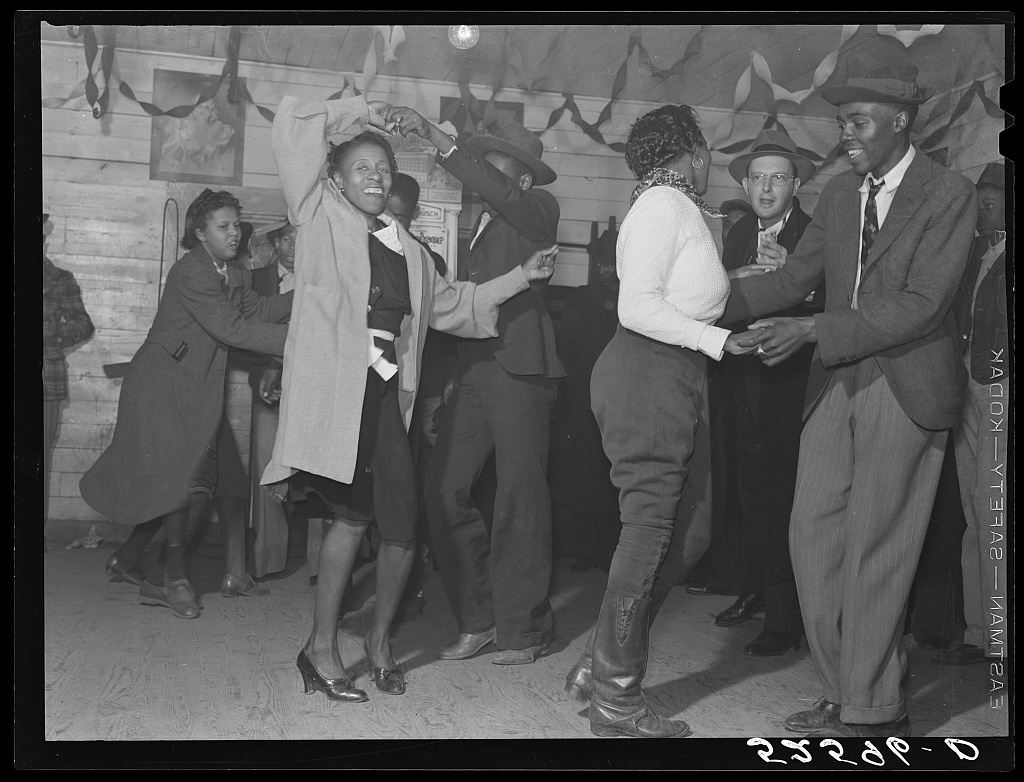
Juke joint in Clarksdale, Mississippi

Construction workers drinking beer in Soldiers Joy Cafe near Camp Blanding, Florida, 1940
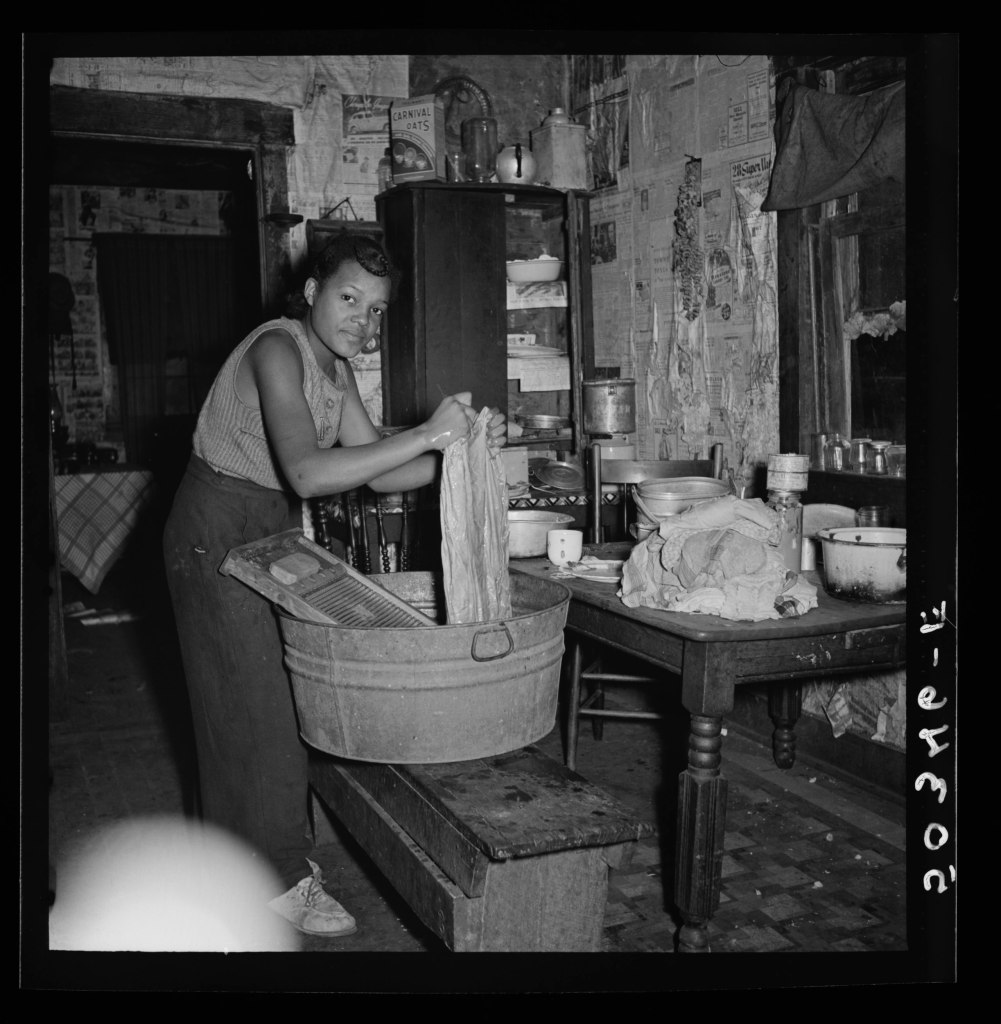
Coal miner’s daughter doing the family wash. All the water must be carried from up the hill. Bertha Hill, West Virginia
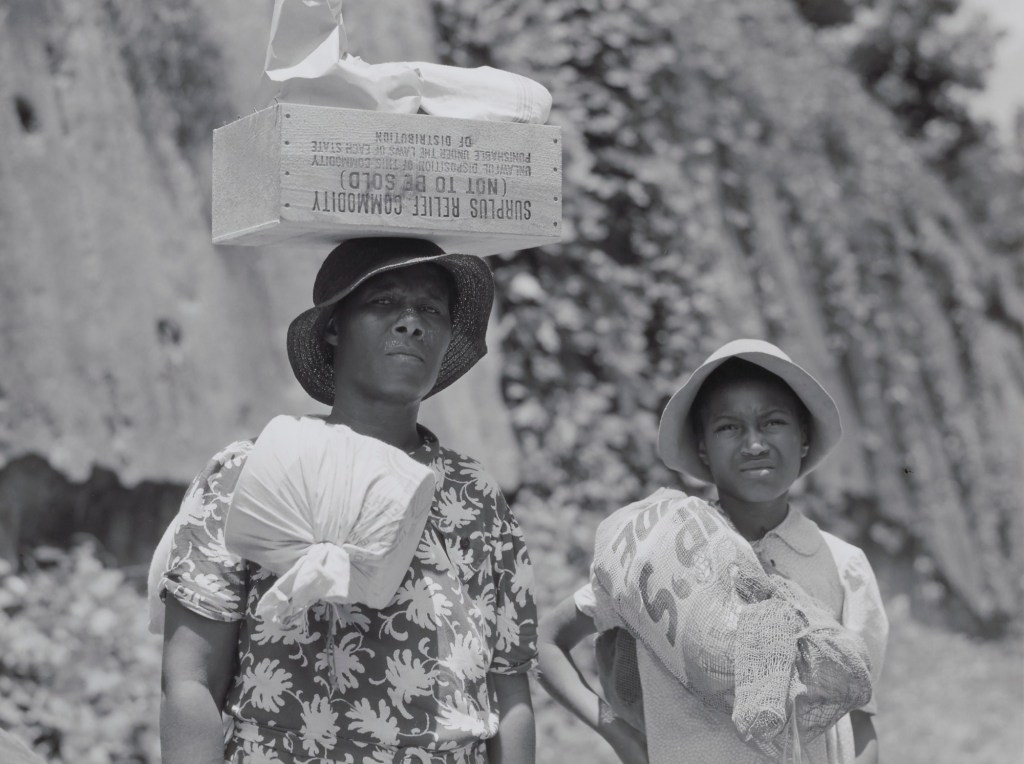
‘’Two Negro women carrying packages, one has a box of surplus relief commodities on her head. Natchez, Mississippi”, 1940

Bourbon Street looking downriver from Bienville Street, French Quarter, New Orleans, January 1941
And today is the birthday of Gwendolyn Brooks (Gwendolyn Brooks; Topeka, Kansas; June 7, 1917 – December 3, 2000 Chicago); poet and teacher. She was the first African-American woman to win a Pulitzer prize when she was awarded the Pulitzer Prize for Poetry in 1950 for her second collection, Annie Allen.
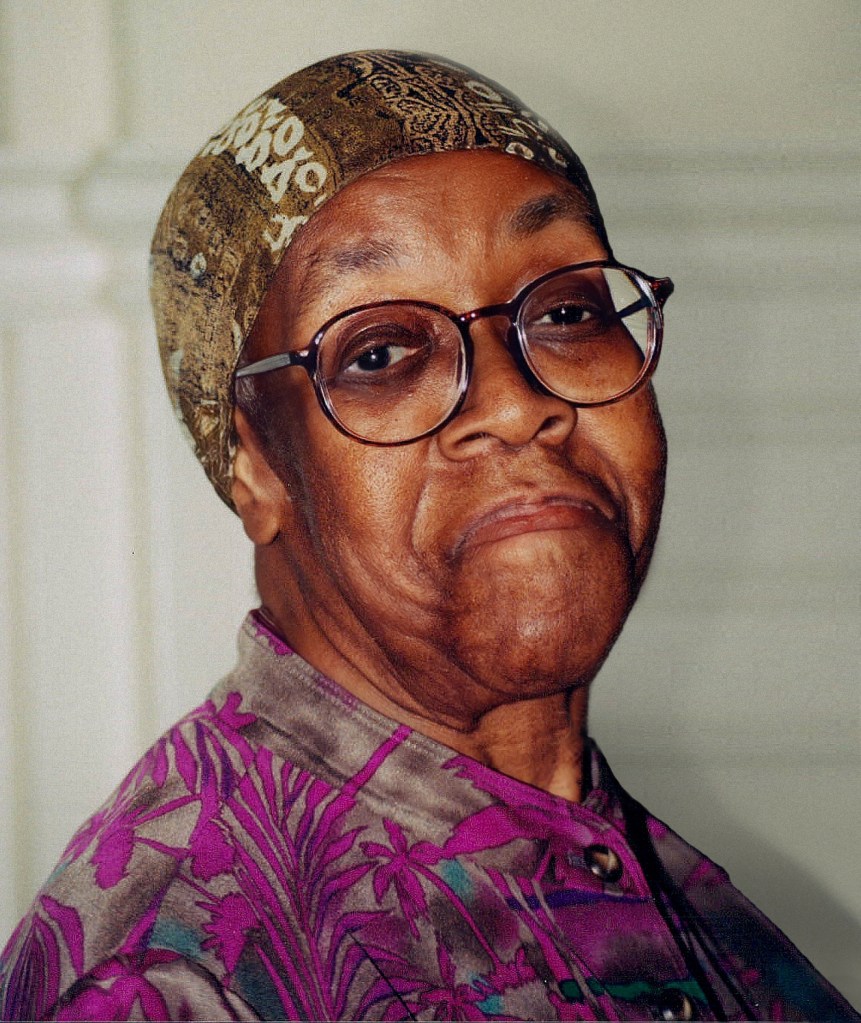
In 1939, Brooks married Henry Lowington Blakely, Jr., whom she met after joining Chicago’s NAACP Youth Council. Blakely died in 1996
It is brave to be involved
To be not fearful to be unresolved.
- “do not be afraid of no” from Annie Allen (1949)
- Exhaust the little moment.
Soon it dies.
And be it gash or gold it will not come
Again in this identical guise.- “exhaust the little moment” from Annie Allen (1949)
Art hurts. Art urges voyages—
and it is easier to stay at home.
- “The Chicago Picasso” (1968)
To be in love
Is to touch with a lighter hand.
In yourself you stretch, you are well.
- “To Be In Love”
- He is not there but
You know you are tasting together
The winter, or a light spring weather.
His hand to take your hand is
overmuch.
Too much too bear.- “To Be In Love”
Come: there shall be such islanding from grief,
And small communion with the master shore.
Twang they. And I incline this ear to tin,
Consult a dual dilemma. Whether to dry
In humming pallor or to leap and die.
A Sunset of the City
thanks for stoppin’ by y’all
Mac Tag
Follow us on twitter @cowboycoleridge
 The Lovers’ Chronicle
Leave a comment