Dear Zazie,
Here is today’s Lovers’ Chronicle from Mac Tag.
Rhett
The Lovers’ Chronicle
Dear Muse,
certainly mostly with
“Of course”
there are moments
when more happens
“The way we end our days”
yes, our favorite time
“After you read poetry to me”
words precede, flow through
punctuatin’ our time together
“From the conjuring”
to the ones i write for you
but now, is the time
for more than words
© copyright 2023 mac tag/cowboycoleridge all rights reserved
they have never let me down, turn on the spigot and they flow, sometimes effortlessly, other times, the valve must be opened full tilt; fixin’ to be six years that they have been comin’, findin’ their way every day to enlighten, to make carryin’ the burden, just a little easier
© copyright 2022.2023 mac tag/cowboycoleridge all rights reserved
the tale has been good
it just lacks completeness
words are only vain sounds
if you cannot feel them
instinct is enough
sinkin’ into the wide chair,
speechless, leanin’ forward,
wrappin’ a blanket snugly
around, presently a whisper
i plight thee my troth
in this first new hour
© copyright 2021 mac tag/cowboy coleridge all rights reserved
Pale Love, Pale Rider
they are all i have
i will write myself
outta this one
the birth of the end
a few months ago
exact date, not sure
stripped of feelin’s
my own damn fault
then this pandemic
Schopenhauer was right
all will be well because
whatever happens
day and time fade away
© copyright 2020.2023 mac tag/cowboy coleridge all rights reserved
nothin’ compares
dull would be without this
the night now doth wear
the fallin’ last light; silent, bare,
hills and river lie
open unto the big sky
ne’er did two need more
in this splendour
ne’er felt we, so deep
abideth here at our will
the very source of want
© copyright 2019 mac tag/cowboy coleridge all rights reserved
for you
all of this
of you
about you
(so now y’all know
who to blame)
of course,
there are never
enough words,
nor melodies,
nor sketches
not to mention
that there will never
be enough time
for you
***
that little black dress
and those Louboutin shoes
oh hell yes,
whatever you want
© copyright 2018 mac tag/cowboy coleridge all rights reserved
How do I love the High Plains,
Let me count the ways…
Drove 500 miles
Never saw a Wal-Mart
Drove 500 miles
On two lane black tops,
Saw more horses than people
Drove 500 miles,
Saw about
150,000
Head of cattle
© copyright 2017 mac tag/cowboy coleridge all rights reserved
not the sort to keep
anyone happy
“But you should try!”
sinkin’ by his chair,
hidin’ her face on his knees
speechless, he leaned forward
and wrapped his arms round her
the Navajo blanket fell over them
presently a whisper…
you have beat me
how can i fight this
she answered nothin’
not with words, not even
with meetin’ eyes,
did they plight their troth
in this first new hour
© copyright 2016 Mac Tag all rights reserved
Can there be a
higher purpose
than to make a
full woman smile,
to see her blush
That pretty smile;
A canvas. Your
blush, the paint. An
invitation
Yes, let’s make art
***
Ah, to bed, tonight
with Armand and
Marguerite in Dumas’
Camille: La Dame
aux Camilias
© copyright 2015 Mac Tag all rights reserved
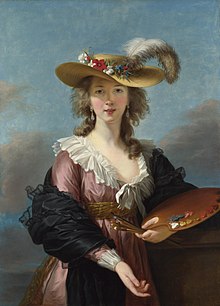
Today is the birthday of Louise Élisabeth Vigée Le Brun (Élisabeth Louise Vigée; Paris 16 April 1755 – 30 March 1842 Paris) also known as Madame Lebrun; painter. Her artistic style is generally considered part of the aftermath of Rococo, while she often adopted a neoclassical style. While serving as the portrait painter to Marie Antoinette, Vigée Le Brun works purely in Rococo in both her color and style choices. Vigée Le Brun left a legacy of 660 portraits and 200 landscapes.
 |
Sometime in 1775, her family moved to the Hôtel de Lubert in Paris where she met Jean-Baptiste-Pierre Le Brun, a painter, art dealer and relation of the painter Charles Le Brun, the first director of the French Academy under Louis XIV, on the Rue de Cléry. Élisabeth visited M. Le Brun’s apartments frequently to view his private collection of paintings, which included examples from many different schools. He agreed to her request to borrow some of the paintings in order to copy them and improve her skills, which she saw as one of the greatest boons of artistic instruction she had received. After residing in the Hôtel de Lubert for six months, M. Le Brun asked for the artist’s hand in marriage. Élisabeth was in a dilemma as to whether to agree or refuse the offer; she had a steady source of income from her rising career as an artist and her future was secure; as such, she wrote, she had never contemplated marriage. On her mother’s urging and goaded by her desire to be separated from her stepfather’s worsening temperament, Élisabeth agreed, though her doubts were such that she was still hesitant on her wedding day on 11 January 1776; she was twenty years old. The wedding took place in great privacy in the Saint-Eustache church, with only two banns being read, and was kept secret for some time at the request of her husband, who was officially engaged to another woman at the time in an attempt to secure a lucrative art deal with a Dutch art dealer. Élisabeth acceded to his request as she was reluctant to give up her now famous maiden name.

Self-portrait
During the two weeks after the wedding, she was visited by a stream of people giving her ominous news regarding her husband, these people believing that she had still not agreed to his proposal. These visitors started with the court jeweller, followed by the Duchesse de Arenberg and Mme. de Souza, the Portuguese ambassadress, who passed stories of M. Le Brun’s habits as a spendthrift and womanizer. Élisabeth would later regret this match as she found these rumors to be true, though she wrote that in spite of his faults he was still an agreeable and obliging man with a sweet nature. However, she frequently condemned his gambling and adulterous habits in her memoirs, as these left her in a financially critical position at the time of her flight from France. Vigée Le Brun began exhibiting her work at their home, and the salons she held there supplied her with many new and important contacts.

Autoportrait (1781)
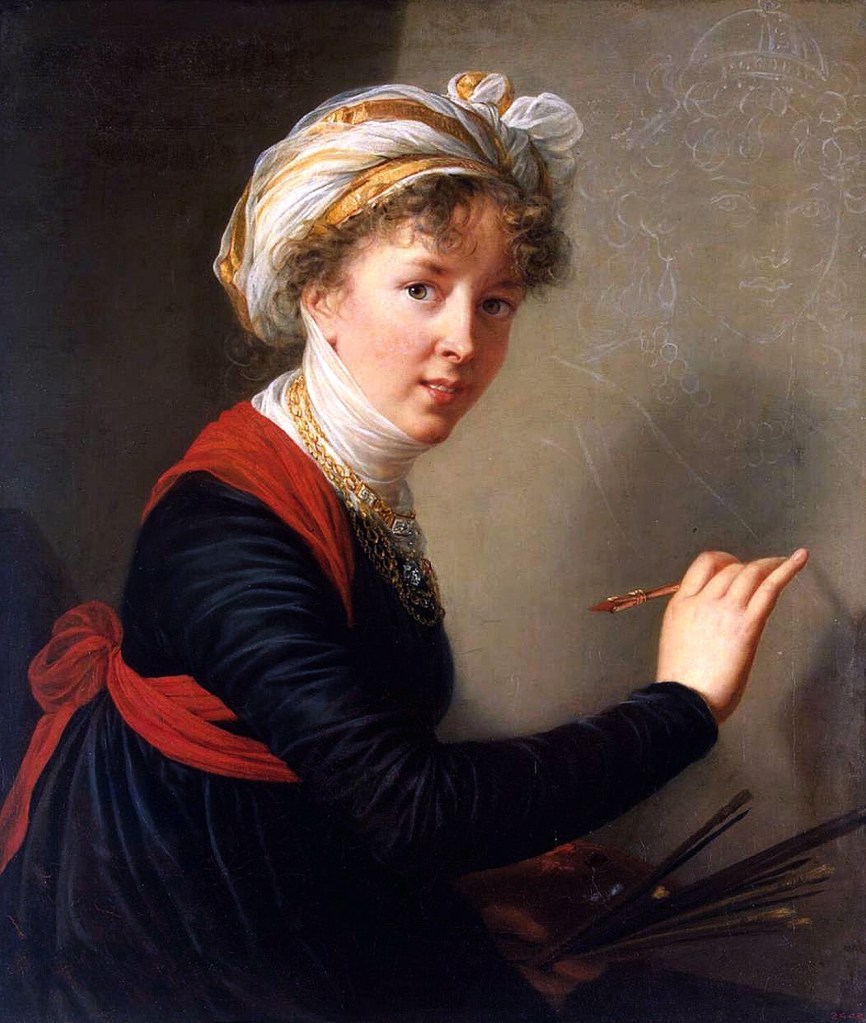

Her husband appropriated most of her income and pressed her to also take on the role of a private tutor to increase his income from her. The artist found tutoring to be frustrating due to her inability to assert authority over her pupils, most of whom were older than her, and found the distraction from her work irritating. In 1778, she and her husband contracted to purchase the Hôtel de Lubert. In this same year she became the official painter to the Queen. Her relationship with him deteriorated later so much that she demanded the refund of her dowry from M. Le Brun in 1802.
Gallery

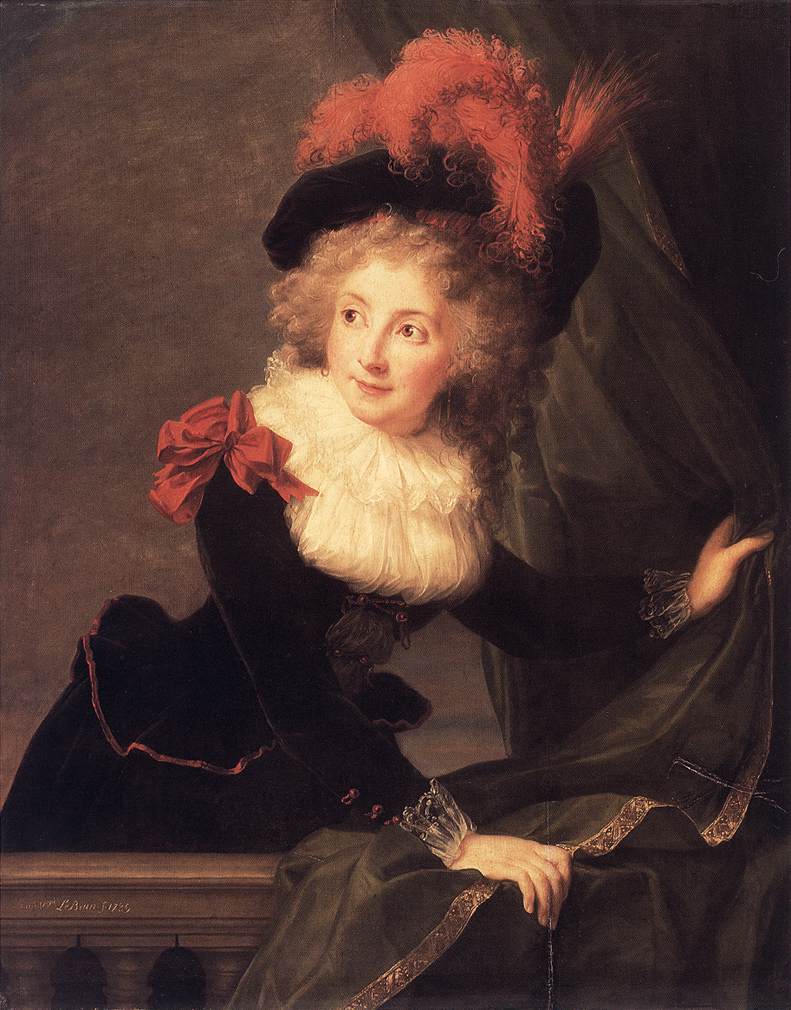
Madame Perregaux, 1789. (née Adélaïde Harenc de Praël), the illegitimate daughter of Nicolas Beaujon, banker to Louis XV. Wallace Collection

Countess Siemontkowsky Bystry 1793
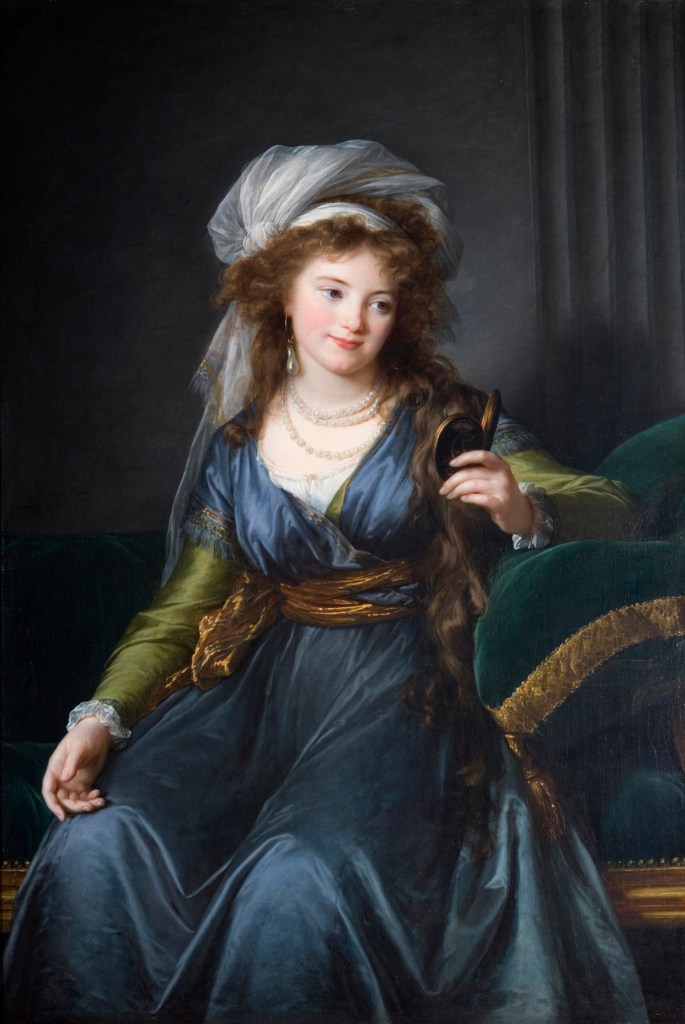
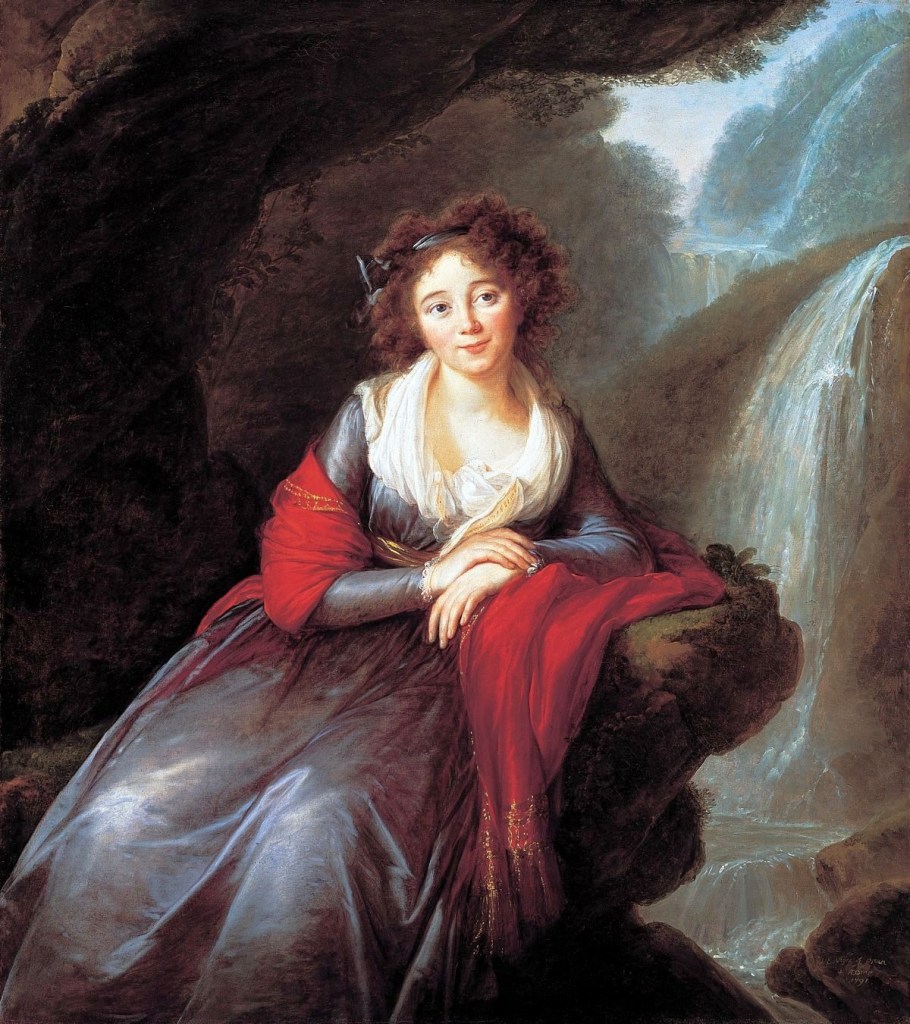
Countess Potocka, Private collection
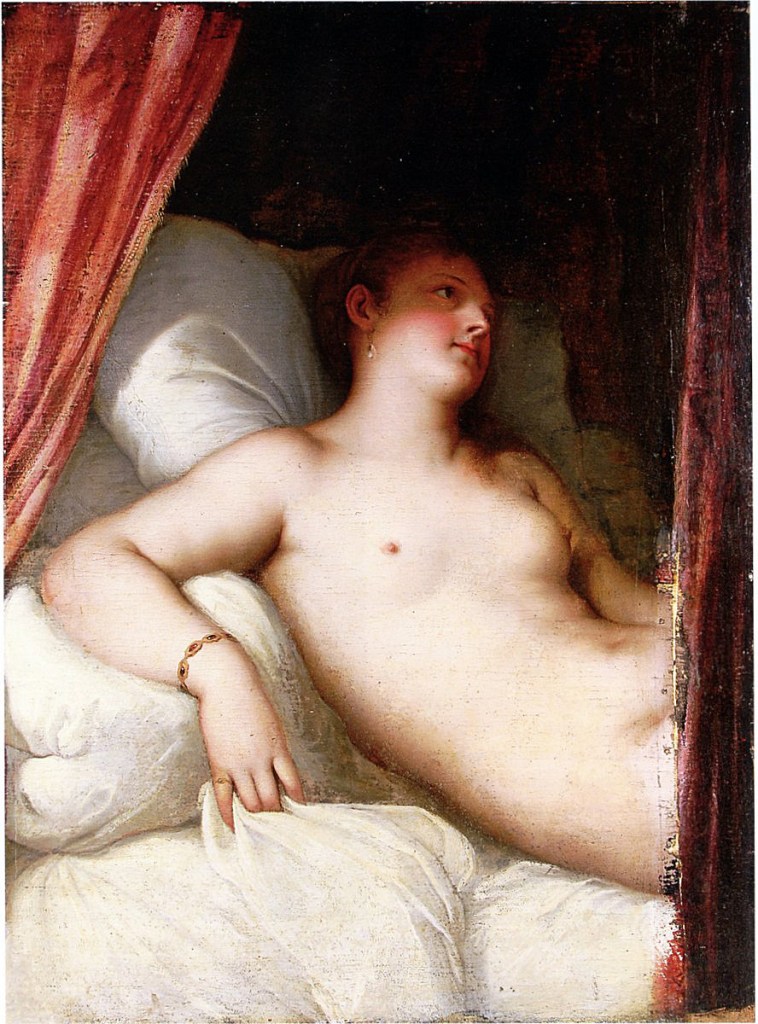

La Paix ramenant l’Abondance (1780), Paris, musée du Louvre
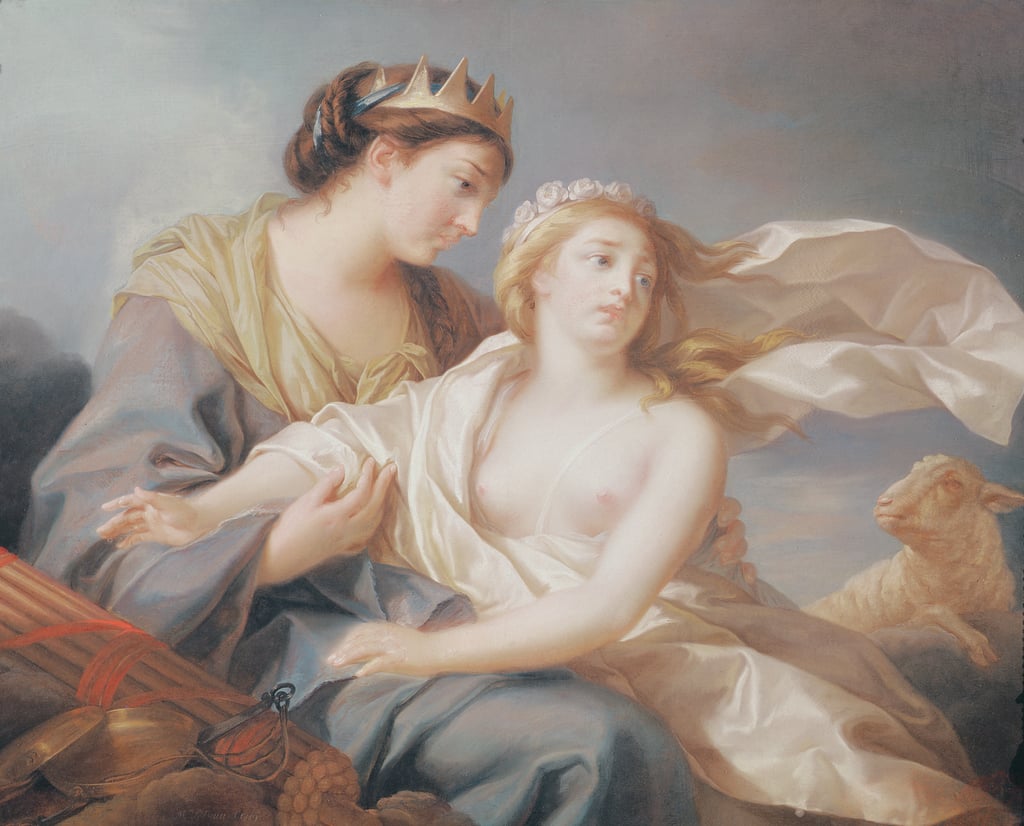
Innocence takes refuge in the arms of Justice, 1779, Musée des Beaux-Arts d’Angers

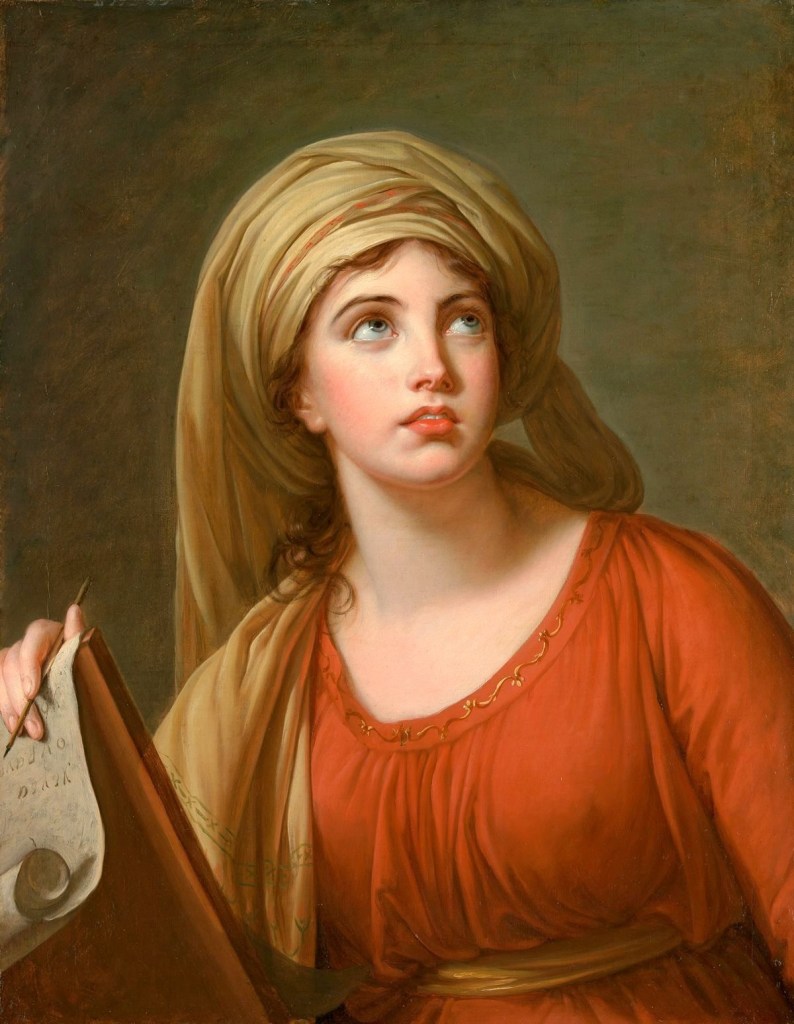
Life Study of Lady Hamilton as the Cumaean Sybil, 1792, Metropolitan Museum of Art. This was widely considered to be one of Vigée Le Brun’s greatest works, and was greatly received wherever it was displayed
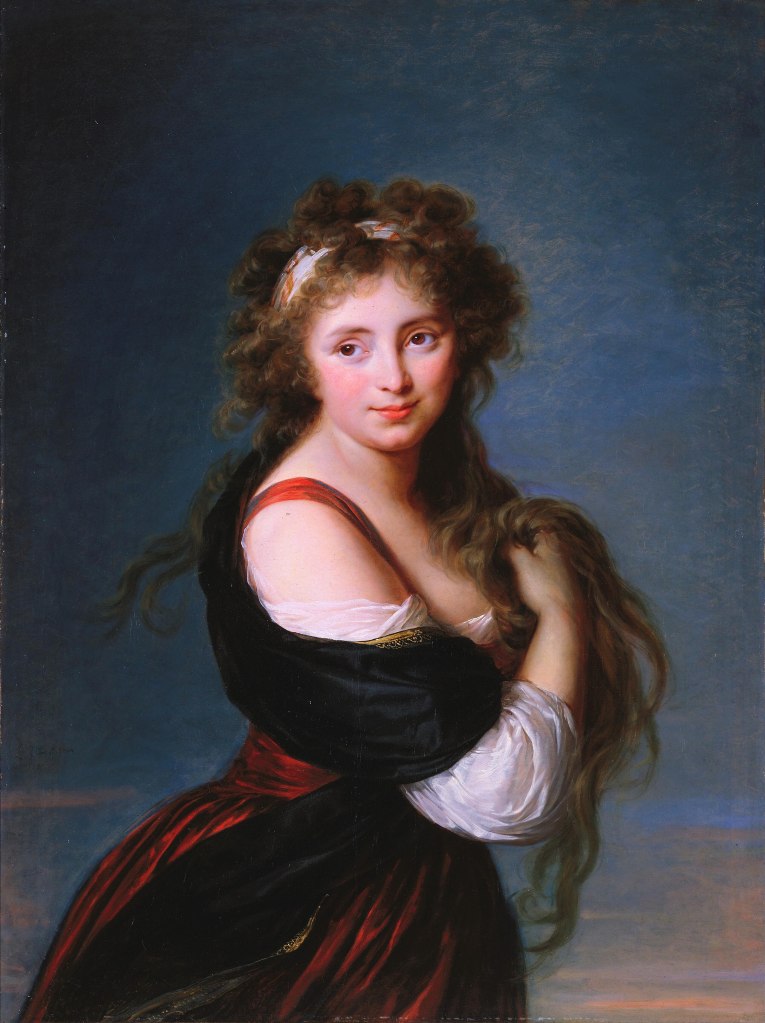
Portrait of Hyacinthe Gabrielle Roland, 1791
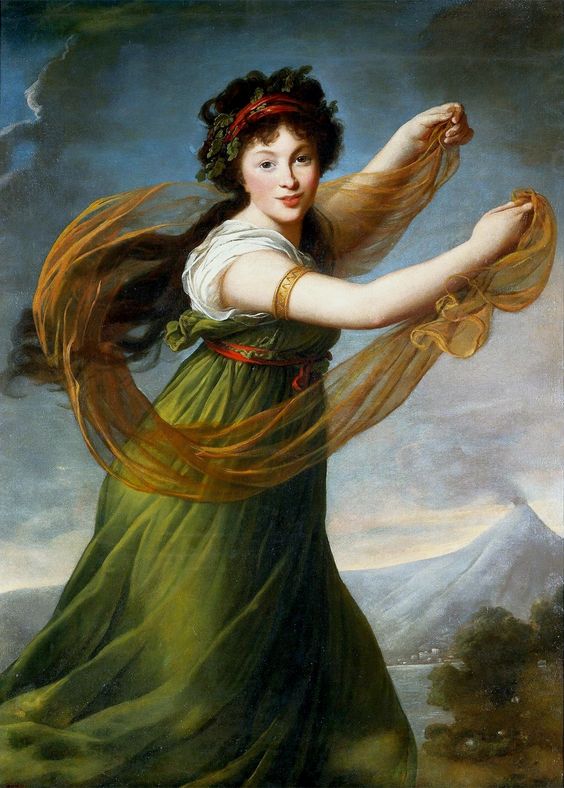
Pélagie Sapieżyna-Potocka, 1794, Royal Castle, Warsaw
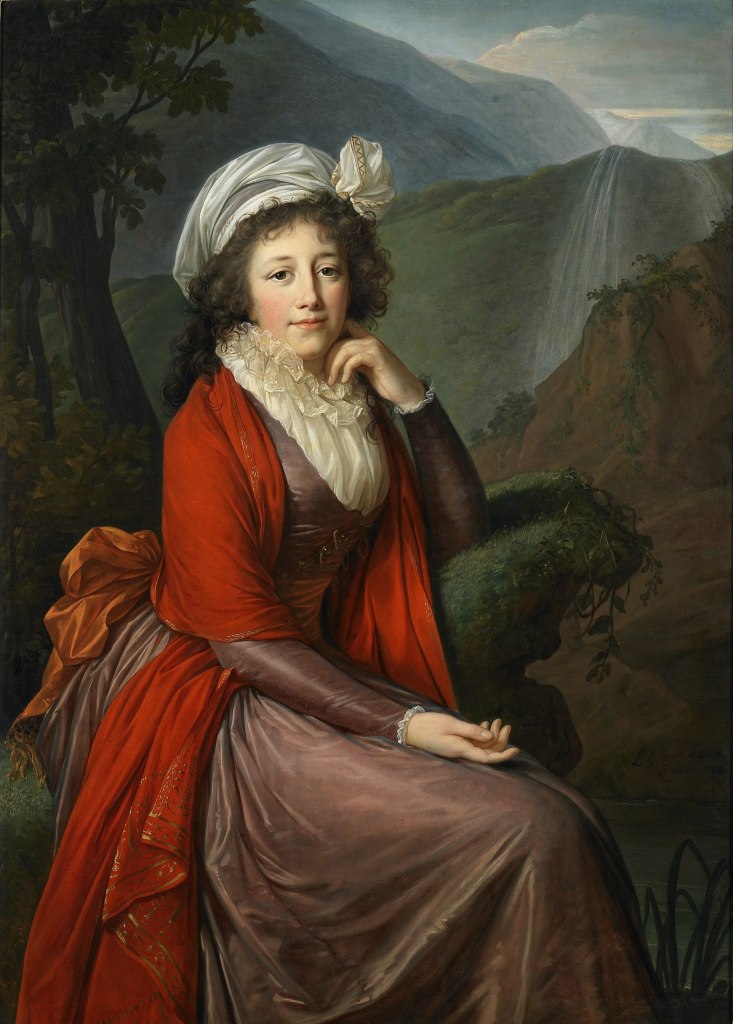

Princess von Esterhazy as Ariadne, 1793, Princely Collections, House of Liechtenstein
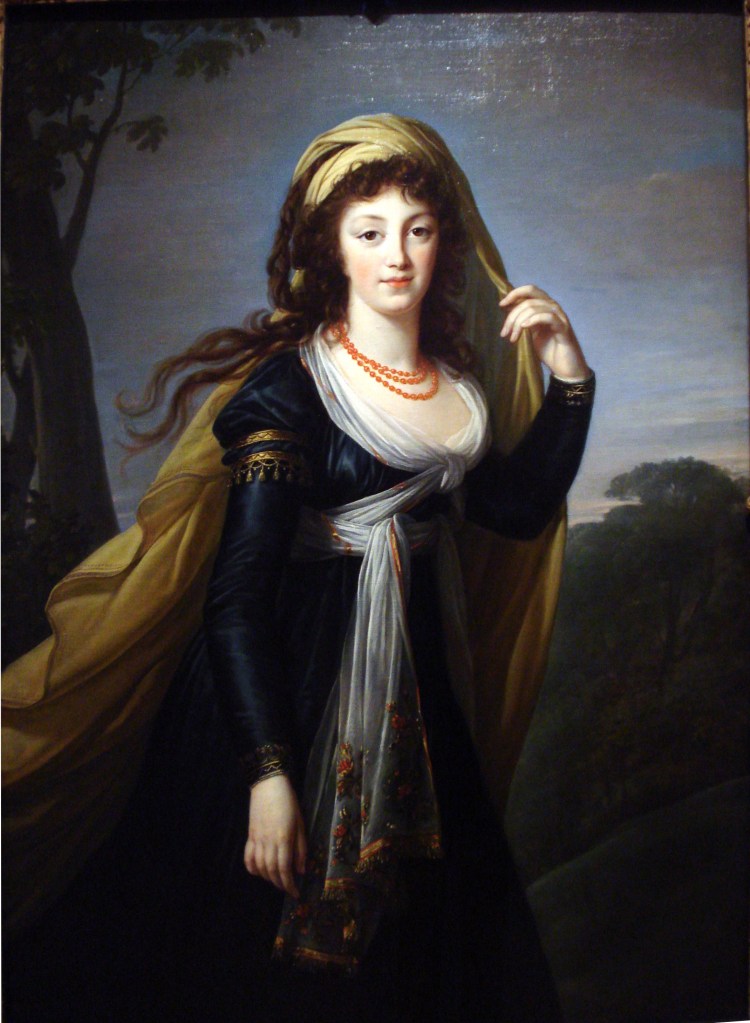
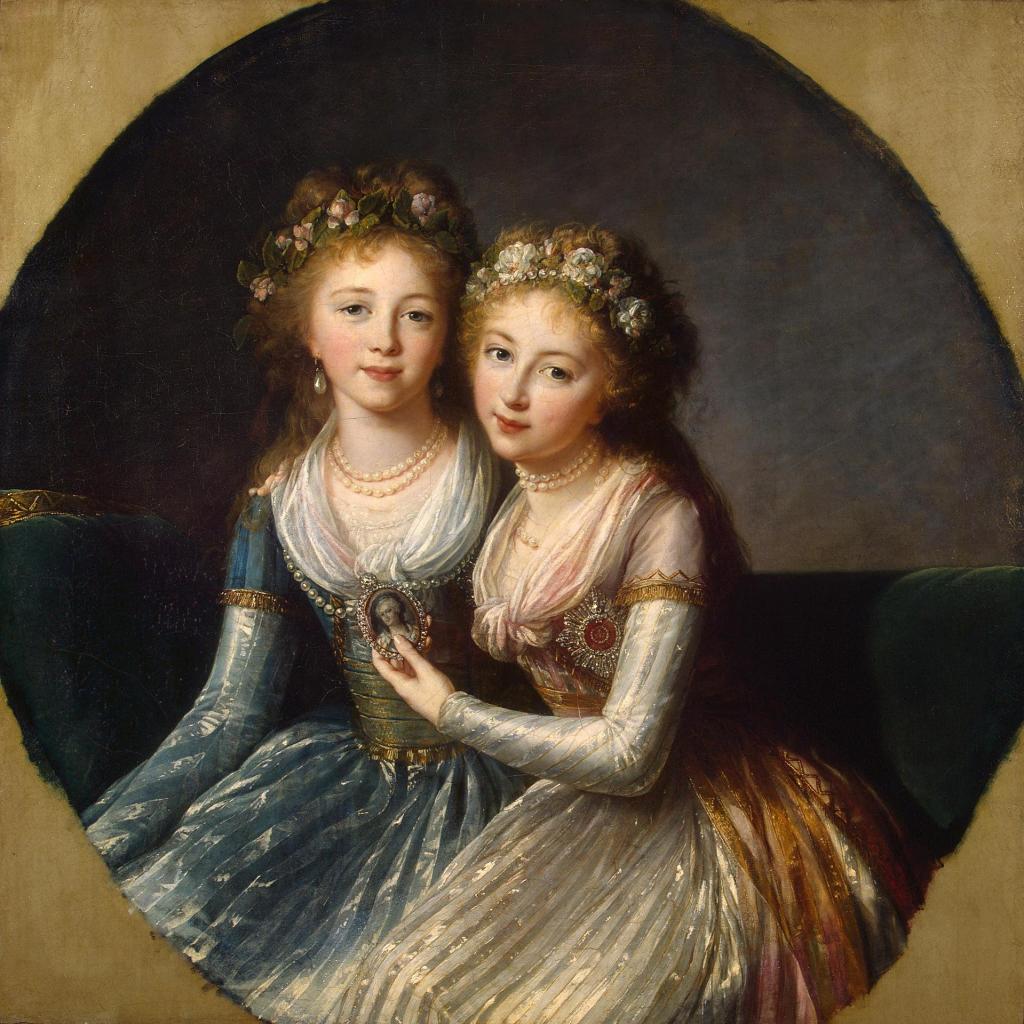
Alexandra and Elena Pavlovna, 1795–1797, Hermitage Museum

Princess Karoline of Liechtenstein, 1793, Liechtenstein Museum
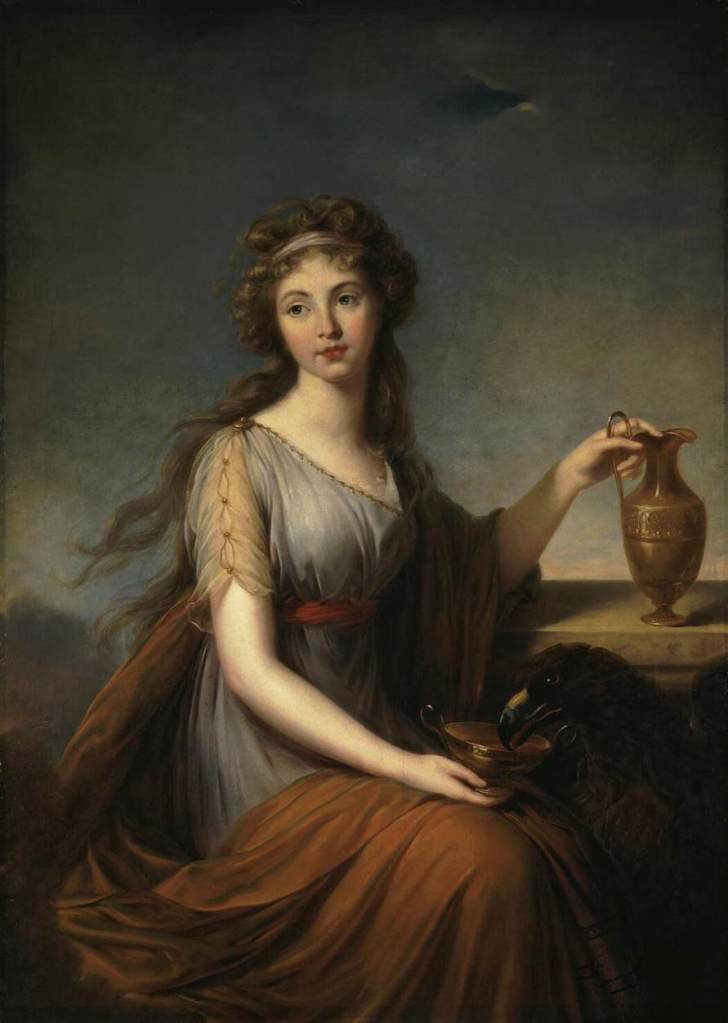
Anne Pitt as Hebe, 1792, Hermitage Museum
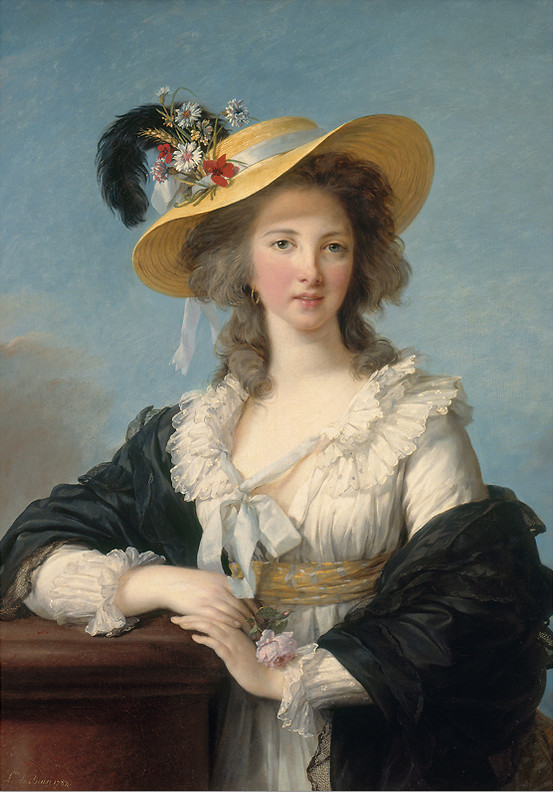
Duchesse de Polignac, 1782 oil on canvas, Musée de l’Histoire de France (Versailles)
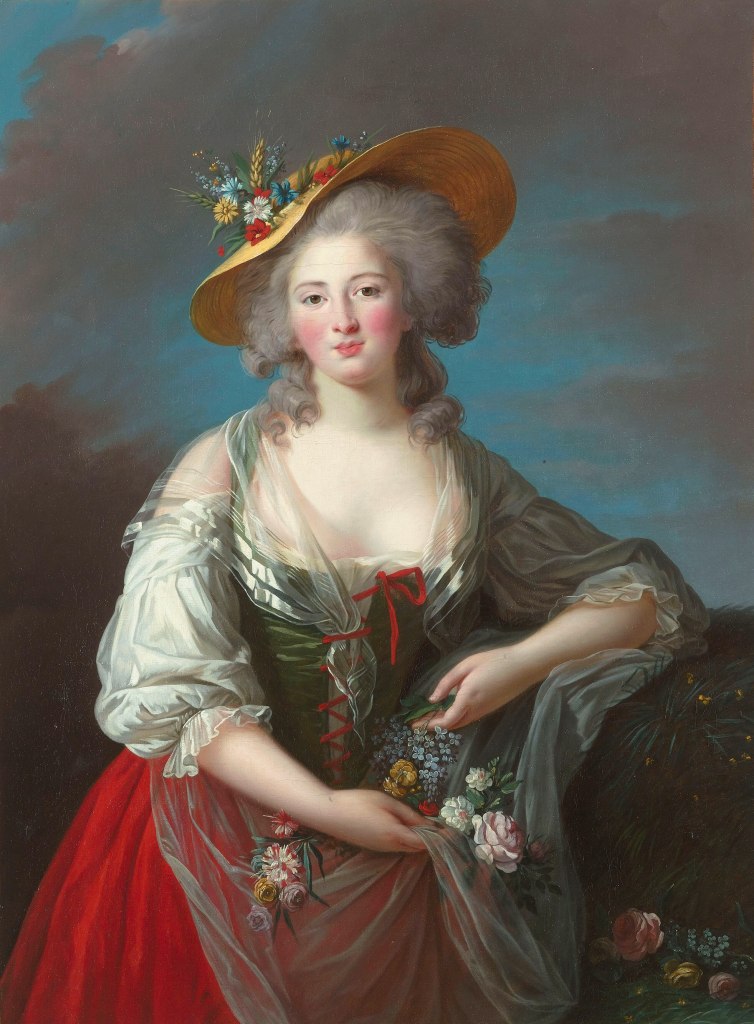
Élisabeth of France, sister of Louis XVI, 1782, Musée de l’Histoire de France

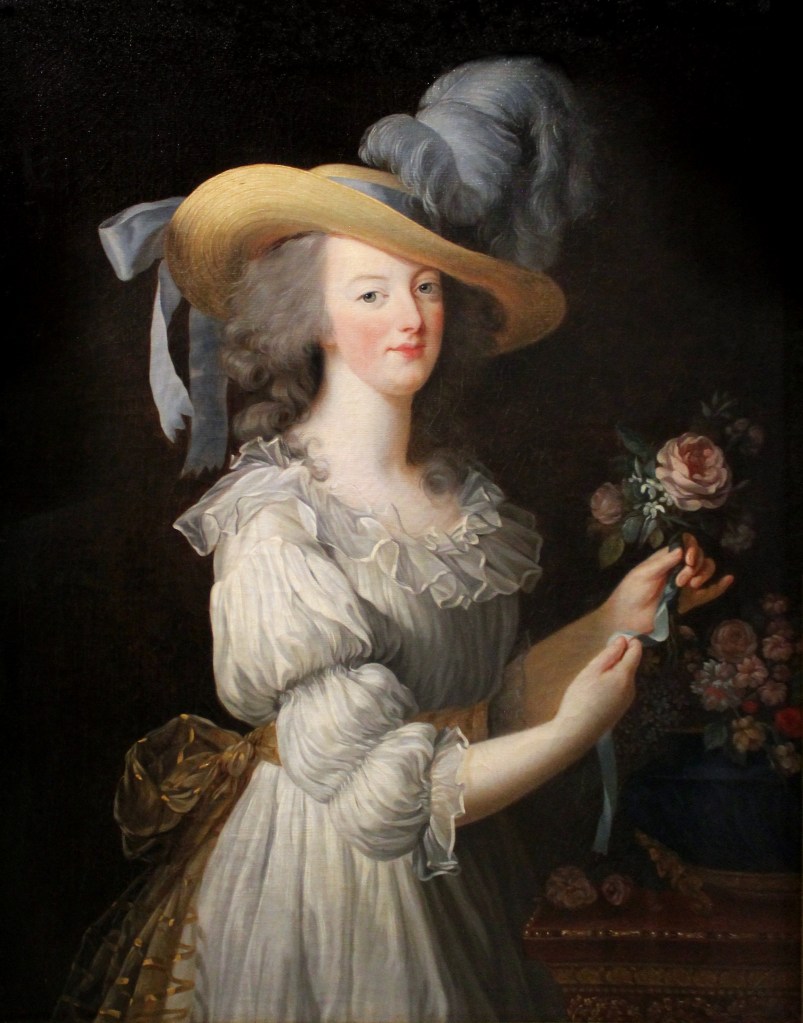
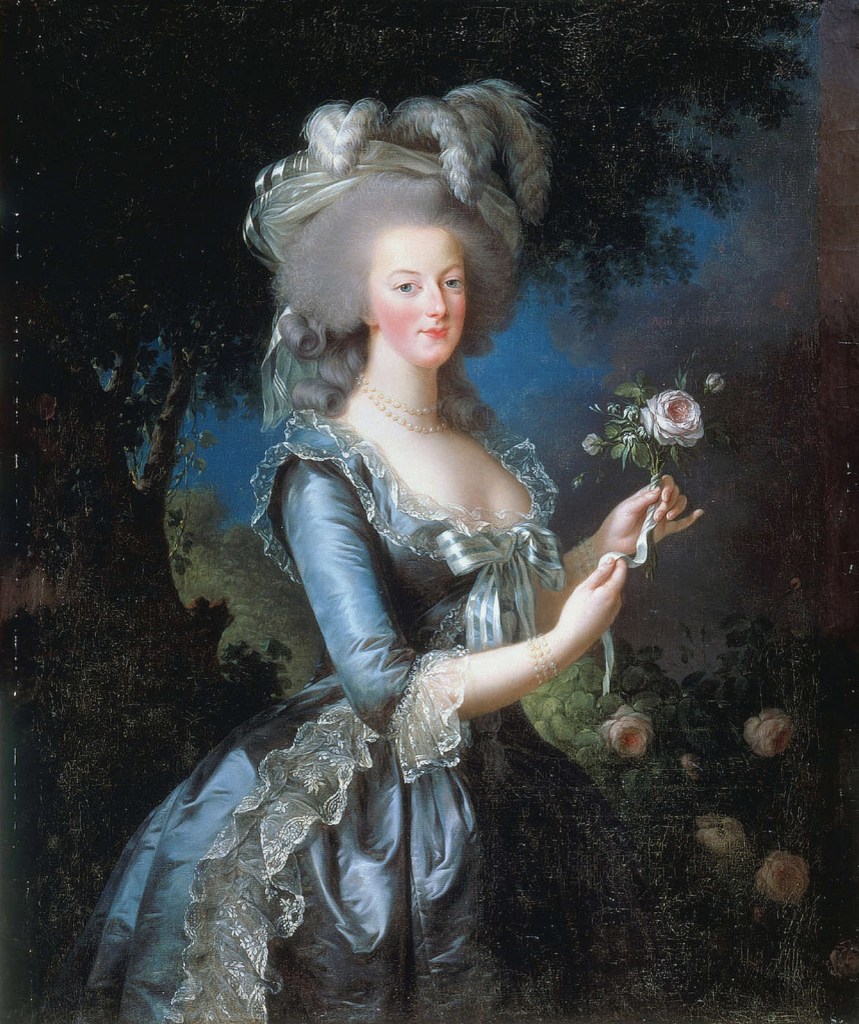
Portrait of Marie Antoinette, 1783 1783. Palace of Versailles

Marie-Antoinette en robe à panier en satin blanc (1778) avec les traits des Habsbourg (menton un peu tombant, yeux globuleux, nez légèrement busqué, lèvre inférieure épaisse), Musée d’histoire de l’art de Vienne
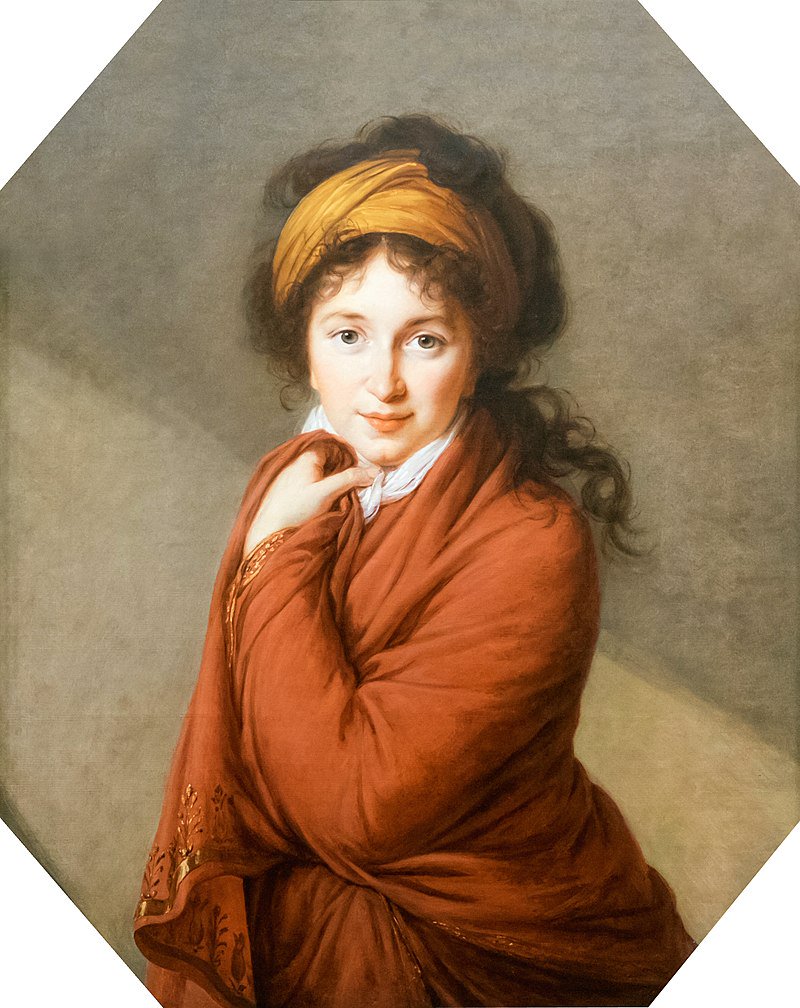
Varvara Golovina
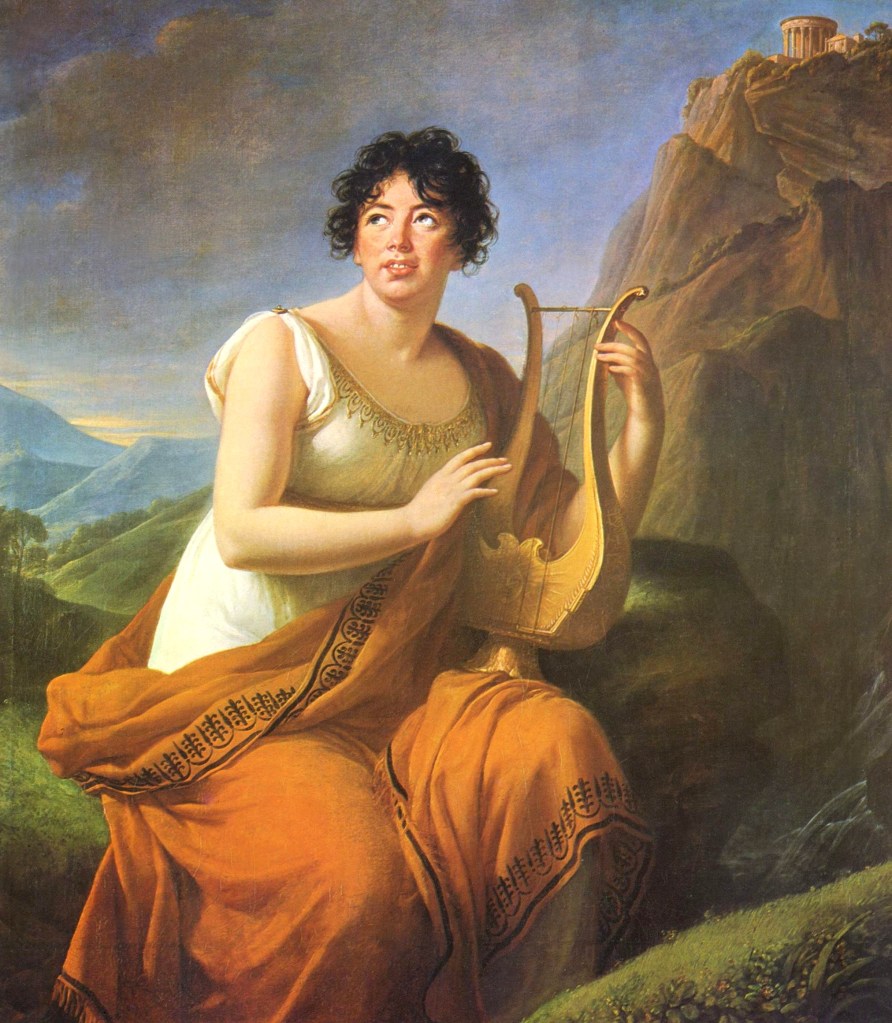

Jeanne Bécu, comtesse du Barry (1782)

Madame Grand, 1783, Metropolitan Museum of Art
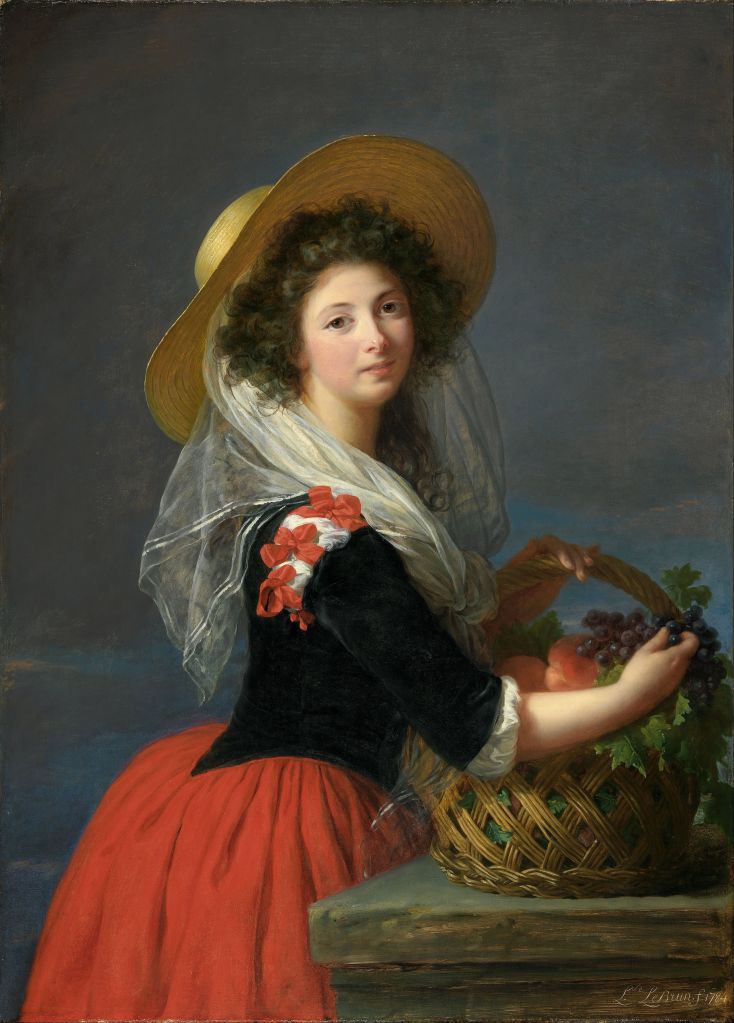
Marie-Gabrielle de Gramont, Duchesse de Caderousse, 1784, Nelson-Atkins Museum of Art
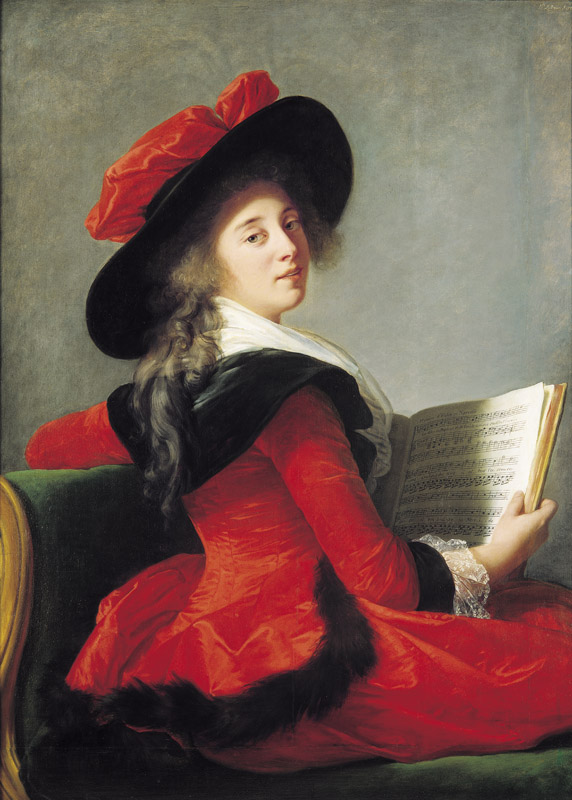
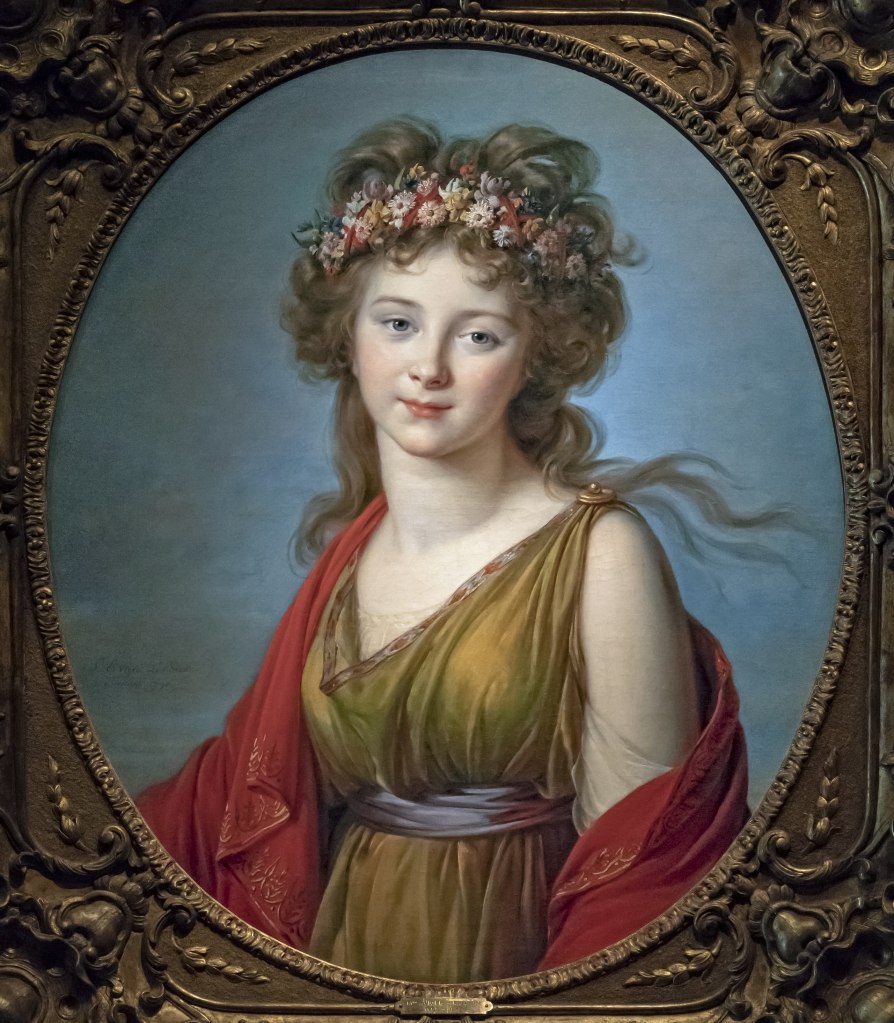
Le Portrait de la comtesse Kagenek en Flore, réalisé en 1792 à Vienne

Comtesse de La Châtre, 1789, Metropolitan Museum of Art

Madame Molé-Reymond, actrice de la Comédie italienne, 1786, Louvre Museum

Vicomtesse de Vaudreuil, 1785, Getty Center

Portrait of the Duchess of Berry, 1824
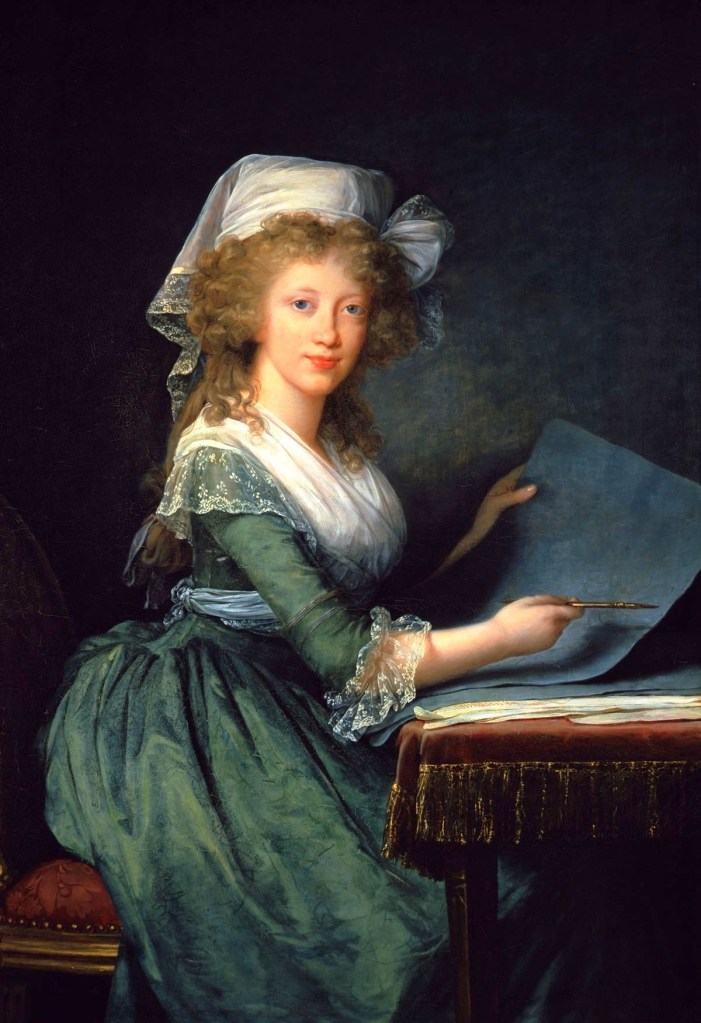
Luisa Maria Amelia di Borbone, 1790, Museo di Capodimonte
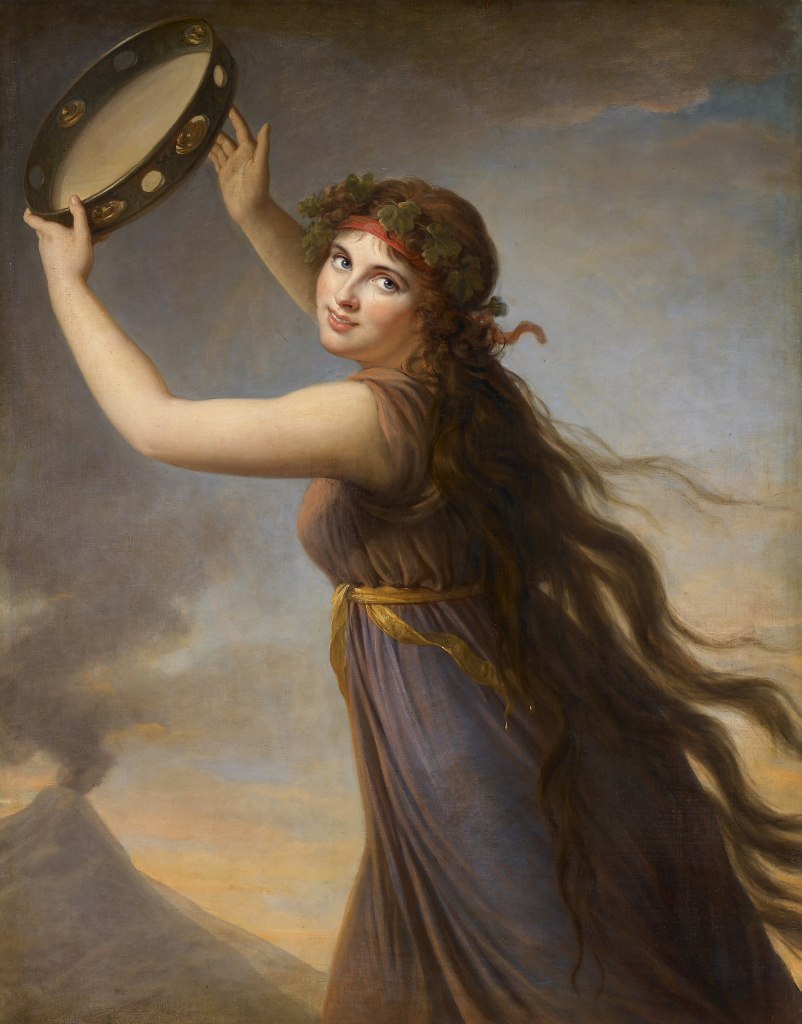
Lady Hamilton as a Bacchante, 1792, Lady Lever Art Gallery


Today is the birthday of Ford Madox Brown (Calais, France 16 April 1821 – 6 October 1893 London); painter of moral and historical subjects, notable for his distinctively graphic and often Hogarthian version of the Pre-Raphaelite style. Perhaps his most notable painting was Work (1852–1865). Brown spent the latter years of his life painting the Manchester Murals, depicting Mancunian history, for Manchester Town Hall.
 | |
Brown was married twice. His first wife Elizabeth Bromley was his first cousin, the daughter of his mother’s sister Mary. They were married in Meopham in Kent in April 1841, shortly before his 20th birthday and less than a year after the sudden death of his sister Elizabeth. They lived in Montmartre in 1841 with Brown’s invalid father who died the following summer.
They travelled to Rome in 1845 to alleviate the illness of his wife, who was suffering from consumption (pulmonary tuberculosis). She died in Paris in June 1846, aged 27, on the journey back to England from Rome, and was buried on the western side of Highgate Cemetery. Christina Rossetti, Elizabeth Siddal and other members of the Rossetti family were later buried alongside.
Emma Hill became a frequent model for Brown from 1848; for example, she is the wife in The Last of England. She became his mistress, and they shared a house in London, but social convention discouraged him from marrying an illiterate daughter of a bricklayer. Their daughter Catherine Emily was born in 1850, and eventually they were married at St Dunstan-in-the-West in April 1853. Ford leased a house in Fitzroy Square.
Gallery

Romeo and Juliet
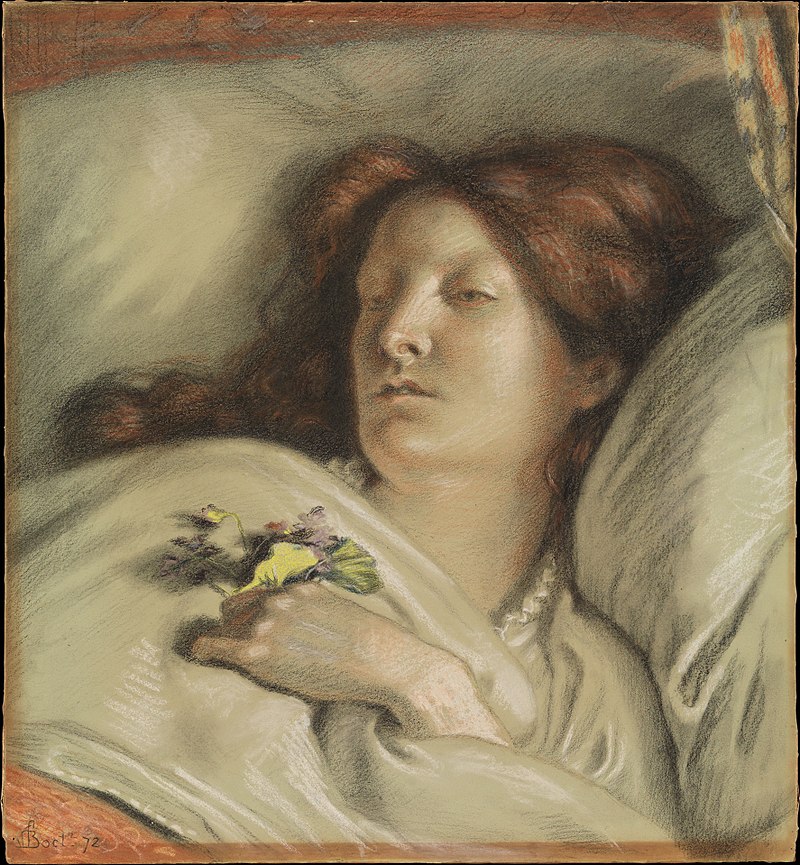
The Convalescent (A Portrait of the Artist’s wife

Byron’s Dream
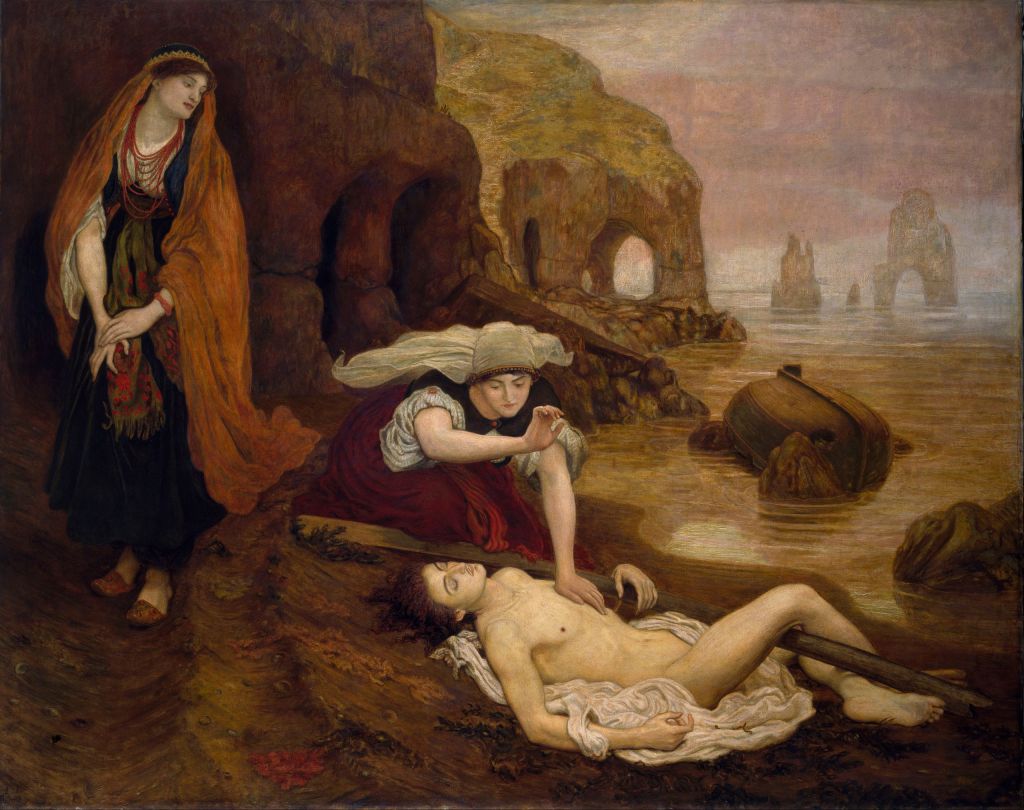
Finding of Don Juan by Haidee, 1873

The Last of England depicting an emigrating couple, 1855

The Irish Girl, 1860
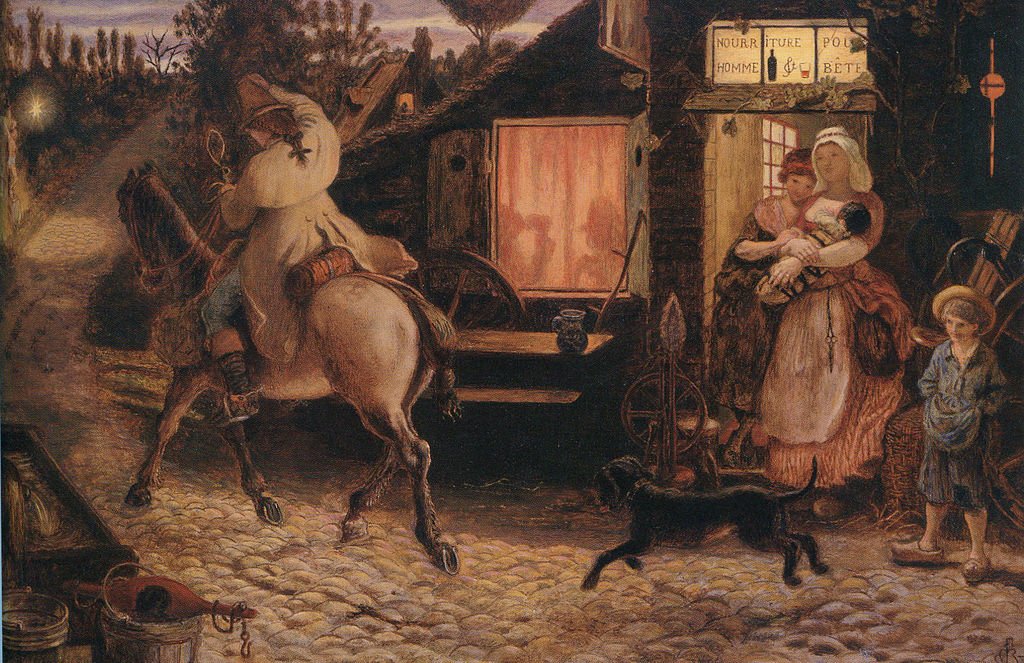
traveller
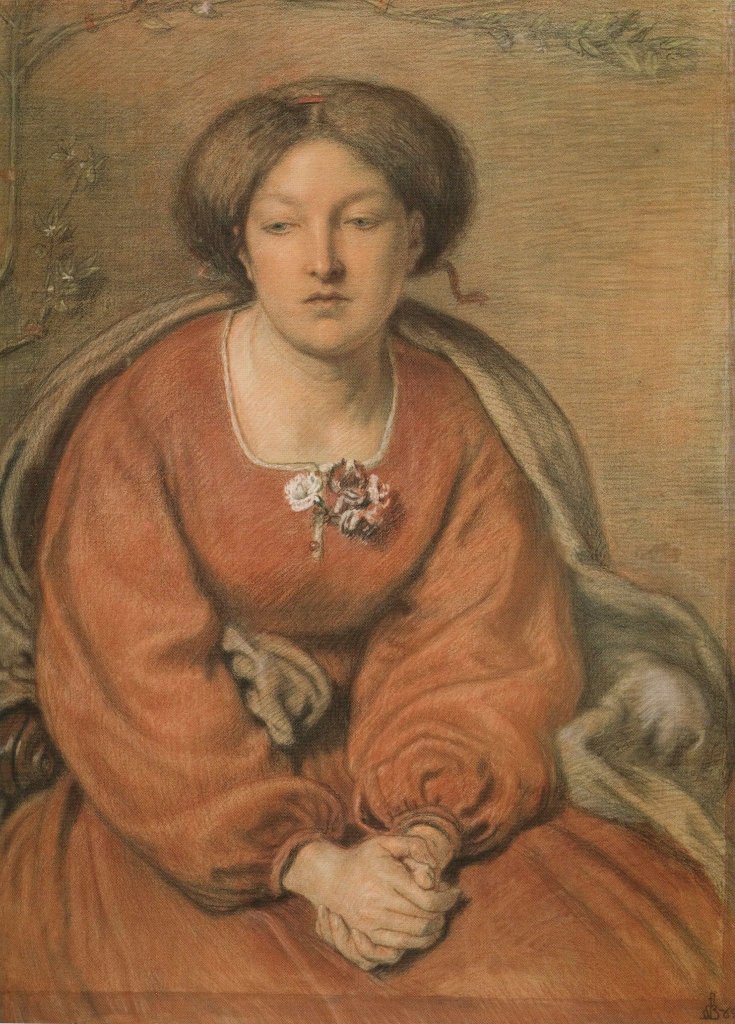
Thinking, his wife emma
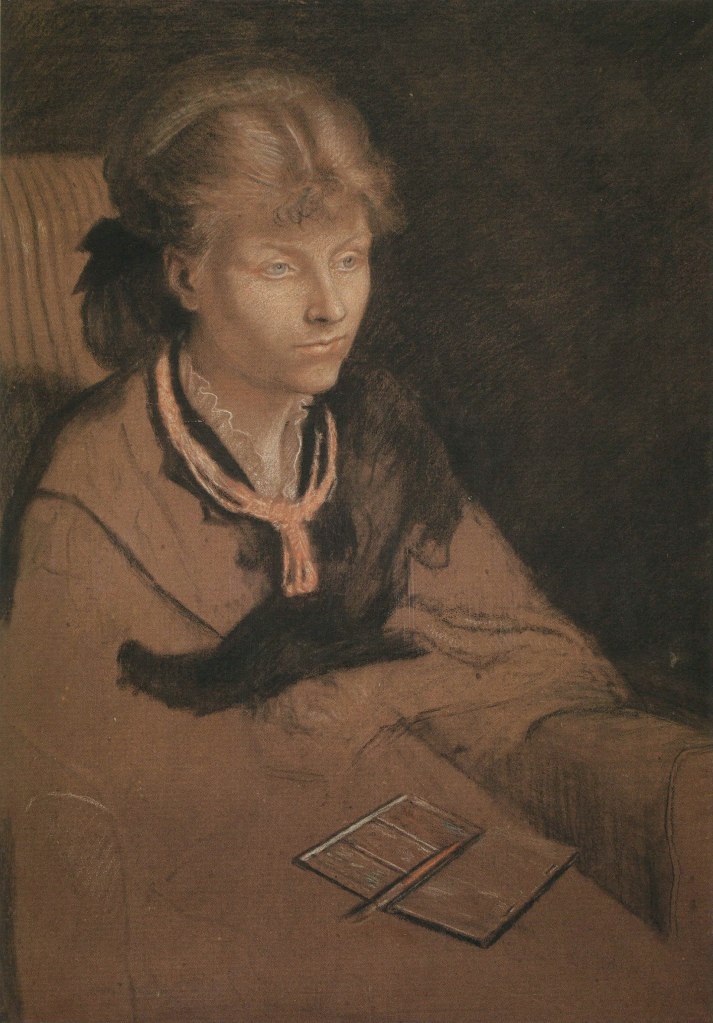
Catherine Madox Brown

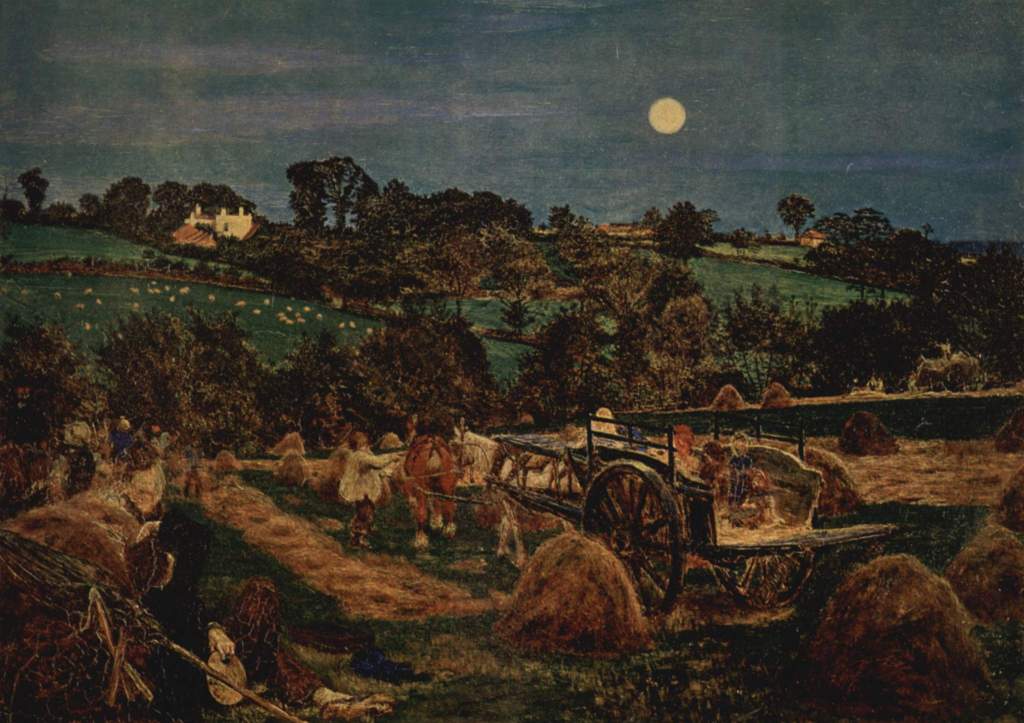
the hay harvest

And today is the birthday of Anatole France (born François-Anatole Thibault, Paris 16 April 1844 – 12 October 1924 Tours); poet, journalist, and novelist. Ironic and skeptical, he was considered in his day the ideal French man of letters. He was a member of the Académie française, and won the 1921 Nobel Prize in Literature “in recognition of his brilliant literary achievements, characterized as they are by a nobility of style, a profound human sympathy, grace, and a true Gallic temperament”. France is also widely believed to be the model for narrator Marcel’s literary idol Bergotte in Marcel Proust’s In Search of Lost Time. We who love opera know him primarily as the author of Thaïs a novel published in 1890. It is based on events in the life of Saint Thaïs of Egypt, a legendary convert to Christianity who is said to have lived in the 4th century. It was the inspiration for the 1894 opera of the same name by Jules Massenet.
1877, France married Valérie Guérin de Sauville, a granddaughter of Jean-Urbain Guérin, a miniaturist who painted Louis XVI. Their daughter Suzanne was born in 1881 (and died in 1918).
France’s relations with women were always turbulent, and in 1888 he began a relationship with Madame Arman de Caillavet, who conducted a celebrated literary salon of the Third Republic. The affair lasted until shortly before her death in 1910.
After his divorce, in 1893, France had many liaisons, notably with a Madame Gagey, who died by suicide in 1911.
In 1920, France married for the second time, to Emma Laprévotte.
Quotes
Les plus beaux mots du monde ne sont que de vains sons, si on ne les comprend pas.
- The finest words in the world are only vain sounds, if you cannot comprehend them.
- Series I : Propos de rentrée: la terre et la langue
En art comme en amour, l’instinct suffit.
- In art as in love, instinct is enough.
- Le Jardin d’Épicure [The Garden of Epicurus] (1894)
Un conte sans amour est comme du boudin sans moutarde; c’est chose insipide.
- A tale without love is like beef without mustard: insipid.
- La Révolte des Anges [The Revolt of the Angels], (1914), ch. VIII
On devient bon écrivain comme on devient bon menuisier: en rabotant ses phrases.
- You become a good writer just as you become a good joiner: by planing down your sentences.
- As quoted in Anatole France en pantoufles by Jean-Jacques Brousson (1924); published in English as Anatole France Himself: A Boswellian Record by His Secretary, Jean-Jacques Brousson (1925), trans. John Pollock, p. 85
thanks for stoppin’ by y’all
mac tag
 The Lovers’ Chronicle
Leave a reply to The Lovers’ Chronicle 19 August – your hands – birth of Madame du Barry – art by Gustave Caillebotte – photography by E. J. Bellocq – The Lovers’ Chronicle Cancel reply