
Dear Zazie,
Here is today’s Lovers’ Chronicle from Mac Tag to his muse. This is one of our favorite days in TLC. Beauty and sorrow, our two favorite topics, were never done better than by the trio of today’s birthday boys.
Rhett
The Lovers’ Chronicle
Dear Muse,
black dream…
- Sitting at the bar at La Venencia in Madrid, he is drinking a sherry martini and the wonderful redhead is drinking a tinto de verano;
cheers my dear
Cheers my love, she says, this bar is fabulous
i do love a good bar and apparently,
this was Hemingway’s favorite in Madrid
Any other destination on the agenda tonight
another day fraught with beauty and sorrow;
we could go to Goya’s house, Quinta del Sordo, villa of the deaf one,
which is not far from here, and see the Pinturas negras, the black
paintin’s, dark and disturbin’, that he painted directly on the walls,
for me, the most amazin’ story in art, or
perhaps a visit to see Verlaine and Rimbaud,
but that leads to bullets flyin’, heartbreak
and drownin’ sorrows in absinthe,
that last part does sound good though, or


© copyright 2024 mac tag/cowboycoleridge all rights reserved
had to go with pinturas negras for the theme,
given my fascination with Goya’s paintin’s,
but for a song, we are gonna pivot off of the word black
and i know we will be in complete agreement on the song;
“All the pictures had
All been washed in black
Tattooed everything”
”Yes, Pearl Jam, the best black song”
and there are a lot of great black songs,
i have a playlist of black songs
”l’m not shocked”
of course we would have to change
the lyrics to fit where we are,
who knew someday we’d have a beautiful life
who knew we’d be a star
in each other’s sky

© copyright 2023.2024 mac tag/cowboycoleridge all rights reserved
that you understand, certainly one reason, there are many; you, who have read ‘em all, know ’em; the dark pull surfaces now and again and this day serves as reminder to channel that impulse through verse or color, to express the possibilities in every scene, over and over
© copyright 2022 mac tag/cowboycoleridge all rights reserved
no more fallin’
tears
nor long ache
the worst pain
not to understand
without
what have we done,
standin’ here
what will we do
with what is left
we must let this vision ride with luck
on the back of verse that moves
touched with the passion
and colors that ignite
nothin’ else matters
© copyright 2021 mac tag/cowboycoleridge all rights reserved
Pale Love, Pale Rider
she knows the place
she goes there
to escape
when the black
threatens to pull
her under
it comes and goes
without reason
without care
for what she wants
it does not defeat her
she is too strong for that,
but she wonders why
and he is there
ready to help
© copyright 2020 mac tag/cowboy coleridge all rights reserved
for Jeannie Marie
her paintin’s were strikin’
the blackest i ever saw
but life gave her that
she never asked for it
she would talk of tears
that would not fall
and the long ache
she would paint
the darkness
and i would write
tryin’ to keep up,
to understand
her full heart
then
done, standin’ there
tell me what is left
because without you
rien ne suis
rien ne puis
© copyright 2019 mac tag/cowboy coleridge all rights reserved
look forward to this day
to seek the possibilities
of black in everything
in movies, in books
in art, in verse
in bars, in the eyes
of the ones encountered
who know it as well or better
what else matters
these stories
these scenes
what they know
those who have been
© copyright 2018 mac tag/cowboycoleridge all rights reserved
wish we were in Madrid
at the Museo del Prado
to see them again
the pain, the fear
the beauty
later, we would
drink absinthe
and read Verlaine
and offer ourselves
to each other
to be consumed
© copyright 2016 Mac tag/cowboy coleridge all rights reserved
Today is the birthday of Francisco Goya (Francisco José de Goya y Lucientes; Fuendetodos, Aragón, Spain 30 March 1746 – 16 April 1828 Bordeaux); romantic painter and printmaker. In my opinion, the most important Spanish artist of late 18th and early 19th centuries. Goya is often referred to as both the last of the Old Masters and the first of the moderns.
 Self-portrait, c. 1796-97. Museo del Prado
Far and away, my favorite Goya paintings are his so called Pinturas negras (Black Paintings). They are a group of fourteen paintings from the later years of his life, likely between 1819 and 1823. The paintings portray intense, haunting themes, reflective of both his fear of insanity and his bleak outlook on humanity. In 1819, at the age of 72, Goya moved into a two-story house outside Madrid that was called Quinta del Sordo (Deaf Man’s Villa). All of the paintings were executed in oil directly onto the plaster walls of the house. Goya apparently, did not intend for the paintings to be exhibited, nor did not write of them. It was not until around 1874, about 50 years after his death, that they were taken down and transferred to a canvas support. The effects of time on the murals, coupled with the inevitable damage caused by the delicate operation of mounting the crumbling plaster on canvas, meant that most of the murals suffered extensive damage and loss of paint. Today they are on permanent display at the Museo del Prado, Madrid. Goya did not give titles to the paintings, or if he did, he never revealed them. Most names used for them are designations employed by art historians. Initially, they were catalogued in 1828 by Goya’s friend, Antonio Brugada. Pinturas negras have inspired my verse, time and again. I have a long, unfinished, epic poem about them. Here they are:
Images of the Pinturas negras

(Una manola/La Leocadia), Leocadia, 1819-1823
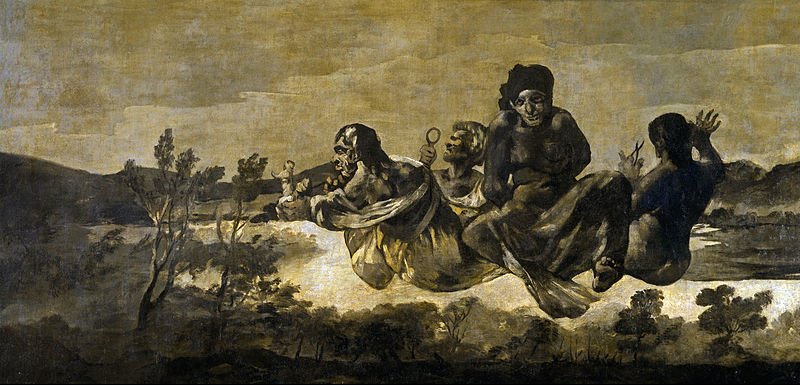
(Átropos/Las Parcas), Atropos (The Fates), 1819-1823
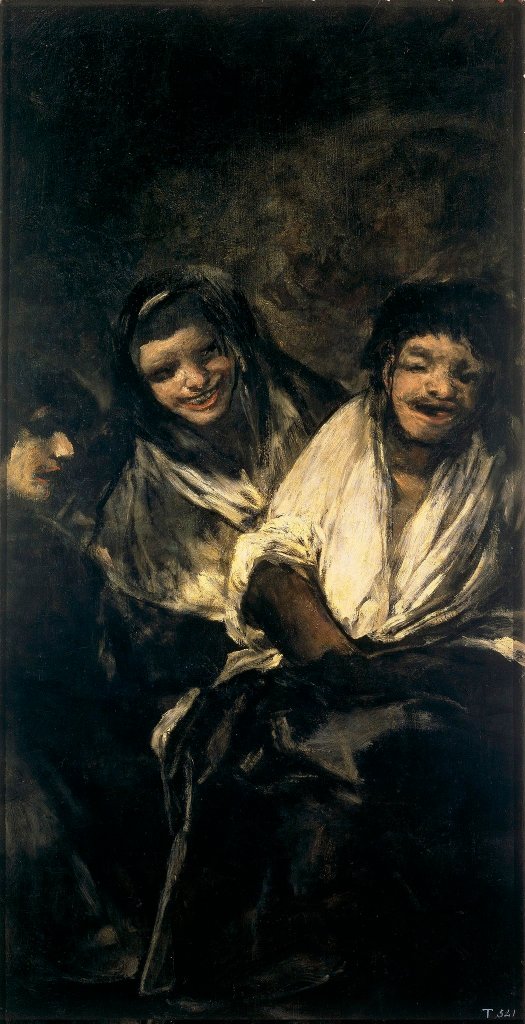
(Mujeres riendo), Women Laughing, 1819-1823
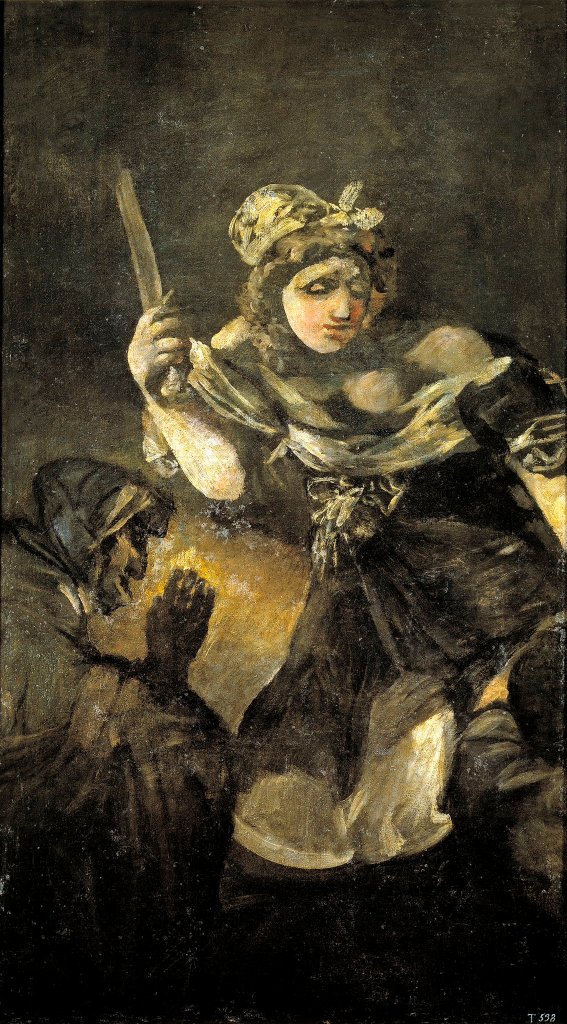
(Judith y Holofernes), Judith and Holofernes, 1819-1823


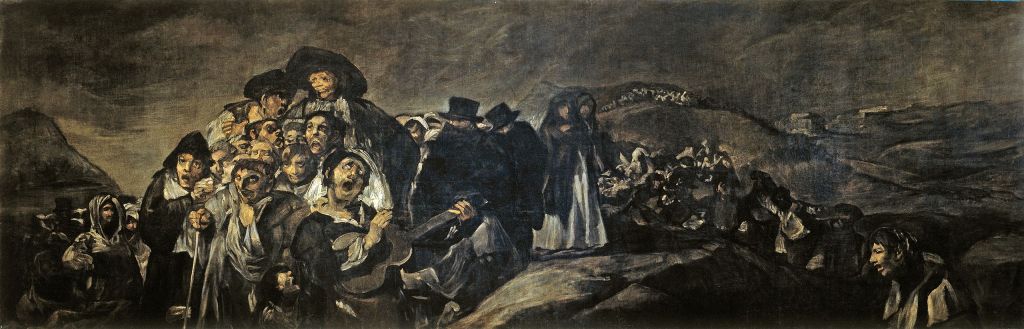
La romería de San Isidro), A Pilgrimage to San Isidro, 1819-1823
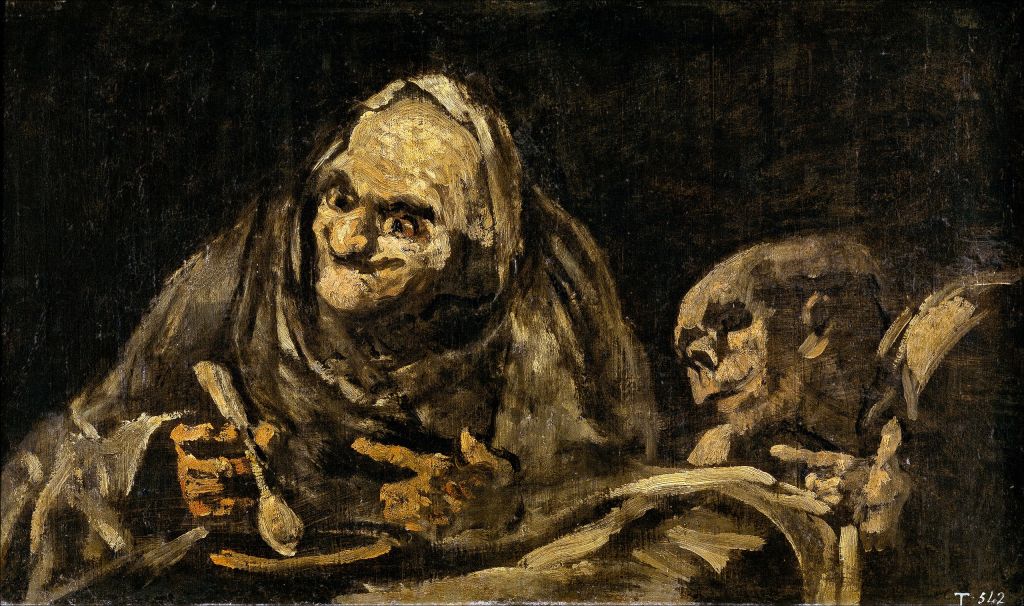
(Dos viejos comiendo sopa), Two Old Ones Eating Soup, 1820–1823


Saturno devorando a su hijo), Saturn Devouring His Son, 1819-1823

Duelo a garrotazos), Fight with Cudgels, 1819-1823

Heads in a Landscape (Cabezas en un paisaje, possibly the fifteenth Black Painting)

(Dos viejos/Un viejo y un fraile), Two Old Men, 1820–1823
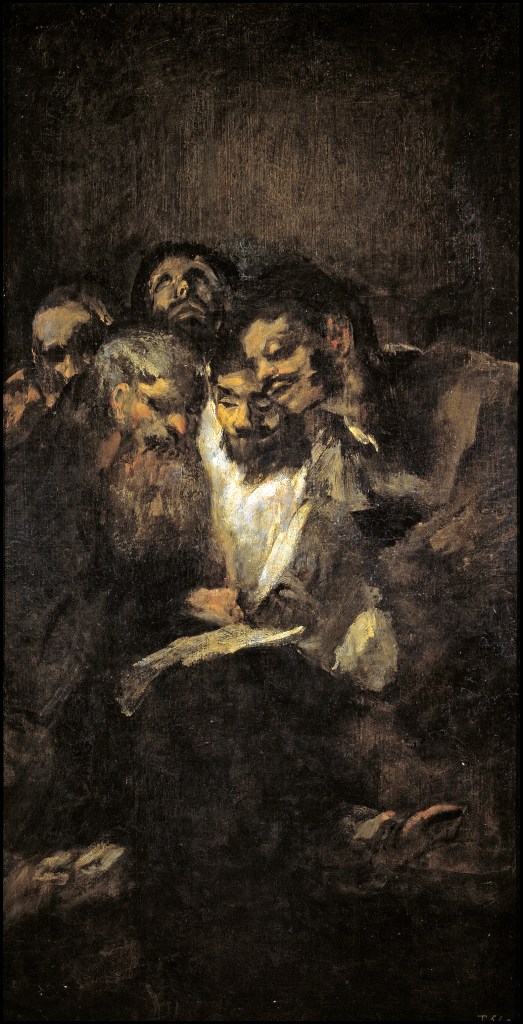
Hombres leyendo), Men Reading, 1819-1823
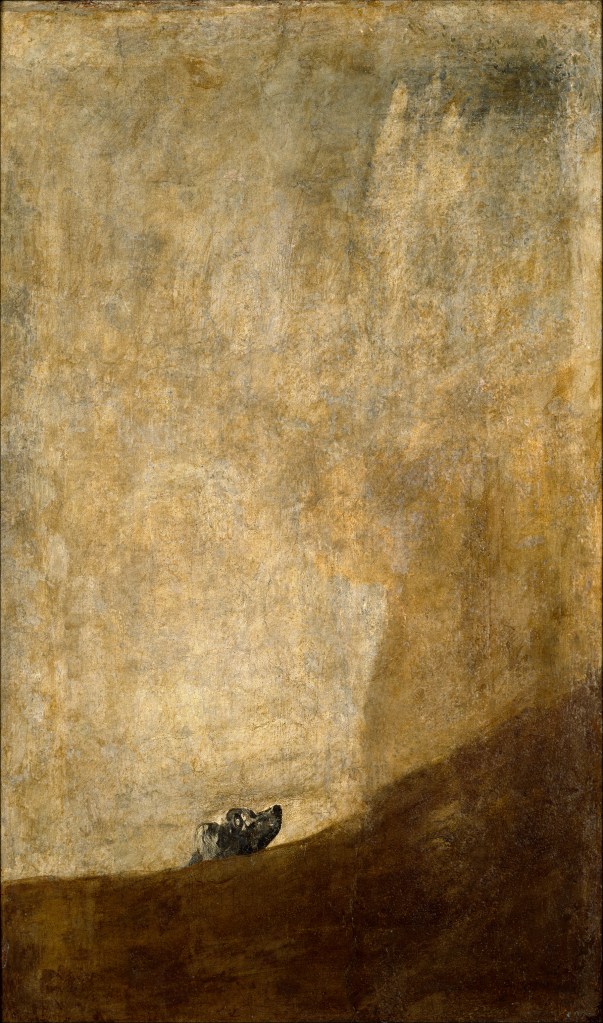
(El perro), The Dog, 1819-1823
Gallery of other paintings

The Milkmaid of Bordeaux, 1825–27, is the third and final Goya portrait which may depict Leocadia Weiss

La maja desnuda, 1790-1800 museo del Prado
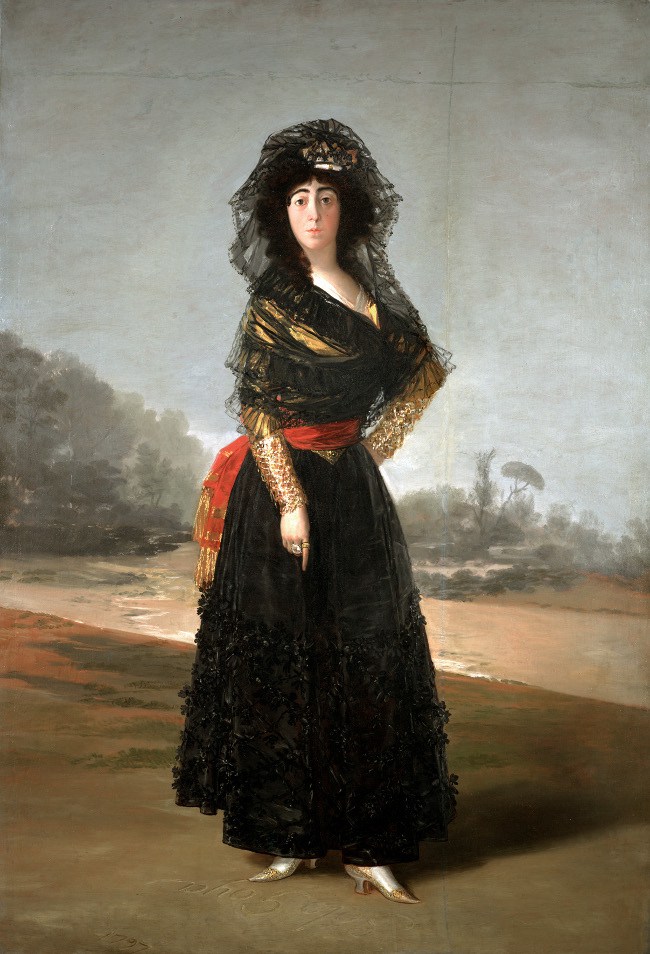
witchcraft series
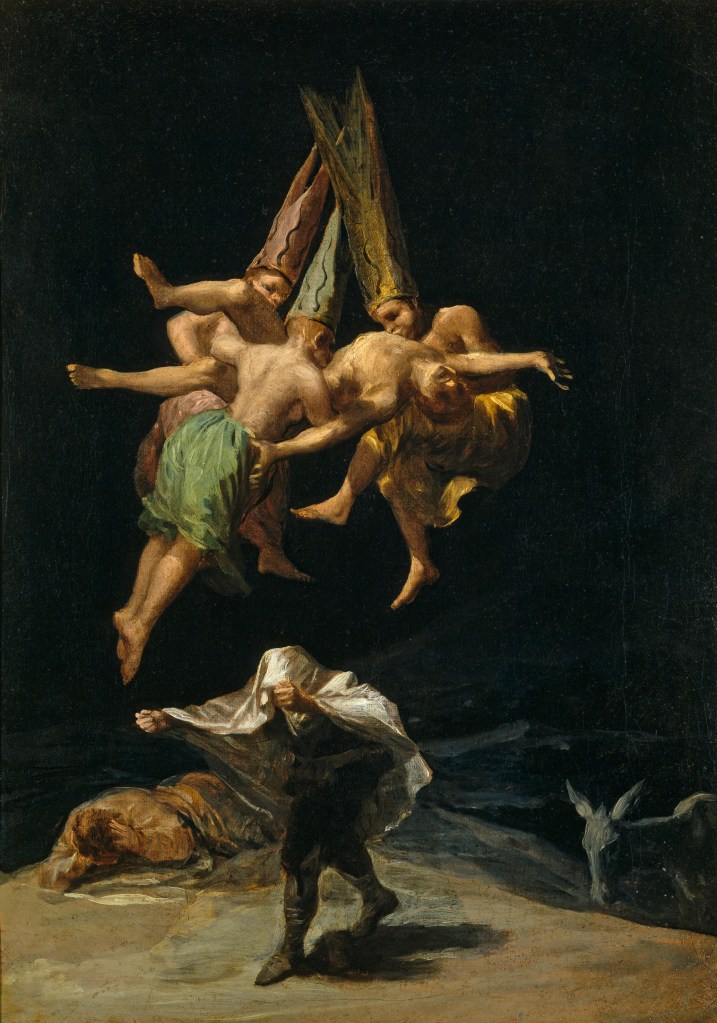
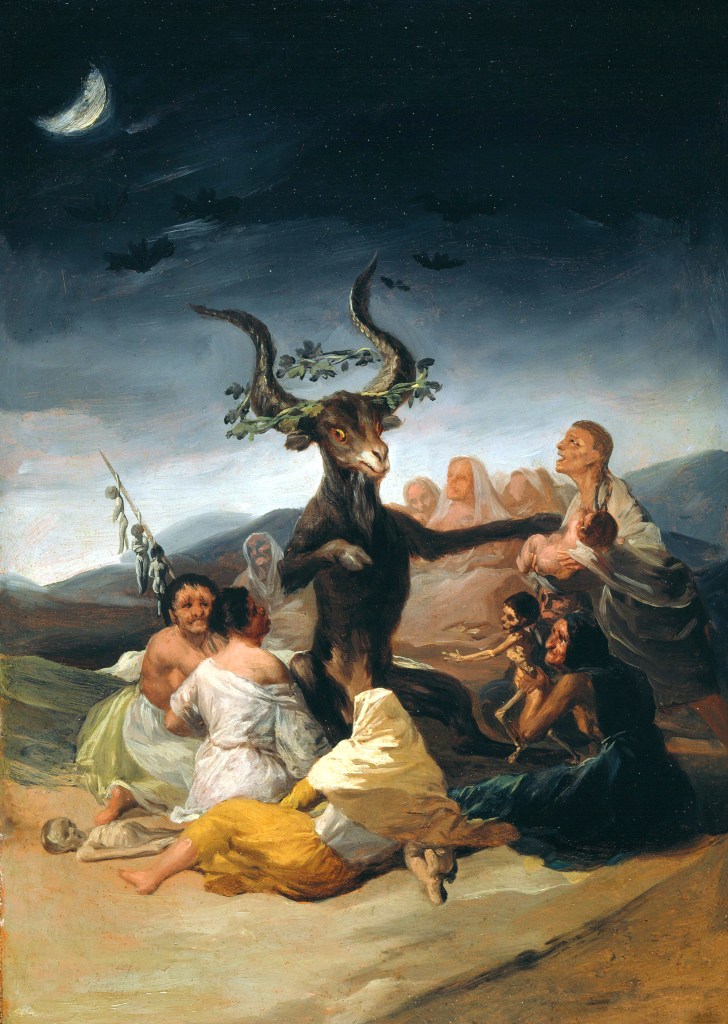
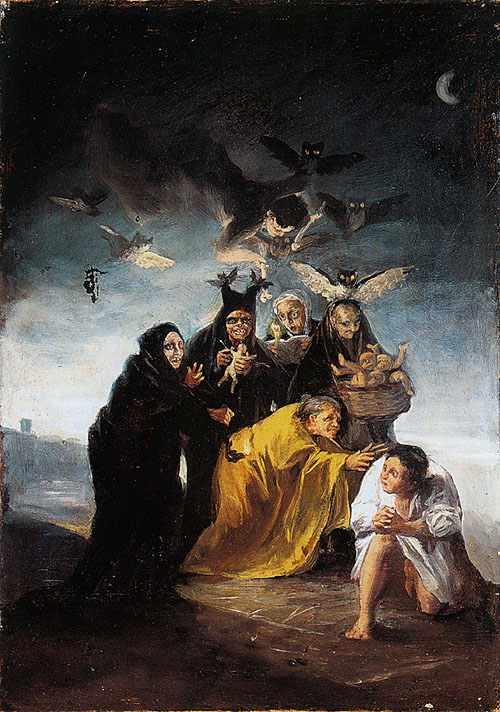
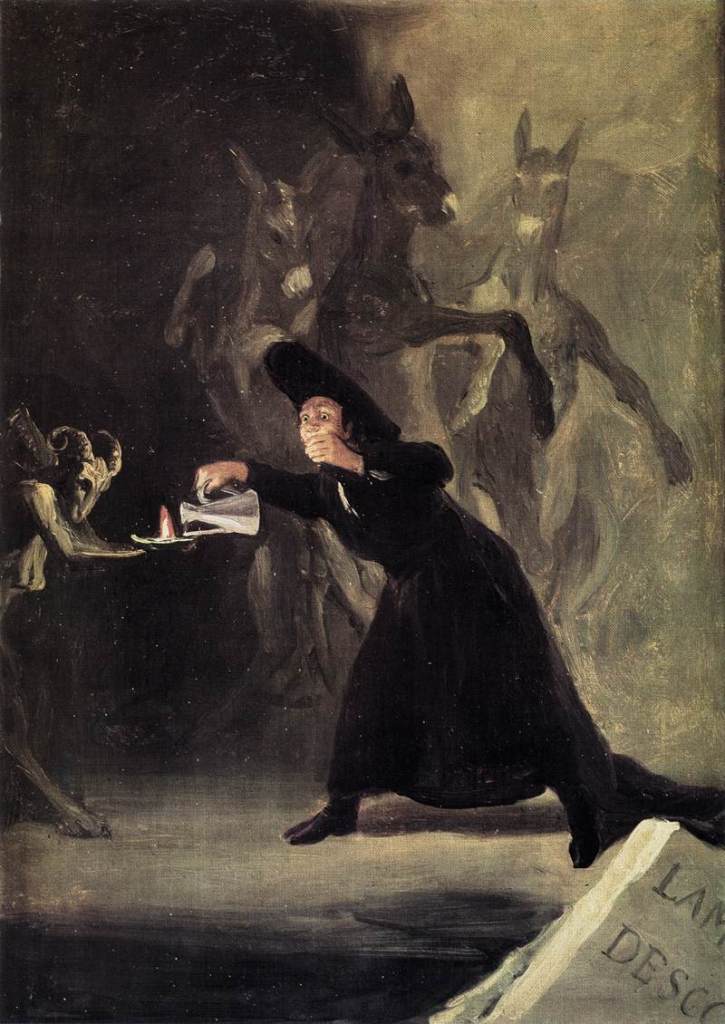

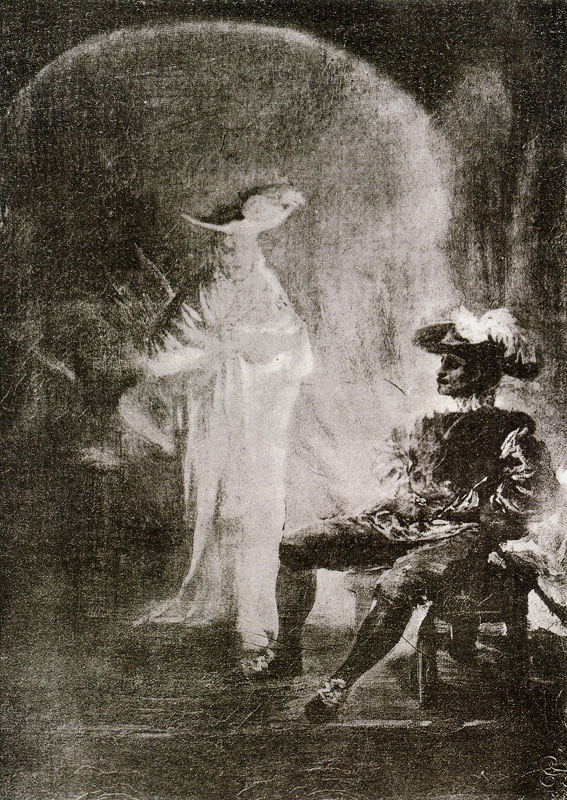
Today is the birthday of Paul Verlaine (Paul-Marie Verlaine; Metz 30 March 1844 – 8 January 1896 Paris); poet associated with the Symbolist movement. In my opinion, he is one of the greatest representatives of the fin de siècle in international and French poetry.
 Portrait by Eugène Carrière 1890
Mathilde Mauté became Verlaine’s wife in 1870. In September 1871, Verlaine received a letter from Arthur Rimbaud, who admired his poetry. Verlaine urged Rimbaud to come to Paris, and by 1872, he had lost interest in Mathilde, and effectively abandoned her and their son, preferring the company of Rimbaud, who was by now his lover. Rimbaud and Verlaine’s stormy affair took them to London in 1872. In Brussels in July 1873, in a drunken, jealous rage, he fired two shots with a pistol at Rimbaud, wounding his left wrist, though not seriously injuring the poet. As an indirect result of this incident, Verlaine was arrested and imprisoned at Mons, where he underwent a re-conversion to Roman Catholicism, which again influenced his work and provoked Rimbaud’s sharp criticism.
Following his release from prison, Verlaine again travelled to England, where he worked for some years as a teacher, teaching French, Latin, Greek and drawing at William Lovell’s school in Stickney in Lincolnshire. From there he went to teach in nearby Boston, before moving to Bournemouth. While in England, he produced another successful collection, Sagesse. Verlaine returned to France in 1877 and, while teaching English at a school in Rethel, fell in love with one of his pupils, Lucien Létinois, who inspired Verlaine to write further poems. Verlaine was devastated when Létinois died of typhus in 1883.
Verlaine’s last years saw his descent into drug addiction, alcoholism, and poverty. He lived in slums and public hospitals, and spent his days drinking absinthe in Paris cafés. However, the people’s love for his art resurrected support and brought in an income for Verlaine: his early poetry was rediscovered, his lifestyle and strange behaviour in front of crowds attracted admiration, and in 1894 he was elected France’s “Prince of Poets” by his peers. But the drug dependence and alcoholism had taken it’s toll and he died at age 51.
Here are a few of my favorite Verlaine verses:
Il pleure dans mon cœur
Comme il pleut sur la ville.
Quelle est cette langueur
Qui pénètre mon cœur?
- Falling tears in my heart,
Falling rain on the town.
Why this long ache,
A knife in my heart. - “Il pleur dans mon cœur” line 1, from Romances sans paroles (1874); Sorrell p. 69
- C’est bien la pire peine
De ne savoir pourquoi
Sans amour et sans haine
Mon cœur a tant de peine!- By far the worst pain
Is not to understand
Why without love or hate
My heart’s full of pain. - “Il pleur dans mon cœur” line 13, from Romances sans paroles (1874); Sorrell p. 71
- By far the worst pain
Qu’as-tu fait, ô toi que voilà
Pleurant sans cesse,
Dis, qu’as-tu fait, toi que voilà
De ta jeunesse?
- What have you done, you standing there
In floods of tears?
Tell me what you have done
With your young life? - “Le ciel est, par-dessus le toit”, line 13, from Sagesse (1880); Sorrell p. 111
Que ton vers soit la bonne aventure
Éparse au vent crispé du matin
Qui va fleurant la menthe et le thym…
Et tout le reste est littérature.
- You must let your poems ride their luck
On the back of the sharp morning air
Touched with the fragrance of mint and thyme…
And everything else is literature. - Line 33, Sorrell p. 125
Aime-moi
car sans toi
rien ne suis
rien ne puis
| Vincent van Gogh | |
|---|---|
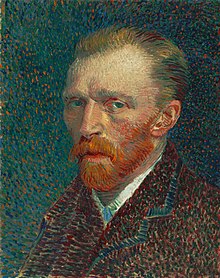 | |
Today is the birthday of Vincent van Gogh (Vincent Willem van Gogh; Zundert, Netherlands 30 March 1853 – 29 July 1890 Auvers-sur-Oise, France); Post-Impressionist painter who is among the most influential figures in the history of Western art. In just over a decade he created about 2,100 artworks, including around 860 oil paintings, most of them in the last two years of his life in France. They include landscapes, still lifes, portraits and self-portraits, and are characterised by bold colours and dramatic, impulsive and expressive brushwork that contributed to the foundations of modern art. His suicide at 37 followed years of mental illness and poverty.
Van Gogh suffered from psychotic episodes and delusions and though he worried about his mental stability, he often neglected his physical health, did not eat properly and drank heavily. His friendship with Paul Gauguin ended after a confrontation with a razor, when in a rage, he severed part of his own left ear. He spent time in psychiatric hospitals, including a period at Saint-Rémy. After he discharged himself and moved to the Auberge Ravoux in Auvers-sur-Oise near Paris, he came under the care of the homeopathic doctor Paul Gachet. His depression continued and on 27 July 1890, Van Gogh shot himself in the chest with a revolver. He died from his injuries two days later.
Van Gogh was unsuccessful during his lifetime, and was considered a madman and a failure. He became famous after his suicide, and exists in the public imagination as the quintessential misunderstood genius, the artist “where discourses on madness and creativity converge”. His reputation began to grow in the early 20th century as elements of his painting style came to be incorporated by the Fauves and German Expressionists. He attained widespread critical, commercial and popular success over the ensuing decades, and is remembered as an important but tragic painter, whose troubled personality typifies the romantic ideal of the tortured artist.
Gallery

La Berceuse (Augustine Roulin), 1889, Museum of Fine Arts, Boston
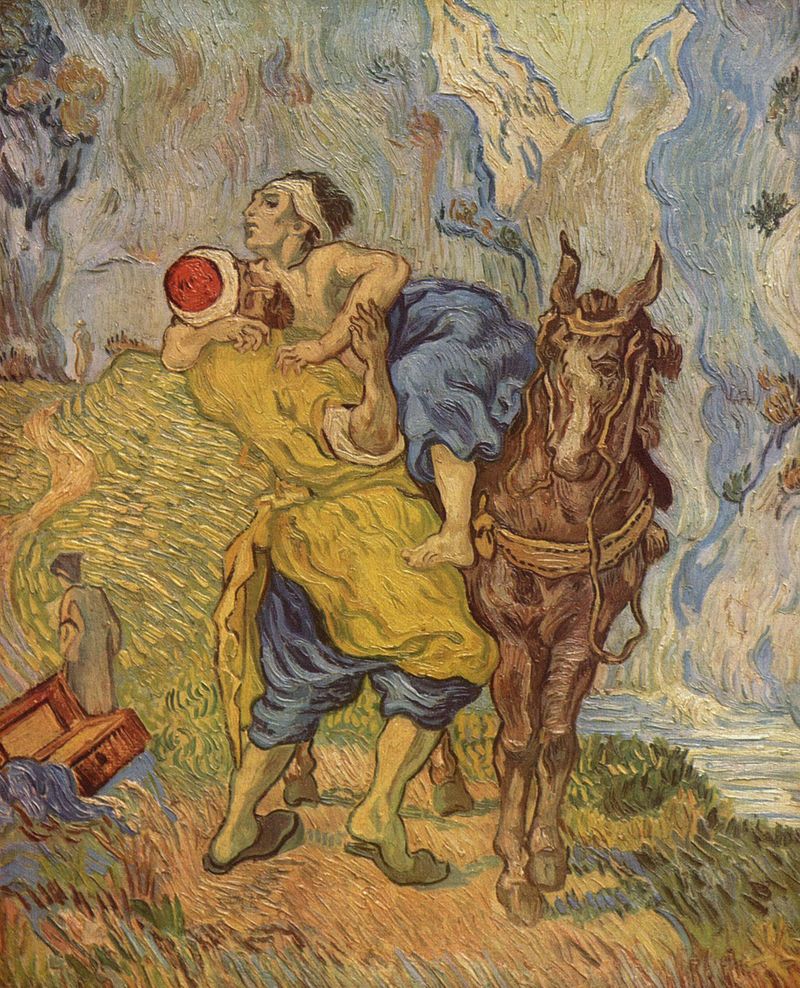
le bon samaritan
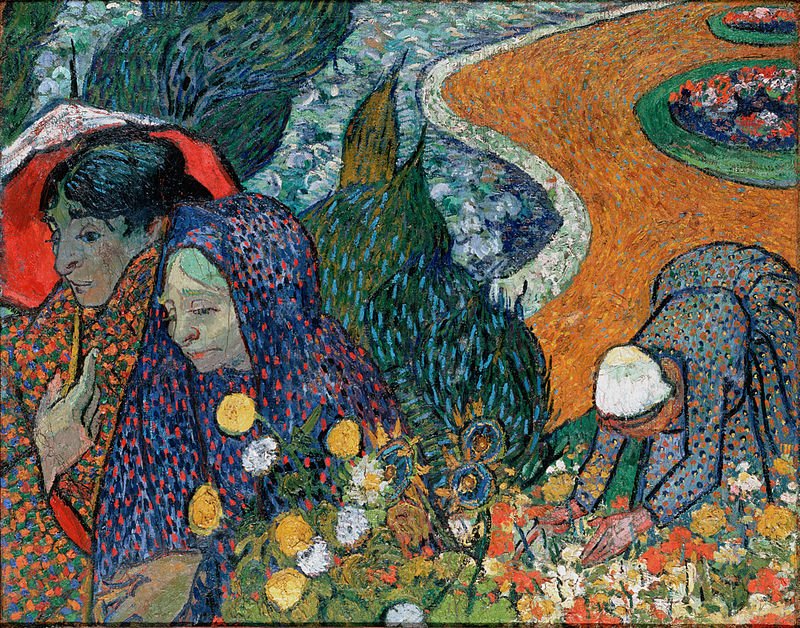
Souvenir du Jardin à Etten (Femmes d’Arles)
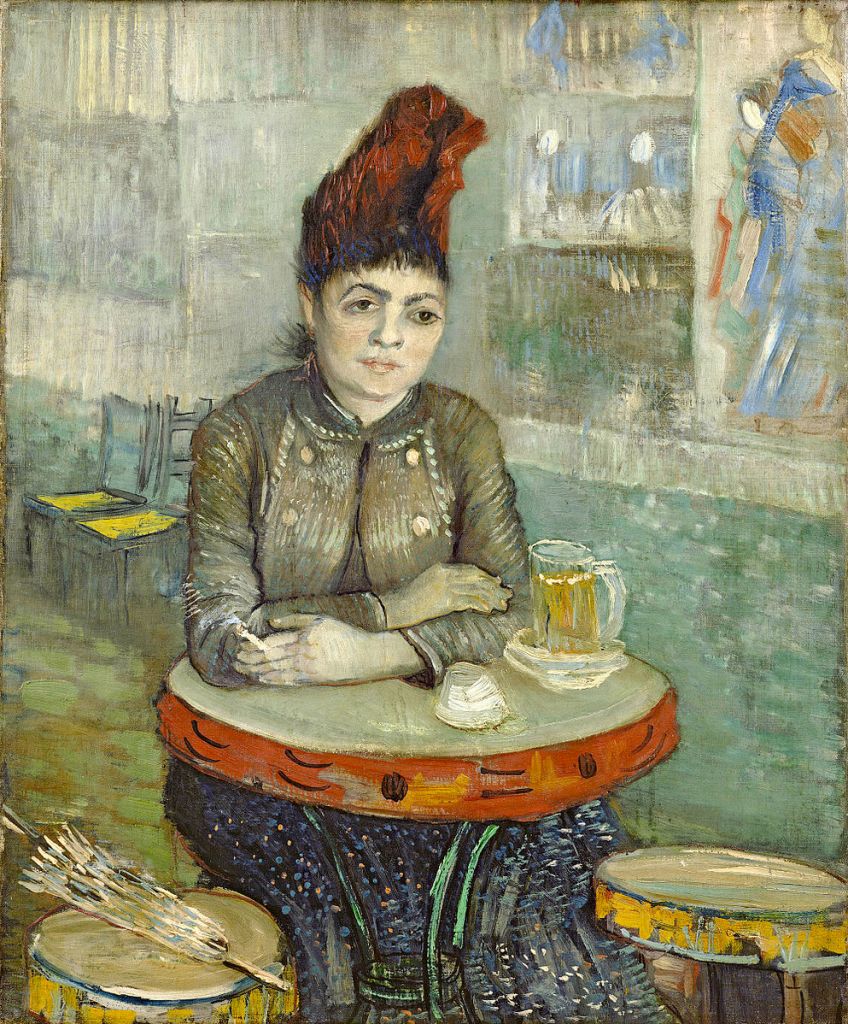
Donna al Cafè Le Tambourin

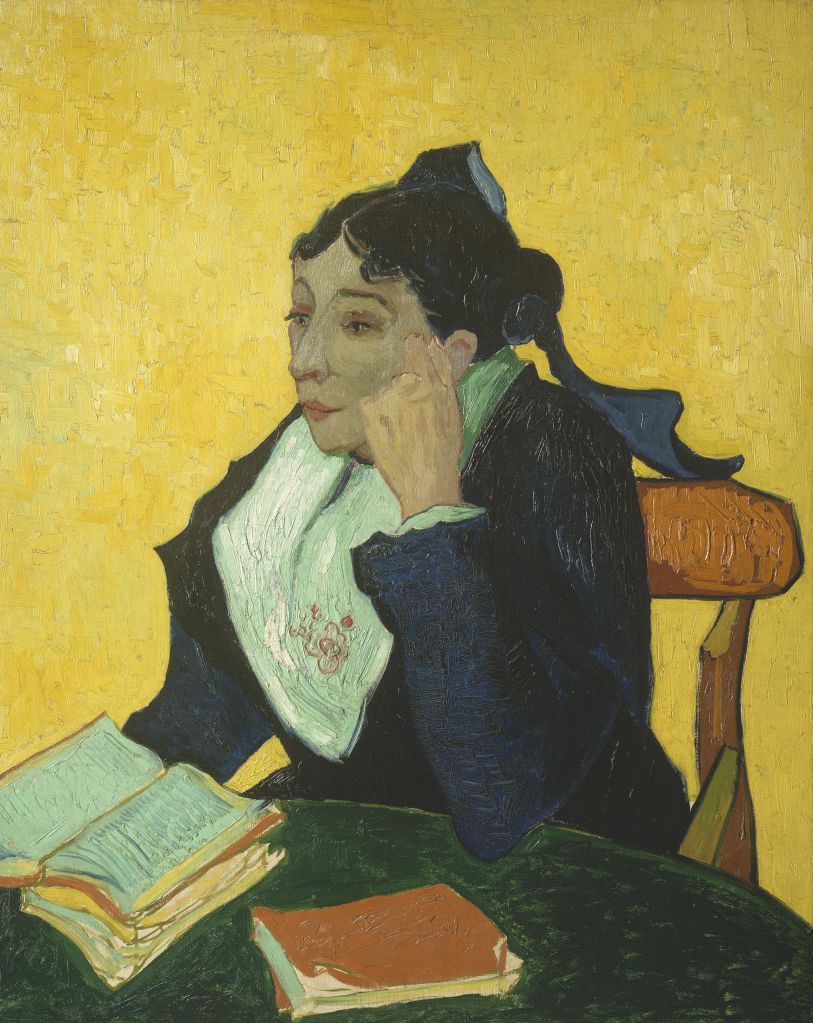
L’Arlésienne: Madame Ginoux with Books, November 1888. Metropolitan Museum of Art, New York
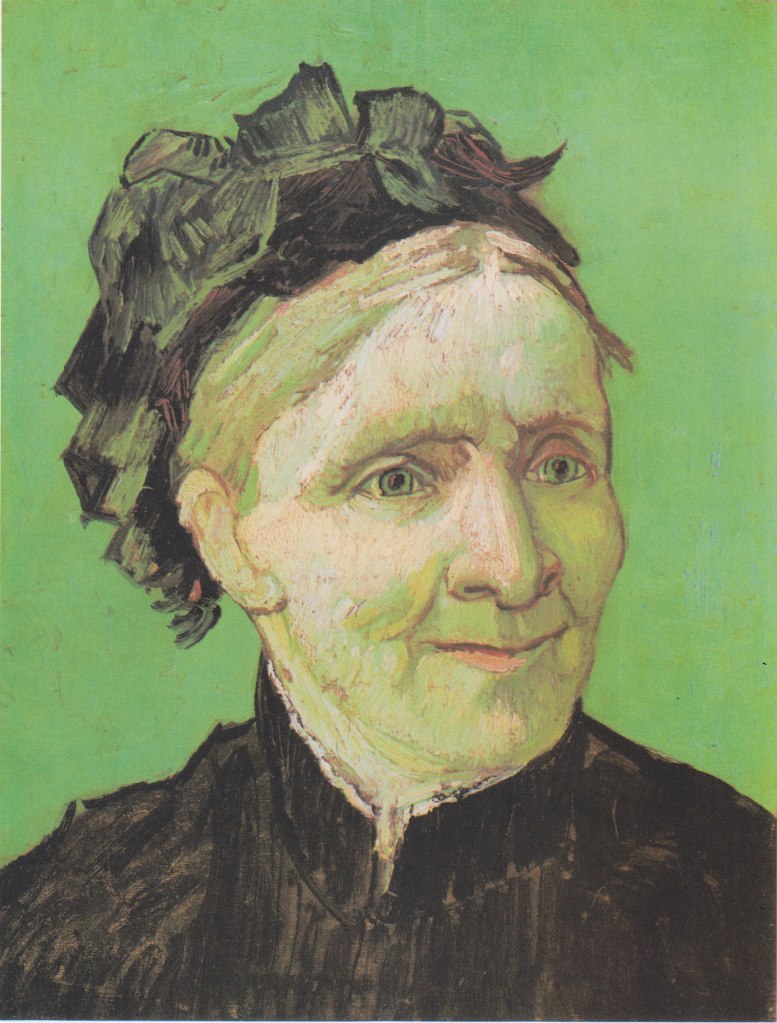
Portrait of Artist’s Mother, October 1888, Norton Simon Museum of Art, Pasadena, California

Maison sous un ciel nocturne, 1890, huile sur toile (59,5 × 73 cm), musée de l’Ermitage (Saint-Pétersbourg), painted six weeks before the artist’s death

Two Peasant Women Digging in a Snow-Covered Field at Sunset (after Jean-François Millet), 1890. Foundation E.G. Bührle Collection, Zurich, Switzerland
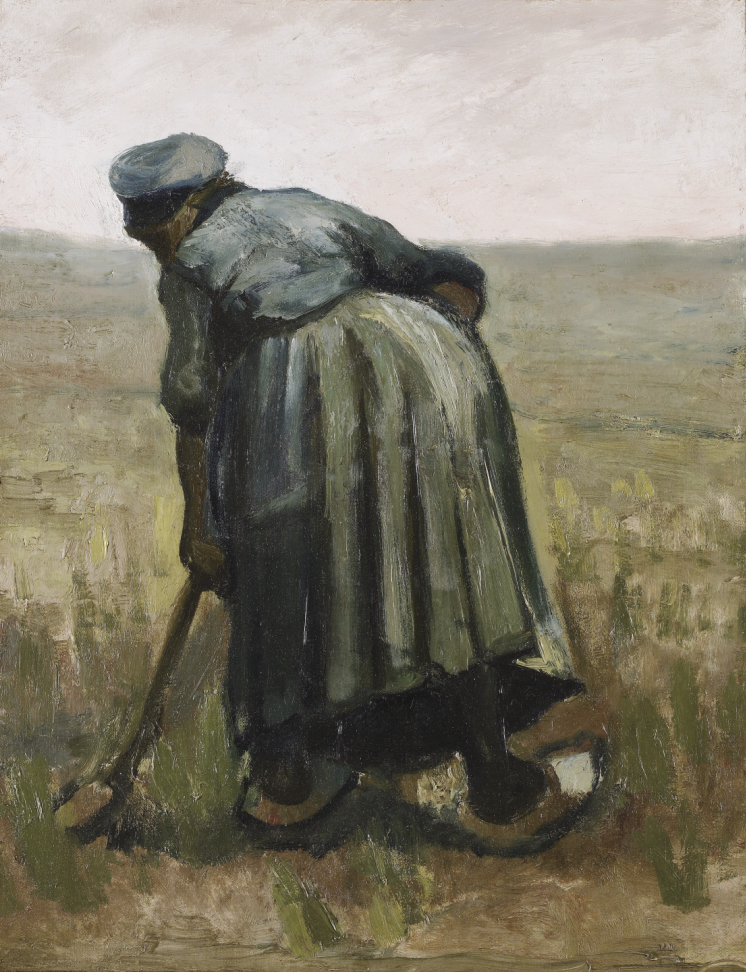

Tête de paysanne à la coiffe blanche, c. 1884
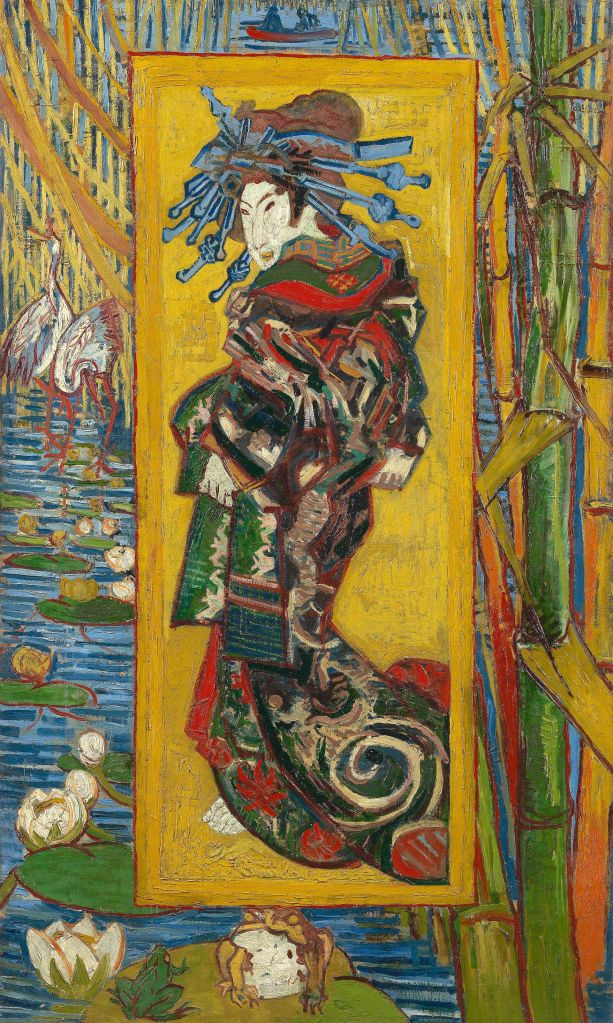
Courtesan (after Eisen), c. 1887. Van Gogh Museum, Amsterdam
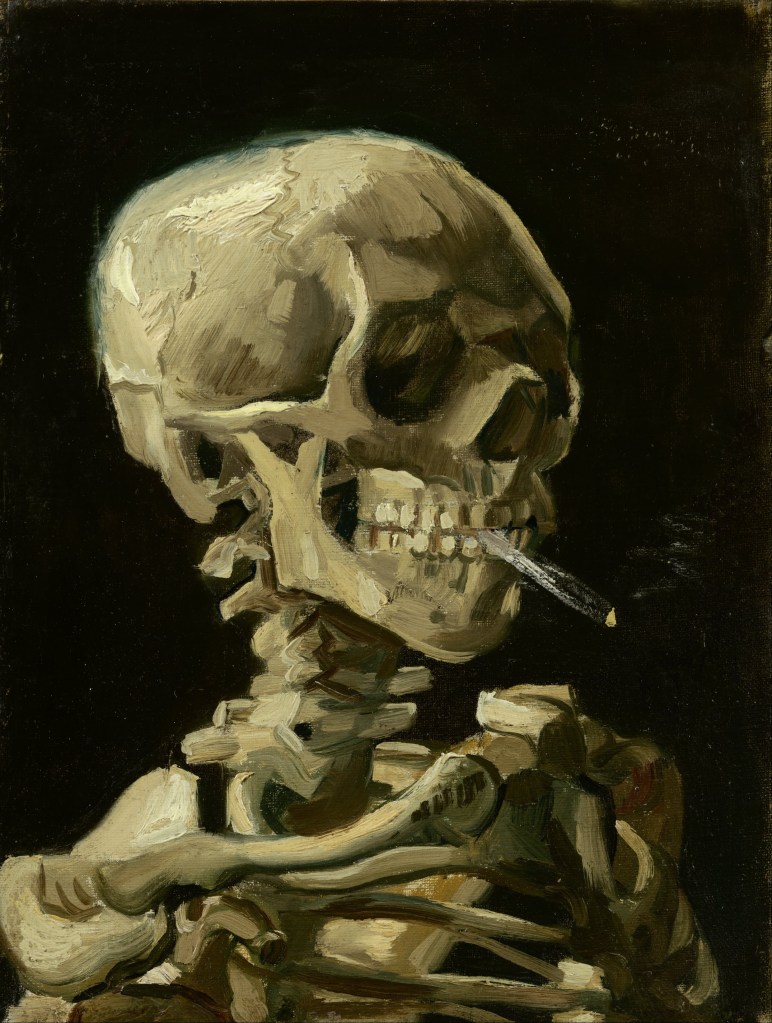
Skull of a Skeleton with Burning Cigarette, c. 1885–86. Van Gogh Museum, Amsterdam
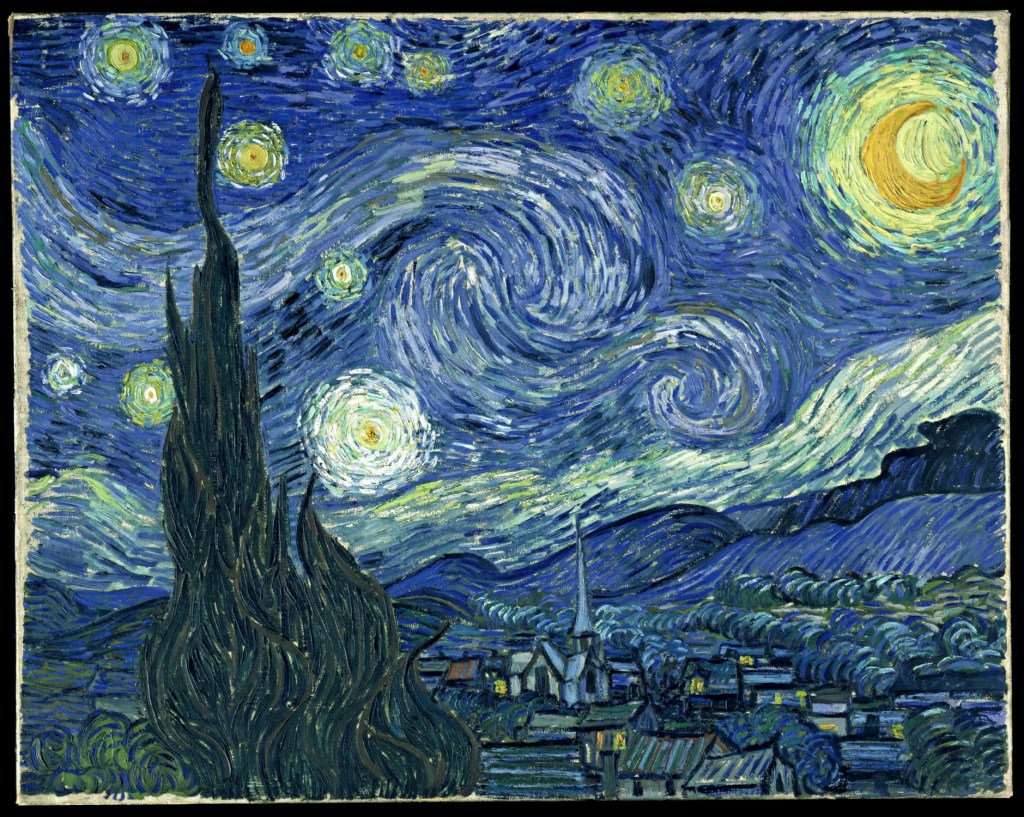
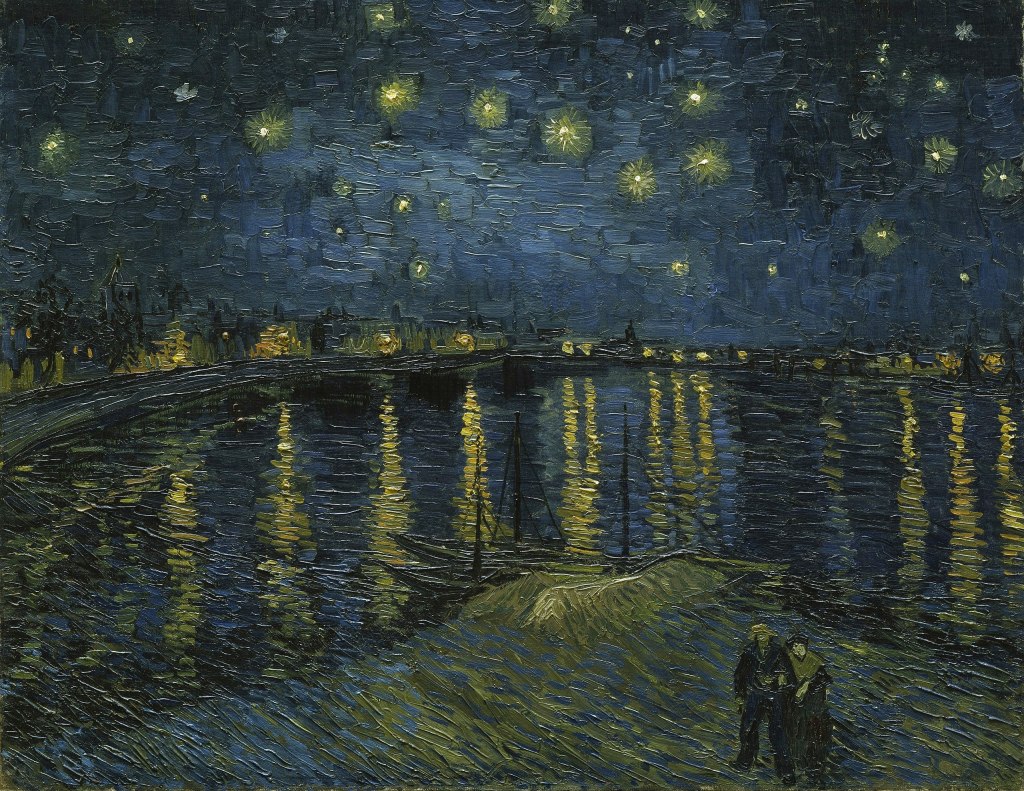
Starry Night Over the Rhône, 1888. Musée d’Orsay, Paris
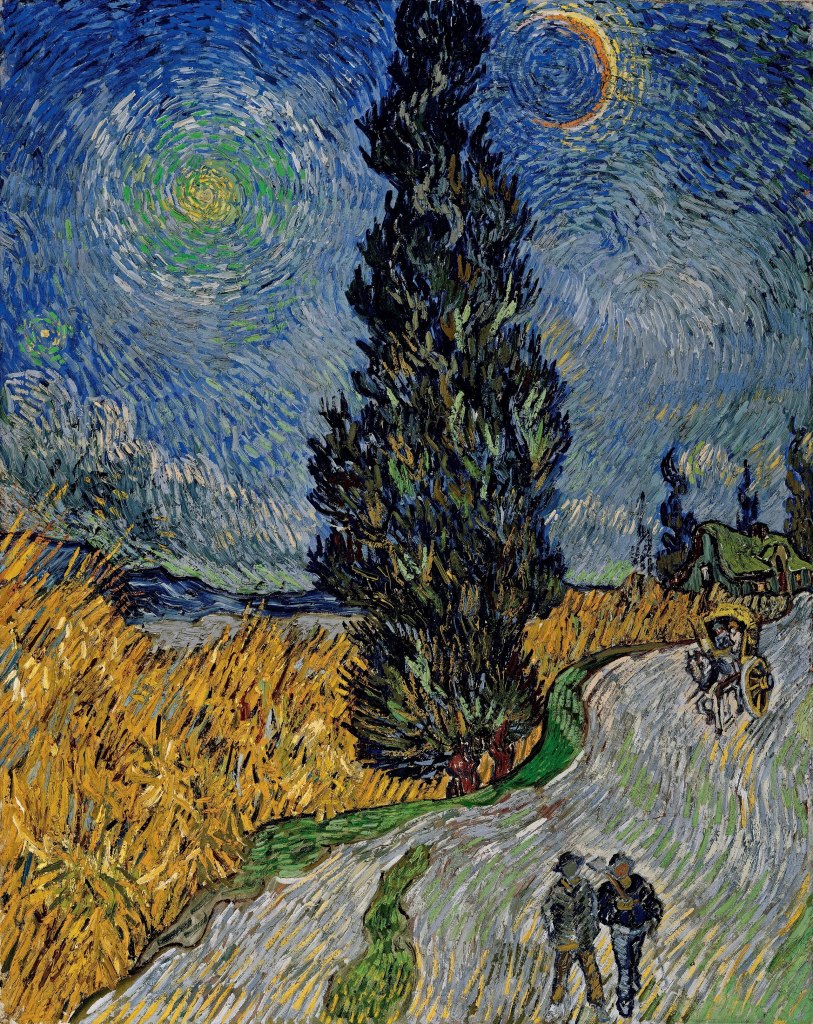
Road with Cypress and Star, May 1890, Kröller-Müller Museum, Otterlo
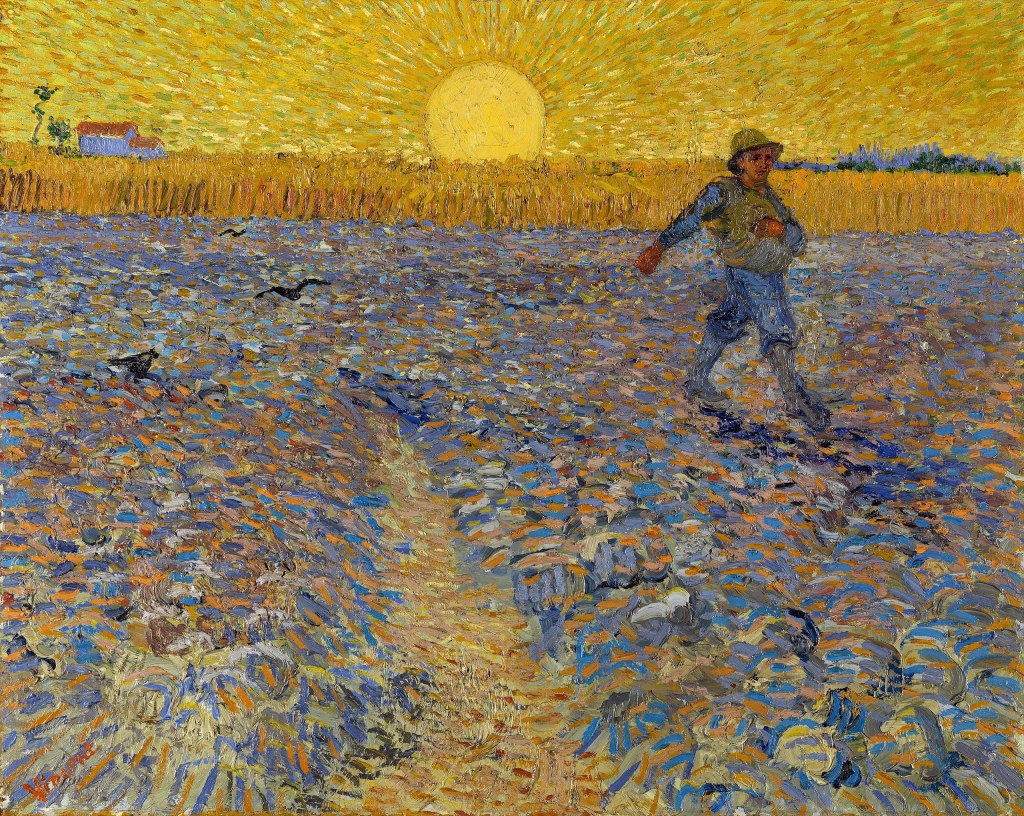
The Sower (after Jean-François Millet), 1888. Kröller-Müller Museum, Otterlo

Road with Cypress and Star, May 1890, Kröller-Müller Museum, Otterlo

The Sower with Setting Sun, c.1888. Van Gogh Museum, Amsterdam
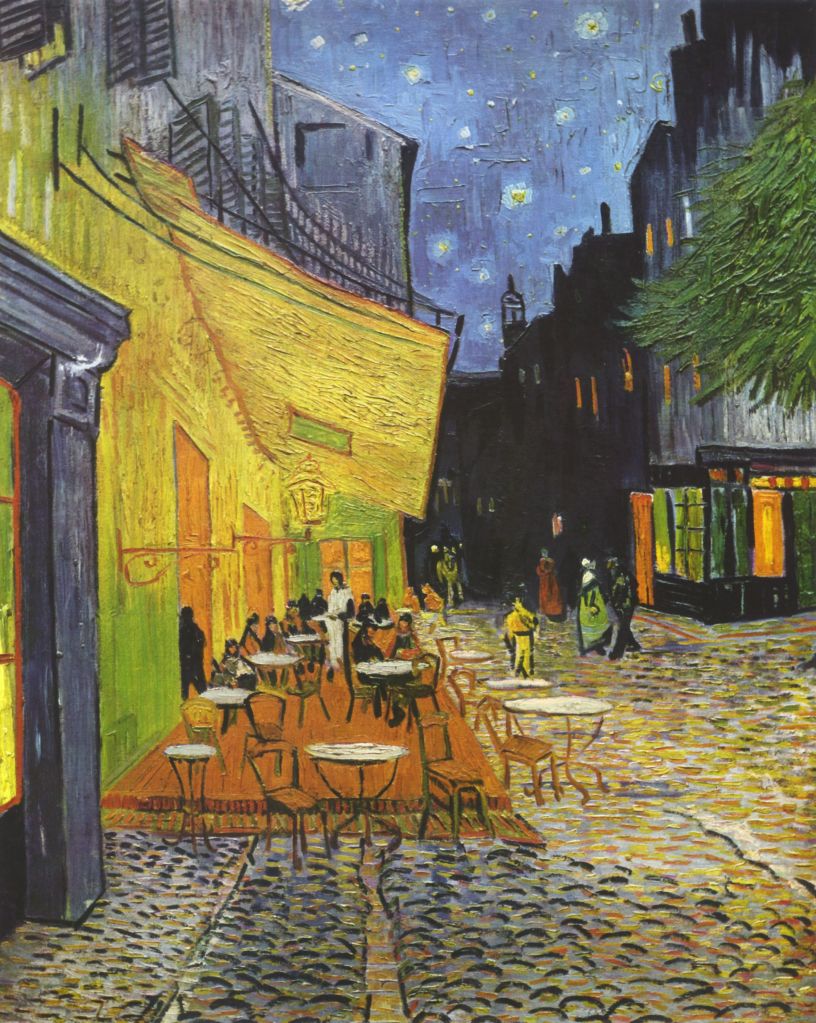
Café Terrace at Night, 1888. Kröller-Müller Museum, Otterlo
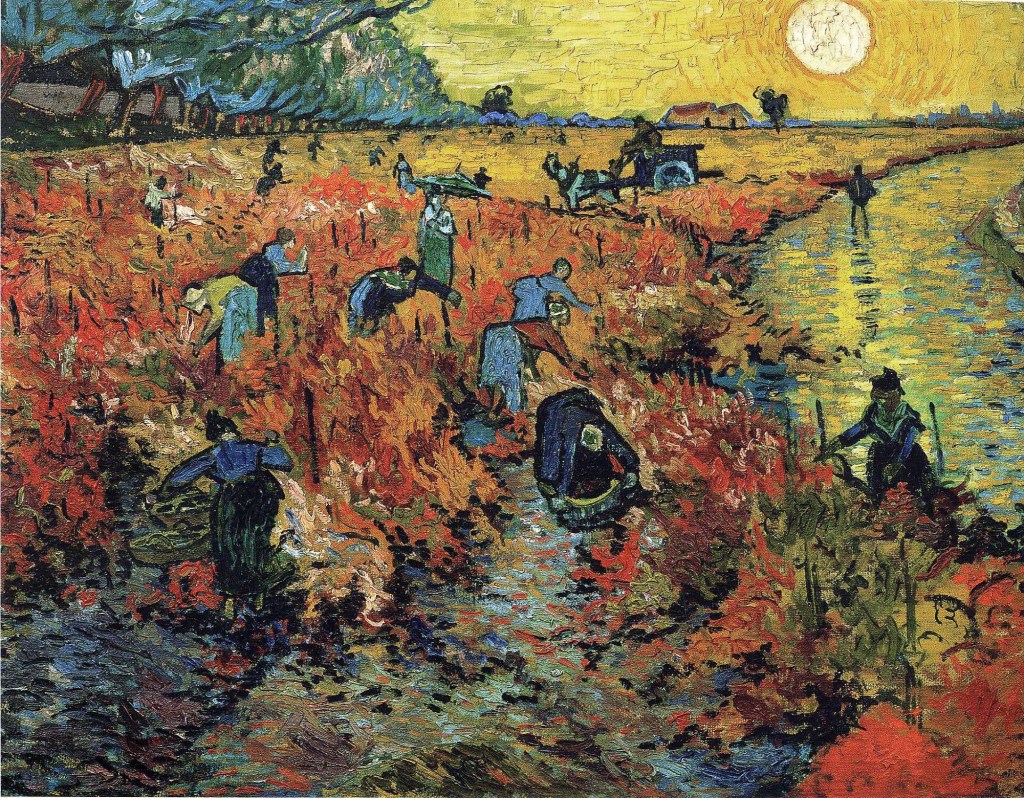
Wheat Fields, early June 1889. Kröller-Müller Museum, Otterlo

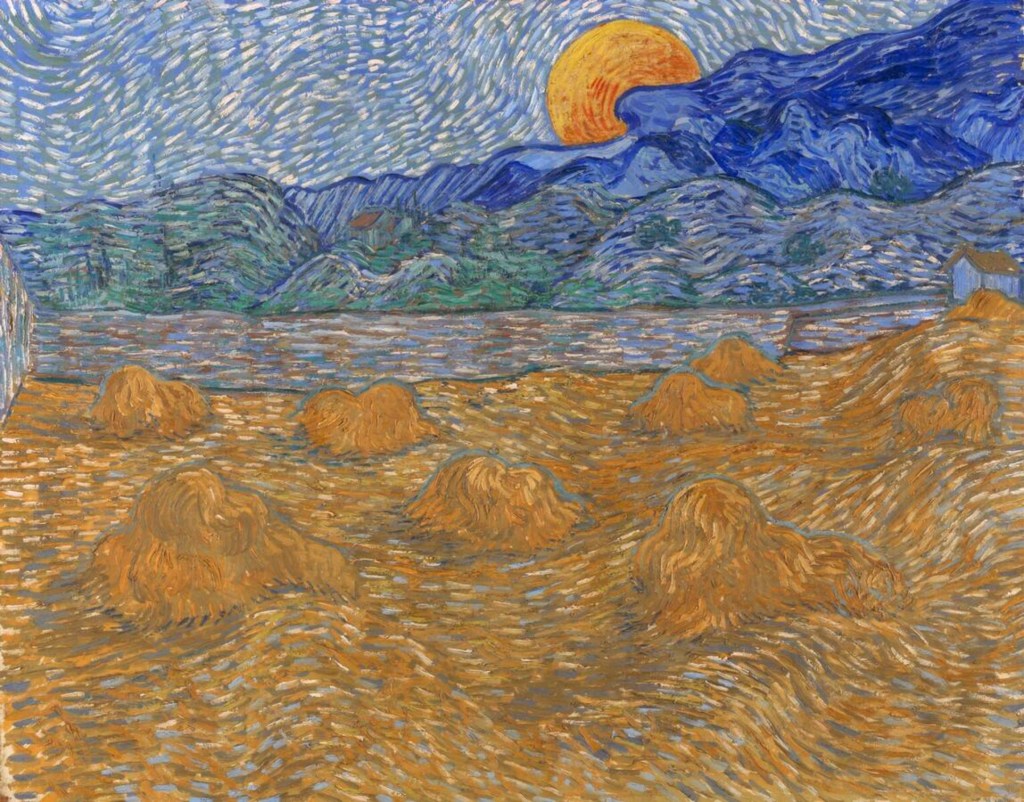
Enclosed Wheat Field with Rising Sun, May 1889, Kröller-Müller Museum, Otterlo, Netherlands
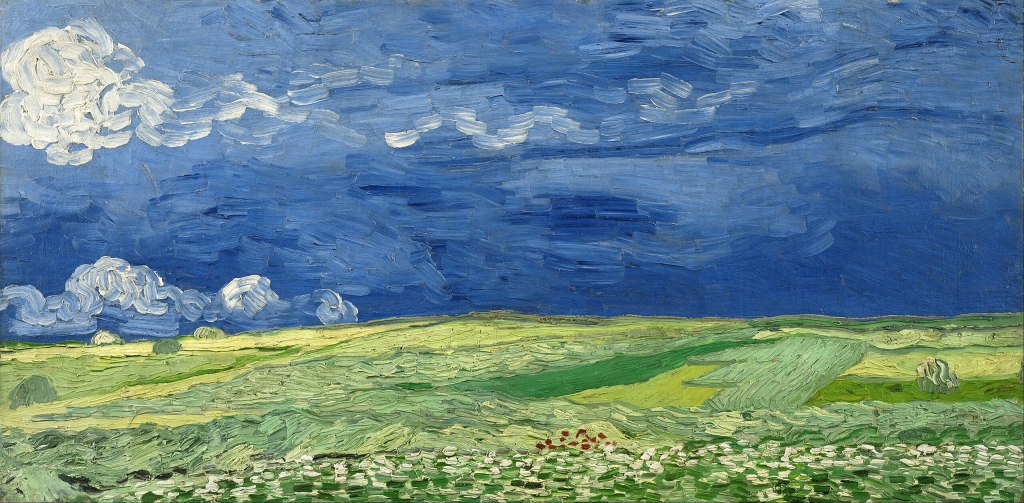
Wheatfield Under Thunderclouds, 1890, Van Gogh Museum, Amsterdam, Netherlands
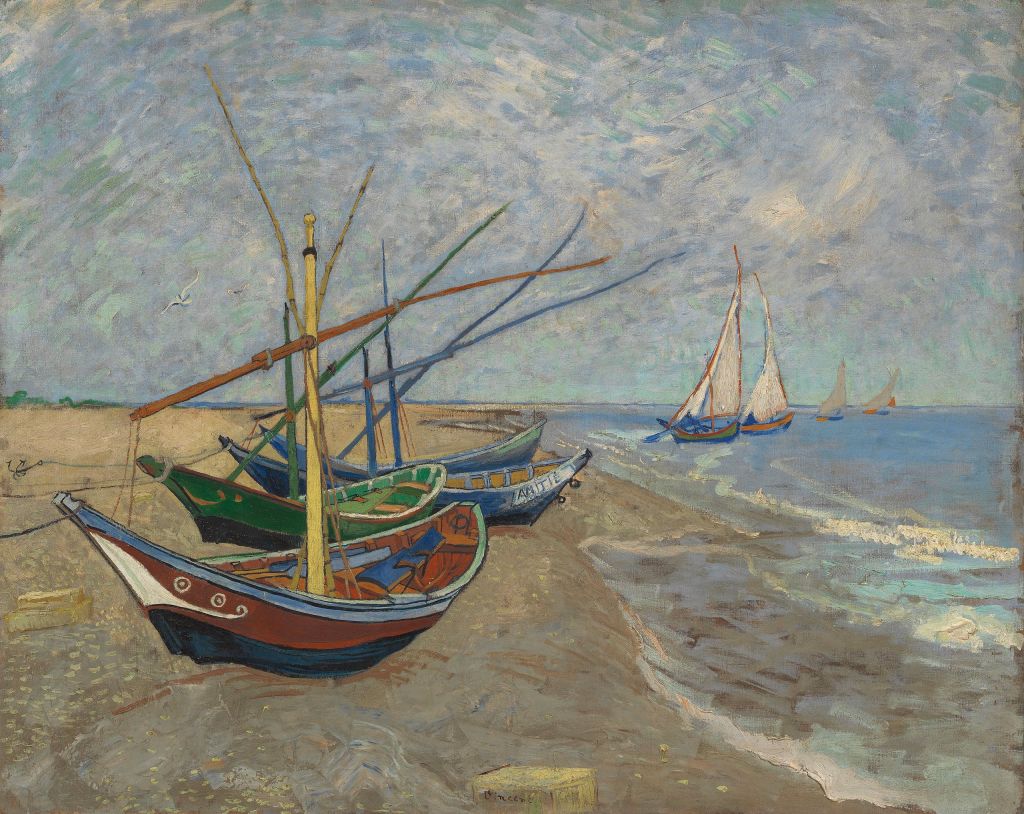
Fishing Boats on the Beach at Saintes-Maries, c.June 1888. Van Gogh Museum, Amsterdam
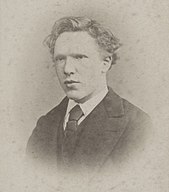

in 1873, when he worked at the Goupil & Cie’s gallery in The Hague. Theo (pictured in 1878) was a life-long supporter and friend to his brother.
 Self-portrait with Bandaged Ear and Pipe, 1889, private collection
 Self-portrait with Bandaged Ear, 1889, Courtauld Institute of Art, London

Vincent and Theo’s graves at Auvers-sur-Oise

Self-Portrait, September 1889. Musée d’Orsay, Paris
 Self-Portrait with Grey Felt Hat, Winter 1887–88. Van Gogh Museum, Amsterdam
 Self-Portrait with Straw Hat, Paris, Winter 1887–88. Metropolitan Museum of Art, New York
 Self-Portrait, 1889. National Gallery of Art, Washington, D.C. His Saint-Rémy self-portraits show his side with the unmutilated ear, as he saw himself in the mirror
 Self-Portrait Without Beard, c. September 1889. This painting may have been Van Gogh’s last self-portrait. He gave it to his mother as a birthday gift
Que de beautés dans l’art, à condition de pouvoir retenir ce que l’on a vu. On n’est alors jamais désoeuvré ni vraiment solitaire, jamais seul.
– Vincent Van Gogh
And today is the birthday of Koloman Moser (Vienna 30 March 1868 – 18 October 1918 Vienna); artist who exerted considerable influence on twentieth-century graphic art. He was one of the foremost artists of the Vienna Secession movement and a co-founder of Wiener Werkstätte.

Moser designed a wide array of art works, including books and graphic works from postage stamps to magazine vignettes; fashion; stained glass windows, porcelains and ceramics, blown glass, tableware, silver, jewelry, and furniture.
In 1905, together with the Klimt group, he separated from the Vienna Secession. The same year, he married artist Editha (Ditha) Mautner von Markhof, the daughter to one of Austria’s great industry fortunes. Due to internal conflicts and as his plans for reorganising the Werkstätte (to cope with financial problems) weren’t realised, Moser withdrew from the Wiener Werkstätte in 1907.
Moser became ill with throat cancer in 1916. Correspondence with Alfred Roller detailed Moser’s despair over who would succeed to his position at the University of Applied Arts Vienna. Moser was buried in the Hietzing Cemetery.
Gallery
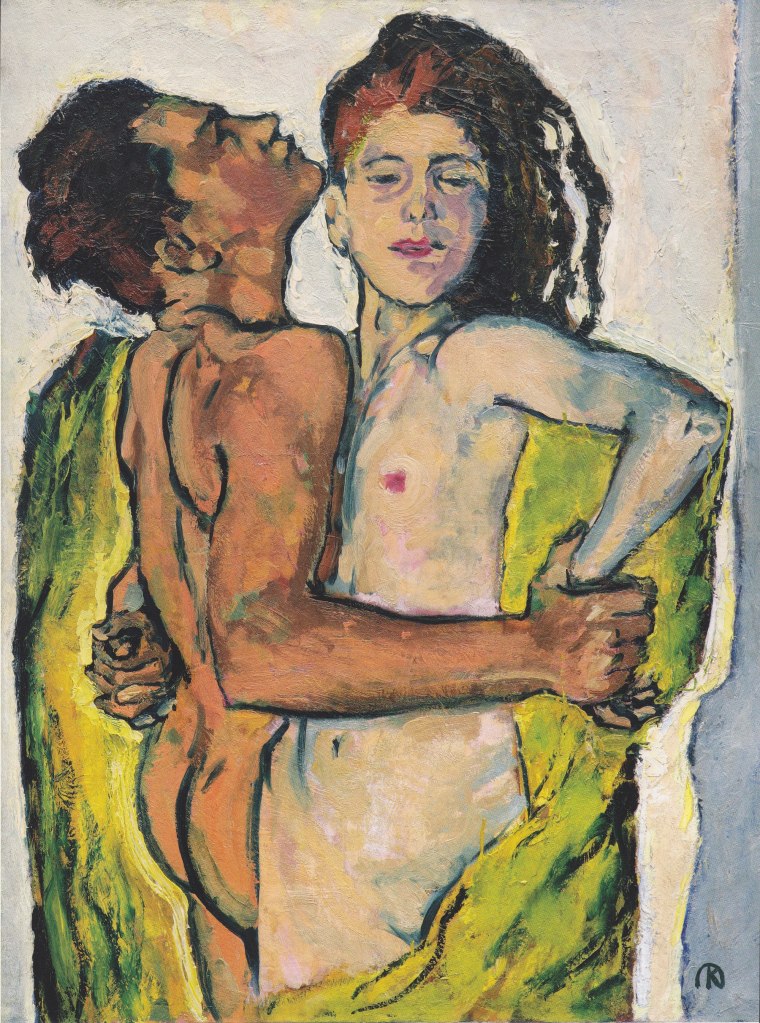
lovers
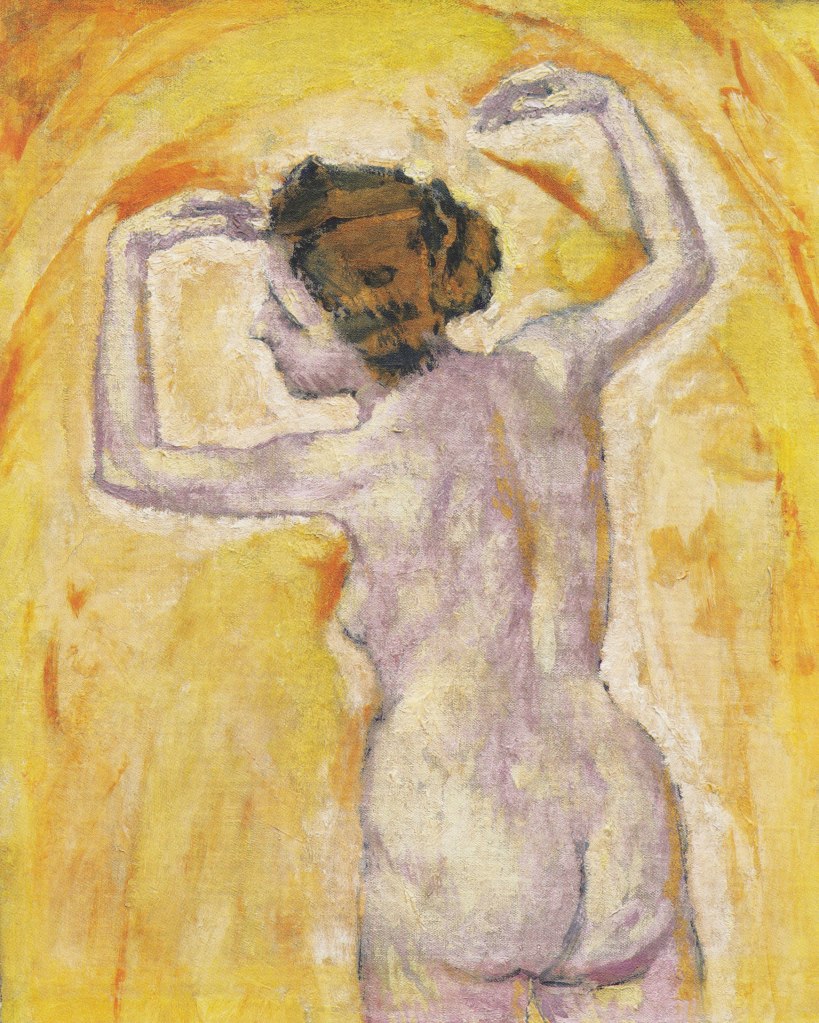
Rückenakt mit erhobenen Armen – ca1915

Judith und Holofernes-1916
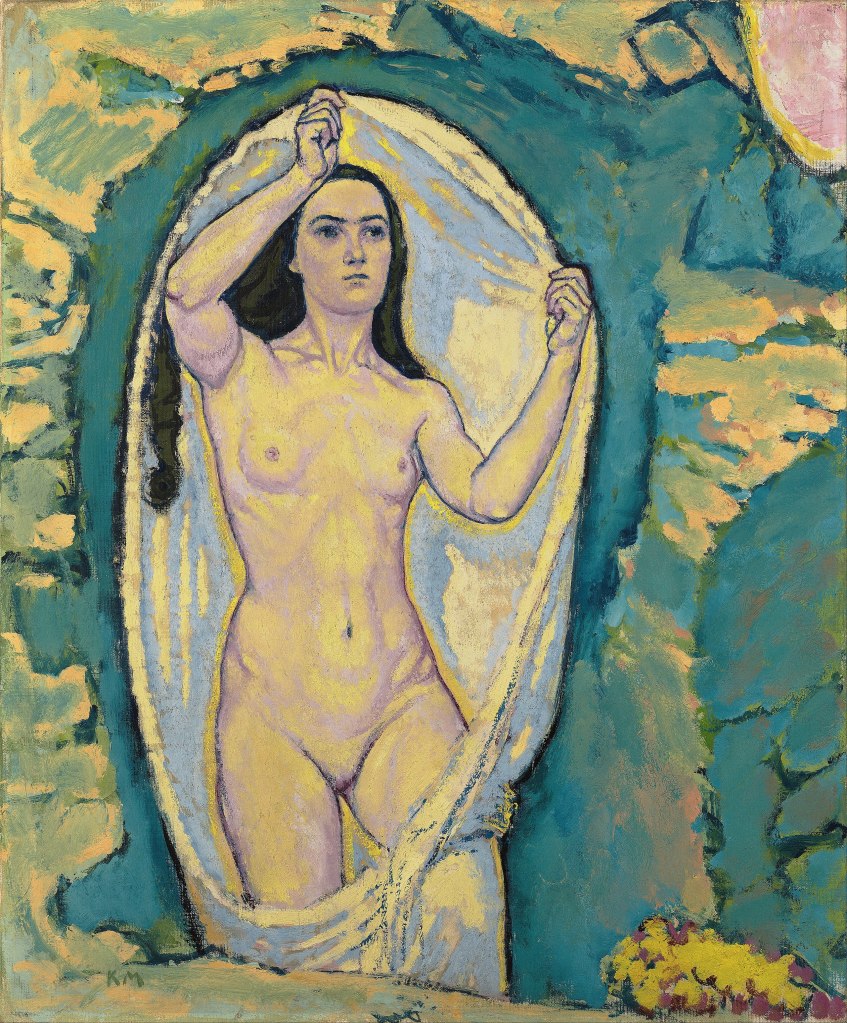
Venus in the Grotto

mermaid
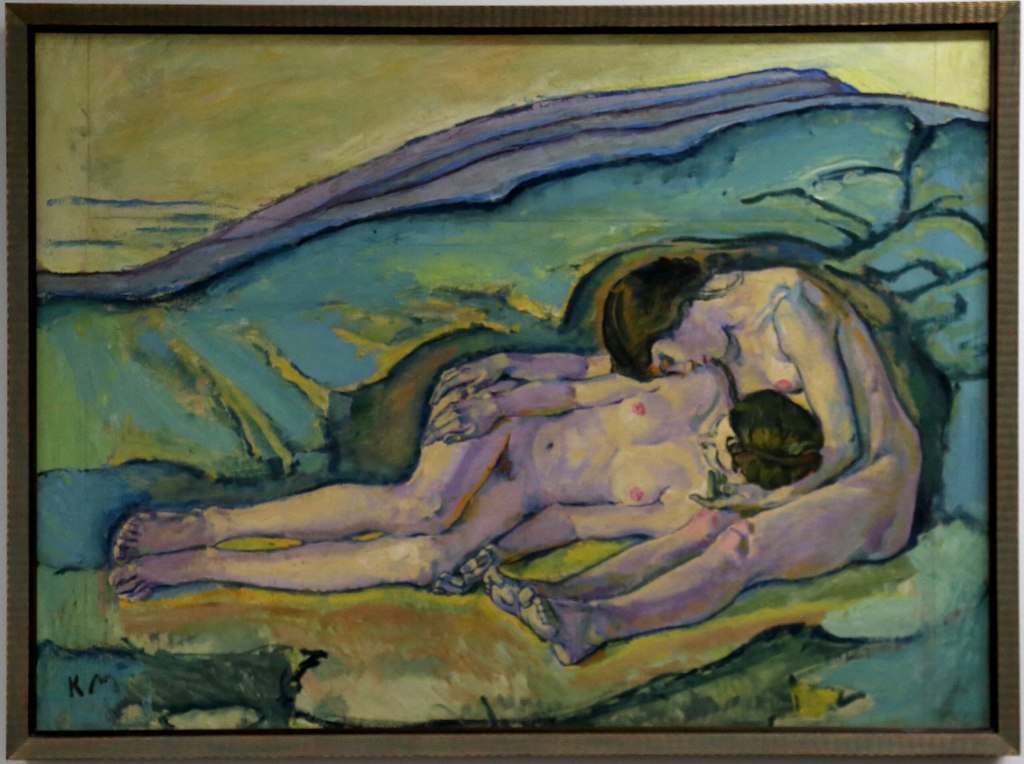
two girls
thanks for stoppin’ by y’all
mac tag
 The Lovers’ Chronicle
Leave a comment