Dear Zazie, Here is today’s Lovers’ Chronicle from Mac Tag dedicated to his muse. Have you ever thought someone was walkin’ towards you only to find they were walkin’ away from you? Rhett
The Lovers’ Chronicle
Dear Muse,
not close to I-90
but just about any
blues tune would do
“You got the blues baby”
i got the blues for you
hey we could make this
a call and response
“What else you got for me”
i got lovin’ for you
“Your taking me out first”
i got my pockets full
“You gonna be all mine”
i got it all for you
i got the blues for you
© copyright 2023 mac tag/cowboy coleridge all rights reserved
that feelin’ will always be there; roof open, flyin’ on the ground, headed into the sunset, or late at night with the sky full of stars; those trips were always solo, through Sturgis past Deadwood and Belle Fourche, headed towards Devils Tower, i can feel the hum of steel belts on the highway and the wind in my hair, more importantly, i can see you sittin’ there with me on I-90
© copyright 2022.2023 mac tag/cowboy coleridge all rights reserved
two near and dear topics
the blues and road trips
I-90 runs all the way across
South Dakota into Wyoming
then turns up into Montana
one of my favorite drives
for the High Plains views
and i could drive 90 miles per hour
because the speed limit was 80
a ways removed now
from the blues and I-90
but i prefer the view with you
© copyright 2021.2023 mac tag/cowboy coleridge all rights reserved
Pale Love, Pale Rider
found my place,
never more desired
no other one,
could affect so
heard the music
found i could feel,
and if i may,
desire come this way
here and now
and would it not be fun
wonderin’ how it could be,
to espy what was denied
undoin’ all that came before
I-90 awaits
© copyright 2020 mac tag/cowboy coleridge all rights reserved
dull and insensible
couldst see so near
and feel no change
none, so great, were alike
strange, i had my thoughts,
but not their way
all are not born to the fray
alas, mere flesh and bone
and how i could descry
all that has been denied
which way to I-90
© copyright 2019 mac tag/cowboy coleridge all rights reserved
found that place,
never more desired
no other one,
could affect so
heard the music
found i could not
but wonder
move as you do,
and make me feel
first and last thoughts,
and if I may,
desire come this way
here and now
and would it not be fun
wonderin’ how it could be done,
to espy the parts denied unto the eye
undoin’ all that had come before
more plainly seen,
the walkin’ away,
leavin’ anguish
a tremulous dream,
a random ripple
in the reality stream
if i cannot, and upon
that discovery awhile
if fancy sadly stops so near,
best find my way
back to I-90
© copyright 2018 mac tag/cowboy coleridge all rights reserved
am i bein’ punished
i think i am
by the goddess or fate
or cupid or somethin’
whenever i feel blue
there is one thing
i always do,
and it works every time
i just think about you
so i feel good
about the choices
i have made
but i still wrestle
with these feelin’s
of bein’ without
“I know some get confused
about what they want,
and what they’ve done,
and what they think
they should’ve because of it.
Everything they think they are
or did, takes hold so hard
that it won’t let them see
what they can be.”
well, it has for sure,
taken a hold on me
and that is my struggle
not lettin’ myself
let go of that
somewhere along I-90

Sunday mornin’ comin down
35 degrees on the screen porch
Listenin’ to Gram Parsons
© copyright 2017 mac tag/cowboy Coleridge all rights reserved
Mi dispiace y’all
No original verse
Today. Hopefully
Back in the saddle
Tomorrow. Until then
May your dreams be vivid
“Like Christopher Walken
In The Deer Hunter?”
Yeah, kinda like that
somewhere along I-90
© copyright 2016 mac tag/cowboy Coleridge all rights reserved
directionless in the same place and time, between words,
between lives, between desires; longin’ with no intent
At first, it hurt like hell
Awful disappointment
But then, numbness set in
From there, it was a quick
trip, to not give a damn
somewhere along I-90
© copyright 2015 mac tag/cowboy Coleridge all rights reserved
Today is the birthday of Anna Maria van Schurman (Cologne, Germany; November 5, 1607 – May 4, 1678 Wieuwerd, The Netherlands); painter, engraver, poet, and scholar, who is best known for her exceptional learning and her defence of female education. She was a highly educated woman, who excelled in art, music, and literature, and became proficient in fourteen languages, including Latin, Greek, Hebrew, Arabic, Syriac, Aramaic, and Ethiopic, as well as various contemporary European languages. She was the first woman to unofficially study at a Dutch university.
Judy Chicago’s feminist artwork The Dinner Party (1979) features a place setting for van Schurman.
Between 2000 and 2018, a marble bust of van Schurman was situated in the atrium of the House of Representatives of the Dutch Parliament in The Hague.
Gallery

 Schurman, by Jan Lievens
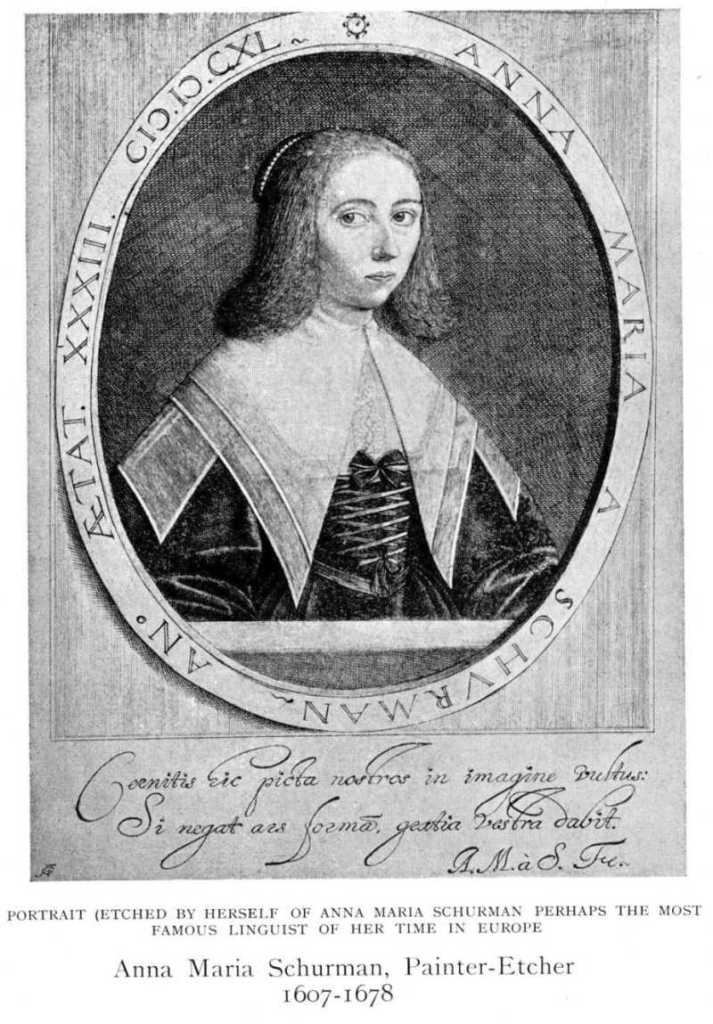
self portrait

On this day in 1660, the English courtier, known for her beauty and wit, Lucy Hay died. Her charms were celebrated in verse by contemporary poets, including a risqué poem by Sir John Suckling; “Upon My Lady Carlisle’s Walking in Hampton Court Garden”. That of course is the Poem of the Day and followin’ that the Lyrics of the Day, inspired by the poem.
Upon My Lady Carlisle’s Walking in Hampton Court Garden
DIALOGUE
T.C. J.S.
Thom.
Didst thou not find the place
inspired,
And flowers, as if they had
desired
No other sun, start from their
beds,
And for a sight steal out
their heads?
Heardst thou not music when
she talked?
And didst not find that as she
walked
She threw rare perfumes all
about,
Such as bean-blossoms newly
out,
Or chafèd spices give?—
J.S.
I must confess those perfumes,
Tom,
I did not smell; nor found
that from
Her passing by ought sprung up
new.
The flowers had all their
birth from you;
For I passed o’er the
self-same walk
And did not find one single
stalk
Of anything that was to bring
This unknown
after-after-spring.
Thom.
Dull and insensible, couldst
see
A thing so near a deity
Move up and down, and feel no
change?
J.S.
None, and so great, were alike
strange;
I had my thoughts, but not
your way.
All are not born, sir, to the
bay.
Alas! Tom, I am flesh and
blood,
And was consulting how I could
In spite of masks and hoods
descry
The parts denied unto the eye.
I was undoing all she wore,
And had she walked but one
turn more,
Eve in her first state had not
been
More naked or more plainly
seen.
Thom.
’Twas well for thee she left
the place;
There is great danger in that
face.
But hadst thou viewed her leg
and thigh,
And upon that discovery
Searched after parts that are
more dear
(As fancy seldom stops so
near),
No time or age had ever seen
So lost a thing as thou hadst
been.
Walkin’ Away
I found that place inspired,
And her I never more desired
No other one, my heart so sped,
For a sight could turn my head
I heard the music when she talked
And I found that as she walked
I could do not but stare
And wonder at her so rare
Dull and insensible, could see
A woman of such beauty
Move as she does, and makes me change
None so great, makes me feel strange;
And all my thoughts, and if I may,
All my desires came this way;
Flesh and bone and would it not be fun,
Wonderin’ how it could be done,
In spite of her clothes, to espy
The parts denied unto the eye
I was undoin’ all she wore,
And as she turned once more,
I could see her clearly between,
More naked or more plainly seen,
She was walkin’ away, she left that place
Leavin’ anguish on my face
Was this all but a tremulous dream
A random ripple in the reality stream
If I cannot see again that smile,
And upon that discovery awhile,
See the rest of her, all the more dear,
If fancy sadly stops so near,
No time or age could pen
So lost a thing as I have been
© copyright 2012 mac tag/Cowboy Coleridge all rights reserved
The Song of the Day is “Walkin’ Away Blues” by Ry Cooder.
Today is the birthday of Pietro Longhi (Venice 1702 or November 5, 1701 – May 8, 1785 Venice); painter of contemporary genre scenes of life.
 | |
In numerous paintings, Longhi depicts masked figures engaging in various acts from gambling to flirting. For example, in the foreground of Longhi’s painting The Meeting of the Procuratore and His Wife is a woman being greeted by a man that is presumed to be her husband. The setting is of a type of gathering place usually for masked people to engage in private matters such as romantic encounters.
Gallery

Retrato de una dama noble venecia
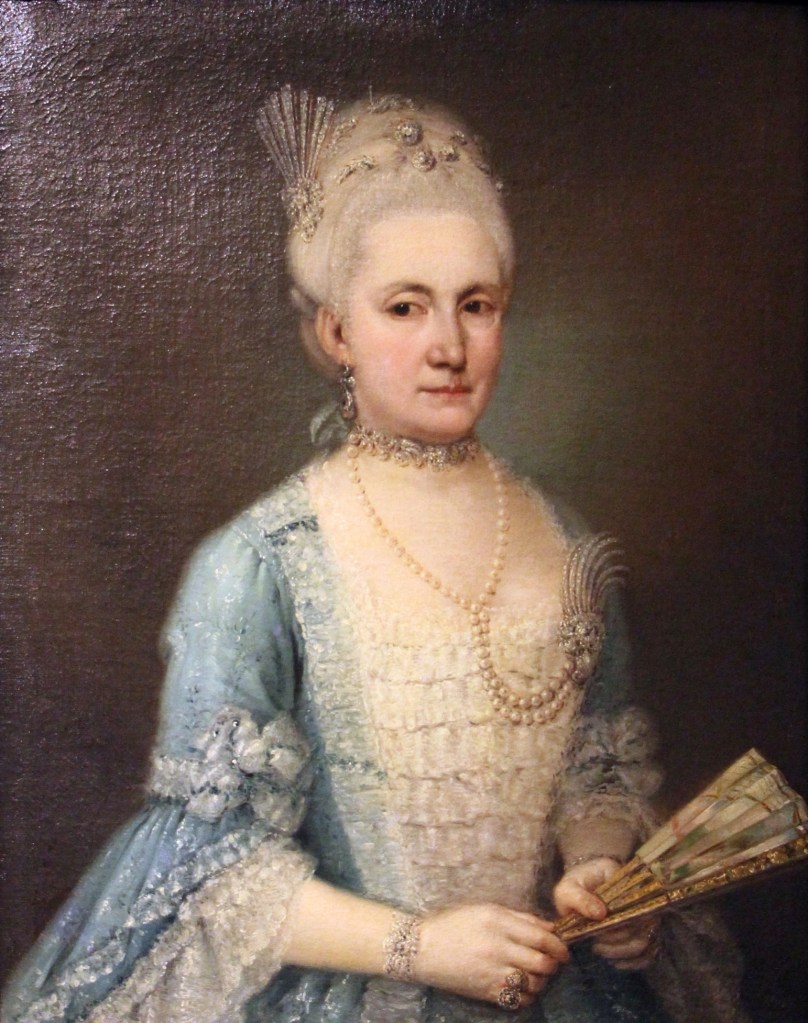
Portrait of Matilde Querini da Ponte (1772)

The Charlatan, 1757
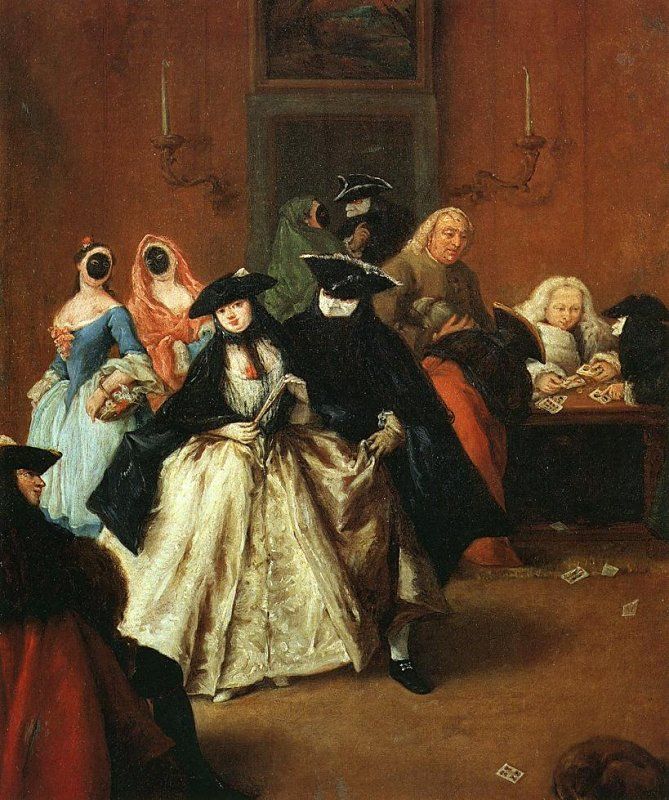
The Ridotto in Venice, ca. 1750s

Clara the rhinoceros by Pietro Longhi,1751 (Ca’ Rezzonico)
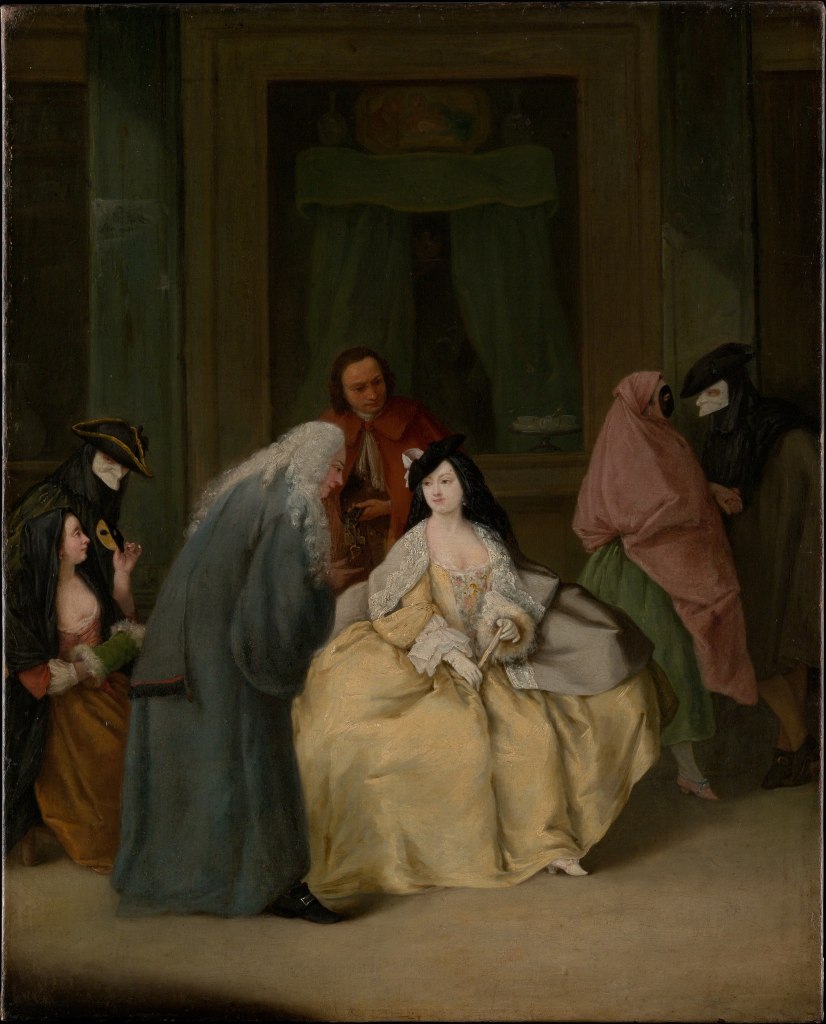
The Meeting (1746)
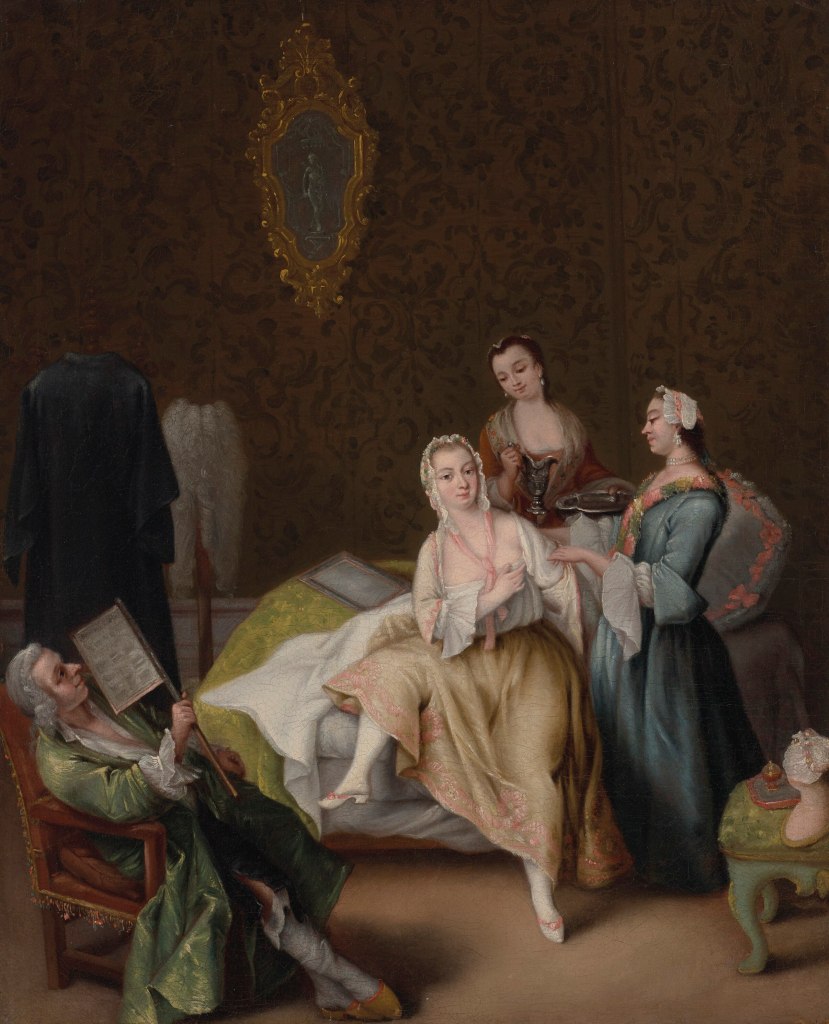
il risveglio della dama
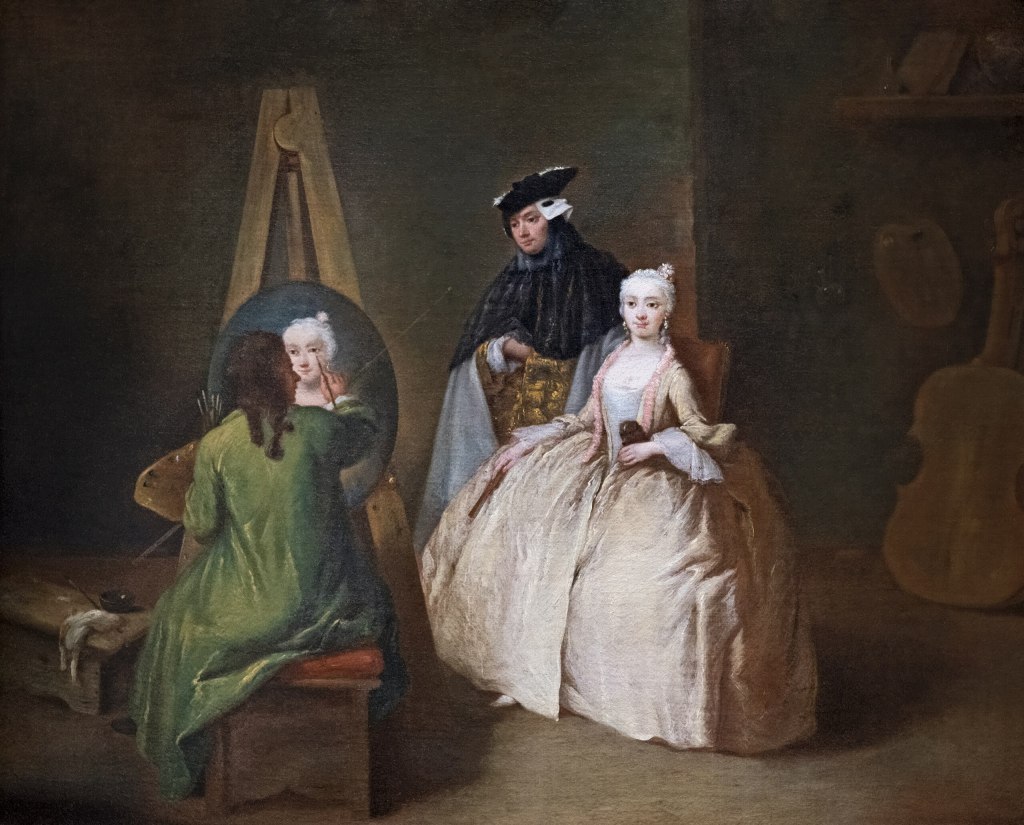
L’atelier del pittore (between 1740 and 1746)
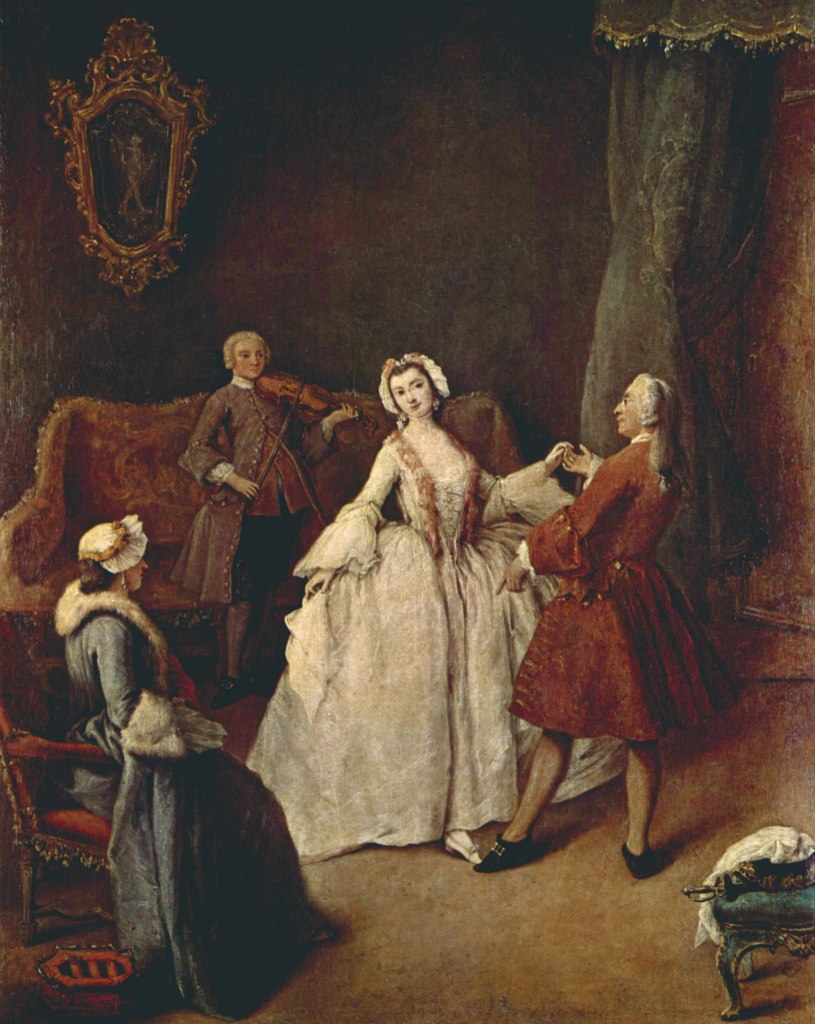
La lezione di danza (The Dancing Lesson), ca 1741, Venezia, Gallerie dell’Accademia
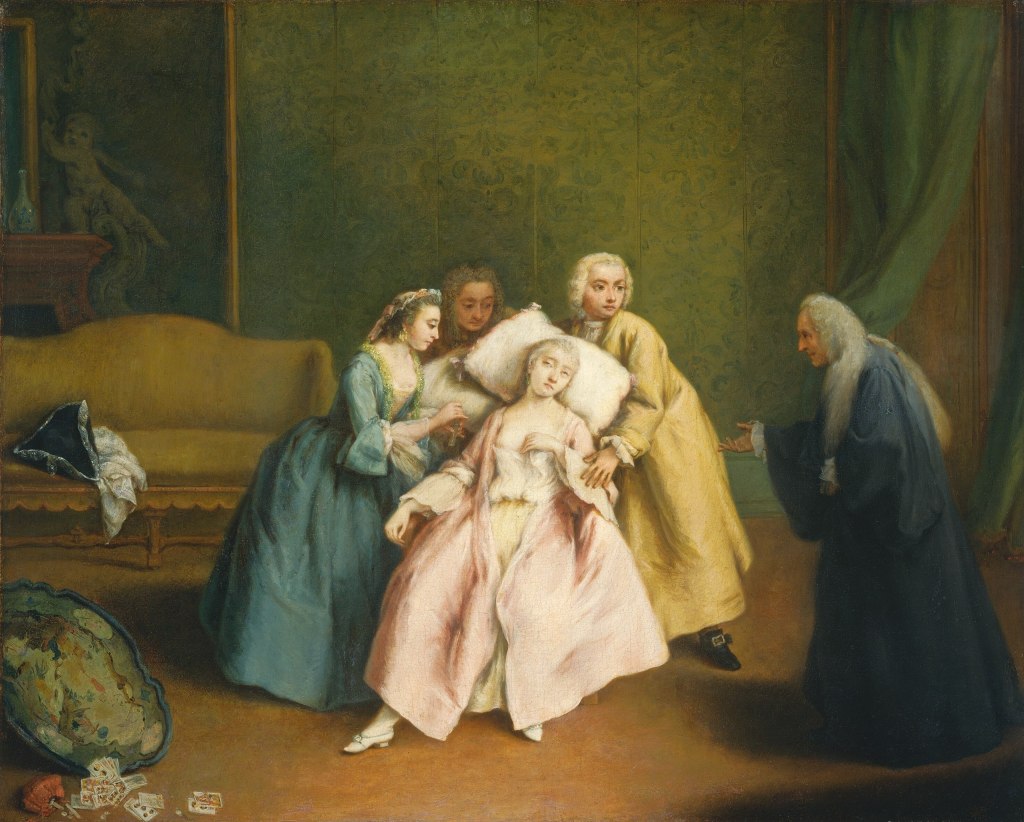
The Faint (c. 1744)
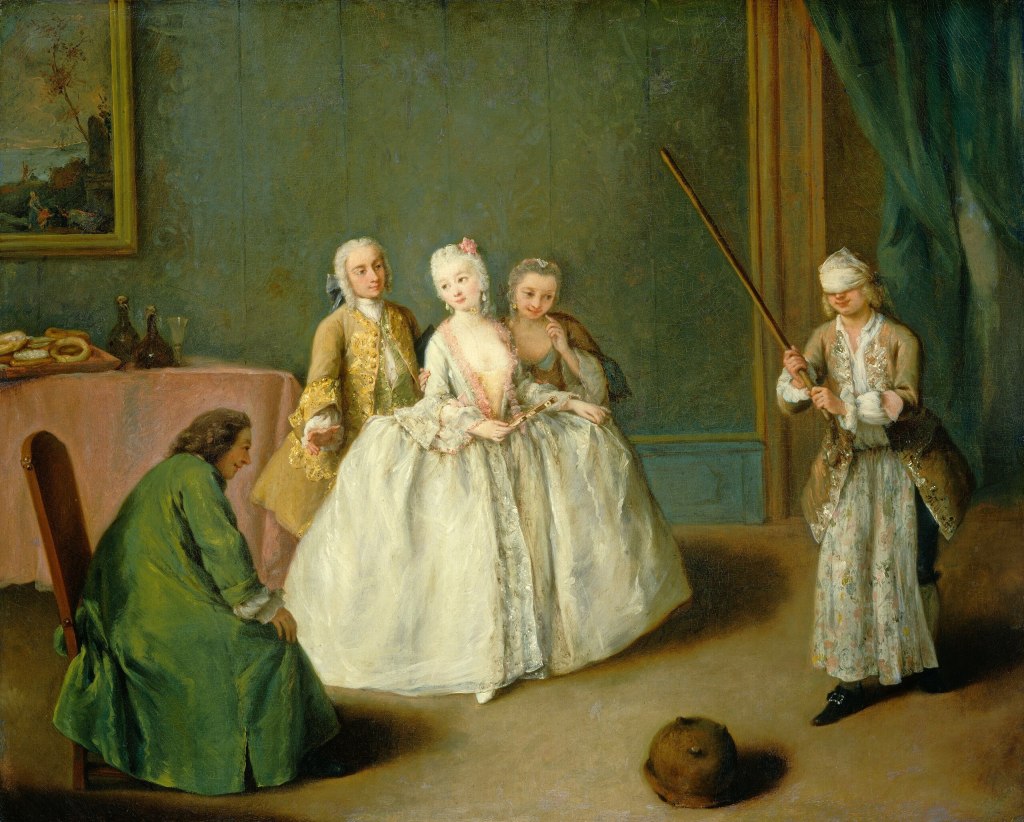
The Game of the Cooking Pot (c. 1744)
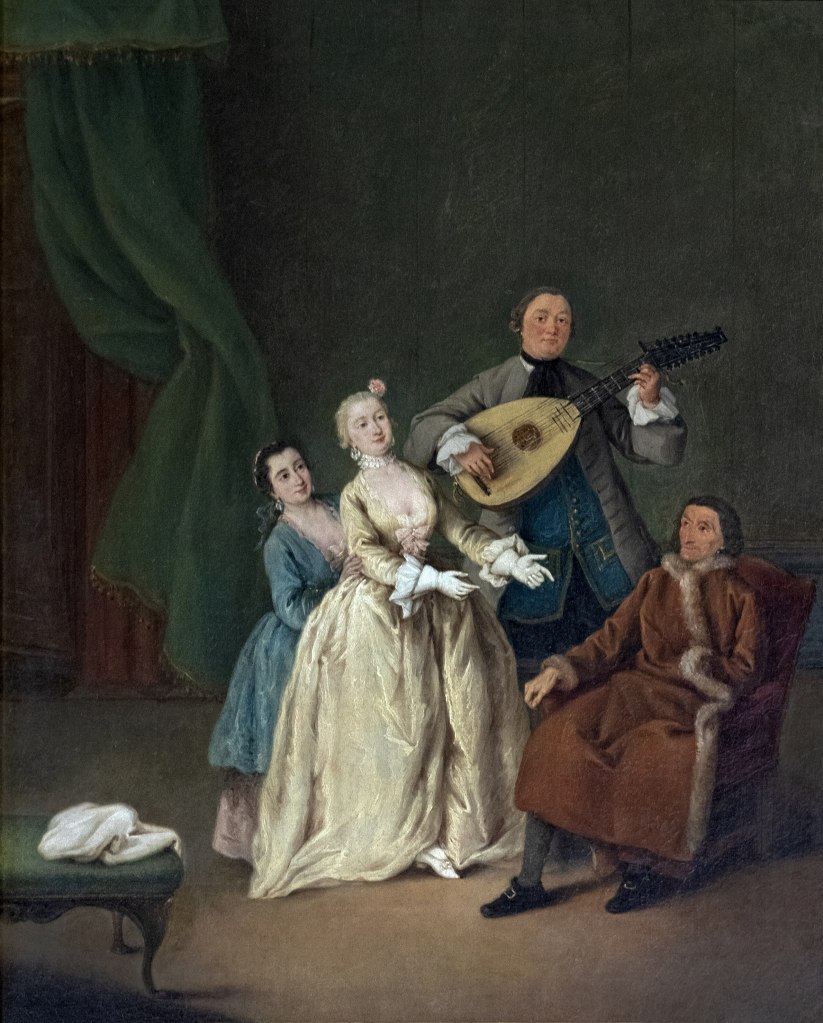
Il concertino in famiglia (The family concert) (1752)
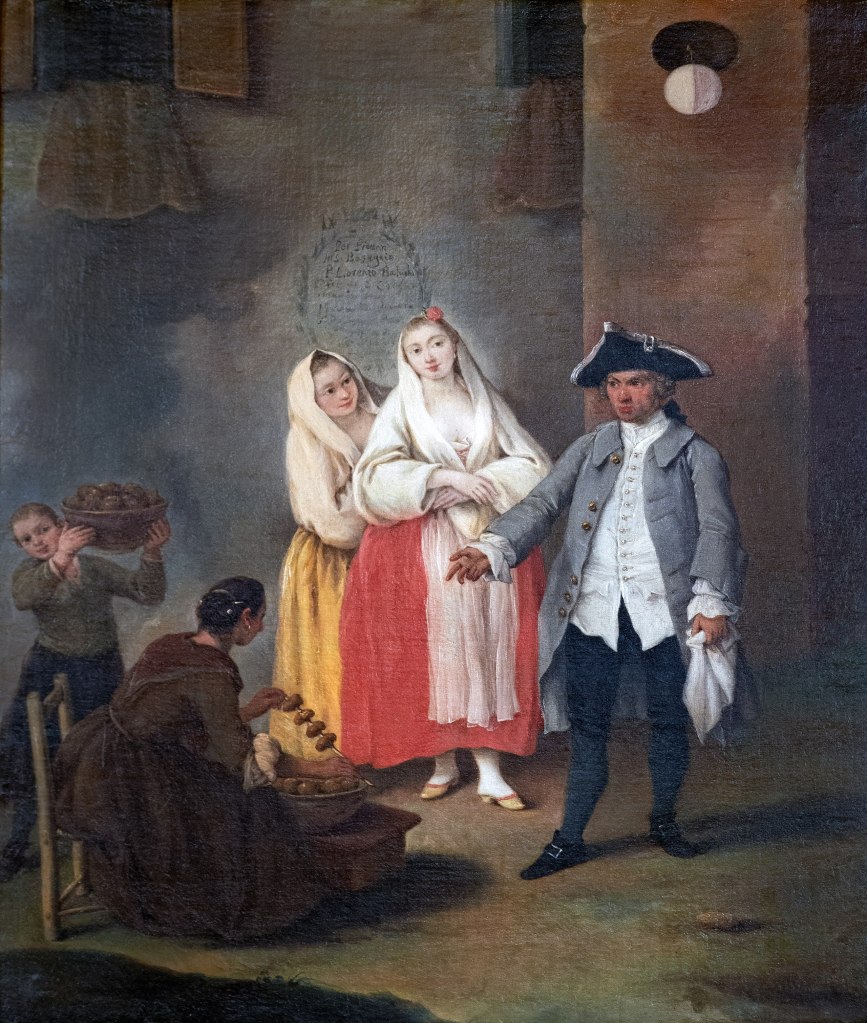
La venditrice di frittole (The frittole seller) (1755)
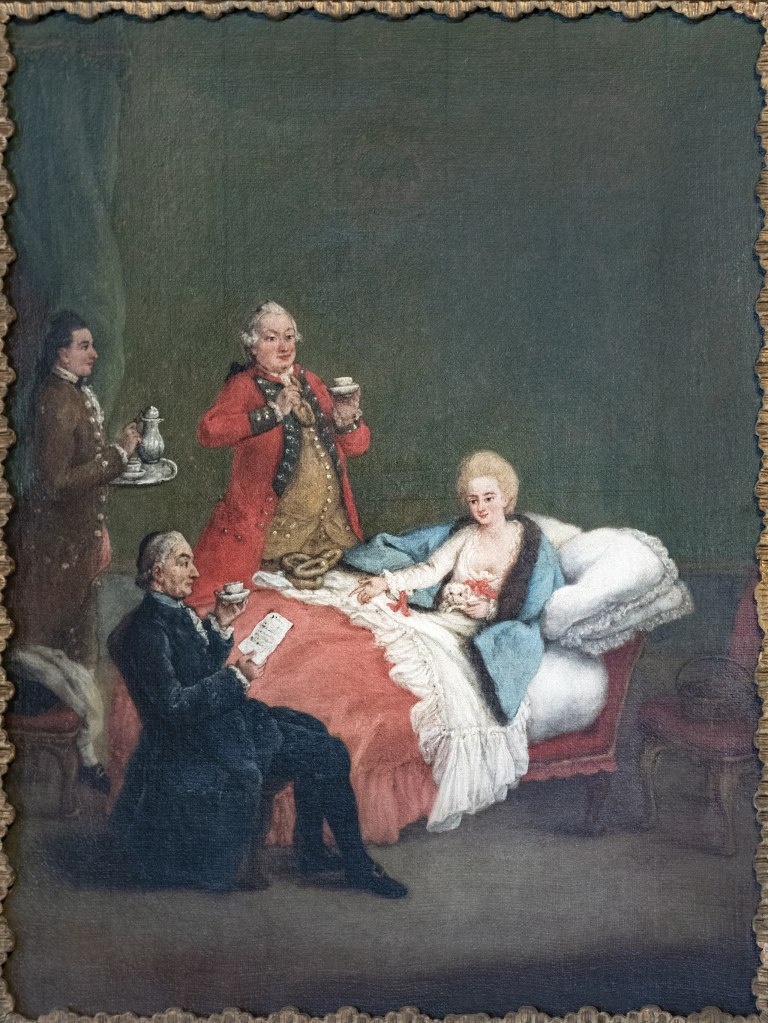
La cioccolata del mattino (The Morning Chocolate) (from 1775 until 1780)

Today is the birthday of Ella Wheeler Wilcox (Johnstown, Wisconsin; November 5, 1850 – October 30, 1919 Short Beach, Connecticut); author and poet. Her works include Poems of Passion and Solitude, which contains the lines “Laugh, and the world laughs with you; weep, and you weep alone.” Her autobiography, The Worlds and I, was published in 1918, a year before her death.
“The Way of the World” was first published in the February 25, 1883 issue of The New York Sun. The inspiration for the poem came as she was travelling to attend the Governor’s inaugural ball in Madison, Wisconsin. On her way to the celebration, there was a young woman dressed in black sitting across the aisle from her. The woman was crying. Miss Wheeler sat next to her and sought to comfort her for the rest of the journey. When they arrived, the poet was so depressed that she could barely attend the scheduled festivities. As she looked at her own radiant face in the mirror, she suddenly recalled the sorrowful widow. It was at that moment that she wrote the opening lines of “Solitude”:Laugh, and the world laughs with you;Weep, and you weep alone.For the sad old earth must borrow its mirthBut has trouble enough of its own
In 1884, she married Robert Wilcox of Meriden, Connecticut, where the couple lived before moving to New York City and then to Granite Bay in the Short Beach section of Branford, Connecticut. The two homes they built on Long Island Sound, along with several cottages, became known as Bungalow Court, and they would hold gatherings there of literary and artistic friends. They had one child, a son, who died shortly after birth. Not long after their marriage, they both became interested in Theosophy, New Thought, and Spiritualism.
Early in their married life, Robert and Ella Wheeler Wilcox promised each other that whoever died first would return and communicate with the other. Robert Wilcox died in 1916, after over thirty years of marriage. She was overcome with grief, which became ever more intense as week after week went without any message from him. It was at this time that she went to California to see the Rosicrucian astrologer, Max Heindel, still seeking help in her sorrow, still unable to understand why she had no word from her Robert.
Several months later she composed a little mantra or affirmative prayer which she said over and over “I am the living witness: The dead live: And they speak through us and to us: And I am the voice that gives this glorious truth to the suffering world: I am ready, God: I am ready, Christ: I am ready, Robert.”

Wilcox made efforts to teach occult things to the world. Her works, filled with positive thinking, were popular in the New Thought Movement and by 1915 her booklet, What I Know About New Thought had a distribution of 50,000 copies, according to its publisher, Elizabeth Towne.
The following statement expresses Wilcox’s unique blending of New Thought, Spiritualism, and a Theosophical belief in reincarnation: “As we think, act, and live here today, we build the structures of our homes in spirit realms after we leave earth, and we build karma for future lives, thousands of years to come, on this earth or other planets. Life will assume new dignity, and labor new interest for us, when we come to the knowledge that death is but a continuation of life and labor, in higher planes.”
Her final words in her autobiography The Worlds and I: “From this mighty storehouse (of God, and the hierarchies of Spiritual Beings) we may gather wisdom and knowledge, and receive light and power, as we pass through this preparatory room of earth, which is only one of the innumerable mansions in our Father’s house. Think on these things.” Evidently, Robert never returned.
Today is the birthday of Joseph DeCamp (Joseph Rodefer DeCamp ; Cincinnati; November 5, 1858 – February 11, 1923 Boca Grande, Florida); painter and educator.
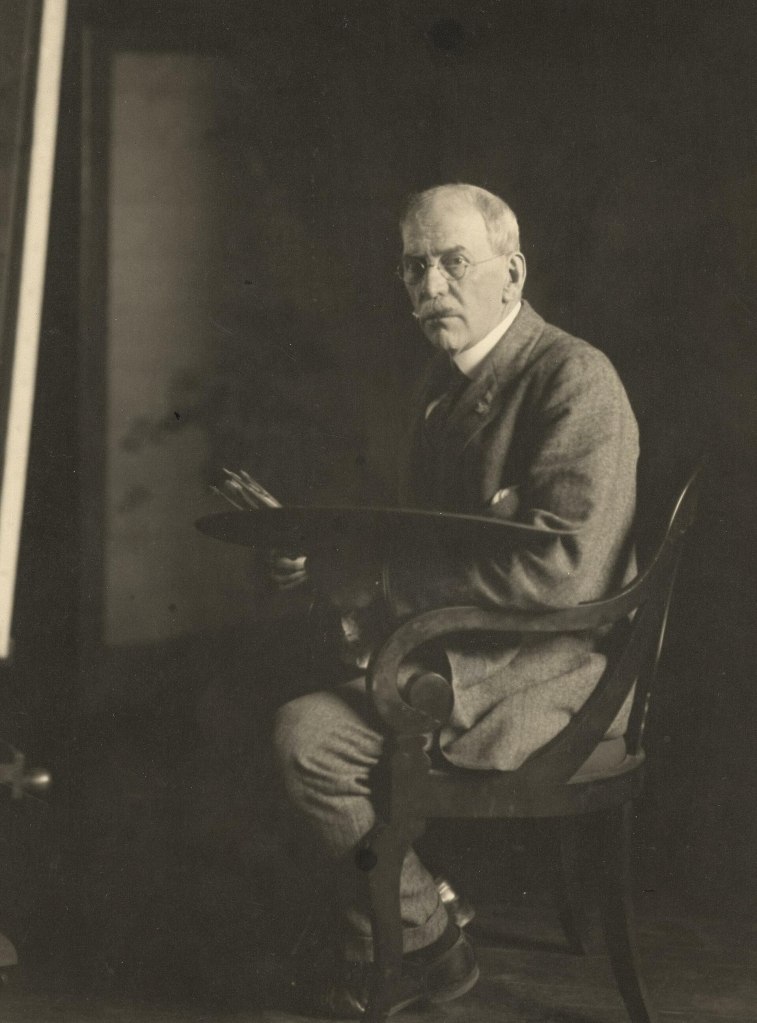
DeCamp became known as a member of the Boston School led by Edmund C. Tarbell and Emil Otto Grundmann, focusing on figure painting, and in the 1890s adopting the style of Tonalism. He was a founder of the Ten American Painters, a group of American Impressionists, in 1897. In 1895, DeCamp was hired to teach at the Pennsylvania Academy of the Fine Arts in Philadelphia, Pennsylvania, but resigned after one year because of ill health. From 1903 until his death in 1923, he was a faculty member at Massachusetts Normal Art School, now Massachusetts College of Art and Design, teaching painting from the living model and portraiture. He also taught painting classes at the School of the Museum of Fine Arts in Boston.
In 1891, he married Edith Franklin Baker (1868–1955). They had four children: Sarah “Sally” (1892–1973), Theodore “Ted” (1894–1955), Lydia (1896–1974), and Pauline (1899–). Family members served as models for a number of his paintings.
Gallery
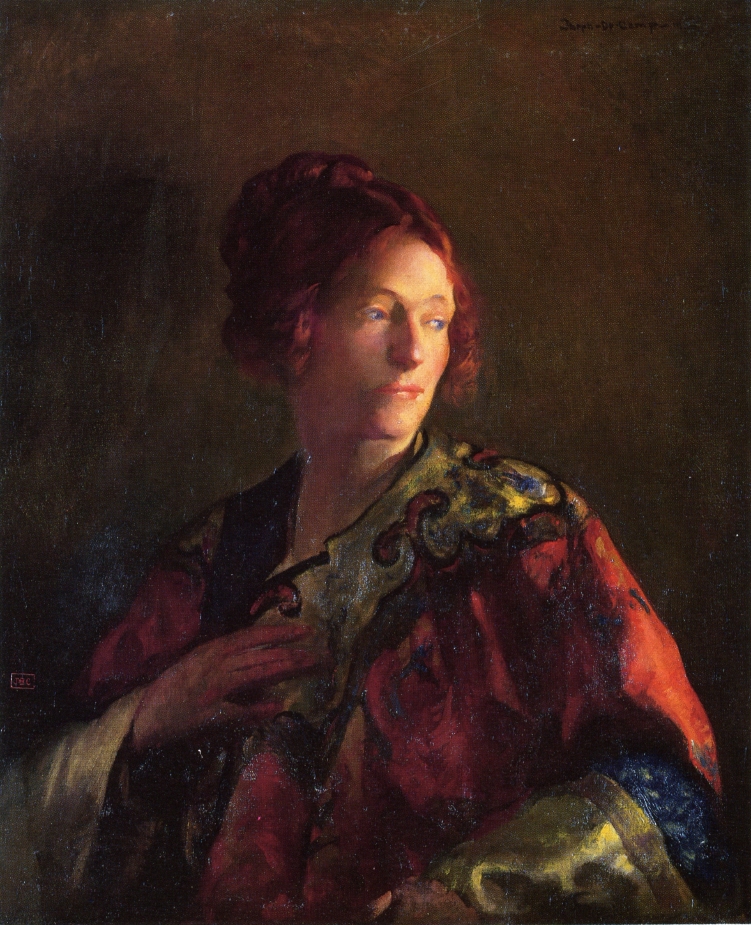
red and gold
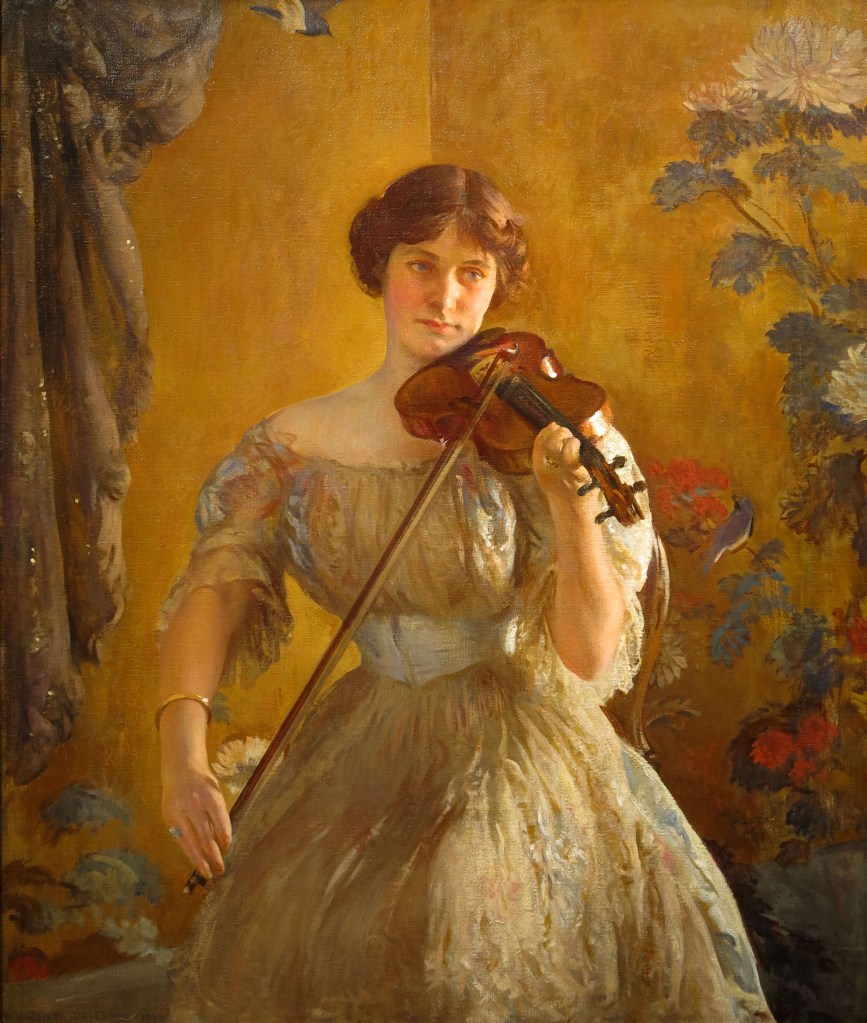
The Kreutzer Sonata (1912), private collection.
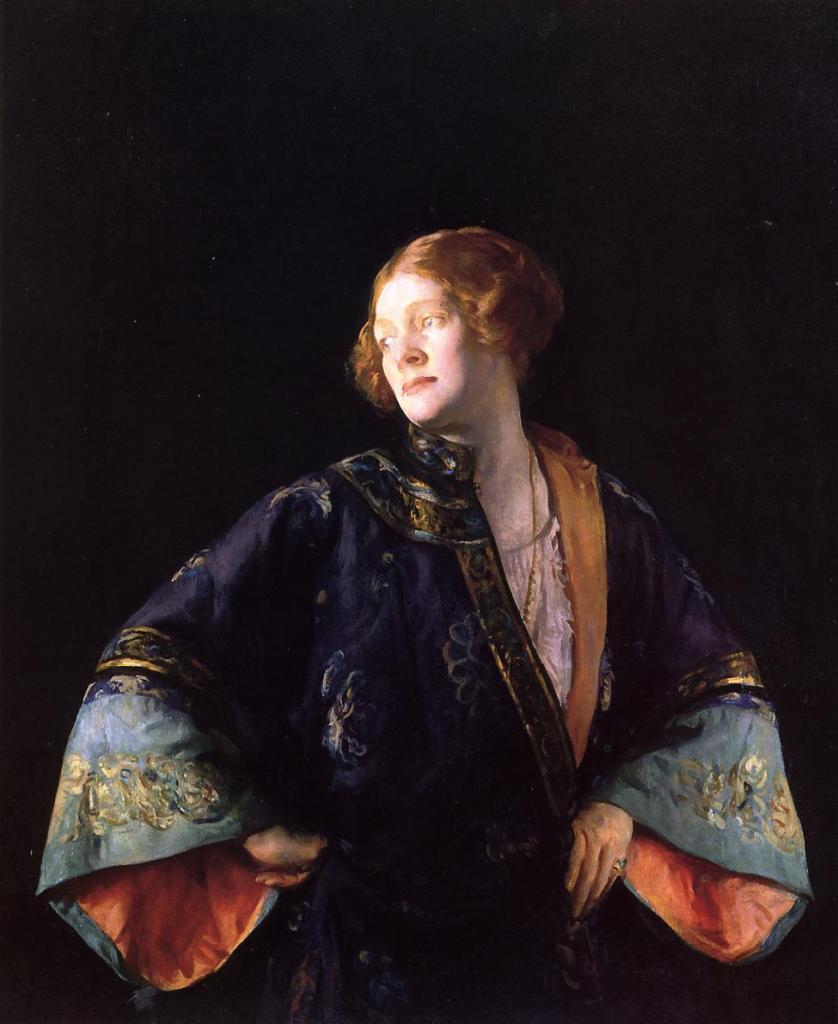
The Blue Mandarin Coat (1922), High Museum of Art, Atlanta
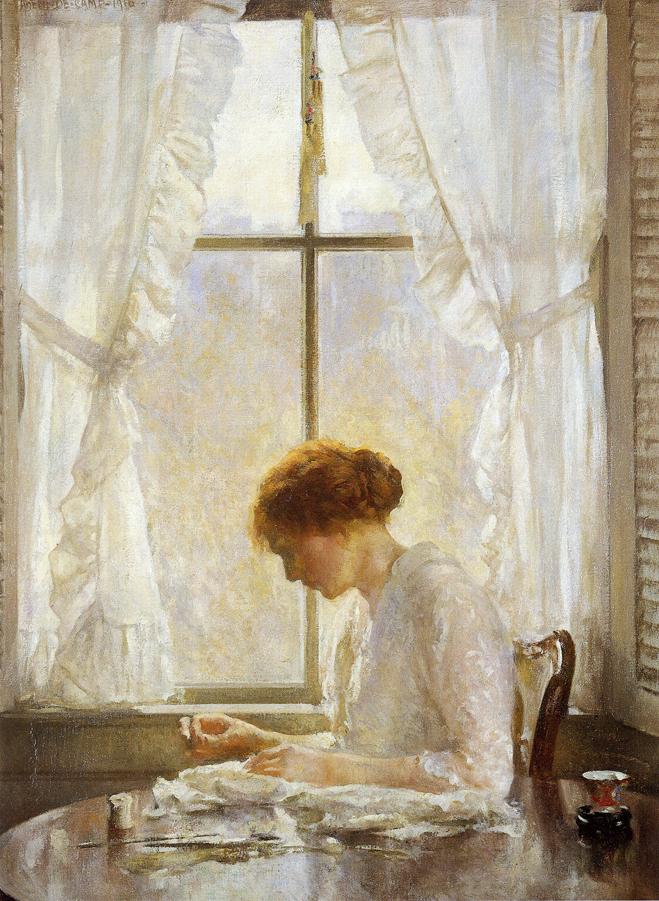
The Seamstress (1916), Corcoran Gallery of Art, Washington, D.C.
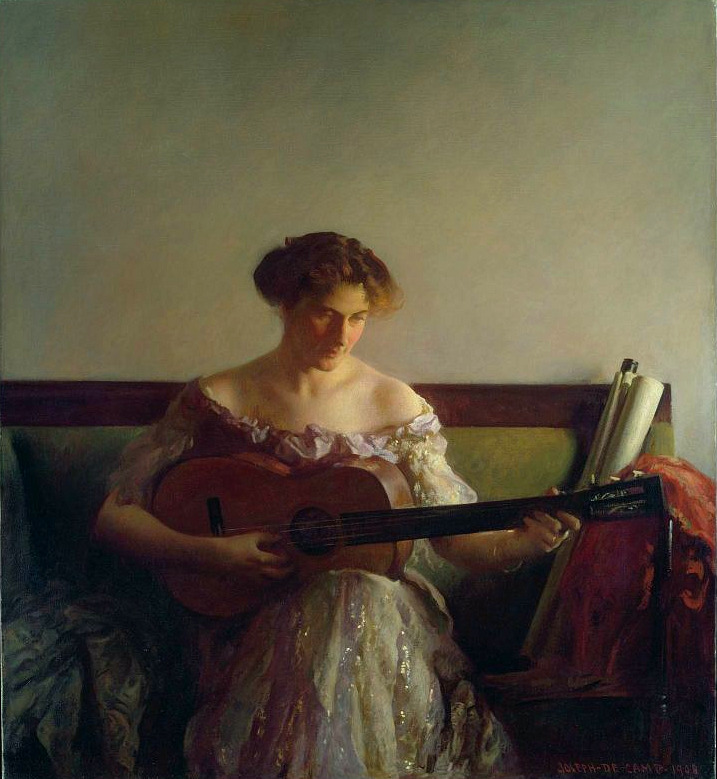
The Guitar Player (1908), Museum of Fine Arts, Boston.
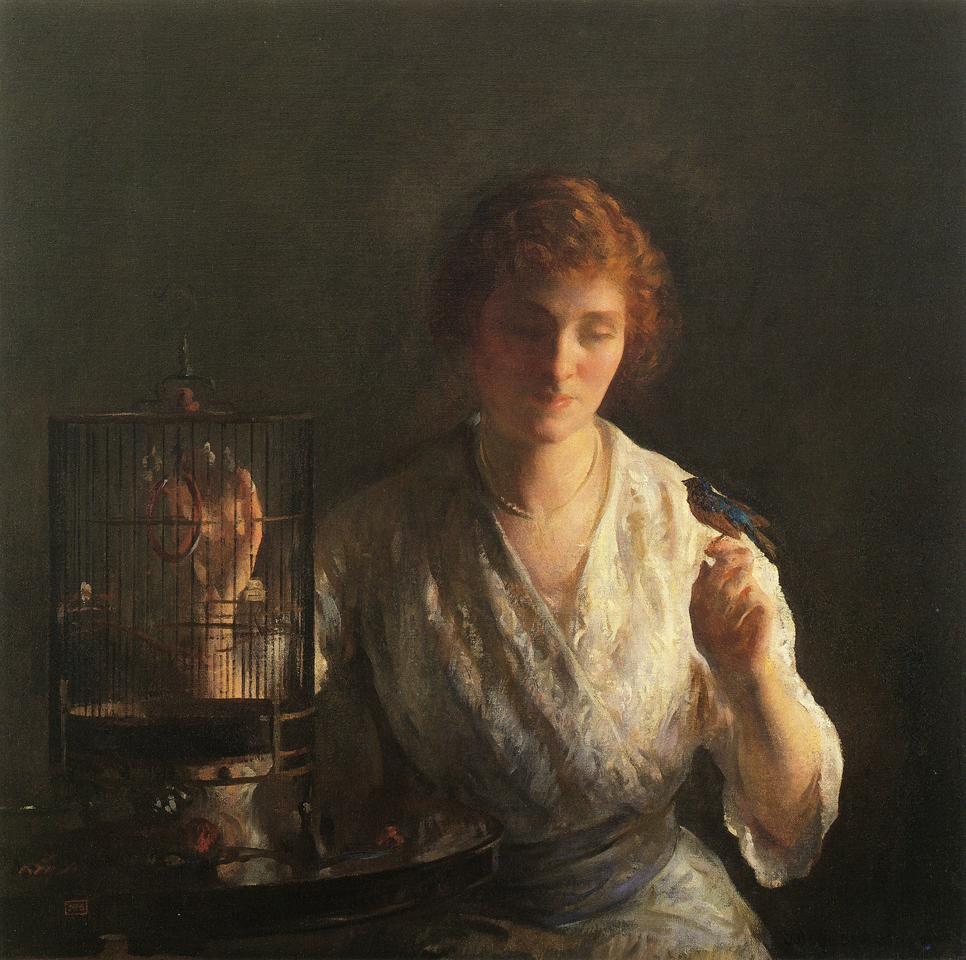
blue bird
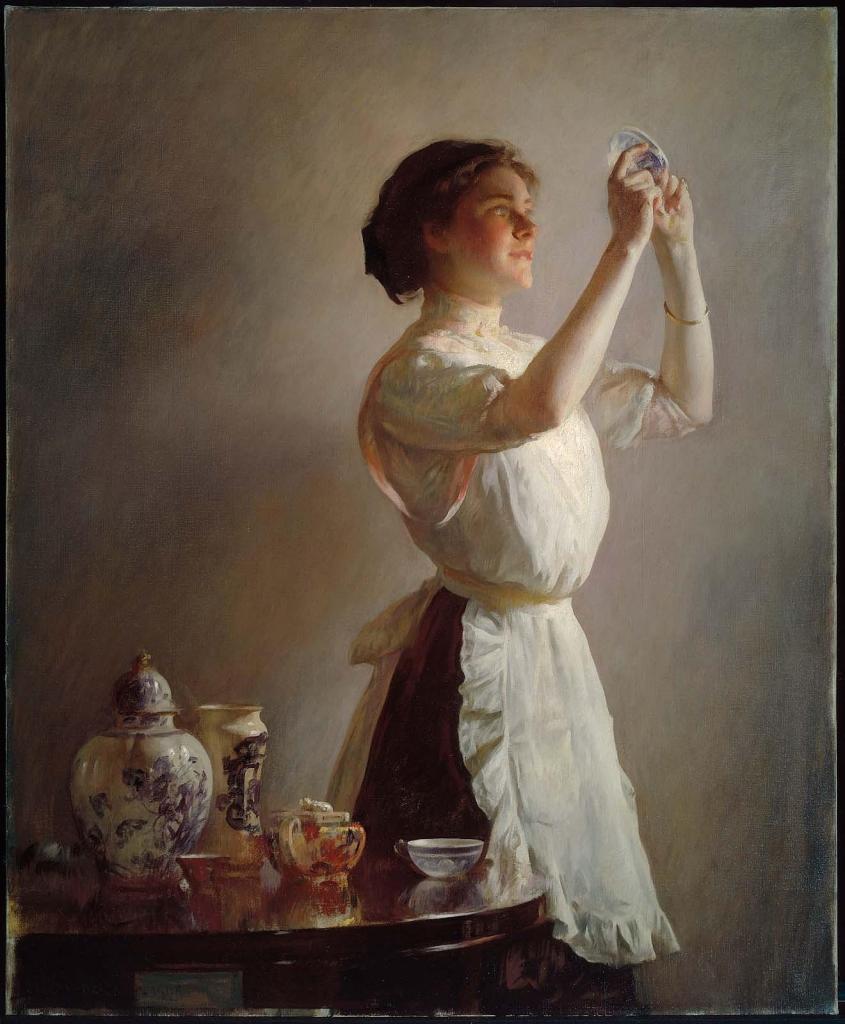
The Blue Cup (1909), Museum of Fine Arts, Boston.
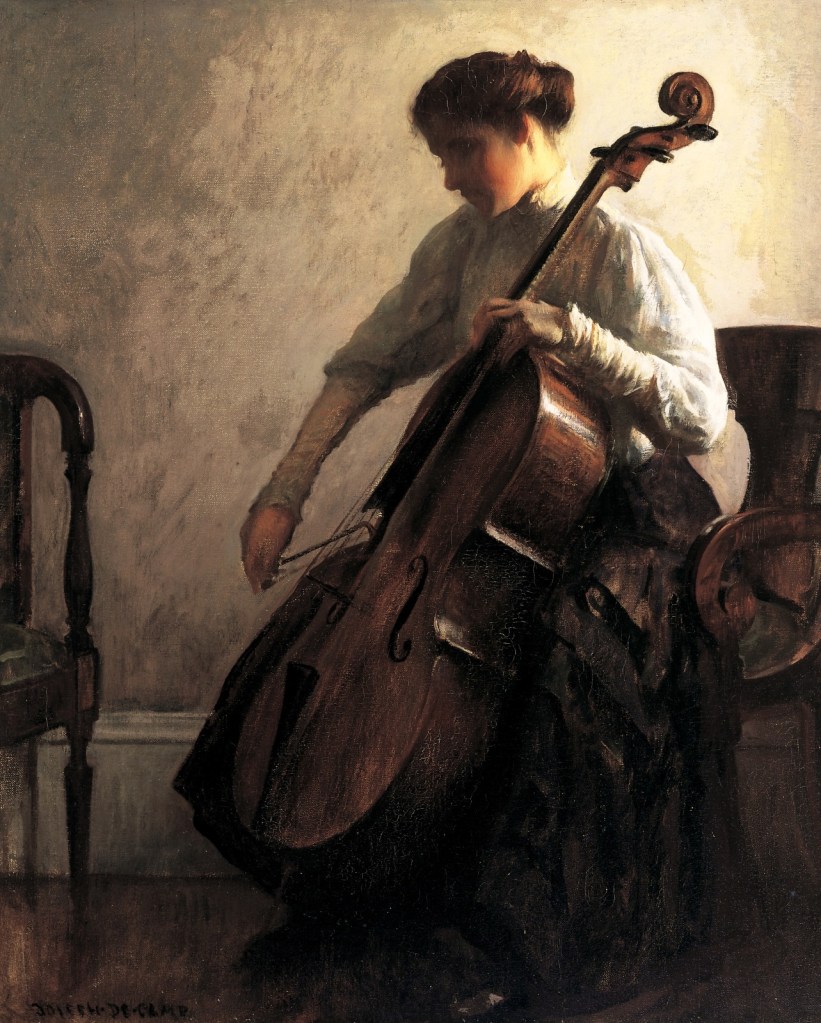
The Cellist (1908), Cincinnati Art Museum.
And today is the birthday of Kuzma Petrov-Vodkin, (Kuzma Sergeyevich Petrov-Vodkin; born in Khvalynsk (Saratov Oblast), Russian Empire; November 5, [O. S. 24 October] 1878 – February 15, 1939 Leningrad); painter and writer. His early iconographic work used special creative effects based on the curve of the globe, but its images were considered blasphemous by the Russian Orthodox Church. However he went on to become the first president of the Leningrad Union of Soviet Artists. His autobiographical writings attracted much praise, and have enjoyed a later revival. He was one of the members of the art association ‘The Four Arts’, which existed in Moscow and Leningrad in 1924-1931.
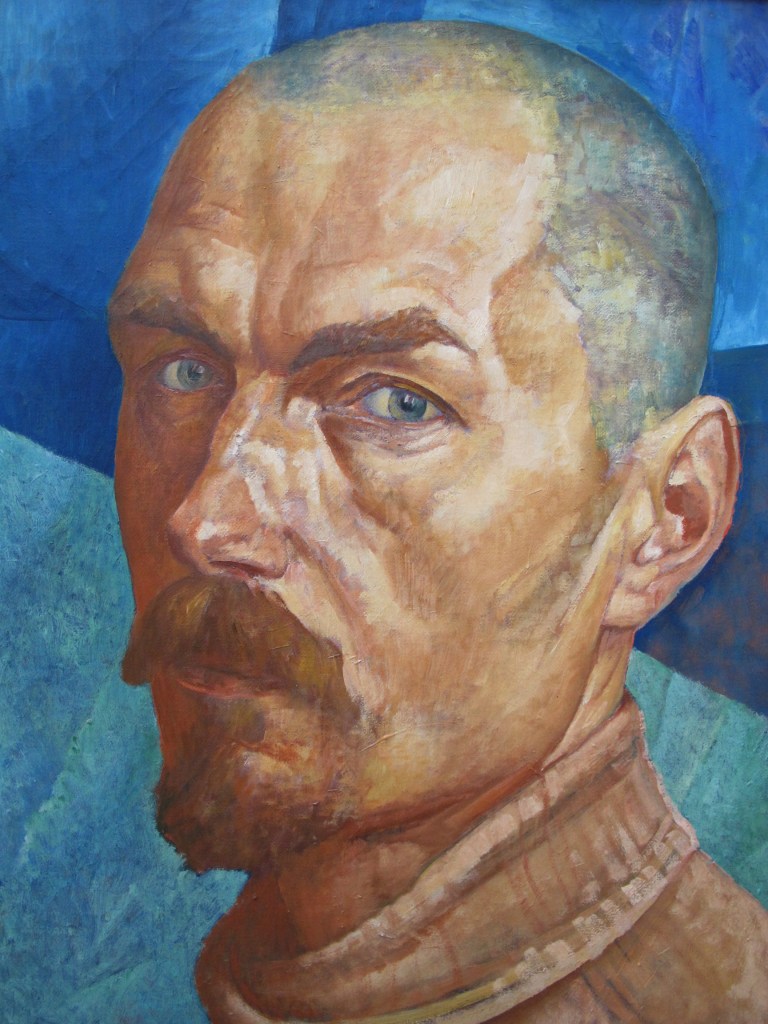
self portrait 1918
While in Paris in 1906 he met and married Maria Jovanovic (1885–1960), a daughter of Serbian immigrant hotel-keepers. She remained his lifelong companion.
gallery
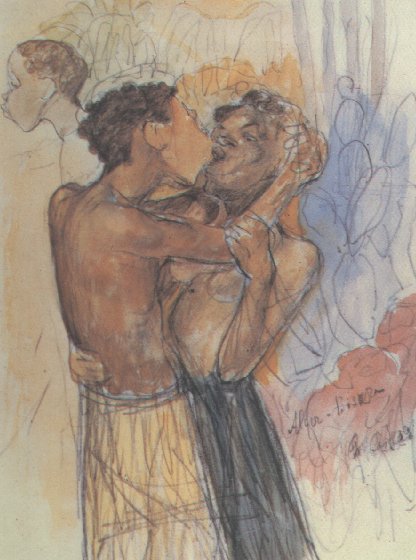
kiss
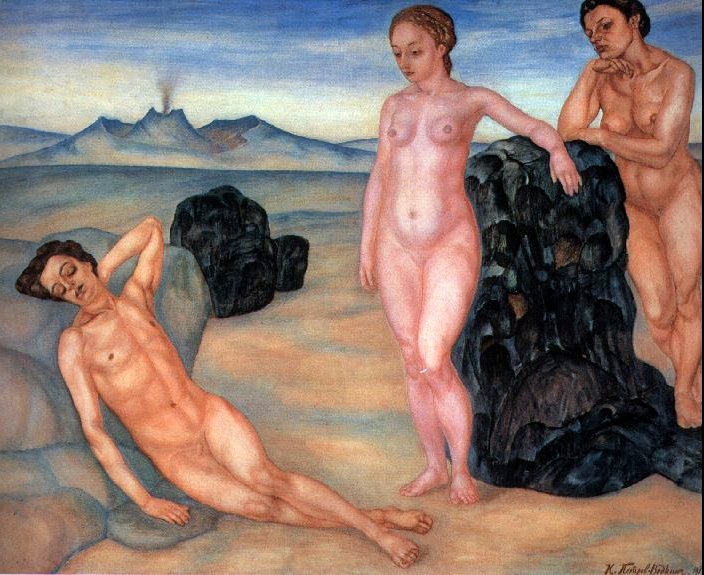
dream
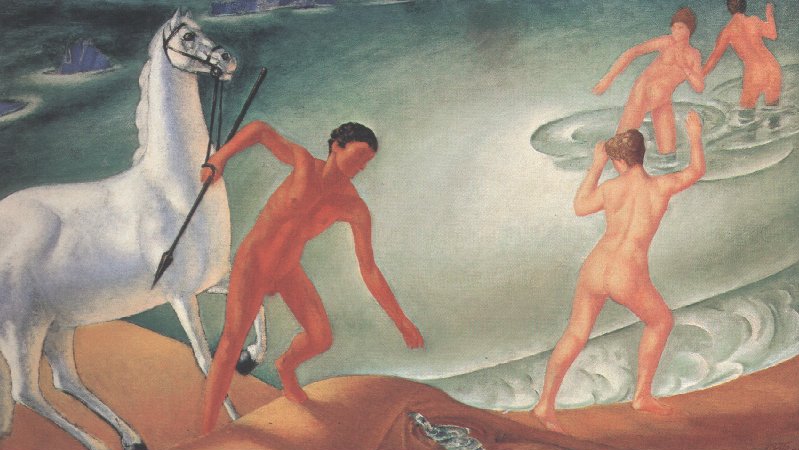
thirsty warrior
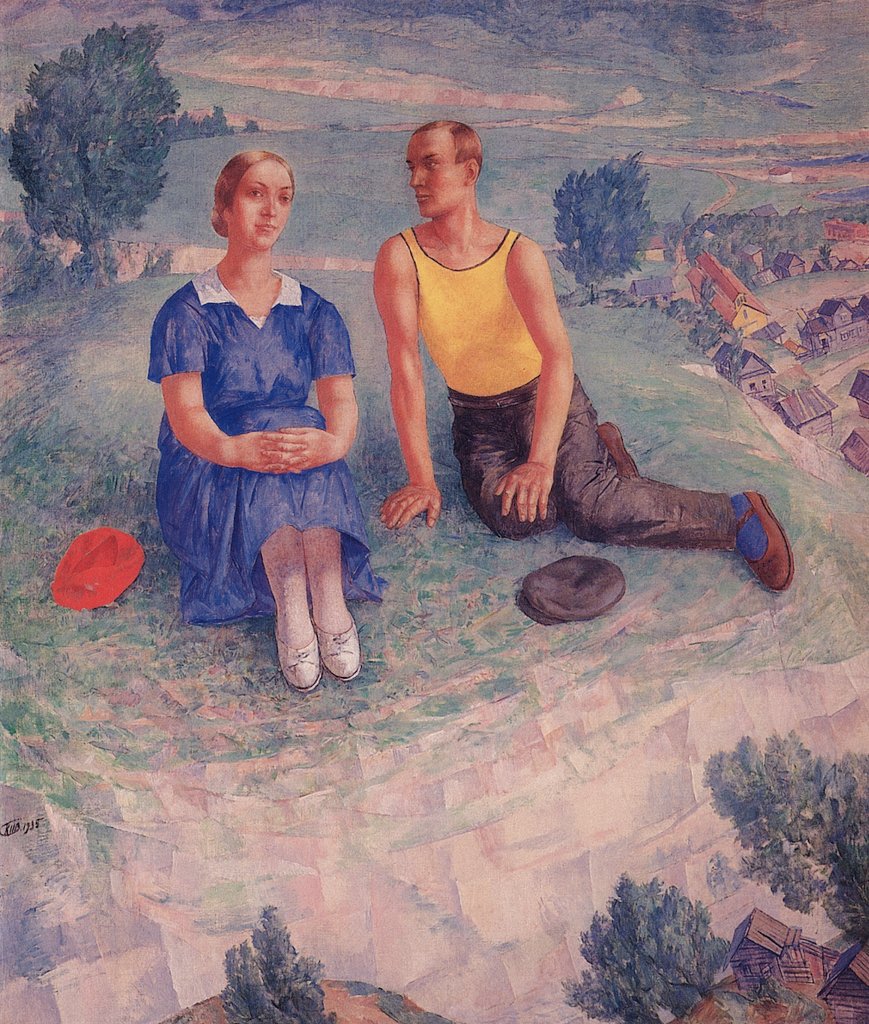
spring 1935
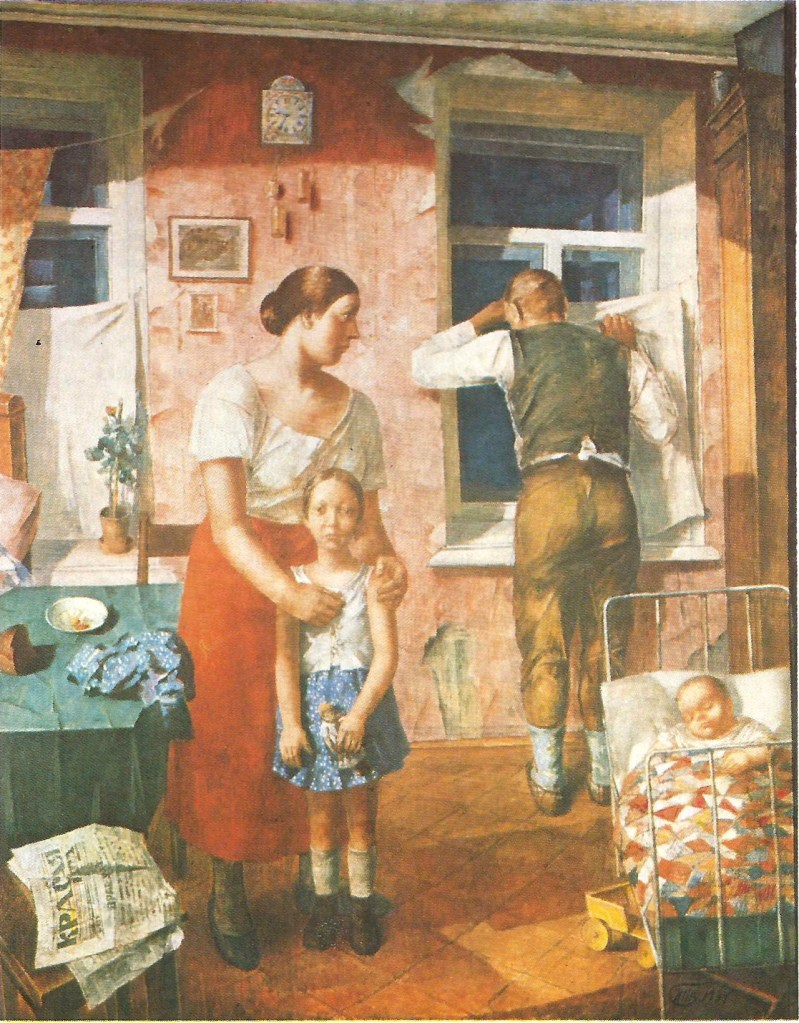
alarm 1919
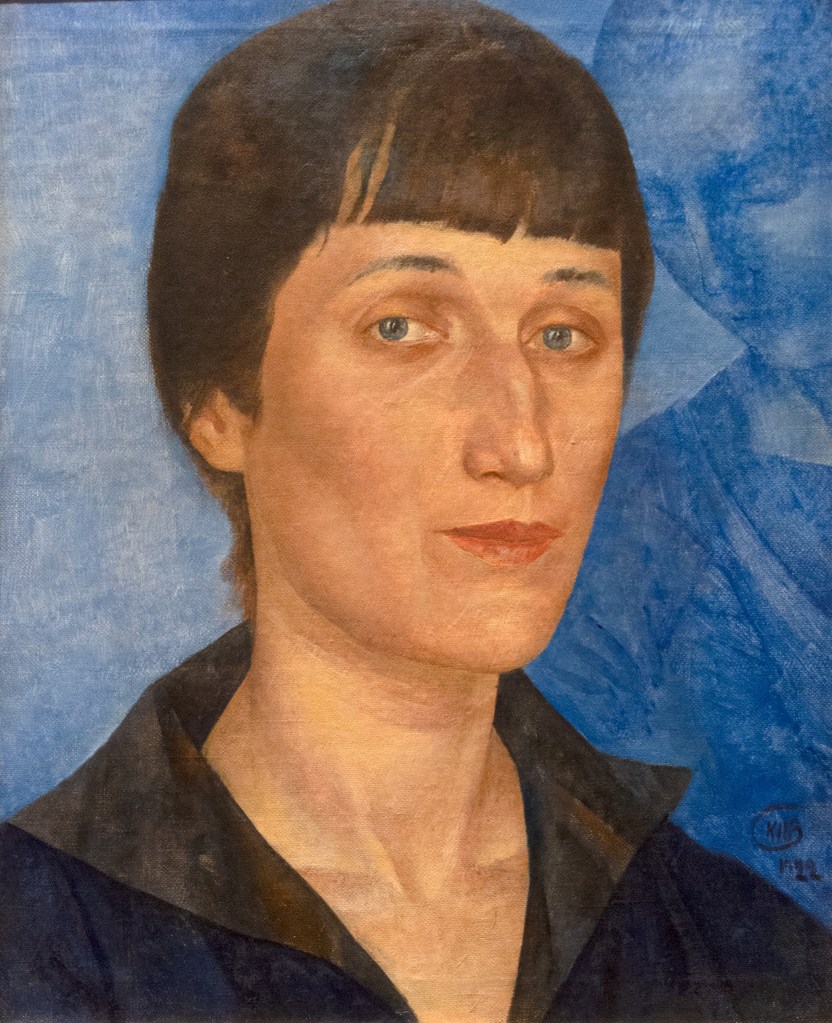
1922 portrait, Anna Akhmatova
Thanks for stoppin’ by y’all
Mac Tag
Love is the irresistible desire to be irresistibly desired. – Mark Twain
O, thou art a perpetual triumph, an everlasting bonfire-light! – Shakespeare
Love is all
Unsatisfied
That cannot take the whole
Body and soul; - WB Yeats
Follow us on twitter @cowboycoleridge
 The Lovers’ Chronicle
Leave a comment