Dear Zazie, Hope you had a good day. Mine was good and can be summed up in three words; chores, readin’, and grillin’. Here is today’s Lovers’ Chronicle from Mac Tag to his muse. Follow us on twitter @cowboycoleridge. Rhett
The Lovers’ Chronicle
Dear Muse,
this one came pretty quick,
written by Bill Callery
arranged and recorded by Willie
one of the most beautiful songs;
’’And I looked to the stars
Tried all of the bars
And I’ve nearly gone up in smoke
Now my hands on the wheel
Of somethin’ that’s real
And I feel like I’m goin’ home’’
’’Agree that is a great song’’
not sure about the ‘goin’ home part’
that would be fraught for me
more like, i can believe in a touch,
that it will not come with pain
‘’And in living that isn’t just something to do’’
because we looked at each other and found us

© copyright 2023.2024 mac tag/cowboy coleridge all rights reserved
pretty much the story of someone who learned not to trust the touch of another, nothin’ good ever came of it, betrayal and pain eventually showed up every time, got busy buildin’ walls, already self-sufficient leaned hard into that, buried feelin’s and need deep enough they could not be disturbed, a few were given a peek, but the guard stayed in place and the end was foretold in each beginnin’, until i came here and found somethin’ to believe in your hands
© copyright 2022.2024 mac tag/cowboy coleridge all rights reserved
after my day
begun before the sun
readin’, workin’ out
makin’ breakfast
wakin’ you up with,
good mornin’ gorgeous
sittin’ on the balcony
smokin’ a cigar
updatin’ my blogs
drinkin’ a cortado
walkin’ to work
then home for lunch
then back to work
then back home
the best part
to you and a hug
and the feel of your hands
© copyright 2021.2023 mac tag/cowboy coleridge all rights reserved
Pale Love, Pale Rider
for Pamela
need a good riff
to get me goin
so i think of you
rememberin’
the feel of your hands,
kneadin’ my muscles
so strong, persistent
workin’ out knots,
hurts so good
you know i believe
a woman’s beauty
is in her eyes,
her smile,
and her hands
i miss
when i was in yours
© copyright 2020 mac tag/cowboy coleridge all rights reserved
come we to this callin’,
to this callin’ we come,
for the words are full
and the melodies bloom
she sits ‘neath the moonlight a-plaitin’ of her hair,
and i will, with fond request repair, and look upon
her face for in her i find rest to lay my weariness
© copyright 2019 mac tag/cowboy coleridge all rights reserved
“How can you live like this?”
it is what keeps me alive
“No, it’s what keeps you alone!”
pale horse
where are you goin’
does your rider know…
wait
the moon will come
please wait,
that i may see
your face by moonlight
rememberin’
your hands
no one else knows,
hears the same songs,
understands the yearnin’,
the sadness, the feelin’s
unrestrained
say you will come
© copyright 2018 mac tag/cowboy coleridge all rights reserved
if your words are not good enough
you are not close enough
“Too much solitude
isn’t good for you.”
oh, i agree
*file under well intended,
not to be followed advice*
lightnin’ on the horizon
screen porch sittin’
torch lights lit
music, a drunken poet
singin’ ’bout the devil
and fallen angels
thunder rumblin’ now
pourin’ more mezcal
rememberin’
your hands…
oh my
another Saturday night
***
thanks Karen
‘’In every version of my story, he always gets the girl.’’
In mine;
He wants the girl
But settles for the verse
She inspires
‘’What if the girl he wants
Also wants him back?
What if
She’ll do anything for it.
What if, imagine:
She will help him write that verse’’
pardon me while I pick up
the scattered, blown
pieces of my mind
‘’Pick away.
Some things don’t need to be buried,
Or scattered,
Is what I’m saying.’’
oh, and thanks
i needed that
‘’You are welcome.
I’m hopeful to a fault sometimes
when I believe in certain loves.
Glad I could transfer some of that
To you.’’
you are right of course
and nothin’ could be better
than what you described
I have not given up hope
but I god, some days are dark
© copyright 2017 mac tag/cowboy Coleridge all rights reserved
hear the water murmur
at your feet and flow
on to the sea;
it fills your ears
yet cannot break
the long and terrific silence
© copyright 2016 mac tag/cowboy Coleridge all rights reserved
Wave of reflection, burnin’ hot
Body, heaved up by a soul, made of lust,
Of flesh, the vast pullulation of desire
© copyright 2015 mac tag/cowboy Coleridge all rights reserved
| Jeanne Bécu, comtesse du Barry | |
|---|---|
 by Élisabeth Vigée Le Brun, 1781 by Élisabeth Vigée Le Brun, 1781 | |
Today is the birthday of Jeanne Bécu, comtesse du Barry (Vaucouleurs, France 19 August 1743 – 8 December 1793 Paris); the last maîtresse-en-titre of King Louis XV of France. She was executed by guillotine during the French Revolution on accusations of treason — particularly being suspected of assisting émigrés to flee from the Revolution. She is also known as “Mademoiselle Vaubernier”.
In 1768, when the king wished to make Jeanne maîtresse-en-titre, etiquette required her to be the wife of a high courtier, so she was hastily married on 1 September 1768 to Comte Guillaume du Barry. The wedding ceremony was accompanied by a false birth certificate, created by Jean-Baptiste du Barry, the comte’s older brother. The certificate made Jeanne appear younger by three years and obscured her poor background. Henceforth, she was recognized as the king’s official paramour.
Her arrival at the French royal court scandalized some, as she had been a courtesan and came from humble beginnings. She was shunned by many, including Marie Antoinette, whose contempt for Jeanne caused alarm and dissension at court. On New Year’s Day 1772, Marie Antoinette deigned to speak to Jeanne; her remark, “There are many people at Versailles today”, was enough to take the edge off the dispute, though many still disapproved of Jeanne.
During the Reign of Terror, Jeanne was imprisoned over accusations of treason by her servant Zamor. Her body was buried in the Madeleine cemetery. The fabulous gems which she had smuggled to London were sold at auction in 1795.
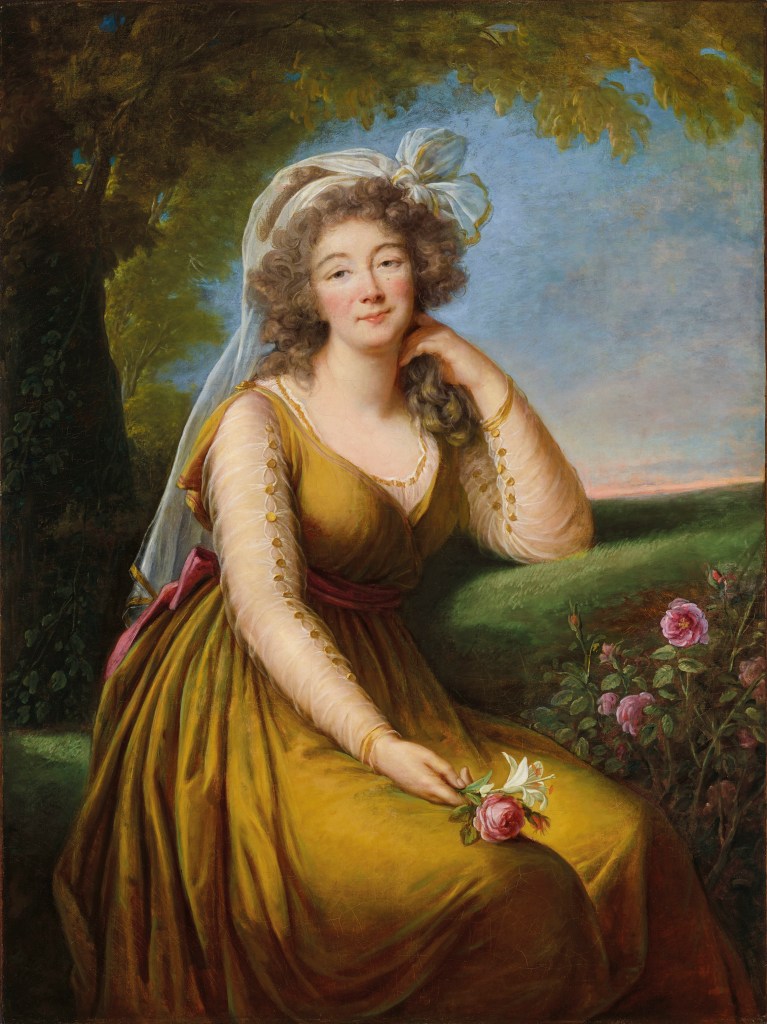
by Le Brun; posthumous, between 1789 and 1805
The officer of the king’s troops, Monsieur de Belleval, described her in his memoirs: “I can still see her carelessly seated or rather reclining in a large easy chair, wearing a white dress with wreaths of roses. She was one of the prettiest women at a court which boasted so many, and the very perfection of her loveliness made her the most fascinating. Her hair, which she often left unpowdered, was of a beautiful golden color and she had so much that she scarcely knew what to do with it all. Her wide blue eyes looked at one with an engaging frankness. She had a straight little nose and a complexion of a dazzling purity. In a word, I like everyone else fell immediately under her charm.”
As I fell immediately under your charm.
Today is the birthday of Gustave Caillebotte (rue du Faubourg-Saint-Denis, Paris ; 19 August 1848 – 21 February 1894 Petit-Gennevilliers); painter, member and patron of the artists known as Impressionists, although he painted in a more realistic manner than many other artists in the group. Caillebotte was noted for his early interest in photography as an art form.
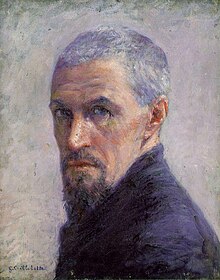
Portrait de l’artiste (Self-portrait). c. 1892. Musée d’Orsay, Paris

Caillebotte (right) and his brother, Martial

about age 30, c. 1878
Never married, Cailebotte appears to have had a serious relationship with Charlotte Berthier, a woman eleven years his junior and of the lower class, to whom he left a sizable annuity. Smart man.
Gallery
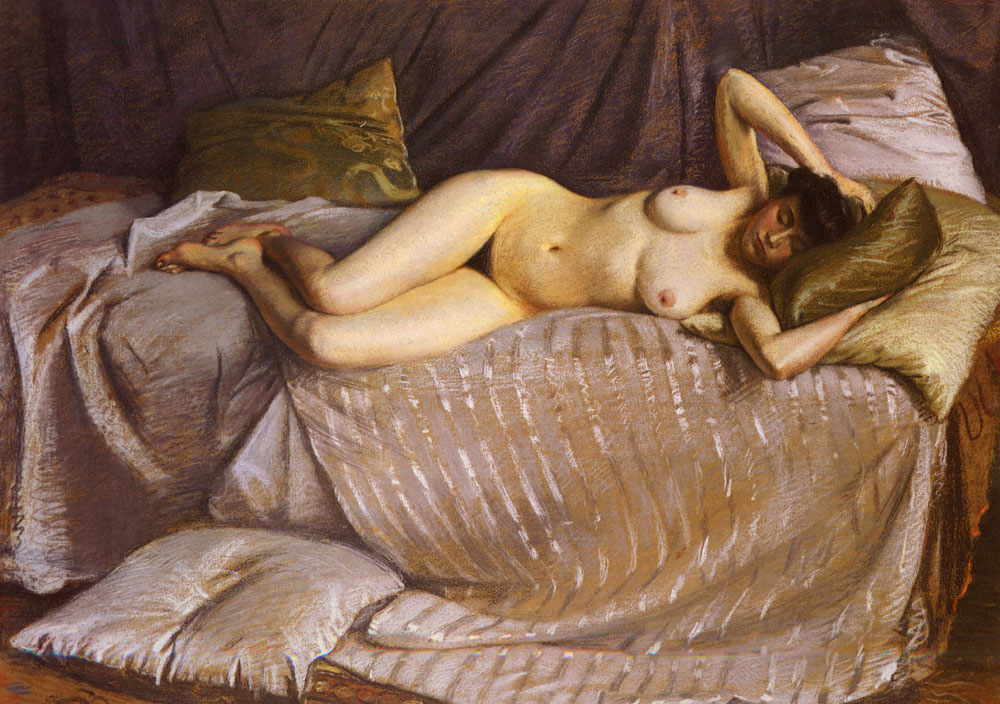
Femme nue étendue sur un divan
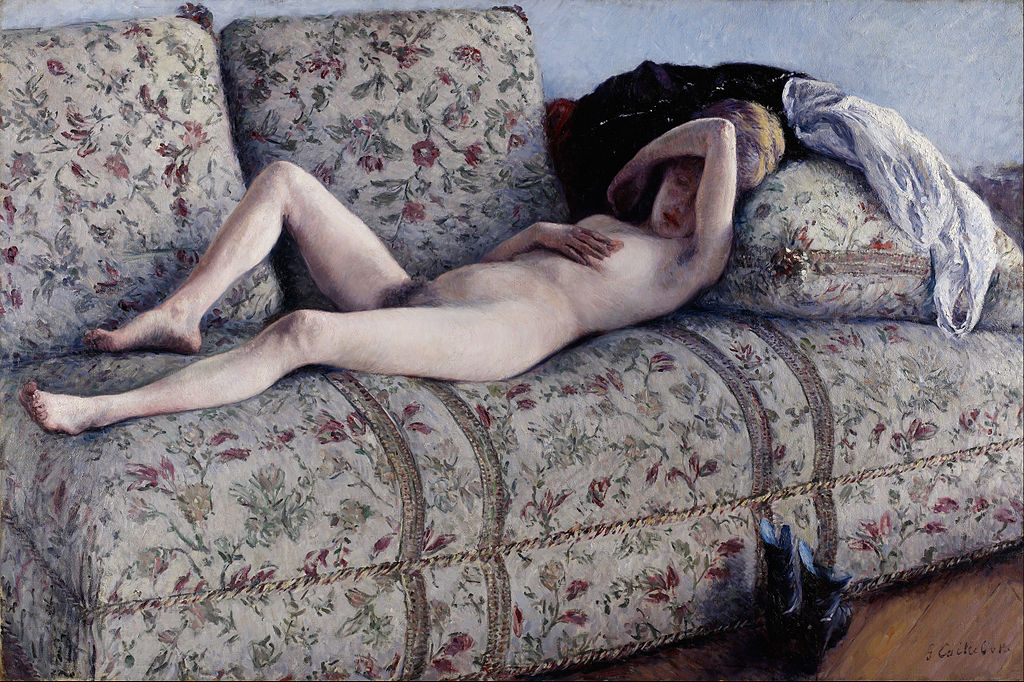
Nue sur un divan
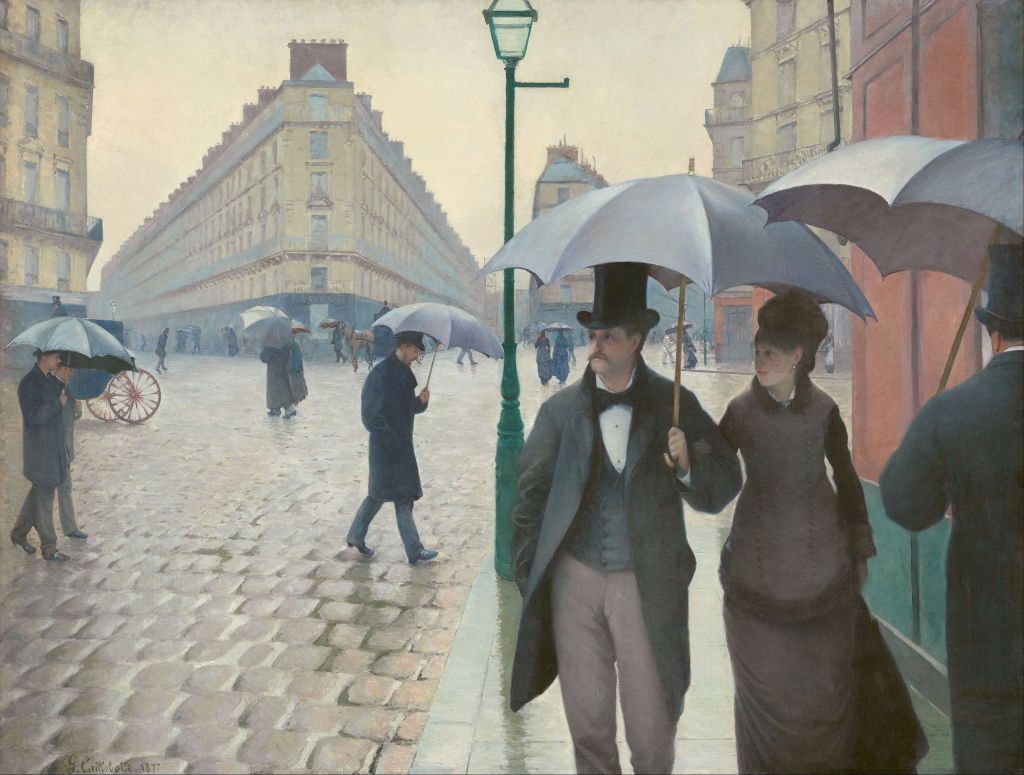
Rue de Paris, temps de pluie
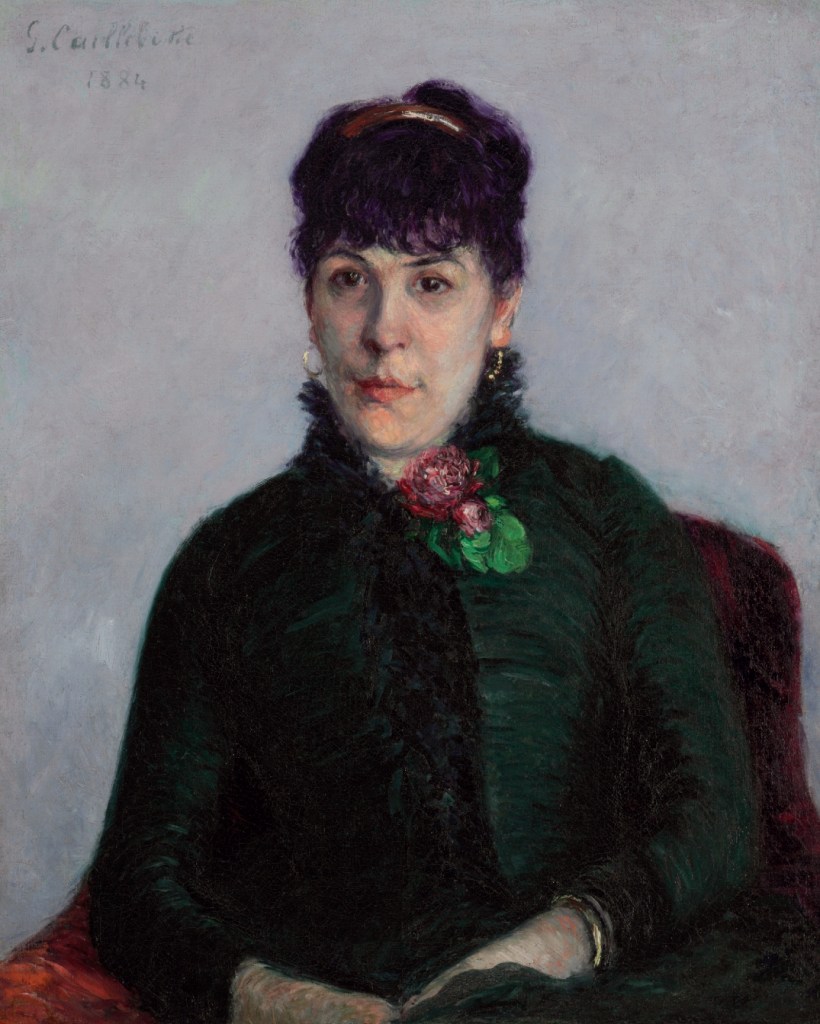
La Femme à la rose, 1884 Collection privée, Vente 2012
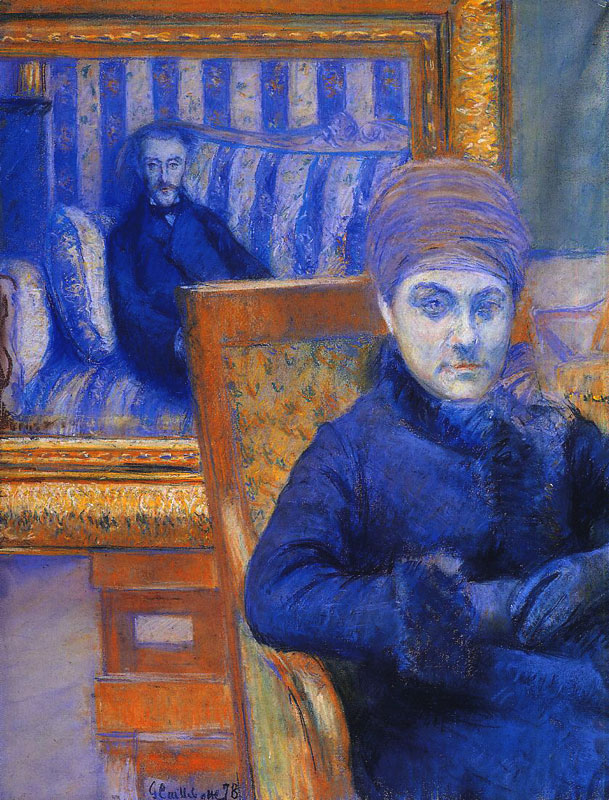
Portrait de Madame X
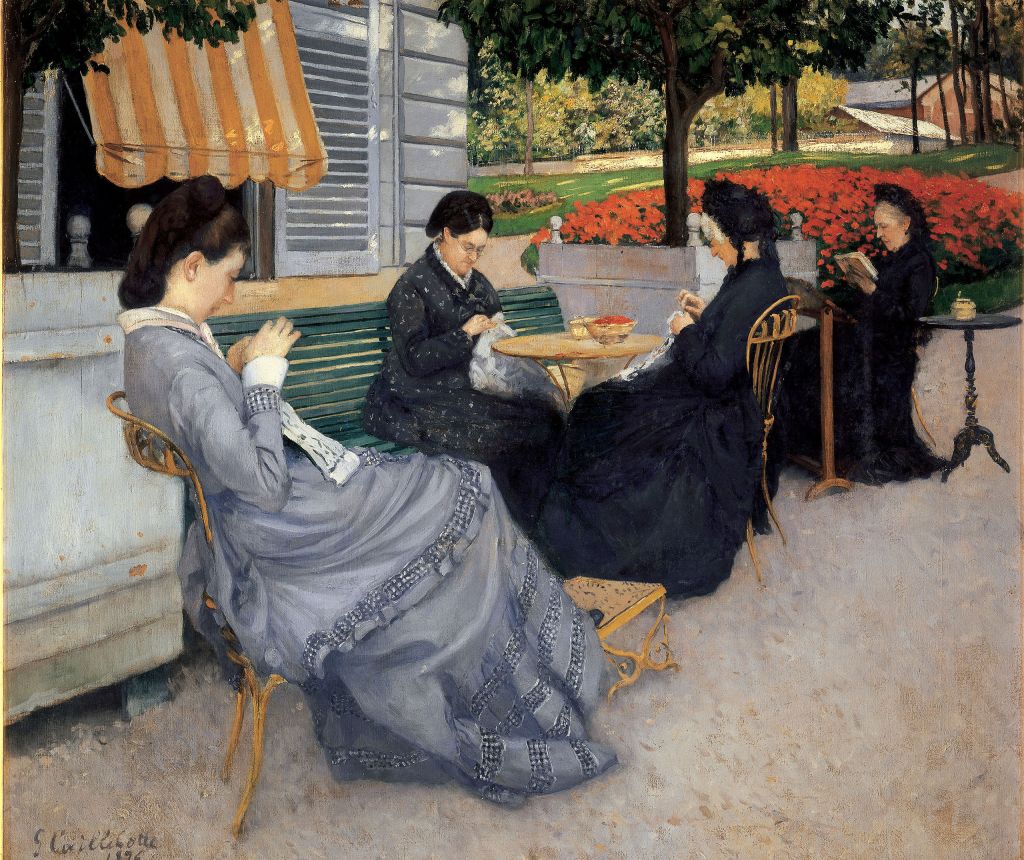
Portraits à la campagne (1876) Musée Baron Gérard, Bayeux
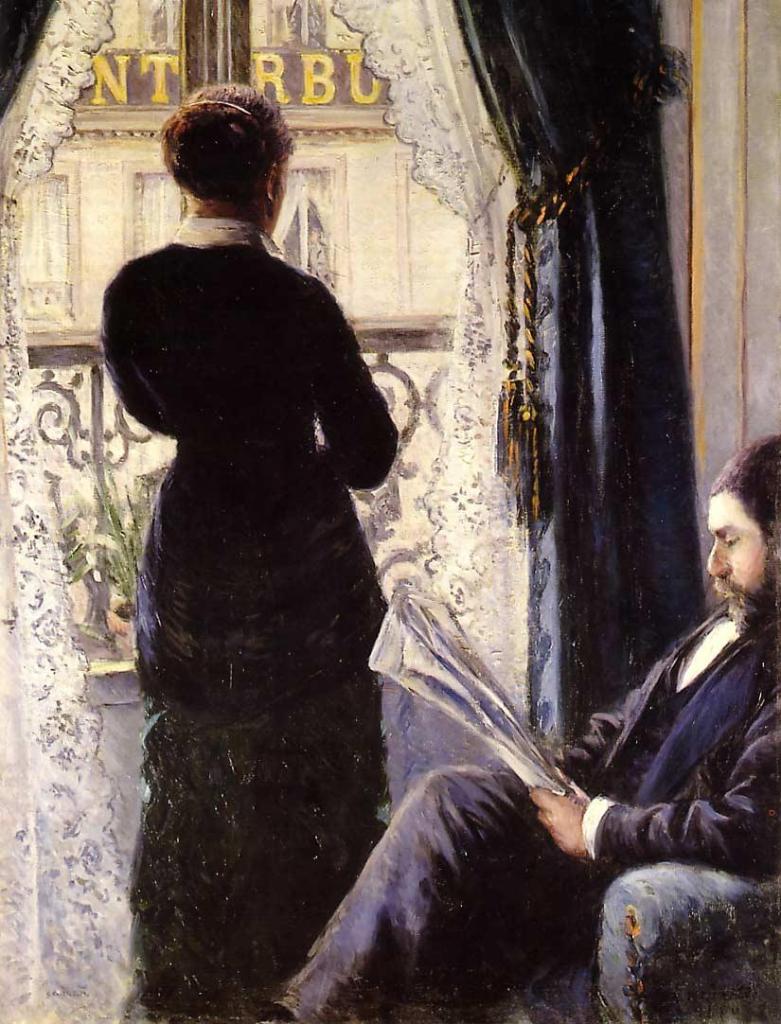
Intérieur (1880) Private collection
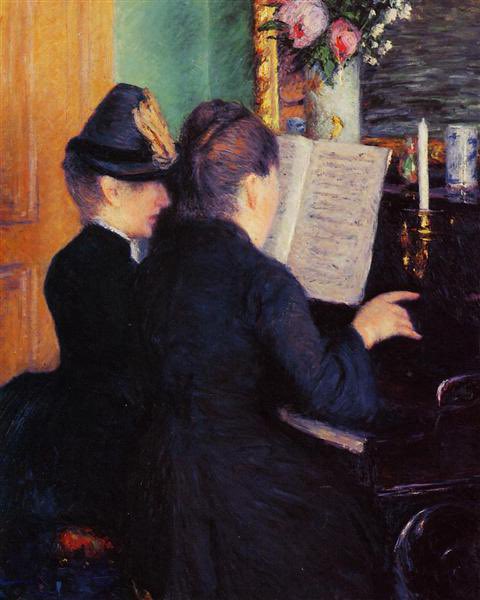
la leçon de piano

Portraits à la campagne (1876), Bayeux, musée Baron-Gérard
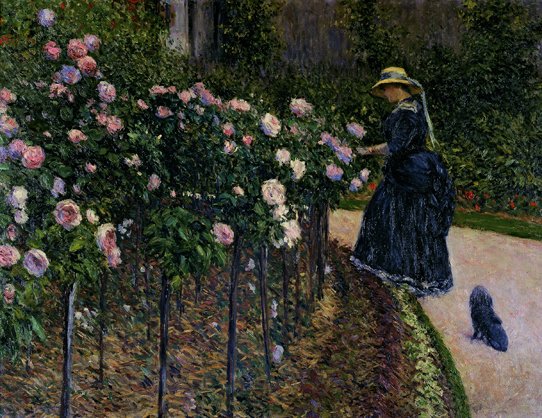
Roses, jardin du Petit Gennevilliers
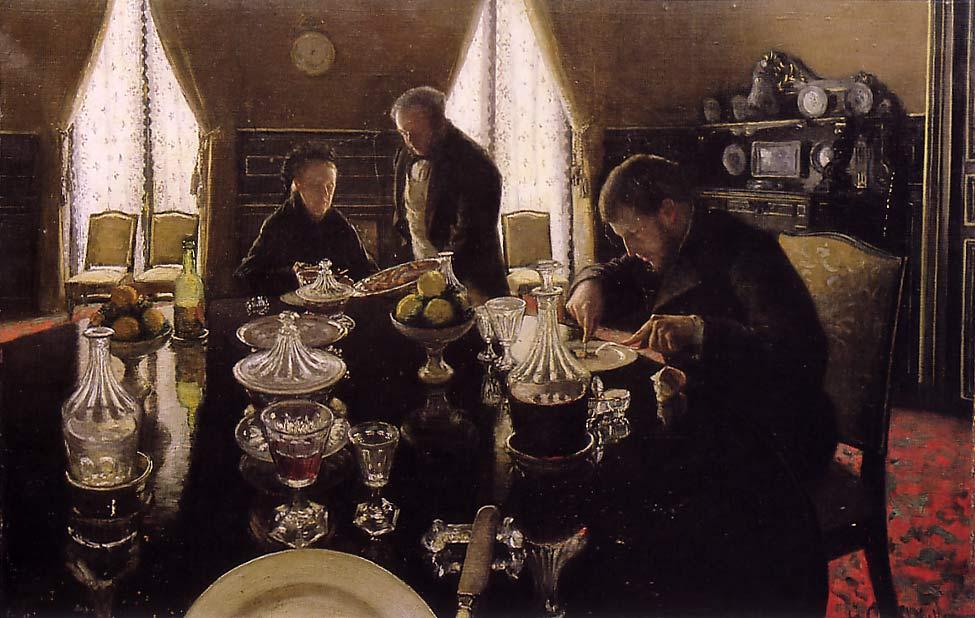
Le Déjeuner (1876), collection privée
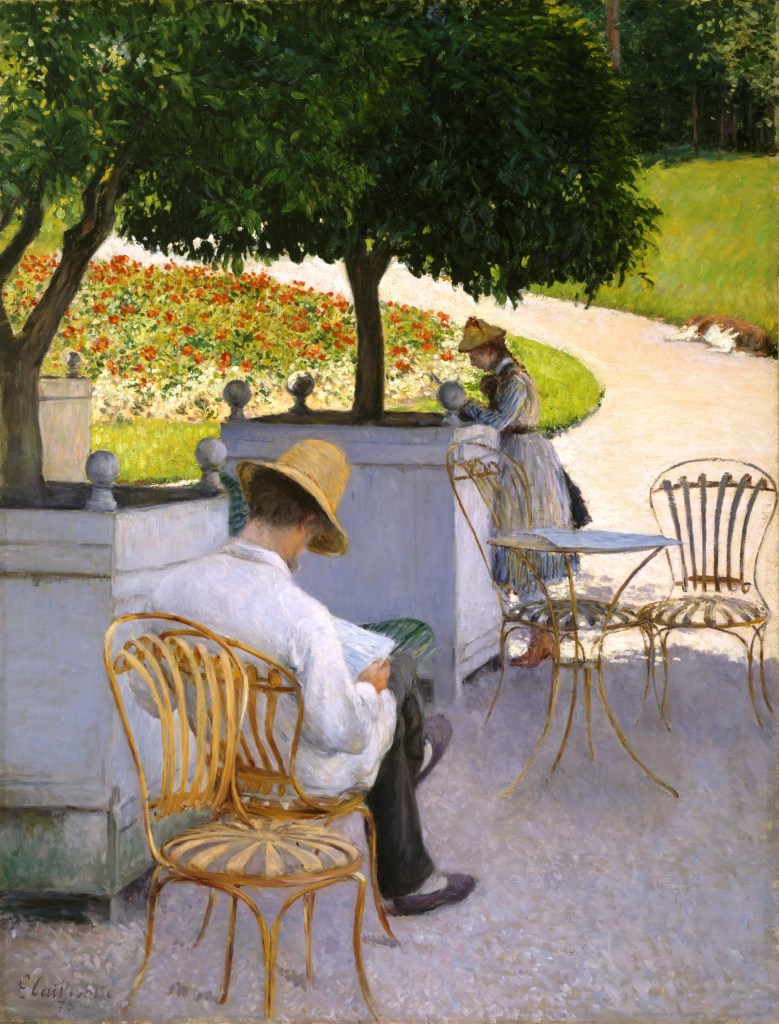
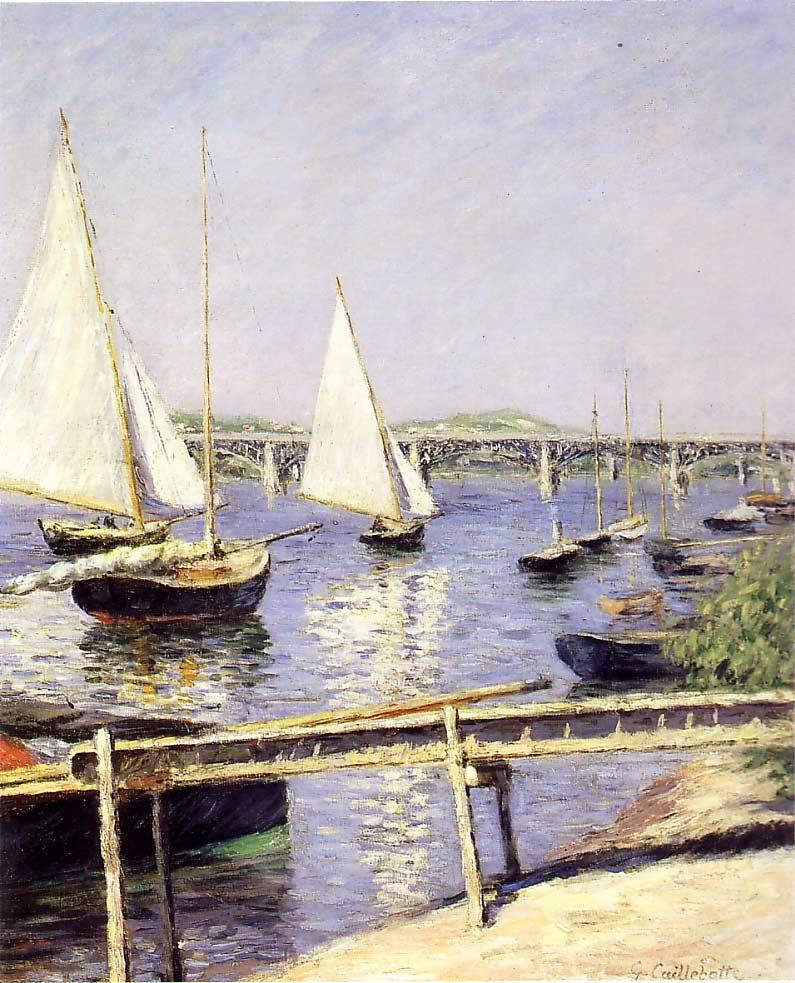
Voiliers à Argenteuil (1888), Paris, musée d’Orsay
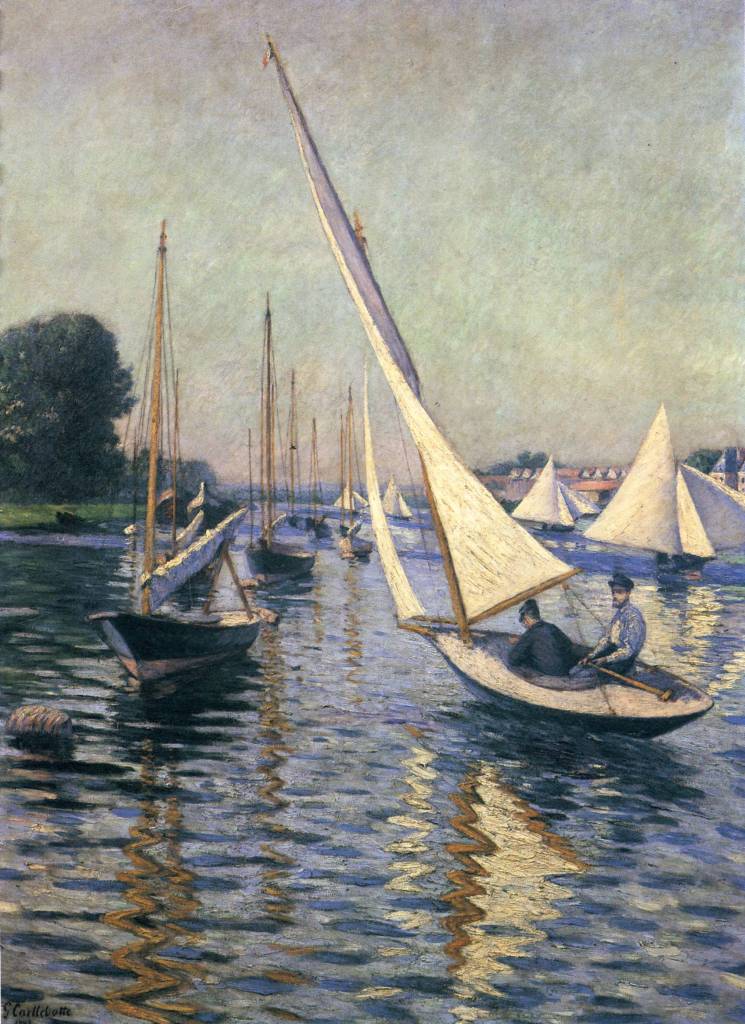
Régates à Argenteuil (1893), coll. part
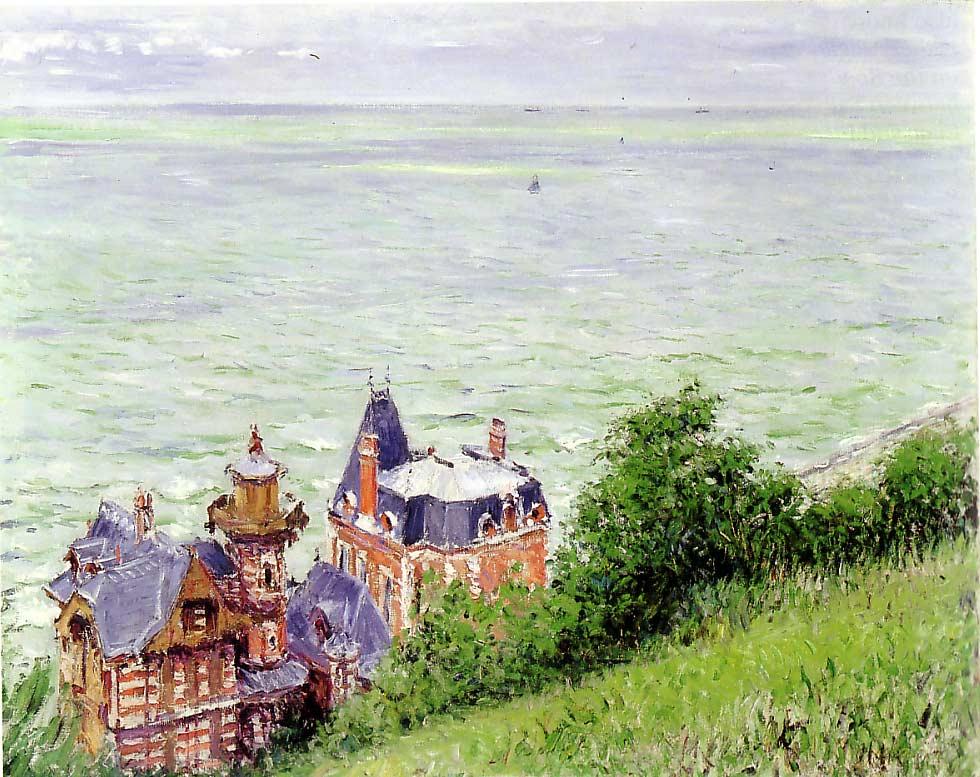
Villas à Trouville (1884), San Francisco, Montgomery Gallery
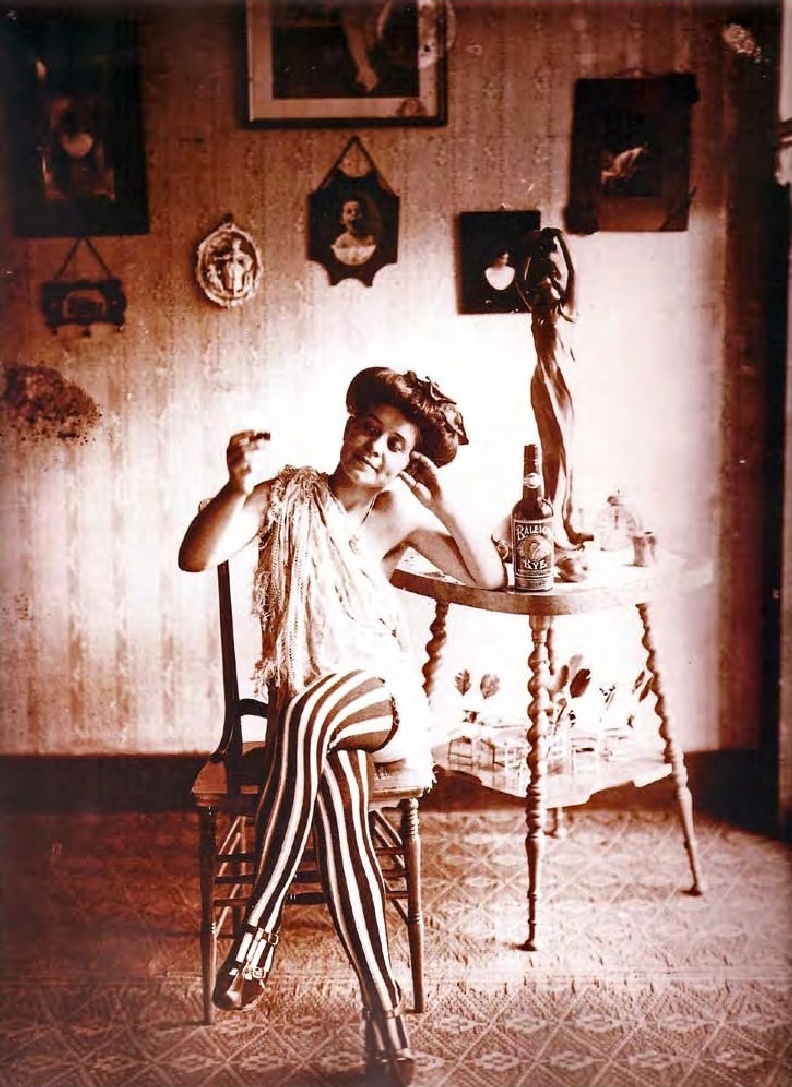
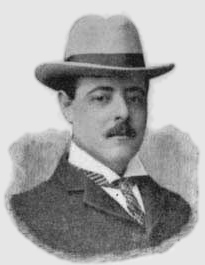
And today is the birthday of E. J. Bellocq (John Ernest Joseph Bellocq; New Orleans 1873–3 October 1949 New Orleans); professional photographer who worked in New Orleans during the early 20th century. Bellocq is remembered for his haunting photographs of the prostitutes of Storyville, New Orleans’ legalized red-light district. These have inspired novels, poems and films.
The Storyville photographs are portraits of women. Some are nude, some dressed, others posed as if acting a mysterious narrative. Many of the negatives were badly damaged, in part deliberately, which encouraged speculation. Many of the faces had been scraped out; whether this was done by Bellocq, his Jesuit priest brother who inherited them after E. J.’s death or someone else is unknown. Bellocq is the most likely candidate, since the damage was done while the emulsion was still wet. In a few photographs the women wore masks.
The mystique about Bellocq has inspired several fictional versions of his life, notably Louis Malle’s 1978 film Pretty Baby, in which Bellocq was played by Keith Carradine. He also appears in Michael Ondaatje’s novel Coming Through Slaughter and is a protagonist in Peter Everett’s novel Bellocq’s Women. These works take many liberties with the facts of Bellocq’s life.
The photographs have inspired imaginative literature about the women in them. There are several collections of poems, notably Brooke Bergan’s Storyville: A Hidden Mirror and Natasha Trethewey’s Bellocq’s Ophelia.
The 1974 book Storyville, New Orleans: Being an Authentic, Illustrated Account of the Notorious Red-Light District by Al Rose gives an overview of the history of prostitution in New Orleans with many photographs by Bellocq.
In 1971, Storyville Portraits won a mention at the Rencontres d’Arles’s Book Award, France.
The 1983 novel Fat Tuesday by R. Wright Campbell features a thinly-veiled depiction of Bellocq, a photographer named B. E. Locque.
Bellocq appears as a fictional character in David Fulmer’s Storyville novels Chasing the Devil’s Tail and Rampart Street. He is also a character in Madam: A Novel of New Orleans by Cari Lynn and Kellie Martin.
Gallery
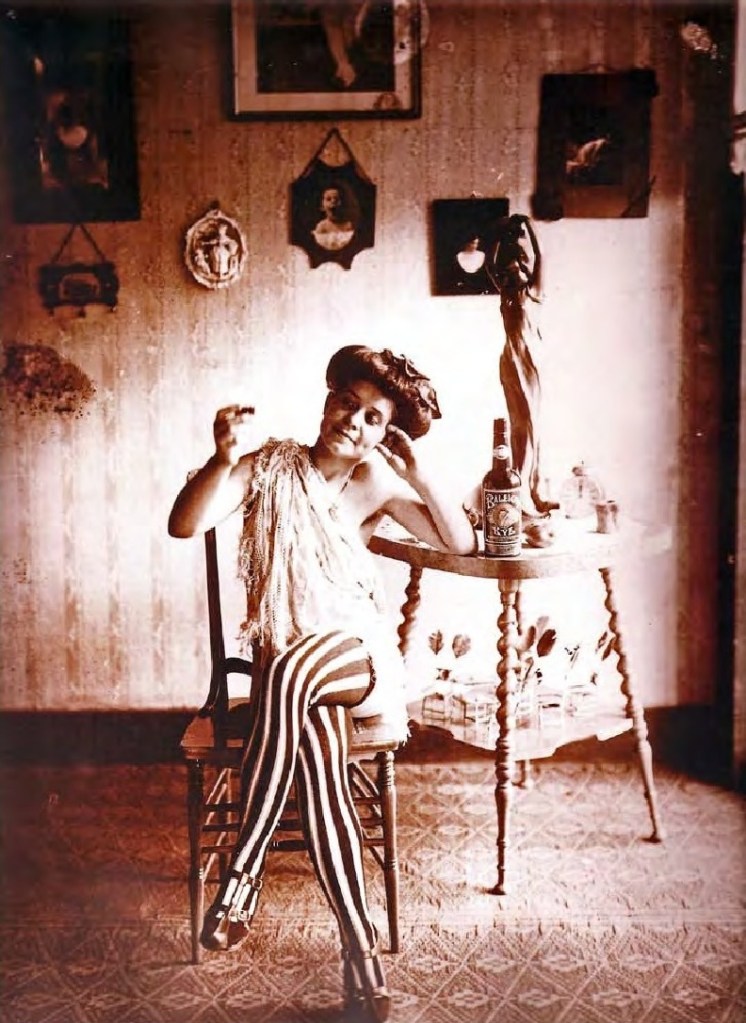
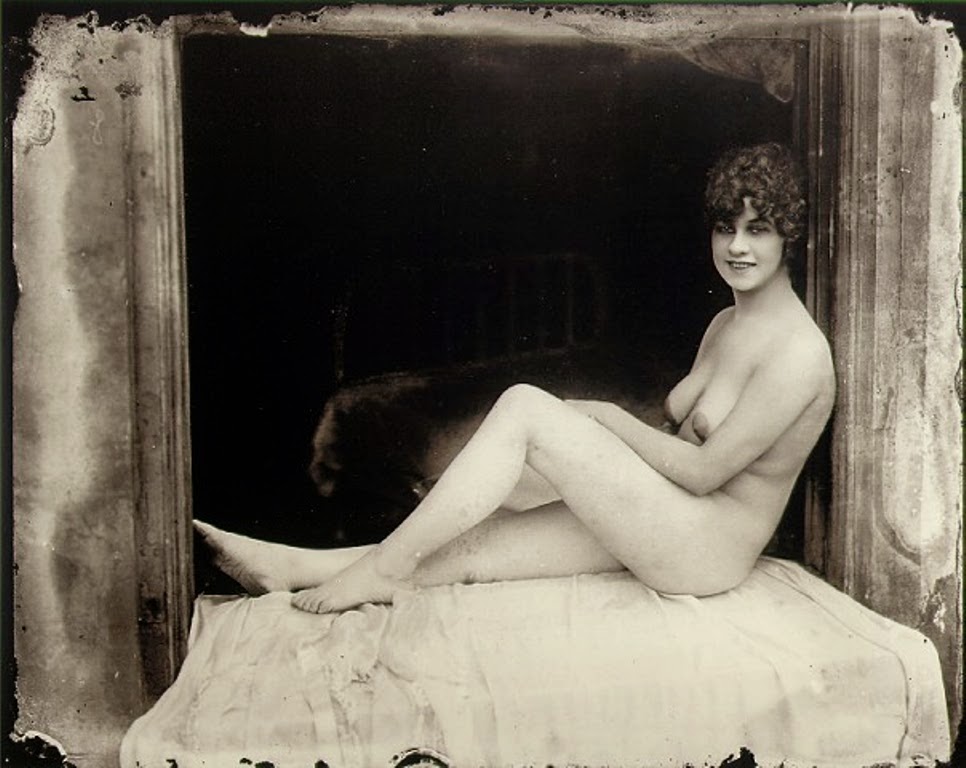
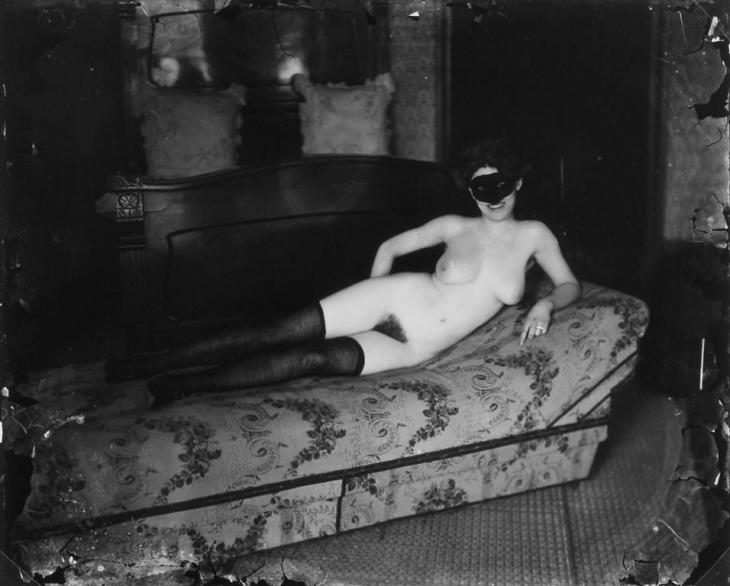
Storyville Portrait, New Orleans, ca. 1911
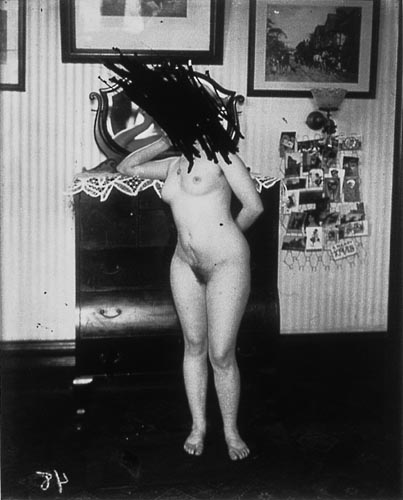
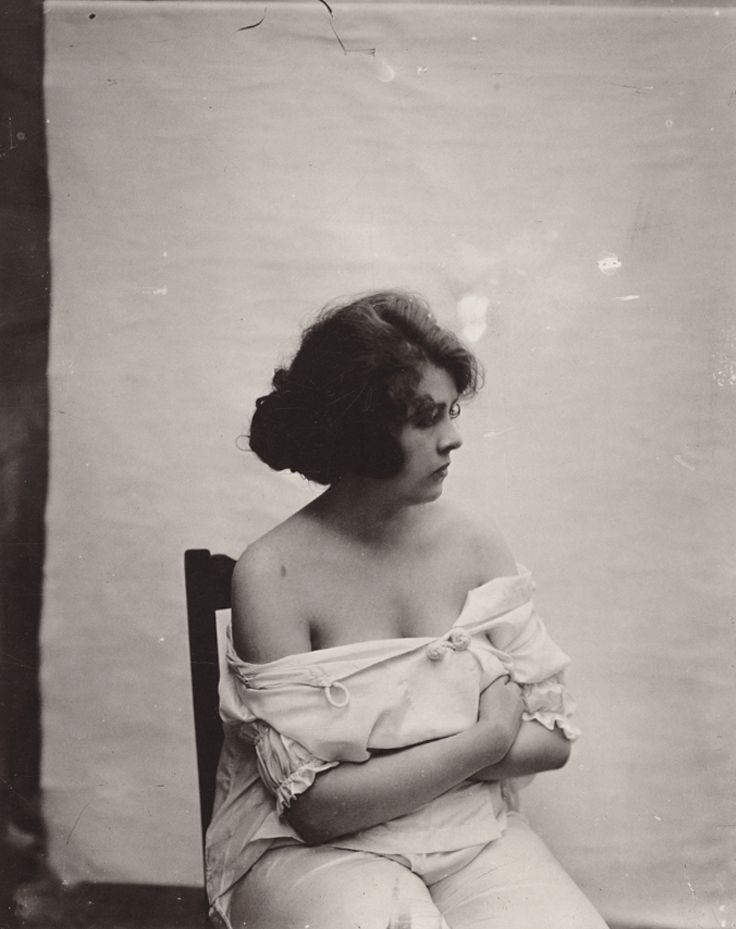
Storyville Portrait, New Orleans, ca. 1912
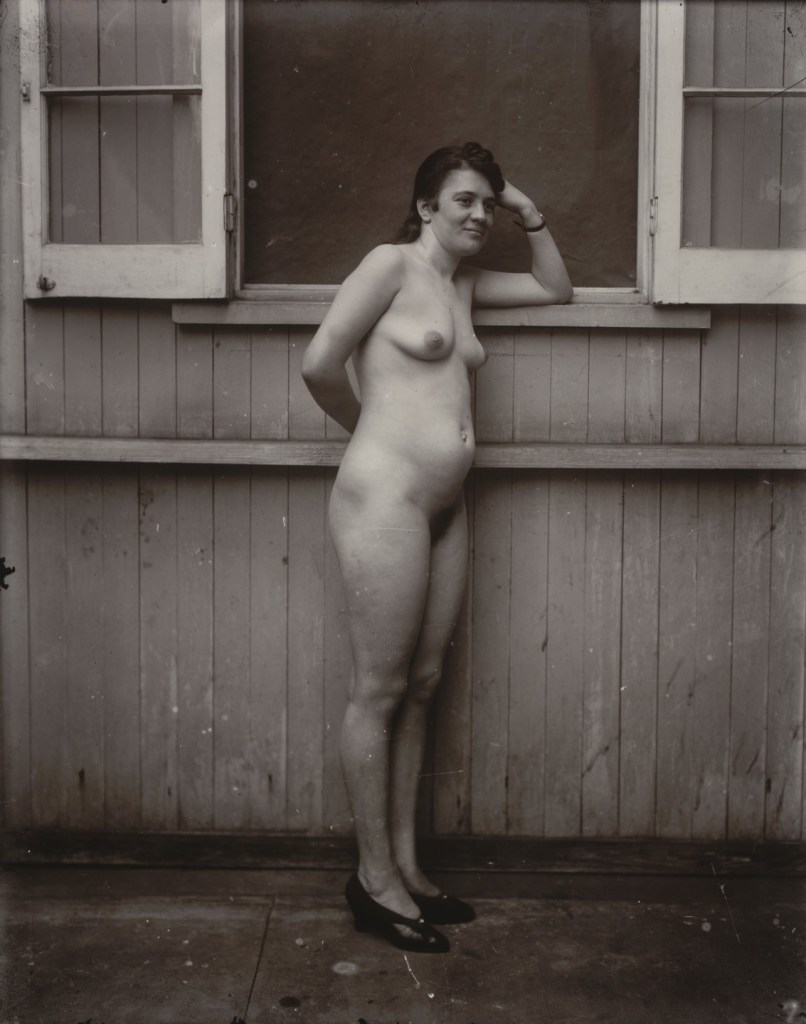
untitled c 1912
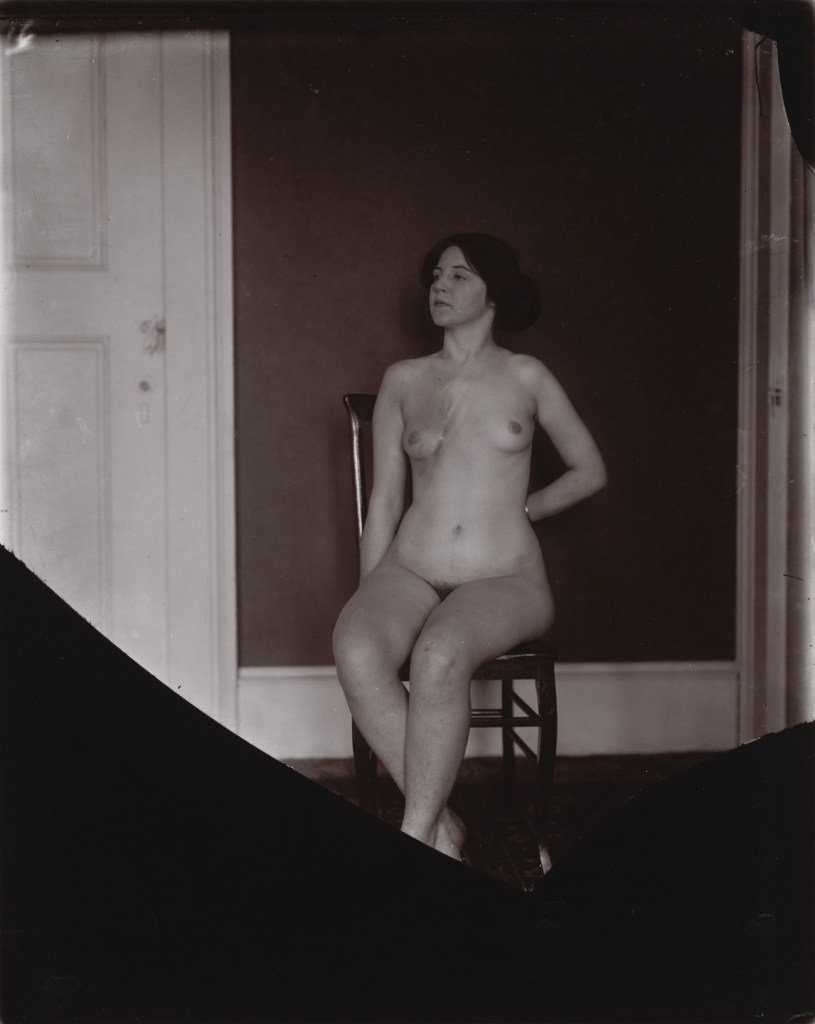
untitled c 1912
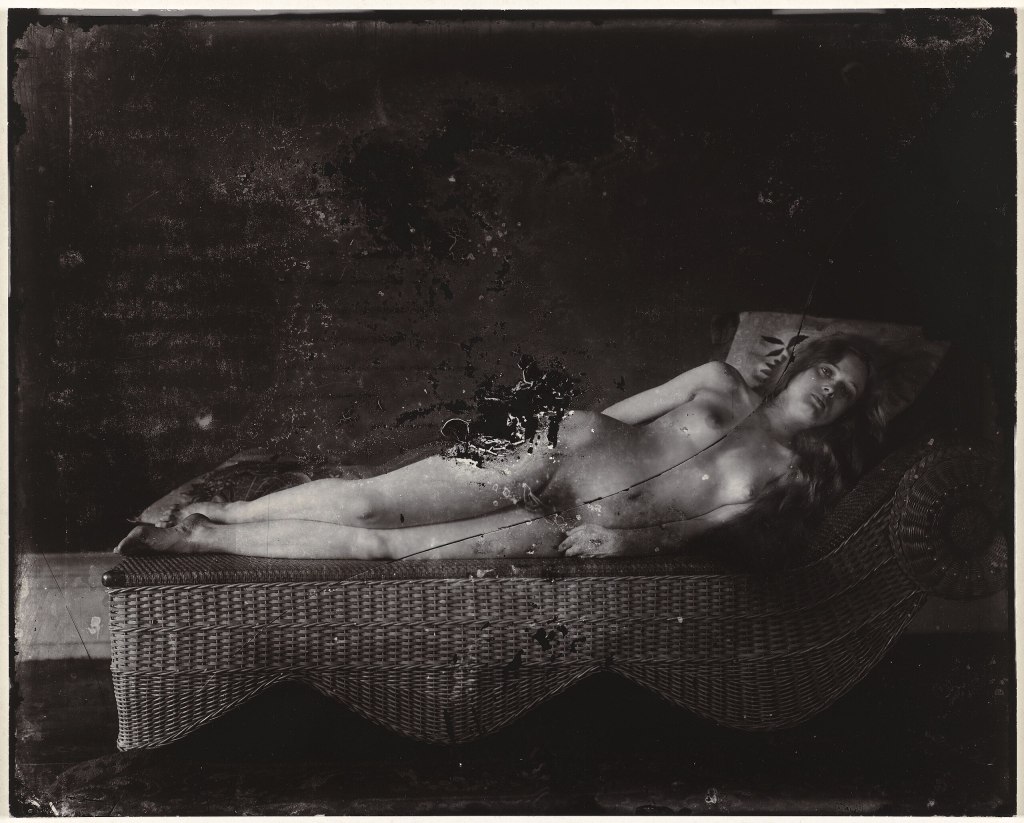
Girl on the wicker chaise longue, New Orleans
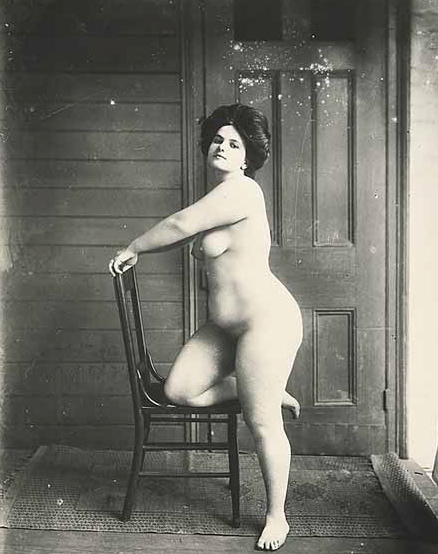
Mac Tag
thanks for stoppin’ by y’all
 The Lovers’ Chronicle
Leave a comment