
Dear Zazie, Hope this finds you well. The weather at the ranch has been beautiful. Spent a lot of time on the porch. Here is today’s Lovers’ Chronicle from Mac Tag to his muse. Visit us on twitter @cowboycoleridge. Yours, Rhett
The Lovers’ Chronicle
Dear Muse,
goin’ with an old standard,
composed by Isham Jones,
with lyrics by Gus Kahn;
’’It had to be you, wonderful you
It had to be you’’
Billie Holiday version of course
‘’Yes, Lady Day one or our favorites’’
i suppose we coulda skipped the song
and gone with someone’s version
of recitin’ Hamlet’s soliloquy
’’No I think the song is better’’
me too, plus it gives me a chance to sing,
with all our faults, we’re still in love
it had to be us, wonderful us

© copyright 2023.2024 mac tag/cowboy coleridge all rights reserved
no not so dramatic as goin’ Hamlet on you, the attraction to the theme of the day is as it applies to romance, the choice between with or without, spent most of an adult life makin’ the ill informed choice to be with, never considered some were not equipped for that life, that it was ok to be without,    since the choices made led to you, not gonna quibble or argue with the result, and to the question, yes to be with you ‘tis nobler than any other fate

© copyright 2022.2024 mac tag/cowboy coleridge all rights reserved
i learned this; it goes on
desire, denied or delayed
everything was laid on my path
but rather than nurture
what was given,
i threw it all away
i now believe it had to happen
to get to the thoughts, the dreams
to see the vision
to show you
take my hand
that you can understand
© copyright 2021 mac tag/cowboy coleridge all rights reserved
Pale Love, Pale Rider
well i thought so,
shall we say it in unison;
wrong again you big dummy
just further, final proof
all done, door closed
unless of course
i need more material
so, back where i
never should have left
shall we see what movies are on
pour a glass of red wine
and commence the word flow
© copyright 2020.2023 mac tag/cowboy coleridge all rights reserved
“Why?”
to give my thoughts,
my mind, my dreams
that must come
before anything else
can be given
or to riff on Rilke,
to be with those
who know
or be alone
which suits just fine
for i have found that i much prefer
to write about it than live it
© copyright 2019 mac tag/cowboy coleridge all rights reserved
feelin’, oh, you know…
why denied for so long
only to find and not have
your thoughts,
your dreams,
your secrets
to be with one
who understands
or to be without
a long open road
‘neath the moonlight
the look on your face
the unforgettable
everything
of bein’ with you
© copyright 2018 mac tag/cowboy coleridge all rights reserved
multiple directions
to go from here
from the obvious;
here,
of course, suppose though
it does depend on the day
to the less so;
here with you,
absolutely
in solitude
writin, explorin’,
discoverin’ purpose
probin’ emotions
buried for years
see what remains
under an ocean
of denial
© copyright 2017.2023 mac tag/cowboy coleridge all rights reserved
Since You’ve Been Gone
I learned this; it goes on
This irresistible desire
Why was love denied to me
Beauty stood on my path
But though nurtured carefully
She walked away
And I brood in moods most foul
I wanted her thoughts, her dreams
But you cannot have
That which cannot be given
I wanted to know her secrets
But you cannot know
That which cannot be known
I wanted her to come away
And take my hand
But now I am alone
And my world is more full of weepin’
Than you can understand
© Cowboy Coleridge mac tag copyright 2016 all rights reserved
All those years chasin’
the wrong destiny
Not meant for any
kind of permanence
© copyright 2015 mac tag/cowboy coleridge all rights reserved
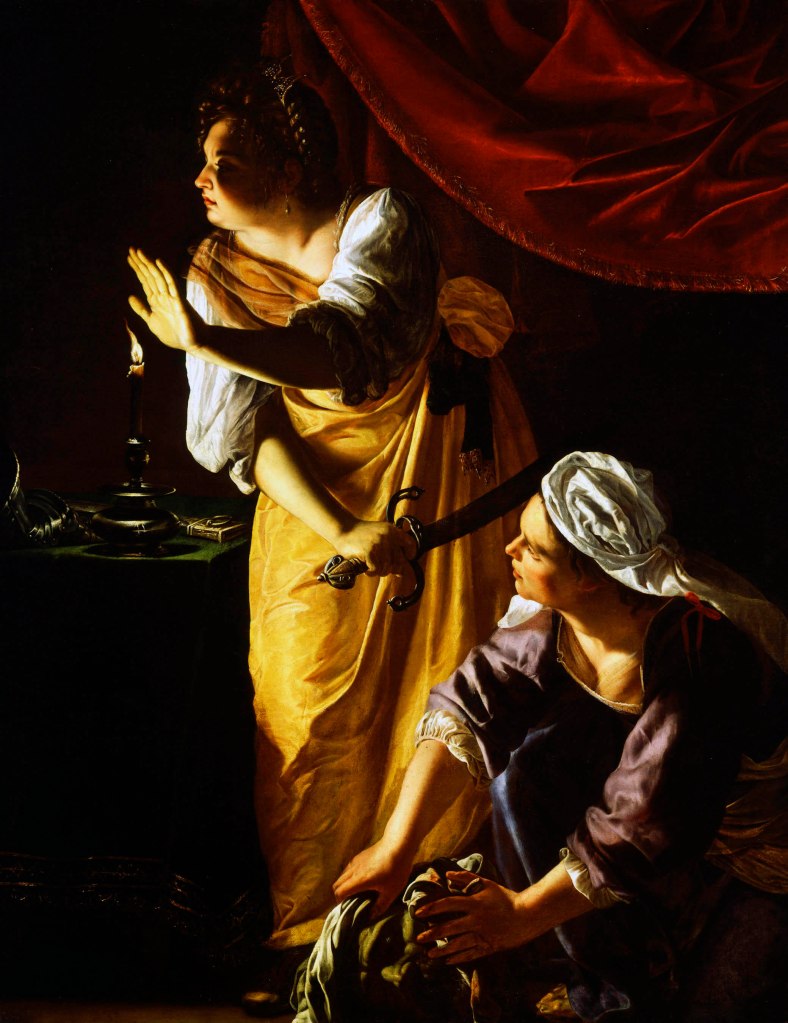
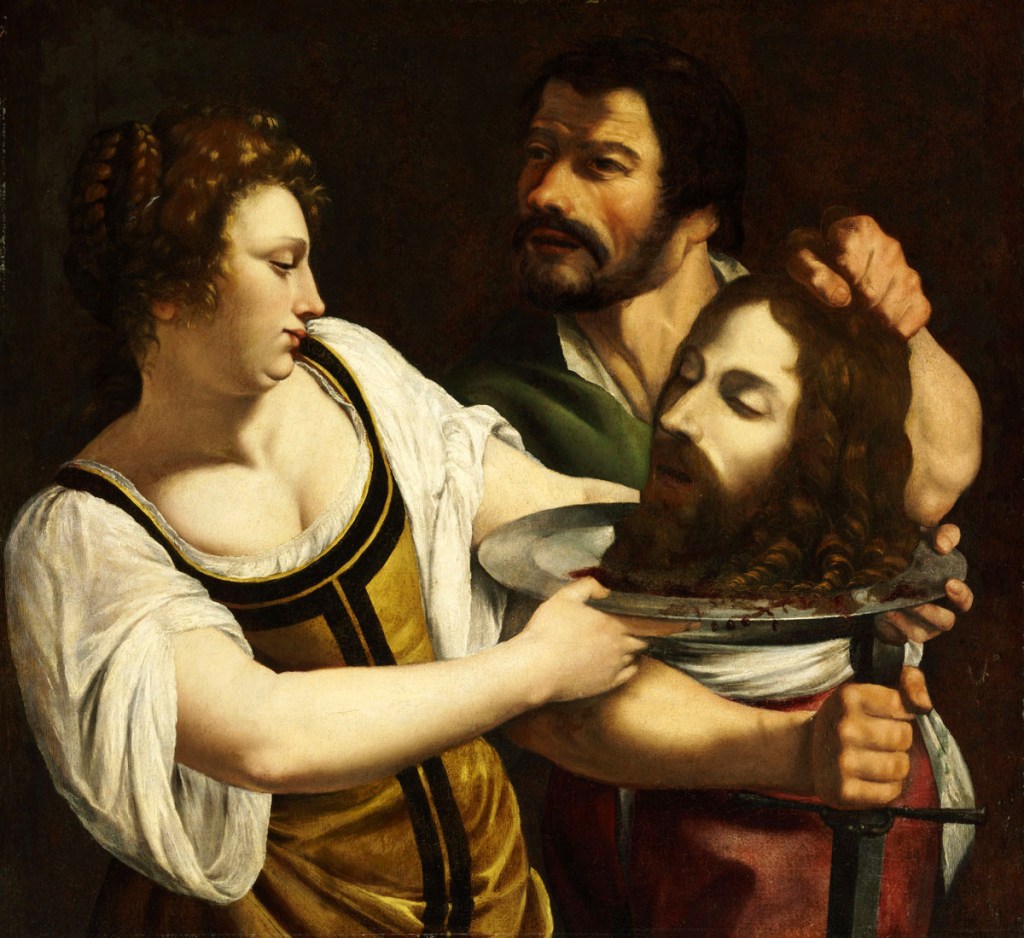
Today is the birthday of Artemisia Gentileschi (Rome; July 8, 1593 – c. 1656 Naples); Baroque painter, one of the most accomplished painters in the generation following that of Caravaggio. In an era when women painters were not easily accepted by the artistic community or patrons, she was the first woman to become a member of the Accademia di Arte del Disegno in Florence. She painted many pictures of strong and suffering women from myth and the Bible – victims, suicides, warriors. Perhaps her best-known work is Judith Slaying Holofernes, which shows the decapitation of Holofernes.

In 1611, her father Orazio was working with the artist Agostino Tassi to decorate the vaults of Casino delle Muse inside the Palazzo Pallavicini-Rospigliosi in Rome. One day in May, Tassi visited the Gentileschi household and, when alone with Artemisia, raped her. Another man, Cosimo Quorli, played a part in the rape. A female friend of Gentileschi, Tuzia, was present during the rape, but refused to help her.
With the expectation that they would marry in order to restore her virtue and secure her future, Artemisia started to have sexual relations with Tassi, but he reneged on his promise to marry her. Nine months after the rape, when he learned that Artemisia and Tassi were not going to be married, her father Orazio pressed charges against Tassi. The major issue of the trial was the fact that Tassi had violated the Gentileschi family’s honor, and charges were not pressed for violating Artemisia.
A month after the trial, Orazio arranged for his daughter to marry Pierantonio Stiattesi, a modest artist from Florence. Shortly afterward the couple moved to Florence. The six years she spent in Florence would be decisive both for Artemisia’s family life and professional career. Artemisia became a successful court painter, enjoying the patronage of the House of Medici, and playing a significant role in courtly culture of the city.
Artemisia had a passionate love affair with a wealthy Florentine nobleman, named Francesco Maria Maringhi. Her husband was well aware of their relationship and he maintained a correspondence with Maringhi on the back of Artemisia’s love letters to Maringhi. He tolerated it, presumably because Maringhi was a powerful ally who provided the couple with financial support. However, by 1620, rumours of the affair had begun to spread in the Florentine court and this, combined with ongoing legal and financial problems, led the couple to relocate to Rome.
Gallery
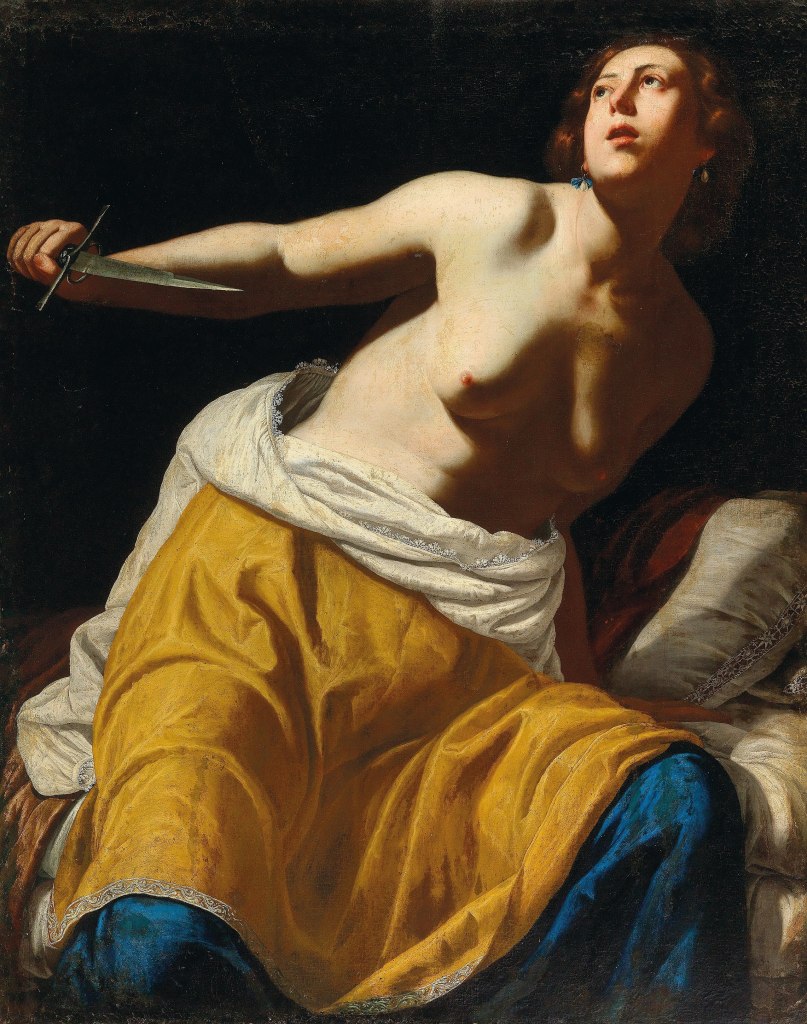
Lucretia
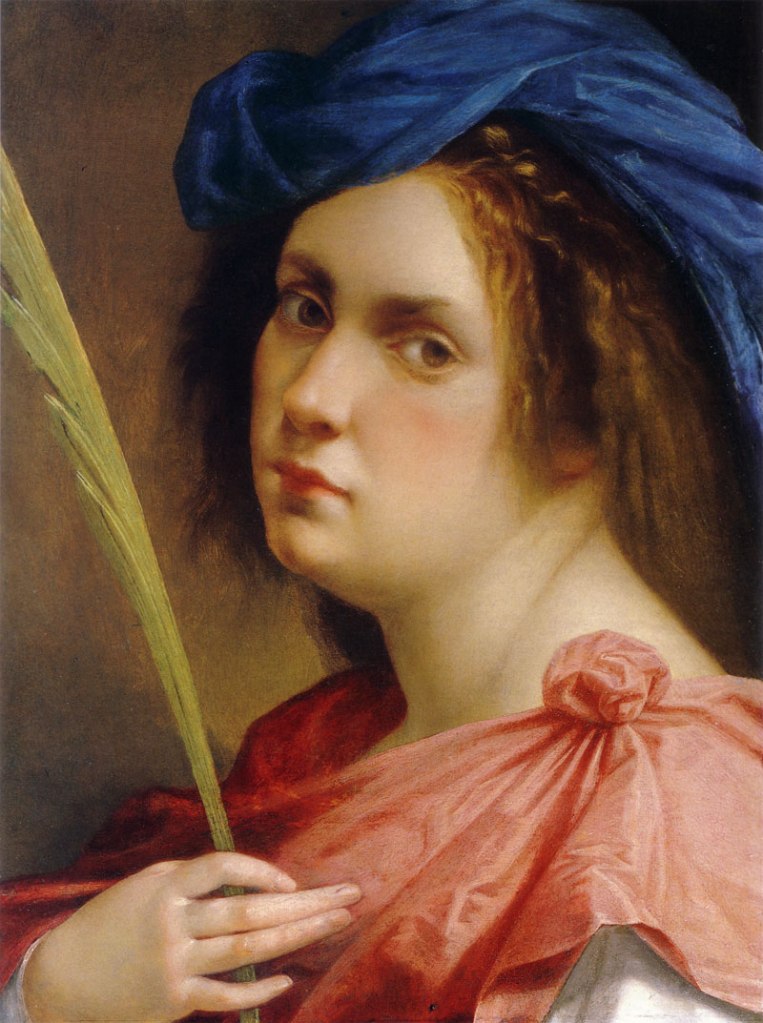
Autoritratto come martire (circa 1615) collezione privata, New York

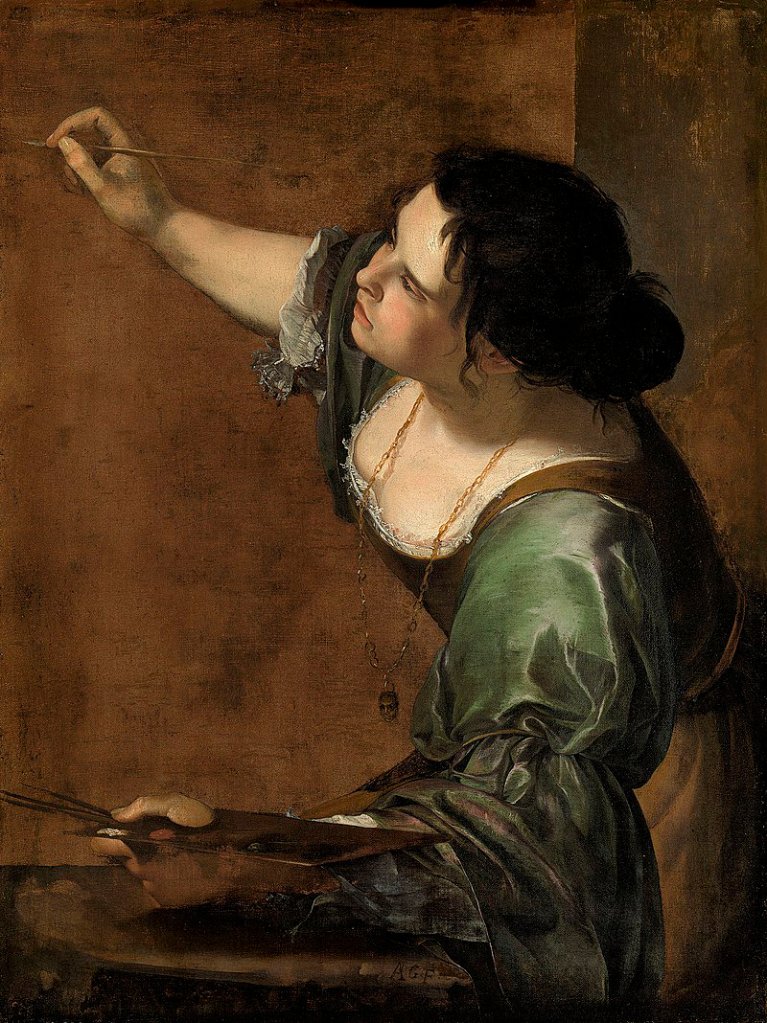
Self-Portrait as the Allegory of Painting, 1638–9, royal collection
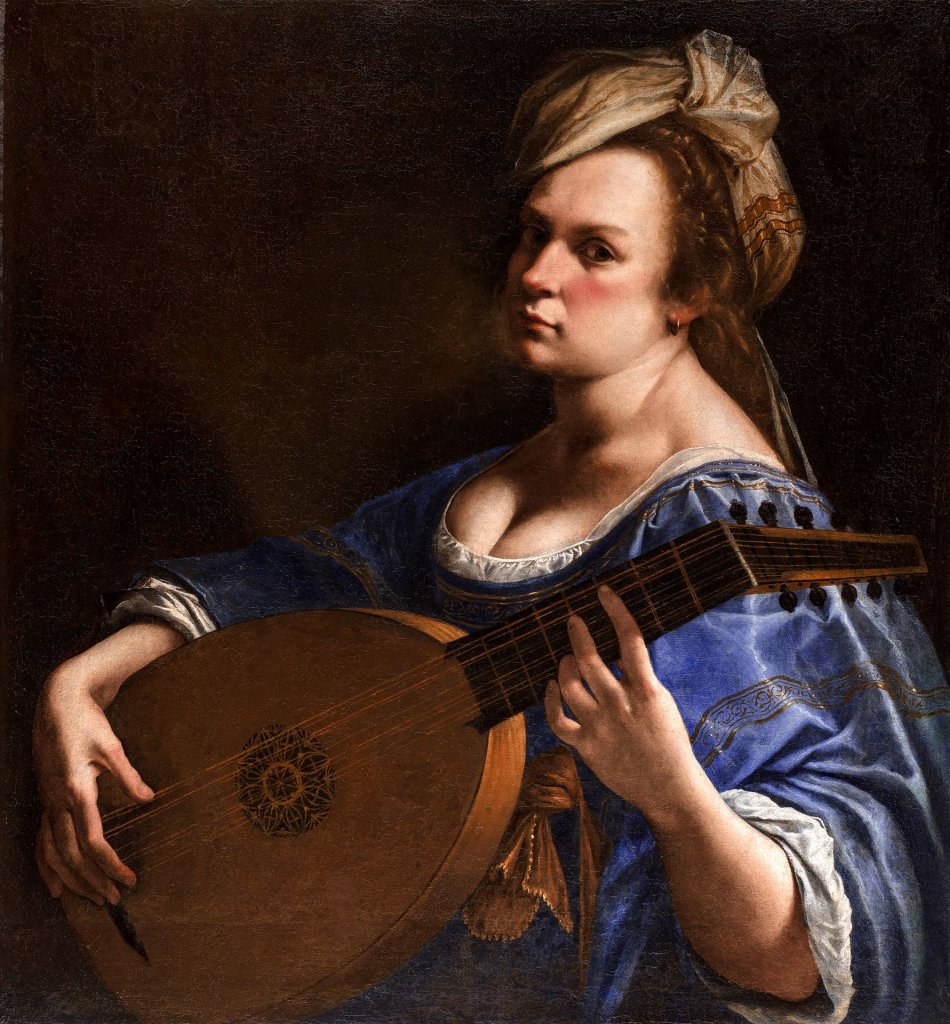
Self-Portrait as a Lute Player, 1615–1617

Samson und Delilah

Esther before Ahasuerus, c. 1628–1635
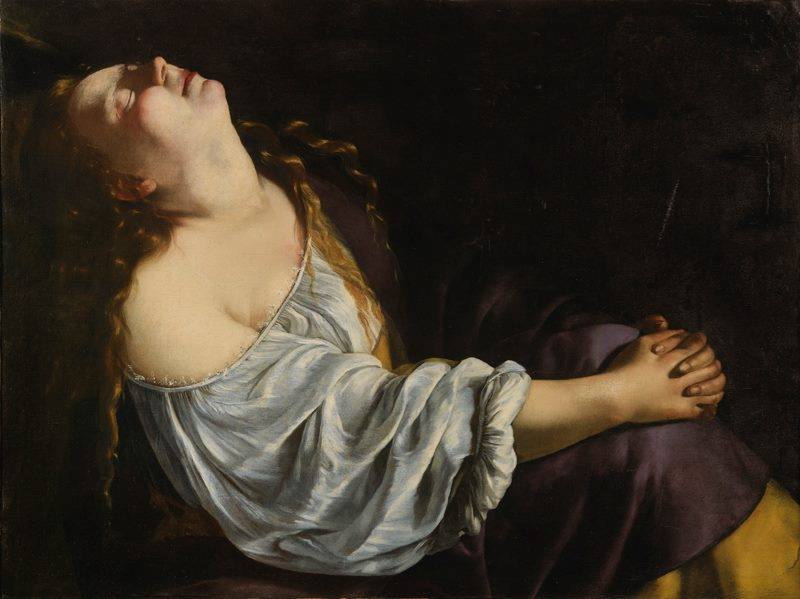
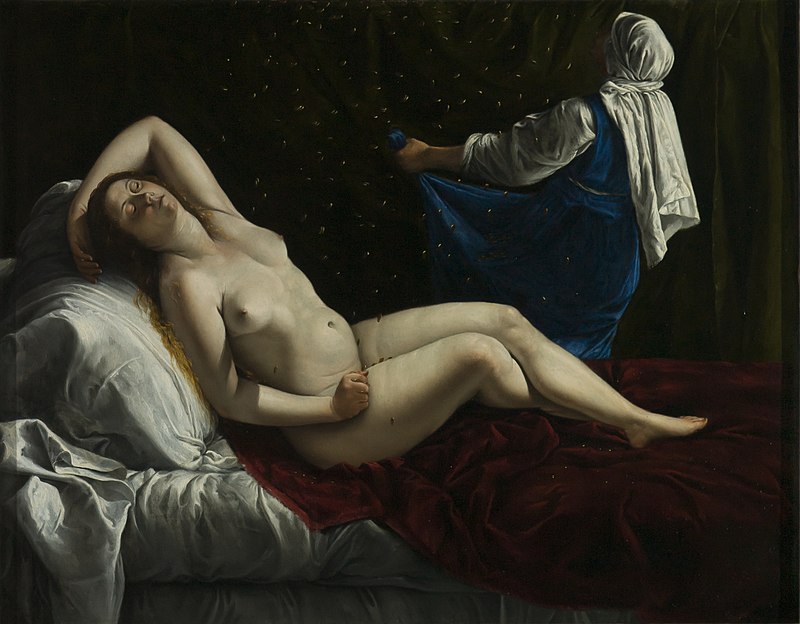
Danaë

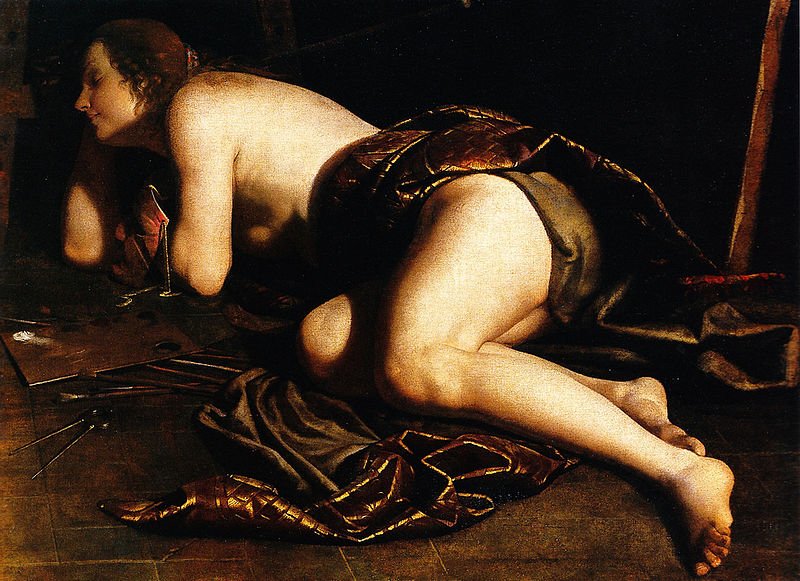
Allegoria della Pittura

Susanna e i vecchioni, 1610 circa, castello di Weißenstein
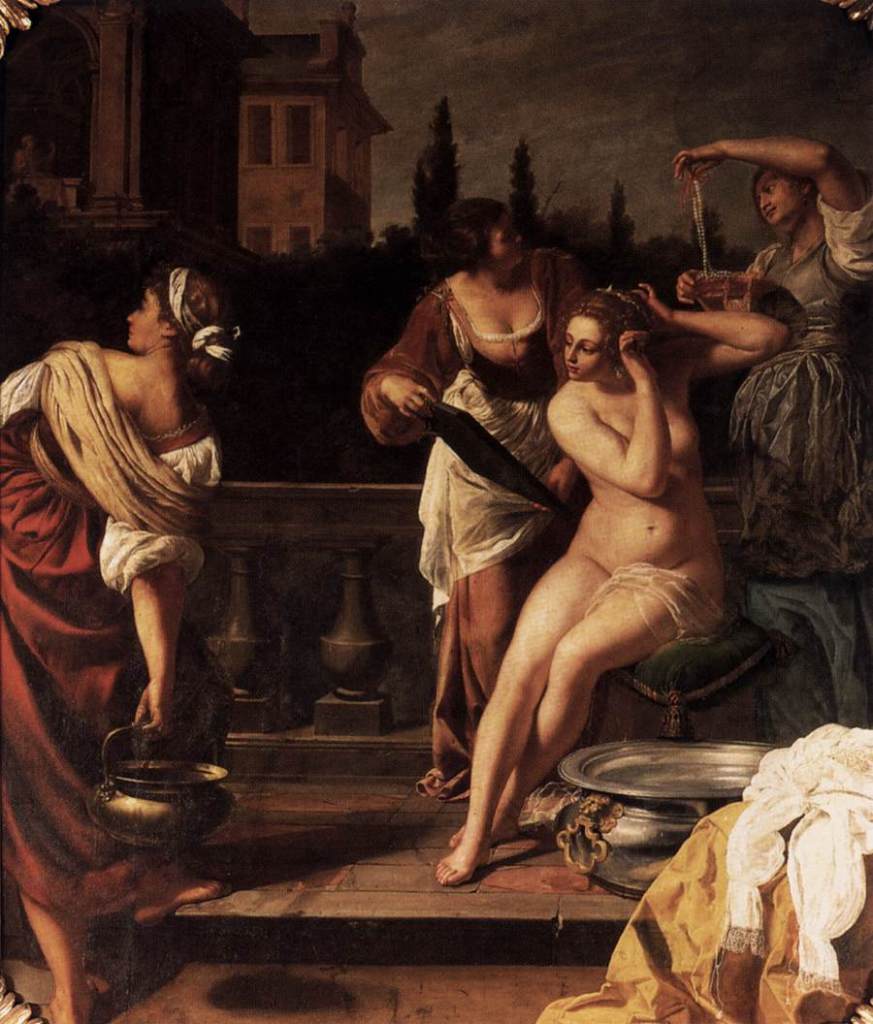
Bathsheba, c. 1645–1650, Neues Palais, Potsdam
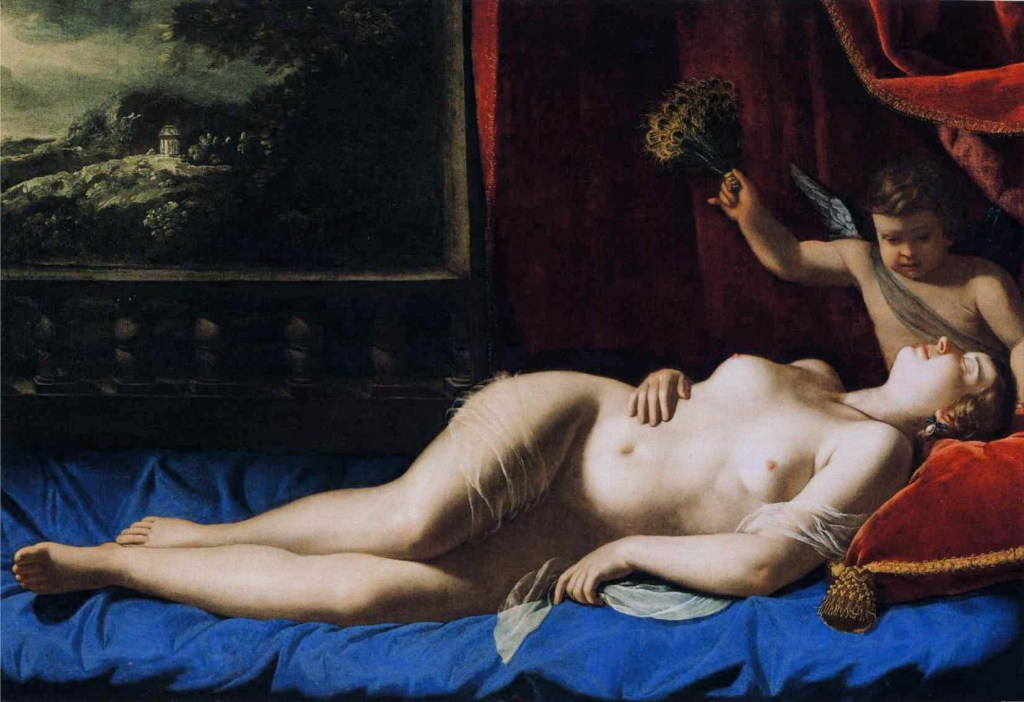

Jael and Sisera, c. 1620
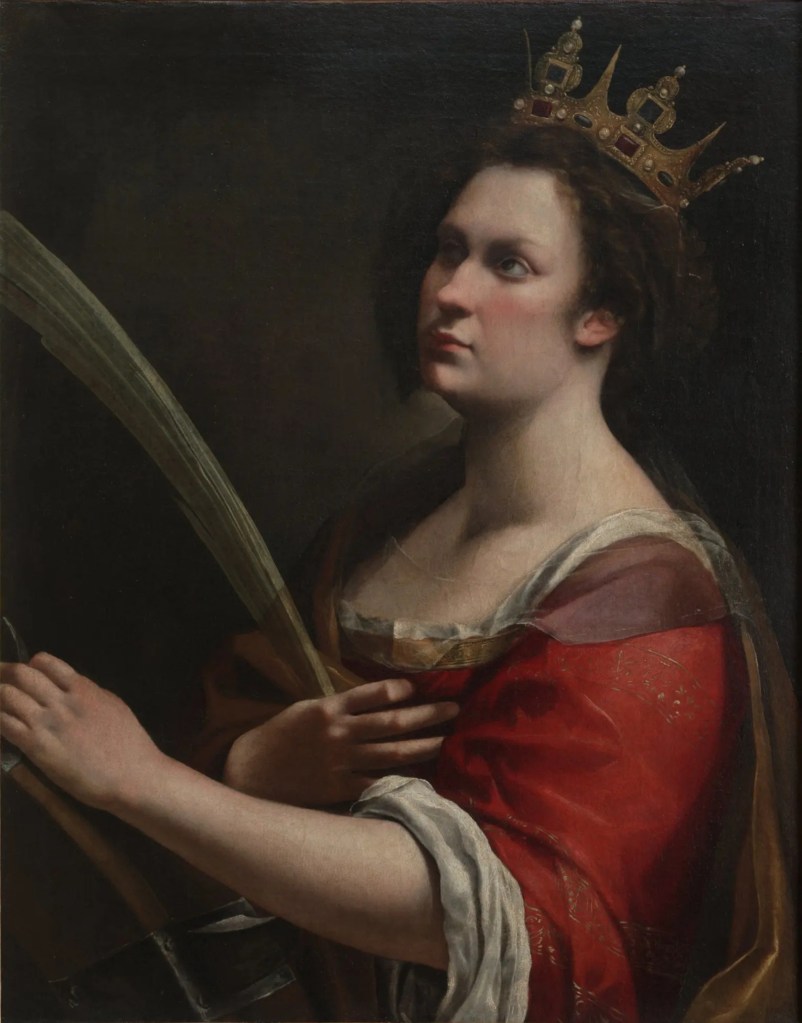
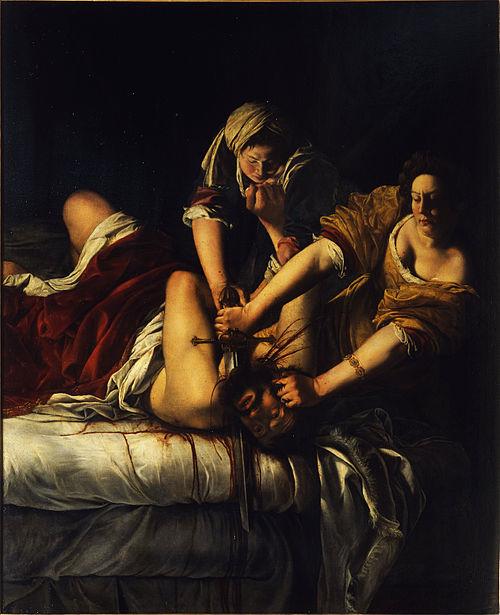
Judith Slaying Holofernes (1614–20) Oil on canvas 199 x 162 cm Galleria degli Uffizi, Florence
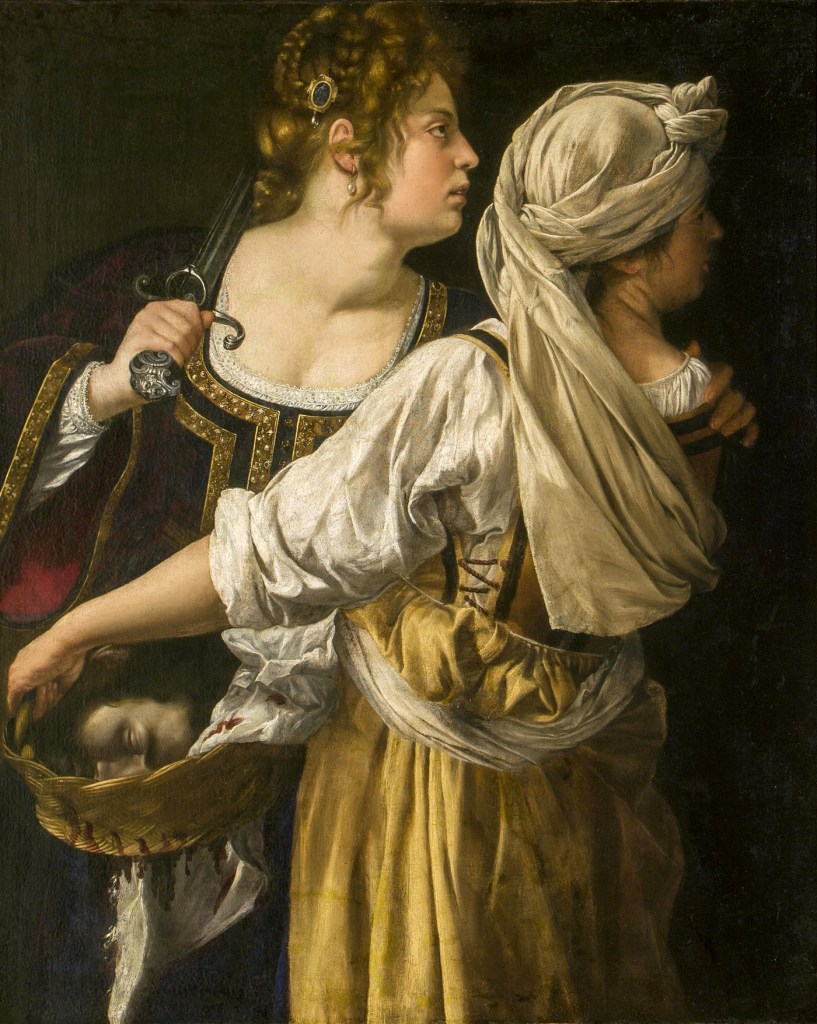
Giuditta con la sua ancella, 1618-1619, Palazzo Pitti, Firenze

And today is the birthday of Käthe Kollwitz (Käthe Schmidt; Königsberg, Prussia (now Kaliningrad, Russia) 8 July 1867 – 22 April 1945 Moritzburg, Saxony, Nazi Germany); artist, who worked with drawing, etching, lithography, woodcuts, painting, printmaking, and sculpture. Her most famous art cycles, including The Weavers and The Peasant War, depict the effects of poverty, hunger, and war on the working class. Despite the realism of her early works, her art is now more closely associated with Expressionism. Kollwitz was the first woman elected to the Prussian Academy of Arts.
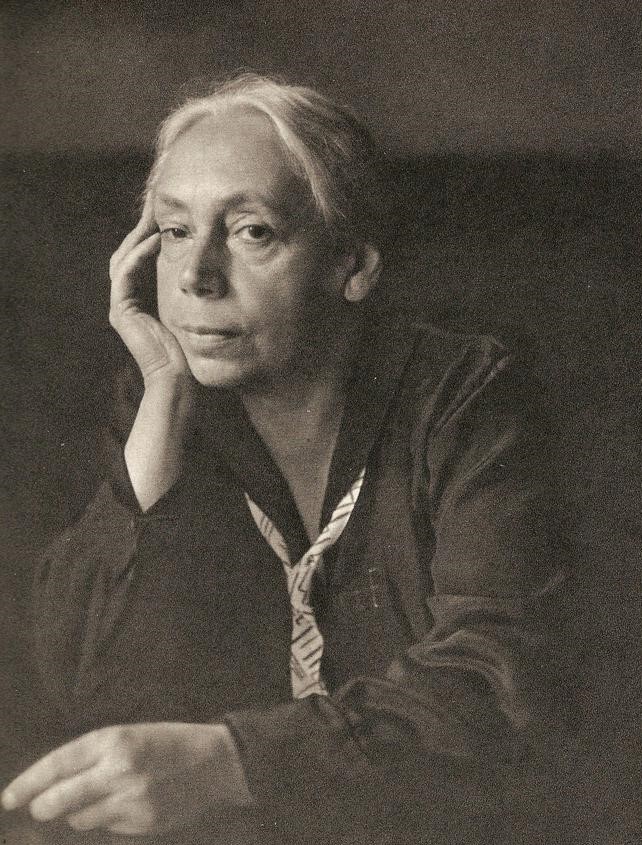
1927
When she was seventeen, her brother Konrad introduced her to Karl Kollwitz, a medical student. Thereafter, Kathe became engaged to Karl, while she was studying art in Munich. In 1890, she returned to Königsberg, rented her first studio, and continued to depict the harsh labors of the working class. These subjects were an inspiration in her work for years.
In 1891, Kollwitz married Karl, who by this time was a doctor tending to the poor in Berlin. The couple moved into the large apartment that would be Kollwitz’s home until it was destroyed in World War II.
Gallery

“the kiss”

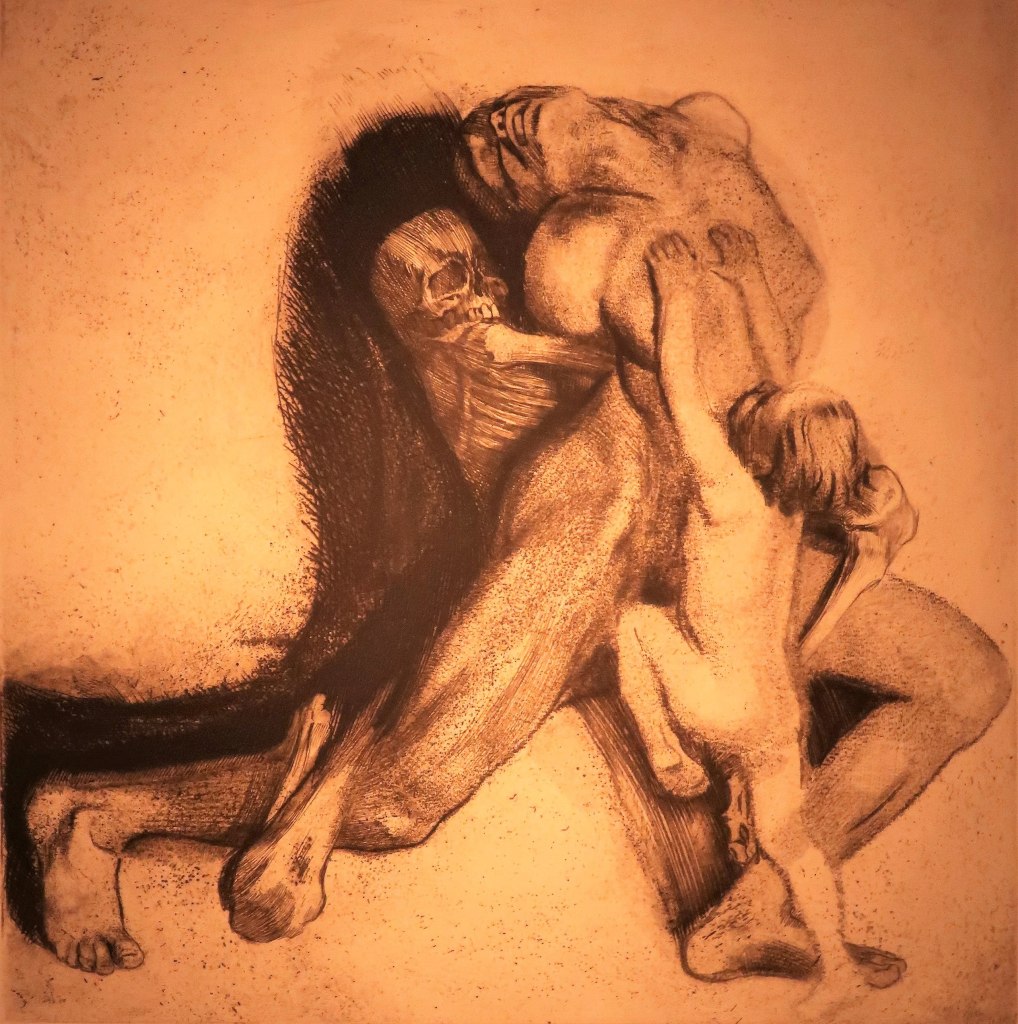
Tod packt eine Frau, 1934, Lithographie. Osthaus Museum Hagen
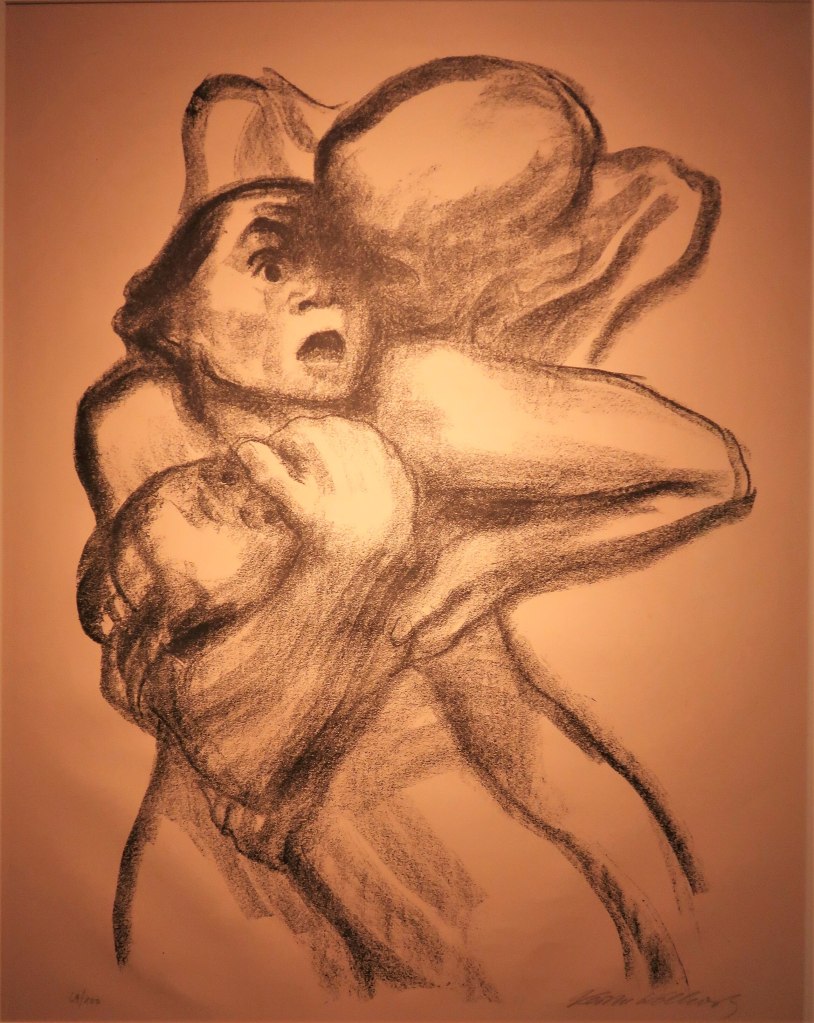
death and woman wrestling over child

Woman with Dead Child, 1903 etching

Misery, 1897. Musée d’art moderne et contemporain of Strasbourg

The Young Couple, 1904. Brooklyn Museum

Bust of a Working Woman in a Blue Shawl, 1903. Brooklyn Museum
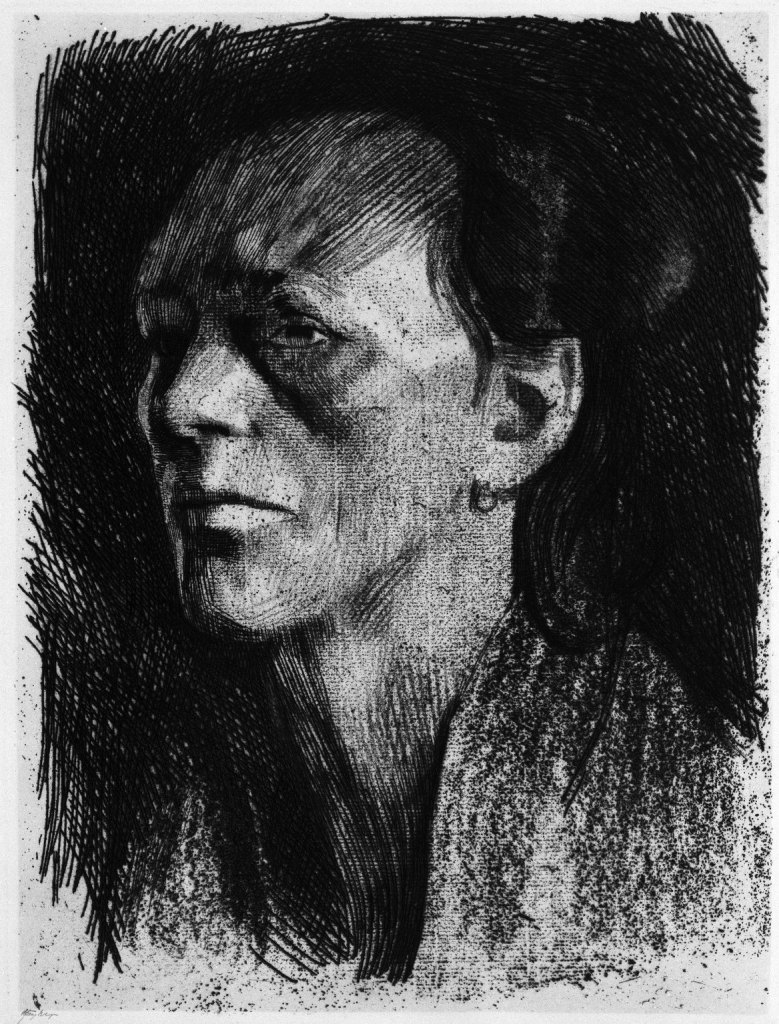
Working Woman (with Earring), 1910. Brooklyn Museum
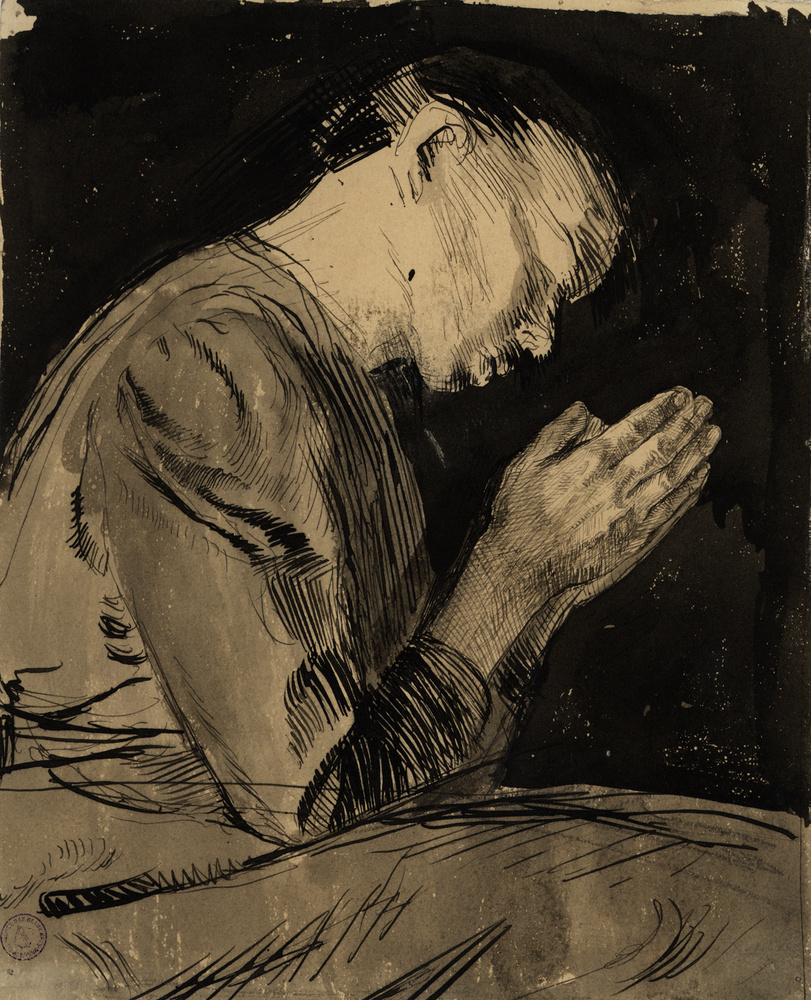
Praying woman, before 1918. Musée d’art moderne et contemporain of Strasbourg
Mac Tag
thanks for stoppin’ by y’all
The song of the day is Bill Withers – Ain’t No Sunshine – http://www.youtube.com/watch?v=tIdIqbv7SPo
It is what you read when you don’t have to that determines what you will be when you can’t help it. – Oscar Wilde
In three words I can sum up everything I’ve learned about life: it goes on. – Robert Frost
Love is an irresistible desire to be irresistibly desired. ~ Robert Frost
Why was I made for Love and Love denied to me? – Samuel Taylor Coleridge
Though nurtured like the sailing moon
In beauty's murderous brood,
She walked awhile and blushed awhile
And on my pathway stood...
– W.B. Yeats
Before I give my body, I must give my thoughts, my mind, my dreams. And you weren’t having any of those. – Sylvia Plath
If neurotic is wanting two mutually exclusive things at one and the same time, then I’m neurotic as hell. – Sylvia Plath
I want to be with those who know secret things or else alone. — Rainer Maria Rilke
Come away, O human child!
To the waters and the wild
With a faery, hand in hand
For the world's more full of weeping than you can understand.

- W.B. Yeats
but there is, in consolation, the beauty of music. – Rainer Maria Rilke
Writing is a religious act: it is an ordering, a reforming, a relearning and reloving of people & the world as they are & as they might be. – Sylvia Plath
I think I just prefer to have sex than write about it. Umberto Eco
 The Lovers’ Chronicle
Leave a comment