
Dear Zazie, Here is today’s Lovers’ Chronicle from Mac Tag. Rhett
The Lovers’ Chronicle
Dear Muse,
there is a line from a Billy Joe Shaver song,
’’Honky Tonk Heroes (Like Me)’’,
that came immediately to mind,
probably sang best by Waylon;
‘There weren’t another other way to be
For loveable losers and lower camp boozers
And honky tonk heroes like me’’
‘’You’re past your no other way days’’
and my honky tonk ways at Gruene Hall,
Luckenbach and Floore’s Country Store
fun while it lasted but would not go back
too dang hot, but i should tell those stories
’’Isn’t there another story to tell today’’
no my dear, just another day
i will say this, the best ones
have been with you
’’Well here’s to many more my love’’
with you, no other way to be

© copyright 2023.2024 mac tag/cowboy coleridge all rights reserved
thank you, whomever,
may i have another
thinkin’ about Hemingway
and for whom bell’s toll
well aware of the tollin’
and Hesse, about tastes of folly
and bewilderment, of madness
and dream; the life of those
who no longer want to lie
to themselves
believe i have reached
that point as the calendar
tolls another year
© copyright 2022.2023 mac tag/cowboy coleridge all rights reserved
yes i will
have another,
please
best ever is tricky
carries a lot of weight
and responsibility
kinda dramatic
to whip that out
about anything
but this is poetry
so gimme a break
and some rope
today’s celebration
was the best ever
that anyone
has planned for me
thanks Anna
© copyright 2021.2023 mac tag/cowboy coleridge all rights reserved
Pale Love, Pale Rider
no, not about me
not even on this day
another day
another year
another decade
this past one
has been
a good one
you were there
at the beginnin’
and you are still here
as constant
as anything
thank you
if i have a wish
this it it
for you
to continue
to be here
© copyright 2020 mac tag/cowboy coleridge all rights reserved
another’s woe,
in sorrow too
seek for kind relief
a fallin’ tear
and feel my share
can i see you now,
nor be with longin’ filled
ever can it be
both night and day,
thou canst sigh a sigh
doth give to you
doth feel once more
after another trip
round the sun
© copyright 2019 mac tag/cowboy coleridge all rights reserved
helluva deal
somehow managed
to Forest Gump my way
through 58 years
not worth a damn
at gittin’ through
the day to day stuff
but the all-time
effin-A, heavyweight
champion of the world
at pullin’ out of a crisis
© copyright 2018 mac tag/cowboy coleridge all rights reserved
wait, what…
you want me to go
existential on you
can i say no to you,
ask away…
“Do you feel older?”
only when it comes
to romance
i used to have
women chase me
all the time,
playin’ with my curls,
grabbin’ my butt…
i once had a carload of women
pull up to my pickup,
as i was headed west on I-10,
and hold up a piece of paper
with a phone number
written on it
so yeah,
feel old
cause that stuff
never happens anymore
© copyright 2017 mac tag/cowboy coleridge all rights reserved
Good way to celebrate whatever;
at the gym, lift heavier weights
than you normally would.
Bigger and stronger
everyday baby

To friends, new and old
A tip of my hat
'Preciate each and
everyone of y'all

© copyright 2015 mac tag/cowboy coleridge all rights reserved

Today is the birthday of Liane de Pougy (born Anne-Marie Chassaigne; La Flèche, Sarthe, France 2 July 1869 – 26 December 1950 Lausanne, Switzerland); dancer, courtesan and novelist. She was a Folies Bergère vedette, and was known as one of the most beautiful and notorious courtesans in Paris. Later in life, she became a Dominican tertiary.
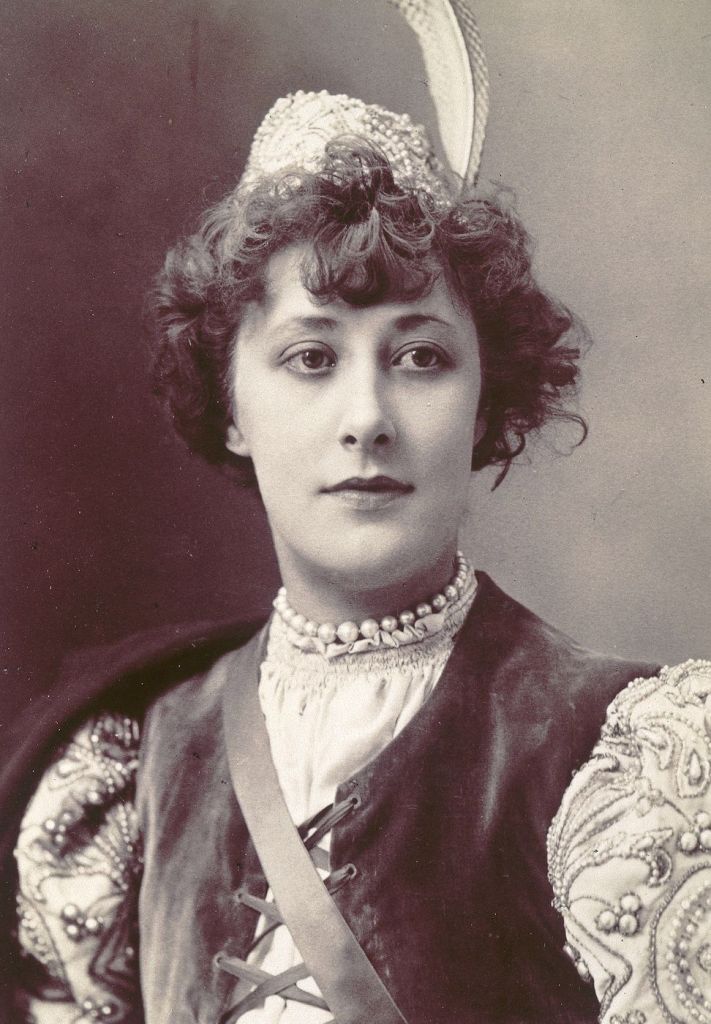
by Nadar
At the age of 16, she ran off with Joseph Armand Henri Pourpe, a naval officer, whom she married after getting pregnant. The marriage was not a happy one. Anne-Marie later wrote in her memoirs that her new husband took her violently on their wedding night, an event which left her emotionally scarred. It is said that the groom was a brute and abused her – she wore the scar of his beatings on her breast for the rest of her life. When Armand Pourpe’s naval career led him to a billet in Marseille, Anne-Marie took a lover, Charles-Marie de Mac-Mahon, 5th marquis of Éguilly. When her husband found them in bed together he shot her with a revolver, wounding her on the wrist.

Pougy, Otero, and Cléo de Mérode appear in a fashionable crowd in the Bois de Boulogne drawn by Guth, 1897
Deciding to leave her husband, Anne-Marie sold her rosewood piano to a young man who paid 400 francs cash for the instrument. Within an hour, she was on her way to Paris. Anne-Marie began dabbling in acting and prostitution and she became a heavy user of both cocaine and opium.

She began her career as a courtesan with Valtesse de la Bigne, who taught Anne-Marie the profession. De Pougy felt she was capable but not overly cerebral, and described herself as “vain but not a fool”. Anne-Marie cultivated an interest in paintings, books and poetry, but avoided intellectual depth, which she considered dull. She preferred café-concerts and popular songs to William Shakespeare or Richard Wagner, and made minor appearances in the chorus of Folies Bergère in Paris in St. Petersburg and cabaret clubs in Rome and the French Riviera. She was a conscientious bookkeeper.

from her position at the Folies she became a noted demimondaine, and a rival of “La Belle Otero“. She took her last name from one of her paramours, a Comte or Vicomte de Pougy, whilst other lovers included Mathilde de Morny and Émilienne d’Alençon. Actress Sarah Bernhardt, faced with the task of teaching Liane to act, advised her that when she was on stage, it would be best to keep her “pretty mouth shut”. Liane became so well known as a performer at the Folies Bergère that the 1890s English female impersonator Herbert Charles Pollitt referenced her in his drag name Diane de Rougy.

1886
Pougy’s lesbian affair with writer Natalie Clifford Barney is recorded in Pougy’s novel Idylle Saphique, published in 1901 (later published in Spain in translation by the poet Luis Antonio de Villena). In 1899, after seeing Pougy at a dance hall in Paris, Barney presented herself at her residence in a page costume and announced that she was a “page of love” sent by Sappho. Although Pougy was one of the most famous women in France at the time, constantly sought after by wealthy and titled men, Barney’s audacity charmed and seduced her. Of their liaison, Pougy notes:
“That was in the days of the Amazon’s youth, and of my own. We were passionate, rebels against a woman’s lot, voluptuous and cerebral little apostles, rather poetical, full of illusions and dreams. We loved long hair, pretty breasts, pouts, simpers, charm, grace; not boyishness.”
Their amorous relationship lasted less than a year and their love letters reflect the passions they shared and also the conflicts. The two were said to have had deep feelings for each other for the remainder of their lives, although their relationship was not without its ups and downs. In Women Lovers, Barney recounts the bittersweet romantic rivalry she shared with Pougy in a “barely disguised roman à clef” in which “Barney, the dashing Italian baroness Mimi Franchetti, and the beautiful French courtesan Liane de Pougy share erotic liaisons that break all taboos and end in devastation as one unexpectedly becomes the “third woman.” For her part, Pougy depicts their relationship in My Blue Notebooks as one that grew more distant over the years, possibly ending in 1934 when the two ran into each other in Toulon, but did not exchange a word.
Upon her marriage to Prince Georges Ghika on 8 June 1910 she became Princess Ghika; eighteen years into their marriage, her husband left her for another woman, but the following year he came back to her. Pougy does not explain in her Notebooks the circumstances surrounding his return.
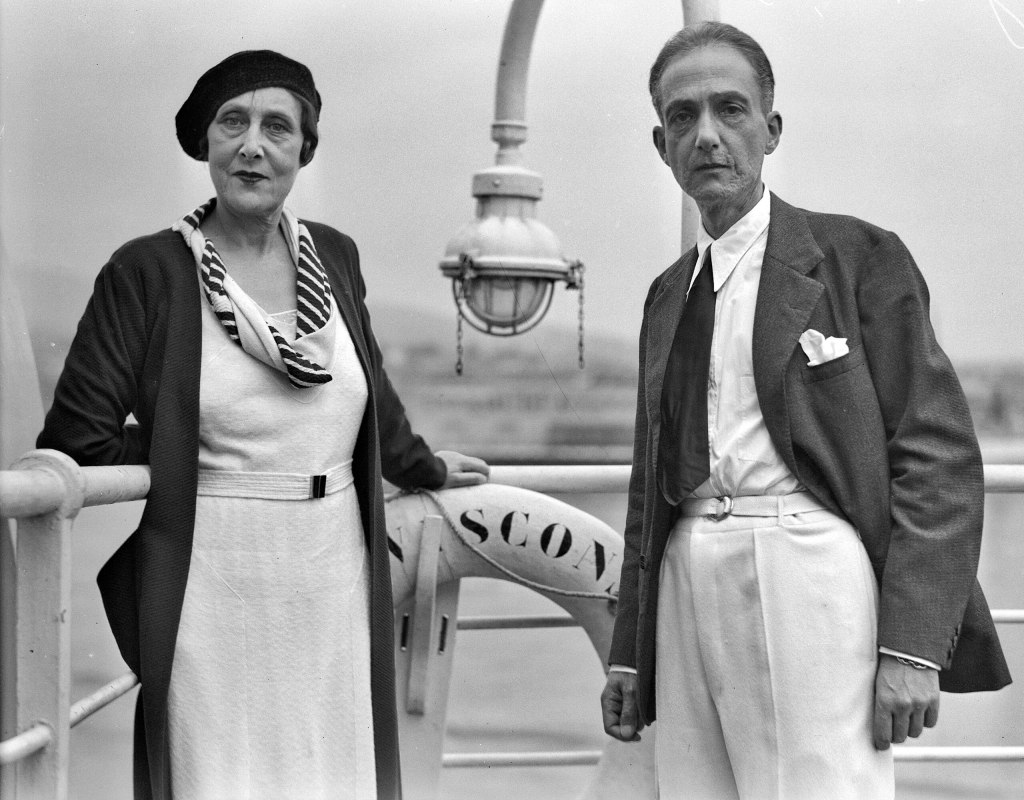
With Ghika, 1932
The couple moved to Lausanne, Switzerland, during World War II where they reconnected with Fr Alexander Rzewuski, a Dominican priest who became “her confidant from whom she hoped to get help for the advancement of her religious and spiritual life.” Pougy became a Dominican tertiary as Sister Anne-Mary after her husband’s death.
She was buried in the enclosure of the sisters of the Sainte-Agnès asylum in Saint-Martin-le-Vinoux.
Today is the birthday of Rinaldo Cuneo (San Francisco July 2, 1877 – December 27, 1939 San Francisco), dubbed the Painter of San Francisco; artist known for his landscape paintings and murals.

“self portrait”
Perhaps best known for his oil paintings depicting landscapes of the San Francisco Bay Area and for his murals, Cuneo also painted cityscapes, marine scenes, and still lifes. His first exhibition, in 1913, was in San Francisco at the Helgesen Gallery, and his work was also shown at the 1915 Panama–Pacific International Exposition and in virtually every subsequent major Bay Area art exhibit until his death. A reviewer wrote that Cuneo’s paintings “leave a mellow glow in one’s heart. They portray not merely places, but mood and atmosphere.”
Gallery
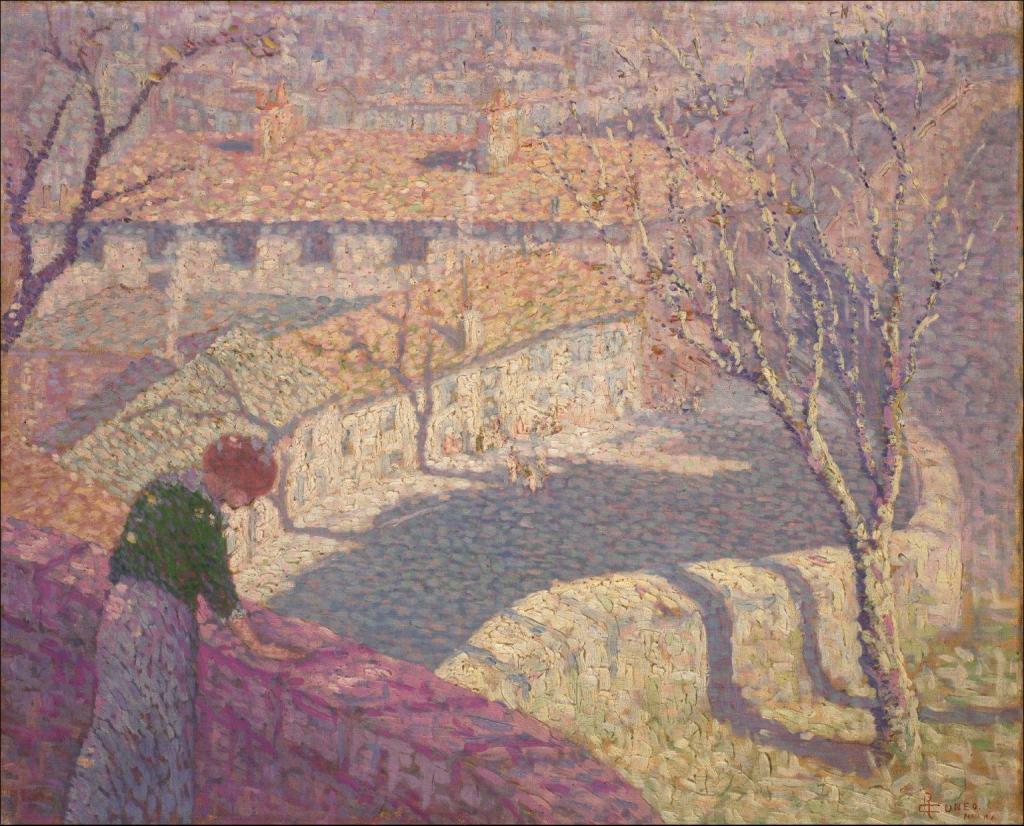
Belle View, France, c. 1913

profile of a woman

San Francisco’s Baker Beach, minus the Golden Gate Bridge, which had not yet been constructed. The mood is somber, the beach nearly desolate, perhaps on a chilly day. Untitled, c. 1928


The Embarcadero at Night, circa 1927-1928, Los Angeles County Museum of Art
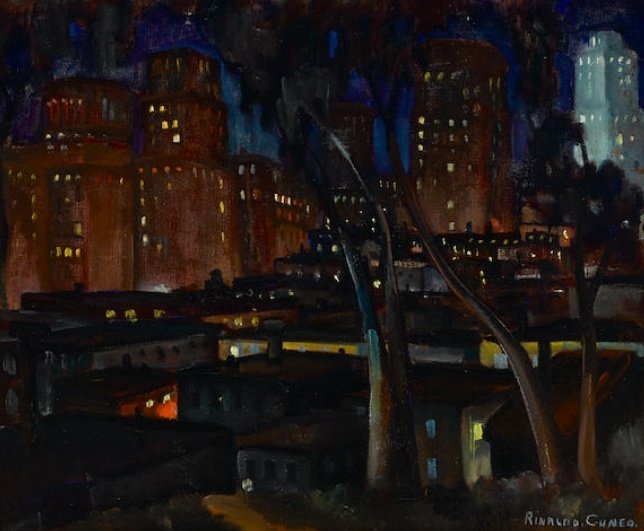
“city at night”
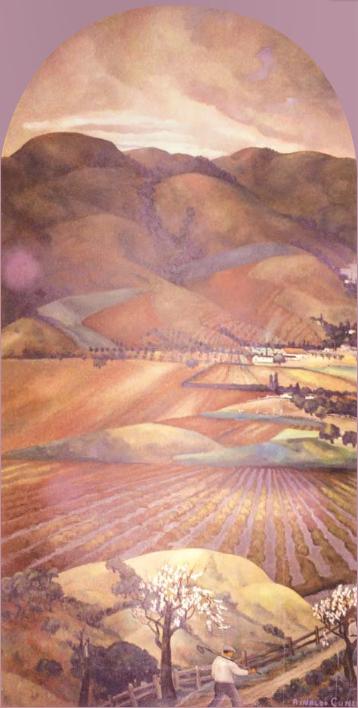
Bay Area Hills, 1934

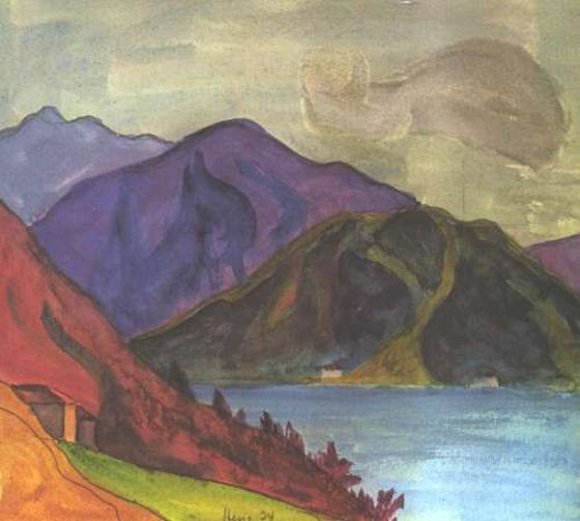




today is the birthday of Hermann Hesse (Hermann Karl Hesse; Calw in Württemberg, German Empire; 2 July 1877 – 9 August 1962, Montagnola, Switzerland); poet, novelist, and painter.
As a youth he studied briefly at a seminary, struggled with bouts of depression and even once attempted suicide, which temporarily landed him in a sanatorium. Hesse eventually completed Gymnasium and passed his examinations in 1893, when his formal education ended. However, he remained an autodidact and voraciously read theological treatises, Greek mythology, Johann Wolfgang von Goethe, Gotthold Ephraim Lessing, Friedrich Schiller, and Friedrich Nietzsche. His first works of poetry and prose were being published in the 1890s and early 1900s with his first novel, Peter Camenzind, appearing in 1904.
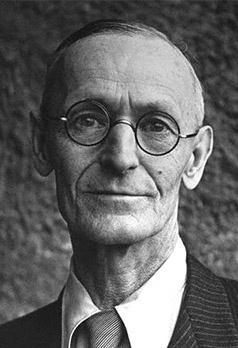
In 1911, Hesse visited India, where he became acquainted with Indian mysticism. His experiences in India—combined his involvement with Jungian analysis—affected his literary work, which emphasizes Eastern spiritual values.
Perhaps best known for his novels; Demian, Steppenwolf, Siddhartha, and The Glass Bead Game, each of which explores an individual’s search for authenticity, self-knowledge and spirituality. In 1946, he received the Nobel Prize in Literature.
Having realised he could make a living as a writer, Hesse finally married Maria Bernoulli (of the famous family of mathematicians) in 1904, while her father, who disapproved of their relationship, was away for the weekend. The couple settled down in Gaienhofen on Lake Constance, and began a family, eventually having three sons. There would later be dissonance between him and Maria, and in 1911 Hesse left for a long trip to Sri Lanka and Indonesia. He also visited Sumatra, Borneo, and Burma, but “the physical experience… was to depress him”. Any spiritual or religious inspiration that he was looking for eluded him, but the journey made a strong impression on his literary work. Following Hesse’s return, the family moved to Bern (1912), but the change of environment could not solve the marriage problems, as he himself confessed in his novel Rosshalde from 1914. By 1919, his marriage had fallen apart. His wife had a severe episode of psychosis, but, even after her recovery, Hesse saw no possible future with her. Hesse resettled alone in the middle of April in Ticino, Switzerland. He occupied a small farmhouse near Minusio (close to Locarno), living from 25 April to 11 May in Sorengo. On 11 May, he moved to the town Montagnola and rented four small rooms in a castle-like building, the Casa Camuzzi. Here, he explored his writing projects further; he began to paint, an activity reflected in his next major story, “Klingsor’s Last Summer”, published in 1920. This new beginning in different surroundings brought him happiness, and Hesse later called his first year in Ticino “the fullest, most prolific, most industrious and most passionate time of my life”. In 1922, Hesse’s novella Siddhartha appeared, which showed the love for Indian culture and Buddhist philosophy that had already developed earlier in his life. In 1924, Hesse married the singer Ruth Wenger, the daughter of the Swiss writer Lisa Wenger and aunt of Méret Oppenheim. This marriage never attained any stability, however. In the year of his 50th birthday he started a cohabitation with art historian Ninon Dolbin, née Ausländer. They would marry in 1931. He died aged 85, and was buried in the cemetery of Sant’Abbondio in Gentilino, Switzerland.
Quotes
Peter Camenzind (1904)
- Oh, love isn’t there to make us happy. I believe it exists to show us how much we can endure.
- That’s the way it is when you love. It makes you suffer, and I have suffered much in the years since. But it matters little that you suffer, so long as you feel alive with a sense of the close bond that connects all living things, so long as love does not die!
- Sadness when there should be Joy, hatred when there should be love show compassion because we can be more because we both have scars and pain that no one will ever understand but us so be with me not against me and bring us where we were happy and free.
Gertrude (1910)
Man’s life seems to me like a long, weary night that would be intolerable if there were not occasionally flashes of light, the sudden brightness of which is so comforting and wonderful, that the moments of their appearance cancel out and justify the years of darkness.
And today is the birthday of Erwin Olaf (Erwin Olaf Springveld; Hilversum, Netherlands 2 July 1959 – 20 September 2023 Groningen, Netherlands); photographer. Time magazine described his work as straddling “the worlds of commercial, art and fashion photography at once”.

30 mei 2012 in Utrecht
Some of his most famous photographic series include “Grief”, “Rain”, and “Royal Blood”. Never one to shy away from controversy, Olaf’s work was often daring and provocative. one of his early photographs was once expelled from a show on the basis of not containing nudity.
gallery



“Armani” / “Fashion Victims” series by Erwin Olaf (2000)


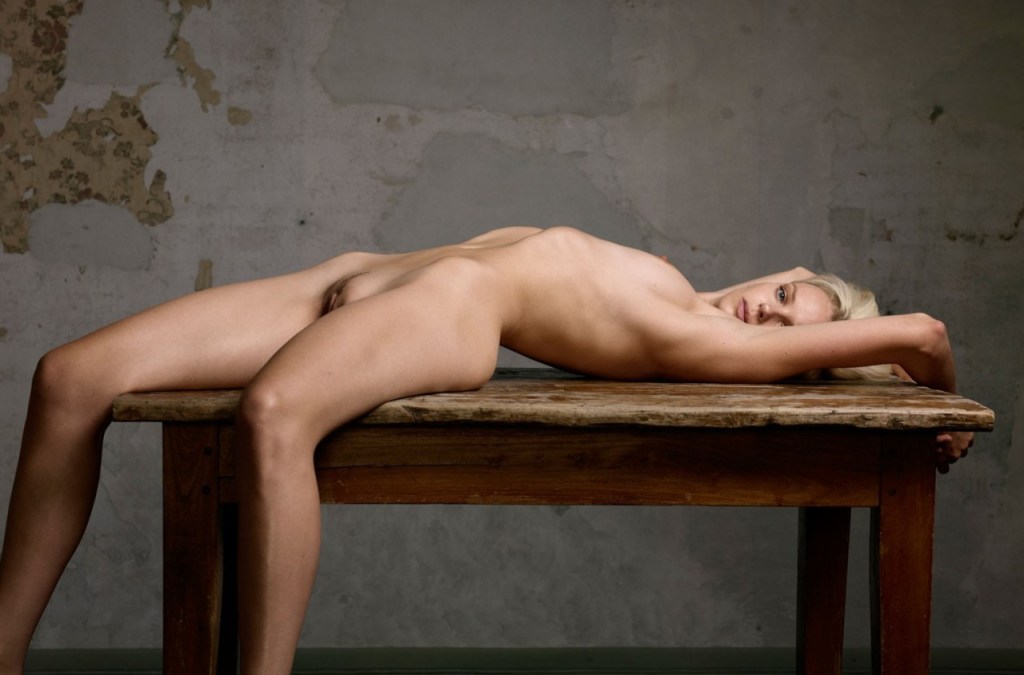
“Skin Deep” (2015)

“After Rodin XI, Dance Movement” (2016)

‘Composition of Two Women’

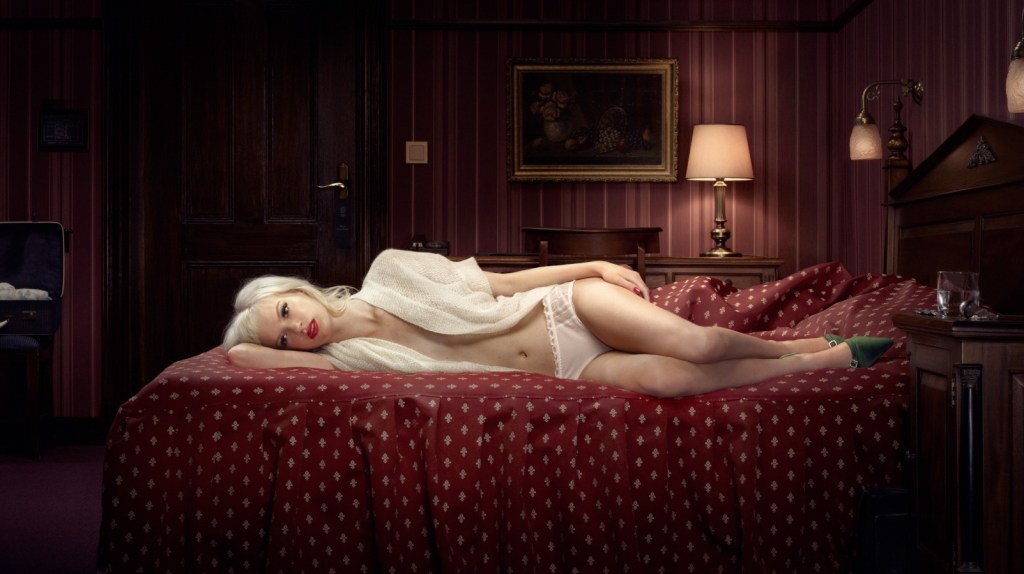

royal blood
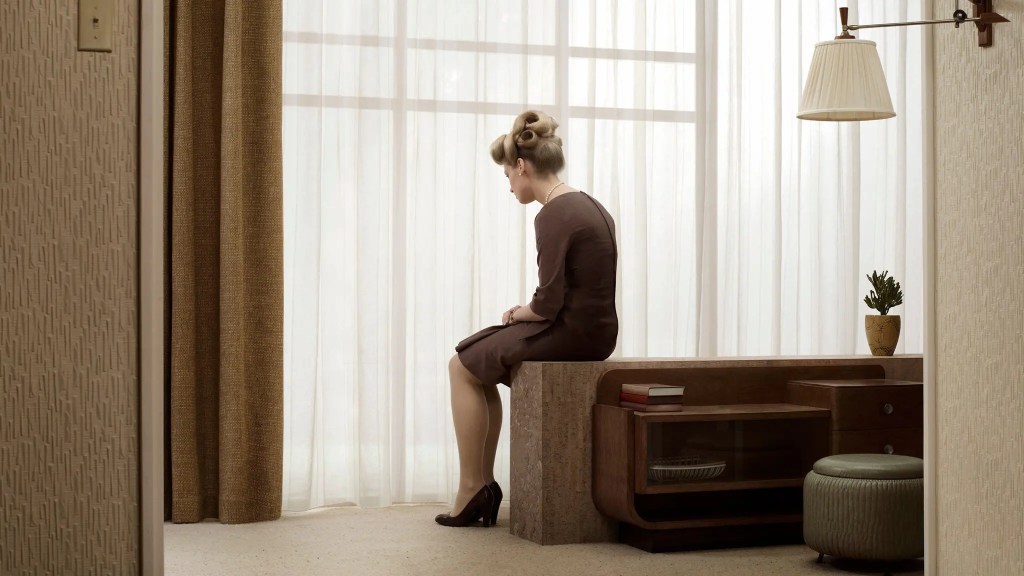
grief
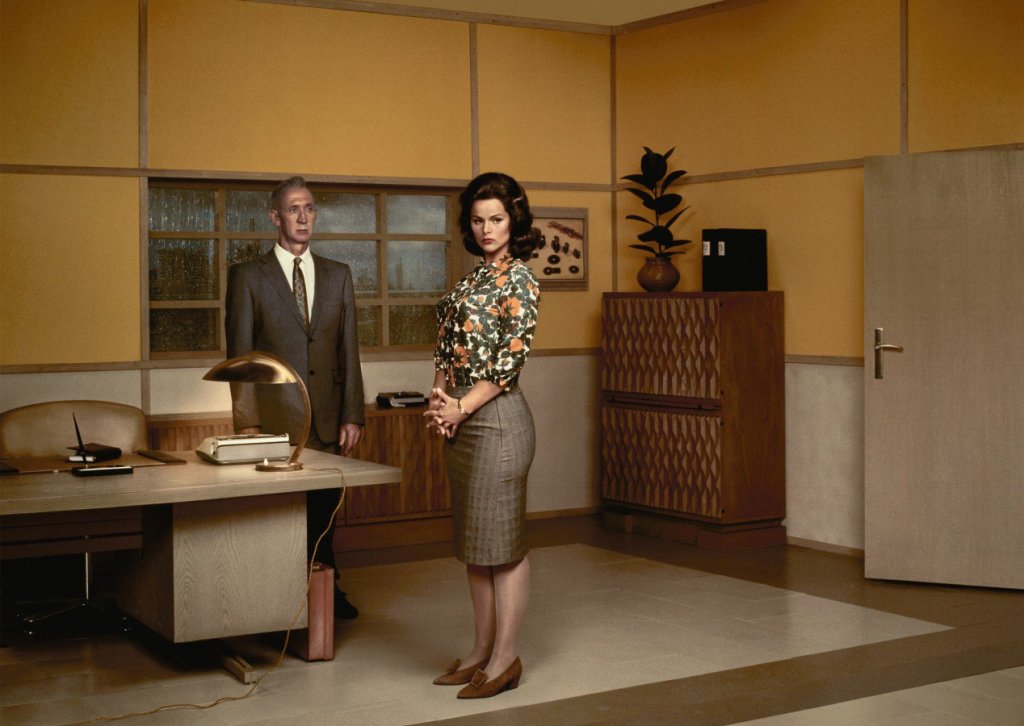
The Boardroom, from Rain, 2004

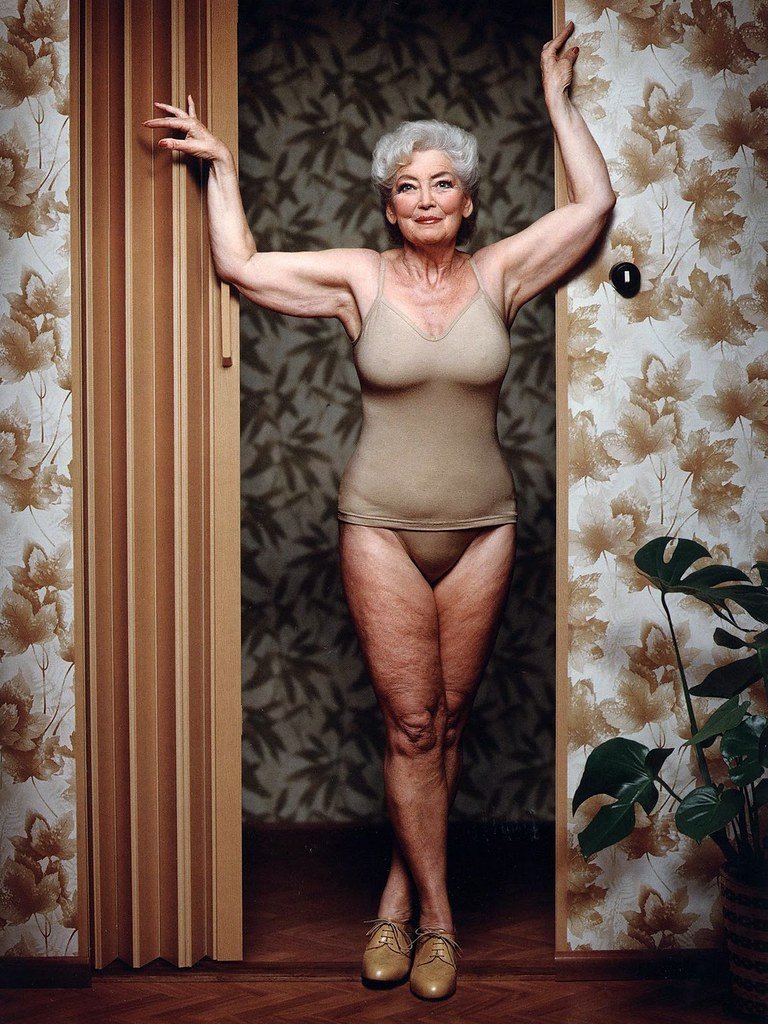
thanks for stoppin’ by y’all
Mac Tag
 The Lovers’ Chronicle
Leave a comment