
Dear Z, Today’s Lovers’ Chronicle from Mac Tag. Good question posed below. What is your main reason for livin’? Rhett
The Lovers’ Chronicle
Dear Muse,
la sogno nuova…
for this one,
just pulled a word
out of somethin’
Dante wrote
“I’m surprised it’s not
from something in les fleurs”
astonished might be closer
“Thought I’d give you a break”
ha, thanks
this theme does make it
a layup to write about today,
not gonna count the ways
but rather the reasons
j’adore m’amour
© copyright 2023 mac tag/cowboycoleridge all rights reserved
a banal canvas of destiny, one may traverse with ease, content to just let it go; no judgement here, the absurdities can be difficult to swallow so, what the hell; forced to deal with mind numbin’ daily dreck, my goddess, how does one soar; perhaps this escape, find the pitch of incessant desire
© copyright 2022.2023 mac tag/cowboycoleridge all rights reserved
yes, the pull is there
dark and beautiful
so long possessed
familiar discourses
in my mind
beyond inspiration
will always be with me
but now there is you
and i do not have to go
brimmin’ with dreams
will you come with me
that we may not be denied
© copyright 2021 mac tag/cowboy coleridge all rights reserved
Pale Love, Pale Rider
with delight, discourses in my mind
upon these admirable gifts
so normally on this day
we would be chasin’
les fleurs du mal
lettin’ them take us
whichever dark way
they wanted to take us
the pull is still there
suppose it will always be so
but now i choose
when i go
shall we
© copyright 2020 mac tag/cowboy coleridge all rights reserved
road trip Saturday
in sight of the Rockies
catch up with y’all later
***
a single thing…
one can no more be without the other
than the day without its verse
so long
possessed
so familiar
discourses in my mind
beyond inspiration
designs
on the canvas
destiny
becomes
brimmin’ with dreams
we must down the trail again
that we may not be denied
© copyright 2019 mac tag/cowboy coleridge all rights reserved
on the first line
i write each night
before i sleep,
of the verse
of you and i
appear these words…
you have given me
all, i will ever need
© copyright 2018 mac tag/cowboy coleridge all rights reserved
do you believe
a song can appear
in your thoughts
for a reason
why was ‘’Blackbird’’
sent to me
if not for this…
…”All your life
You were only waiting for this moment to arise.
All your life
You were only waiting for this moment to be free.”
© copyright 2017 mac tag/cowboy coleridge all rights reserved
The main reason;
The only reason…
Puttin’ words together
© copyright 2016 mac tag/cowboy coleridge all rights reserved
Non amo più
Non voglio più
Non ho bisogno di più
Non so più
I don’t love anymore
I don’t want anymore
I don’t need anymore
I don’t know anymore
***
Can one of y’all
tell the Lord of
Retribution
I am bein’
punished each day
I do not mind
bein’ punished
Just makin’ sure
I get credit
I really do
appreciate,
you tellin’ me
it is not too
late. I do not
believe you, but
I do thank you
Whoa darlin’, what
happened today?
You have this all
wrong: This is
about helpin’
you. Not about
helpin’ me. I
am beyond help
Too long livin’
on the edge. Too
much dealin’ with
the darkness. Too
few nights doin’
right. Too many
selfish choices
Made fun of it
Scorned it. Dared it
It damn sure ain’t
comin’ ’round here
ever again
There is so much
you know, so much
you do not know
and so little
time to tell you
© copyright 2015 mac tag/cowboy coleridge all rights reserved

Today is the day we celebrate the birth of Italian poet, prose writer, literary theorist, moral philosopher, and political thinker, Dante (Durante degli Alighieri; Florence; May 1265 – September 14, 1321 Ravenna, Papal States). The exact date is not known but it is generally believed to be in May.
His Divine Comedy, originally called Comedìa (modern Italian: Commedia) and later christened Divina by Giovanni Boccaccio, in my opinion, is one of the most important poems of the Middle Ages and the greatest literary work in the Italian language.
Dante is known for establishing the use of the vernacular in literature at a time when most poetry was written in Latin, which was accessible only to educated readers. His De vulgari eloquentia (On Eloquence in the Vernacular) was one of the first scholarly defenses of the vernacular. His use of the Florentine dialect for works such as The New Life (1295) and Divine Comedy helped establish the modern-day standardized Italian language. By writing his poem in the Italian vernacular rather than in Latin, Dante influenced the course of literary development, making Italian the literary language in western Europe for several centuries. His work set a precedent that important Italian writers such as Petrarch and Boccaccio would later follow.
Dante is, in my opinion, among Italy’s national poets and one the Western world’s greatest literary icons. His depictions of Hell, Purgatory, and Heaven provided inspiration for the larger body of Western art and literature. The first use of the interlocking three-line rhyme scheme, or the terza rima, is attributed to him. He is described as the “father” of the Italian language, and in Italy he is often referred to as il Sommo Poeta (“the Supreme Poet”). Dante, Petrarch, and Boccaccio are also called the tre corone (“three crowns”) of Italian literature.
Dante said he first met Beatrice Portinari, daughter of Folco Portinari, when he was nine (she was eight), and he claimed to have fallen in love with her “at first sight”, apparently without even talking with her. When he was 12, however, he was promised in marriage to Gemma di Manetto Donati, daughter of Manetto Donati, member of the powerful Donati family. Contracting marriages for children at such an early age was quite common and involved a formal ceremony, including contracts signed before a notary. Dante claimed to have seen Beatrice again frequently after he turned 18, exchanging greetings with her in the streets of Florence, though he never knew her well.
Years after his marriage to Gemma, he claims to have met Beatrice again; he wrote several sonnets to Beatrice but never mentioned Gemma in any of his poems. He refers to other Donati relations, notably Forese and Piccarda, in his Divine Comedy. The exact date of his marriage is not known; the only certain information is that, before his exile in 1301, he had fathered three children with Gemma (Pietro, Jacopo and Antonia).
Dante published La Vita Nuova (“The New Life”) or Vita Nova (Latin title) in 1294. It is an expression of the medieval genre of courtly love in a prosimetrum style, a combination of both prose and verse. Dante wanted to collect and publish the lyrics dealing with his love for Beatrice, explaining the autobiographical context of its composition and pointing out the expository structure of each lyric as an aid to careful reading. The result is an important early example of emotional autobiography.
Dante referred to Beatrice as his main reason for livin’. There is a topic that could fill the hours; the main reason for livin’. Right now, my main reason for livin’ is puttin’ words together for you my muse.
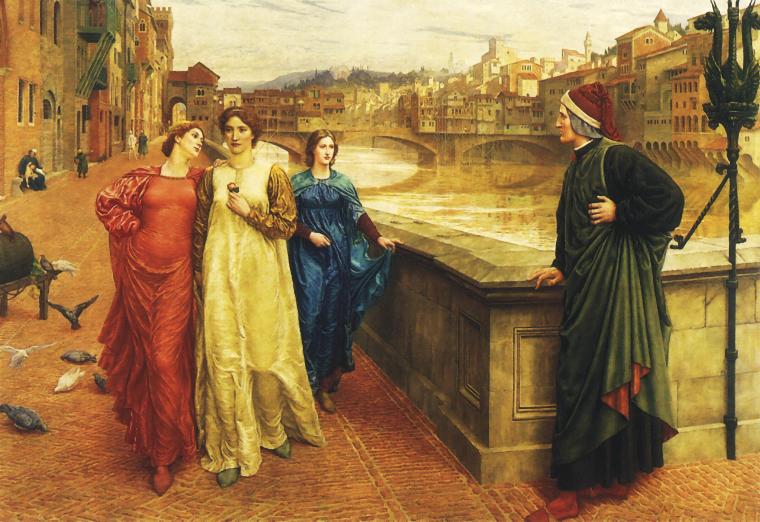
Dante and Beatrice, by Henry Holiday, inspired by La Vita Nuova, 1883
La Vita Nuova (1293) excerpts
- In quella parte del libro de la mia memoria… si trova una rubrica la quale dice: Incipit vita nova.
- In that book which is
My memory…
On the first page
That is the chapter when
I first met you
Appear the words…
Here begins a new life. - Chapter I, opening lines
- In that book which is
- e le braccia avea
madonna involta in un drappo dormendo.
Poi la svegliava, e d’esto core ardendo
lei paventosa umilmente pascea:
appresso gir lo ne vedea piangendo.- In his arms, my lady lay asleep, wrapped in a veil.
He woke her then and trembling and obedient
She ate that burning heart out of his hand;
Weeping I saw him then depart from me. - Chapter I, First Sonnet
- In his arms, my lady lay asleep, wrapped in a veil.
- Ella è quanto de ben pò far natura;
per essemplo di lei bieltà si prova.- She is the sum of nature’s universe.
To her perfection all of beauty tends. - Chapter XIV, lines 49–50
- She is the sum of nature’s universe.
- Amore e ‘l cor gentil sono una cosa…
e così esser l’un sanza l’altro osa
com’alma razional sanza ragione.- Love and the gracious heart are a single thing…
one can no more be without the other
than the reasoning mind without its reason. - Chapter XVI
- Love and the gracious heart are a single thing…
- Sì lungiamente m’ha tenuto Amore
e costumato a la sua segnoria- Love hath so long possessed me for his own
And made his lordship so familiar. - Chapter XXI
- Love hath so long possessed me for his own
- Il Convivio (1304–1307)
- Amor che ne la mente mi ragiona
de la mia donna disiosamente…
che lo ‘ntelletto sovr’esse disvia.- Love with delight discourses in my mind
Upon my lady’s admirable gifts…
Beyond the range of human intellect. - Trattato Terzo, line 1.
- Love with delight discourses in my mind
- La moralitade è bellezza de la filosofia.
- Morality is the beauty of Philosophy.
- Trattato Terzo, Ch. 15.
- Amor che ne la mente mi ragiona
On this day in 1495 – A monk, John Cor, records the first known batch of Scotch whisky. John Cor is the name of the monk referred to in the first known written reference to a batch of Scotch Whisky.
“To Brother John Cor, by order of the King, to make aqua vitae VIII bolls of malt.” — Exchequer Rolls 1494–95, Vol x, p. 487.
Brother John Cor was a Tironensian monk based at Lindores Abbey in Fife. He was a servant at the court of James IV. The Tironensians were well regarded for their skills as alchemists. Lindores Abbey is known as the ‘Birthplace of Scotch Whisky’ and visiting there is a pilgrimage for some whisky-lovers. I love a good glass of single malt Scotch, so by all means, raise a glass of cheer to Brother John.
Today is the birthday of Maarten van Heemskerck or Marten Jacobsz Heemskerk van Veen (Heemskerk, Netherlands; 1 June 1498 – 1 October 1574 Haarlem, Netherlands); portrait and religious painter, who spent most of his career in Haarlem. He was a pupil of Jan van Scorel, and adopted his teacher’s Italian-influenced style. He spent the years 1532–6 in Italy. He produced many designs for engravers, and is especially known for his depictions of the Wonders of the World.

On his return to the Netherlands in 1536, he settled back at Haarlem, where he became president of the Haarlem Guild of Saint Luke (in 1540), married twice (his first wife and child died during childbirth), and secured a large and lucrative practice.
Gallery


Portrait of an unknown woman

Portrait of Machtelt Suijs

Portrait of a Lady spinning

Portrait of a Lady spinning
On this day in 1857 – Charles Baudelaire‘s Les Fleurs du mal is published.
 | |
Les Fleurs du mal (The Flowers of Evil) is a volume of French poetry by Charles Baudelaire. It was important in the symbolist and modernist movements. The poems deal with themes relating to decadence and eroticism.

Antoine-Auguste Thivet (1856-1927) Une Martyre Huile sur toile – 59,7 x 82 cm Orléans, Musée des Beaux-Arts
The initial publication of the book was arranged in six thematically segregated sections:
- Spleen et Idéal (Spleen and Ideal)
- Tableaux parisiens (Parisian Scenes)
- Le Vin (Wine)
- Fleurs du mal (Flowers of Evil)
- Révolte (Revolt)
- La Mort (Death)
Baudelaire dedicated the book to the poet Théophile Gautier, describing him as a parfait magicien des lettres françaises (“a perfect magician of French letters”).
Foreword
The foreword to the volume, identifying Satan with the pseudonymous alchemist Hermes Trismegistus and calling boredom the worst of miseries, sets the general tone of what is to follow:
Si le viol, le poison, le poignard, l’incendie,
N’ont pas encore brodé de leurs plaisants dessins
Le canevas banal de nos piteux destins,
C’est que notre âme, hélas ! n’est pas assez hardie.If rape, poison, dagger and fire,
Have still not embroidered their pleasant designs
On the banal canvas of our pitiable destinies,
It’s because our soul, alas, is not bold enough!
The preface concludes with the following malediction:
C’est l’Ennui!—l’œil chargé d’un pleur involontaire,
Il rêve d’échafauds en fumant son houka.
Tu le connais, lecteur, ce monstre délicat,
Hypocrite lecteur, — mon semblable, — mon frère !It’s Boredom!—eye brimming with involuntary tears
He dreams of gallows while smoking his hookah.
You know him, reader, this delicate monster,
Hypocritical reader, my likeness, my brother!
| John Masefield | |
|---|---|
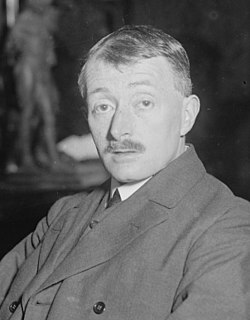 | |
Today is the birthday of John Masefield (John Edward Masefield; Ledbury, Herefordshire 1 June 1878 – 12 May 1967 Abingdon, Berkshire); poet, writer, and Poet Laureate of the United Kingdom from 1930 until his death in 1967. Perhaps best remembered as the author of the classic children’s novels The Midnight Folk and The Box of Delights, and poems, including “The Everlasting Mercy” and “Sea-Fever”.
In 1901, when Masefield was 23 he met his future wife, Constance de la Cherois Crommelin (6 February 1867 – 18 February 1960, Rockport, County Antrim, Northern Ireland; a sister to Andrew Claude de la Cherois Crommelin), who was 35 and of Huguenot descent and they married 23 June 1903 St. Mary, Bryanston Square. Educated in classics and English Literature, and a mathematics teacher, Constance was a good match for him, despite the difference in their ages.
Verse
I must down to the seas again, to the lonely sea and the sky,
And all I ask is a tall ship and a star to steer her by,
And the wheel’s kick and the wind’s song and the white sail’s shaking,
And a grey mist on the sea’s face and a grey dawn breaking.
I must down to the seas again, for the call of the running tide
Is a wild call and a clear call that may not be denied;
And all I ask is a windy day with the white clouds flying,
And the flung spray and the blown spume, and the sea-gulls crying.From “Sea-Fever”, in Salt-Water Ballads (1902)
Most roads lead men homewards, mine leads forth.
And today is the birthday of George Hurrell (George Edward Hurrell; Walnut Hills, Cincinnati; June 1, 1904 – May 17, 1992 ); photographer who contributed to the image of glamour presented by Hollywood during the 1930s and 1940s.
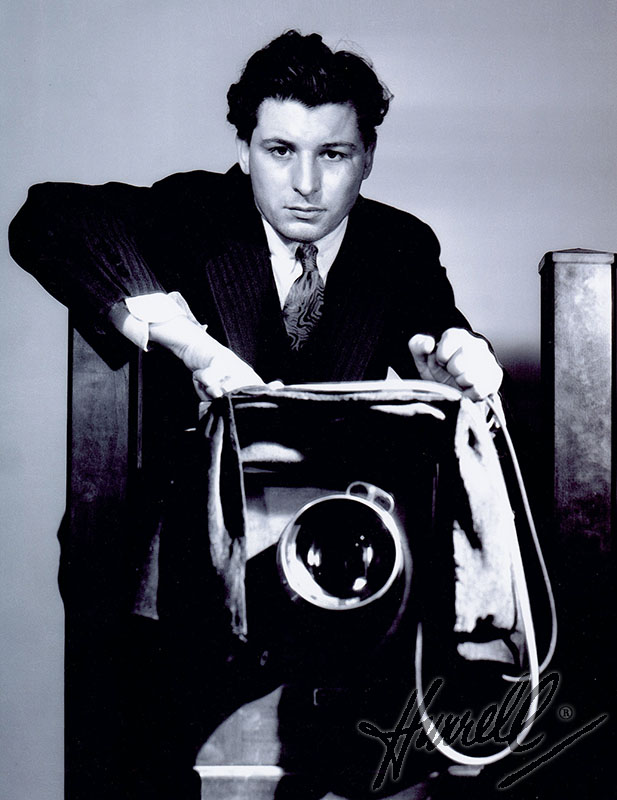
After 1970, his most prominent work was as a photographer for album covers. He shot the cover photos for Cass Elliot’s self-titled album (1972), Helen Reddy’s Imagination (1983), Tom Waits’ Foreign Affairs (1977), Fleetwood Mac’s Mirage (1982), Queen’s The Works (1984), and Paul McCartney’s Press to Play (1986).
Hurrell died from complications from bladder cancer shortly after completing a TBS documentary about his life, aged 87.
Gallery
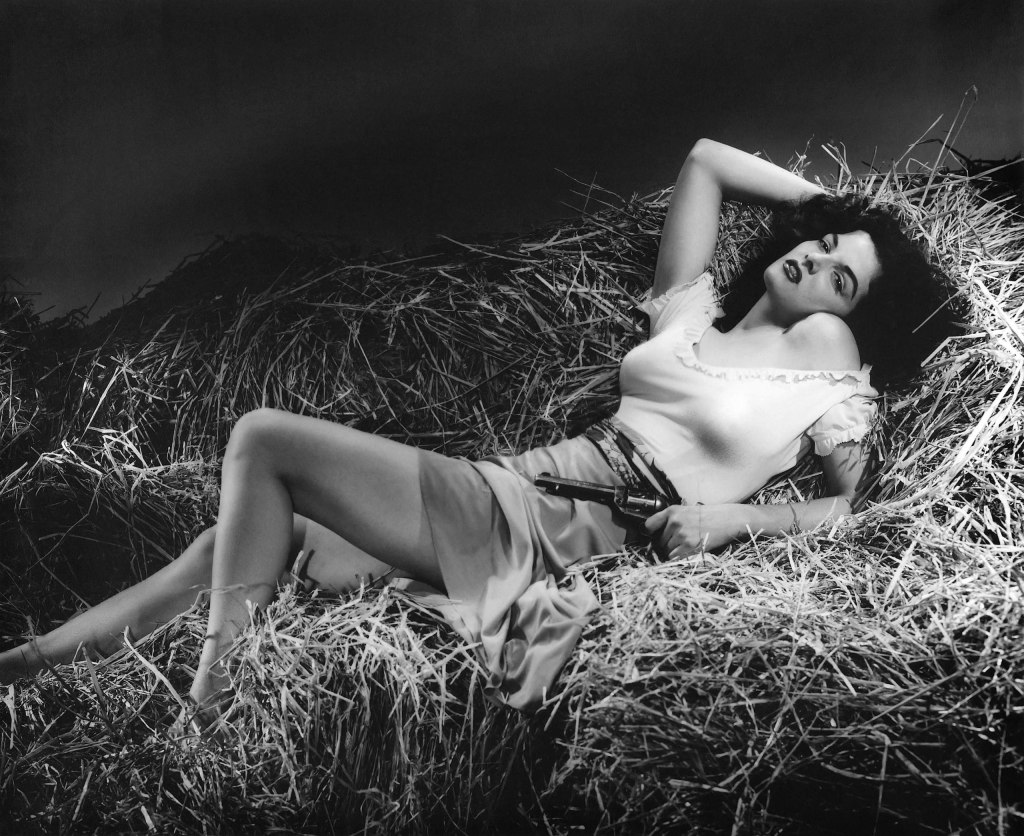
Jane Russell (pictured in 1943) in a publicity image for The Outlaw

brenda marshall
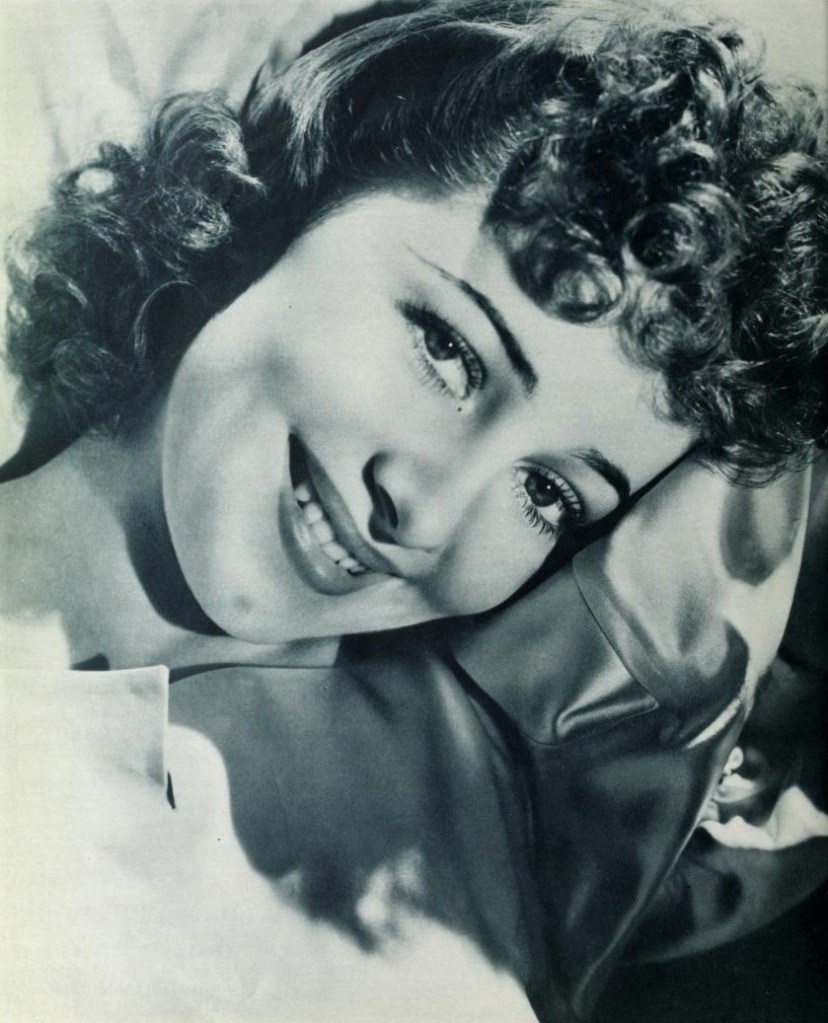
Olivia de Havilland 1938

de havilland

Photo for the cover of Cass Elliot’s debut album
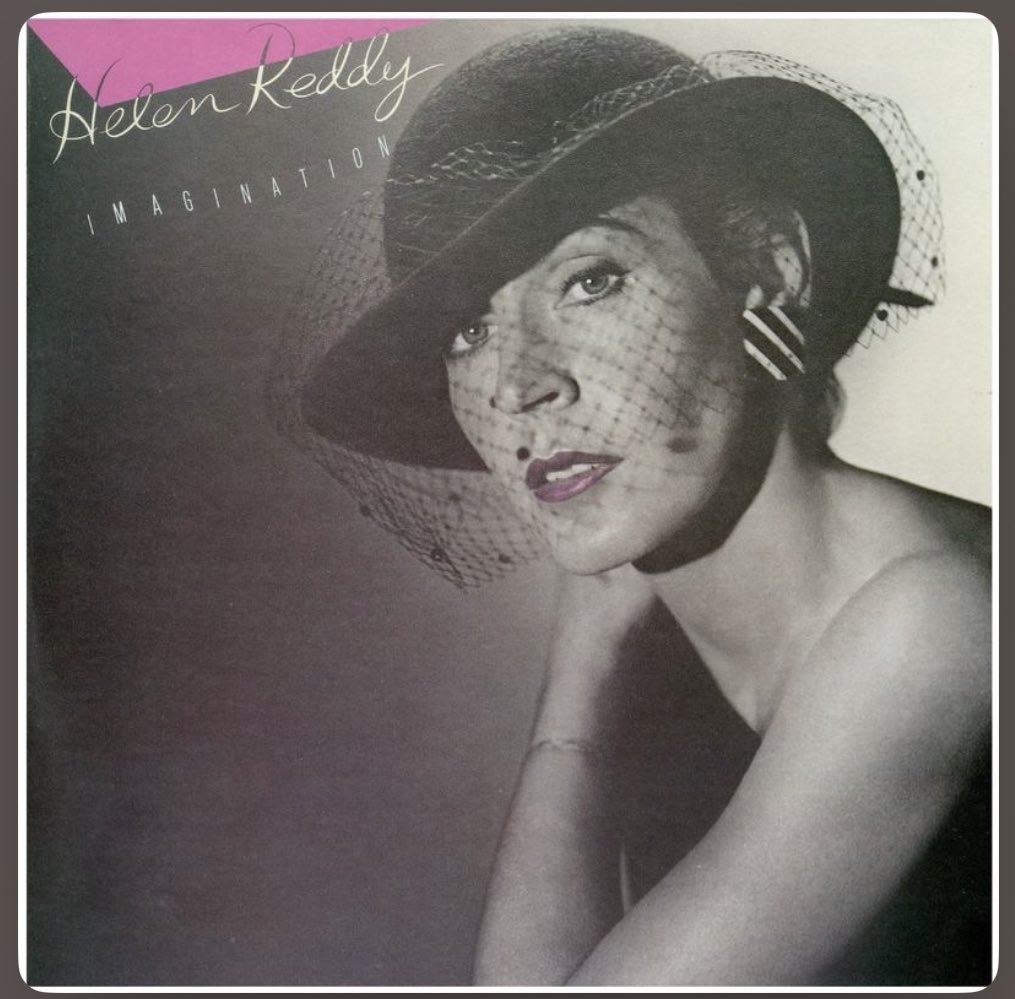
helen reddy album cover Imagination

Tom waits album cover
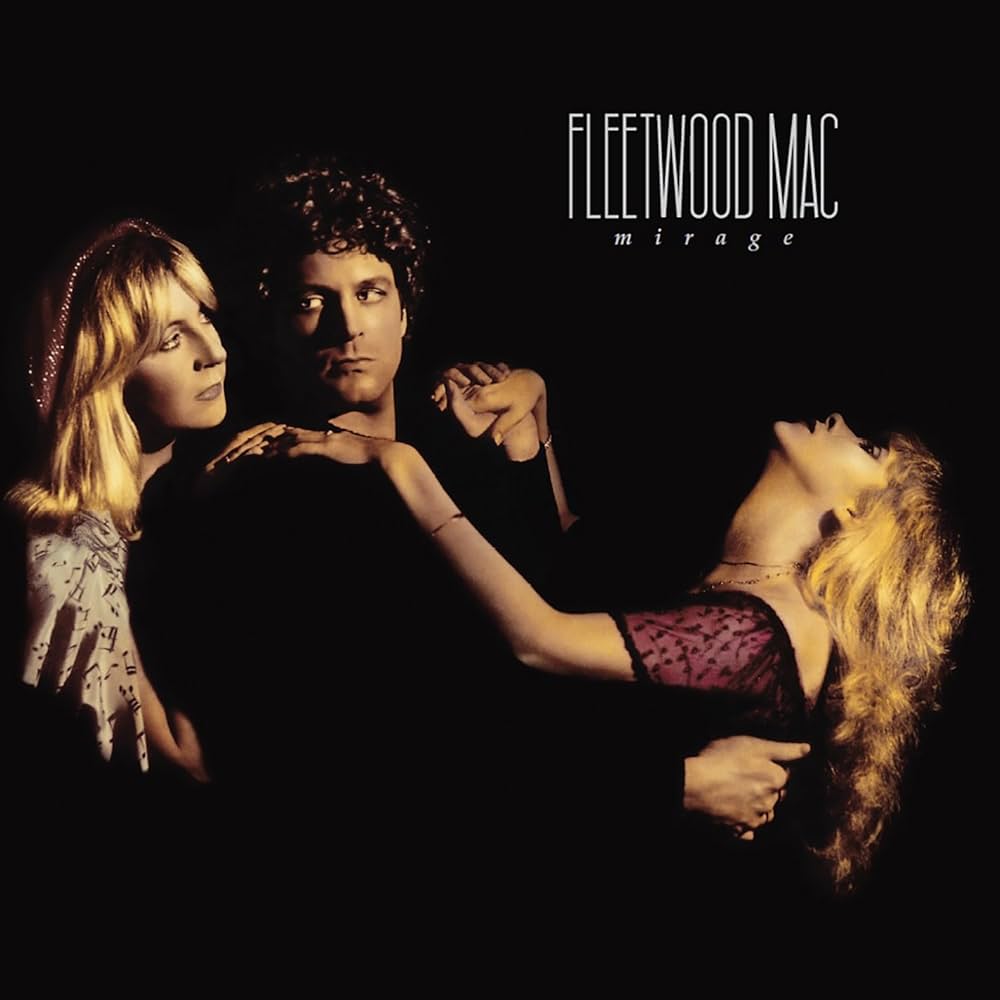
album cover

album cover

album cover
I leave you with one of the strongest proclamations of love I have ever heard…
I love him to hell and back and heaven and back, and have and do and will. – Sylvia Plath
thanks for stoppin’ by y’all
Mac Tag
Follow us on twitter @cowboycoleridge
 The Lovers’ Chronicle
Leave a comment