Dear Zazie, Here is today’s Lovers’ Chronicle from Mac Tag to his muse. Follow us on Twitter @cowboycoleridge. Hey Z, hope all is well. Jett says hey too. He is well. Busy at work. Dry out here. We could use some rain. Mac Tag is right; those words are hard to say. I do not know about you, but I do not say them. But Jett can say them with ease and usually does to every pretty woman that smiles at him. What say you? Rhett
The Lovers’ Chronicle
Dear Muse,
this one was inspired by a song,
The Avett Brothers ‘’I and Love and You’’;
‘’Three words that became hard to say
I and love and you’’
’’It is a beautiful song’’
i became an instant fan
and it fit so well with where i was
and what i was writin’ about
’’They were hard for you to say’’
at first they were too easy
i was fast and loose with ‘em
i used ‘em with no regard and no understandin’
i could say ‘em to any woman and anything,
but i could not say ‘em to myself
‘’That was the root of your problem’’
yes, then i came not to believe in ‘em
’’And now my dear’’
i think i need to stop writin’
so i can say three words to you

© copyright 2023.2024 mac tag/cowboycoleridge all rights reserved
so many words, so little time; focus on three here, ah but which three, veered over the range of emotions, never shy about that, coy perhaps with the big three; had no idea what they meant and the broken trail behind proves that beyond doubt; well, now i should say, done with that
© copyright 2022.2023 mac tag/cowboycoleridge all rights reserved
time for bed my dear,
open the window,
the moon and stars,
a constellation
and the waves
hear ’em breakin’
our bodies wrapped
together, now
for our favorite part
oh but first this,
if It calls again
you tell It
not to insist,
i am not available
i have three words to say
© copyright 2021.2023 mac tag/cowboycoleridge all rights reserved
Pale Love, Pale Rider
those three words
i never thought,
can i ever feel that way,
again
a song fills the cloud
plays on in my thoughts
i meant every word,
spoken, written,
whispered
still do
the verse draws near
as if i never left, insistin’
as it does, that i want
nothin’ more than to be
here with you
© copyright 2020 mac tag/cowboy coleridge all rights reserved
say them, hear them
goin’ to sleep, safest keep
turn off the lamp on the headboard,
oh that is good, a little lower
do not leave alone: hear the verse,
it cradles and draws a few bars
for you to remember,
thank you
a constellation,
call again
insist, that we have come
© copyright 2019 mac tag/cowboy coleridge all rights reserved
yes, still
three words…
i and miss and you
silence, a home
might as well be
to the point
of freein’ myself
your eyes
and the shadow
wept for you,
and your arms,
and your body
alone: you hear,
it cradles
or you forget
it calls again
you try not to insist,
that you have come home
© copyright 2018 mac tag/cowboy coleridge all rights reserved
If I could tell
I would tell you
***
This is what you
inspire: A deep
desire; unleashed,
out of control,
all consumin’,
burnin’ ring of
fire desire. Can
you handle that
***
For Alfonsina:
Ah, well could be sometimes
Cravin’ for solitude
It was said in my dreams
Eyes of bitterness
Sweet despair in the shade
At night; my absent sleep
Speak of where they slumber
Bend it so carefully
Leave it for the taker
Essentially painful
Somethin’ frantic touches
***
I still believe
in the “L” word:
As long as we
make it random
or abandoned
How was i to know
the random loves were
as good as it was
ever gonna get
***
C’mon darlin’
Love me tonight
And we will leave
tomorrow for
the devil’s cut
C’mon darlin’
be my angel’s
breath. I can leave
tomorrow for
the devil’s cut
© copyright 2015 mac tag/cowboy coleridge all rights reserved
Now the love song of the day. Perhaps no truer words have ever been written than these: Three words that are hard to say; i and love and you, The Avett Brothers ‘’I and Love and You’’. Three words I longed to hear from you. Three words that became hard to say. Three words I hope to say, and hear, again.
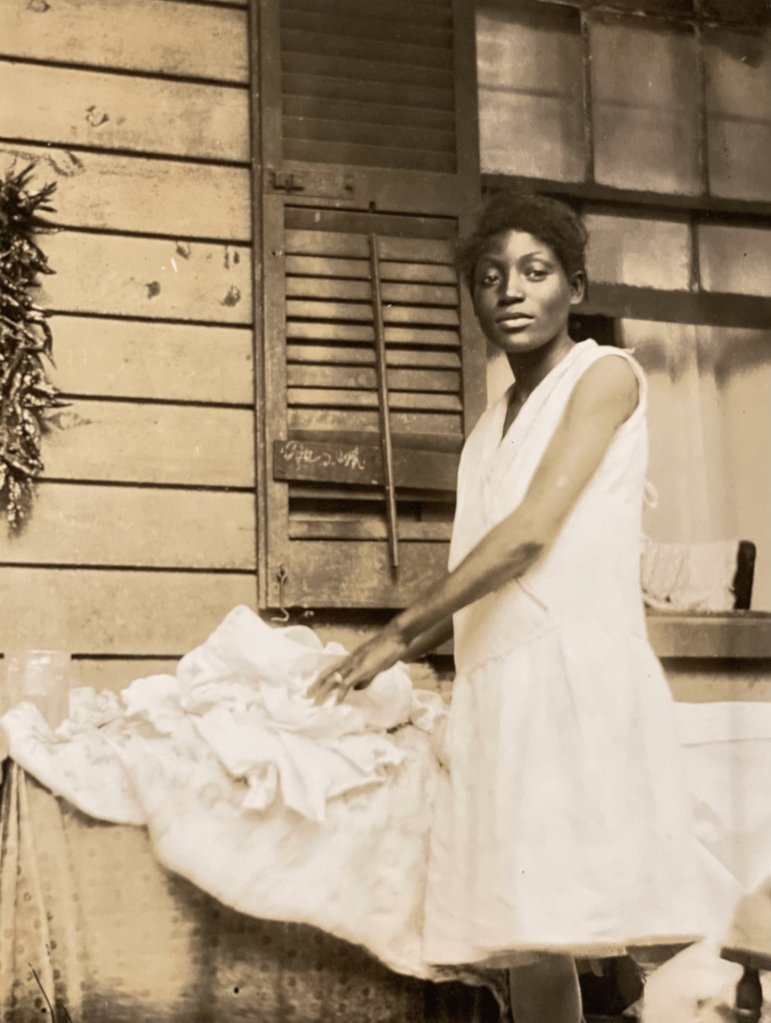
Today is the birthday of Doris Ulmann (New York City; May 29, 1882 – August 28, 1934 New York City); photographer, best known for her portraits of the people of Appalachia, particularly craftsmen and musicians, made between 1928 and 1934.
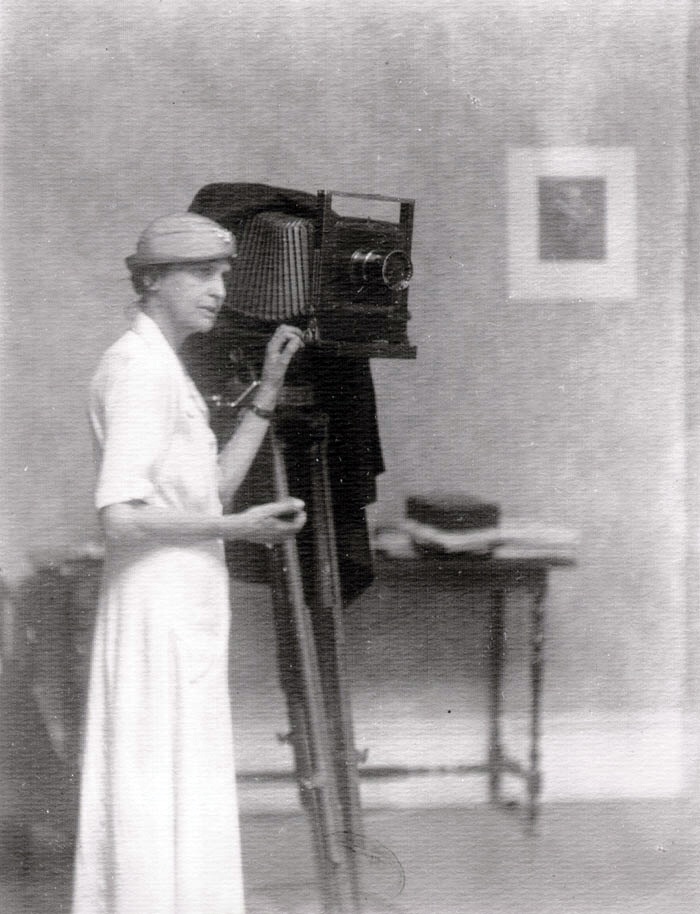
c 1910
Ulmann’s early work includes a series of portraits of prominent intellectuals, artists and writers: William Butler Yeats, John Dewey, Max Eastman, Sinclair Lewis, Lewis Mumford, Joseph Wood Krutch, Martha Graham, Anna Pavlova, Paul Robeson, and Lillian Gish. From 1927, Ulmann was assisted on her rural travels by John Jacob Niles, a musician and folklorist who collected ballads while Ulmann photographed. In 1932 Ulmann began her most important series, assembling documentation of Appalachian folk arts and crafts for Allen Eaton’s landmark 1937 book, Handicrafts of the Southern Highlands. In failing health, she collapsed in August 1934 while working near Asheville, North Carolina, and returned to New York.
Gallery
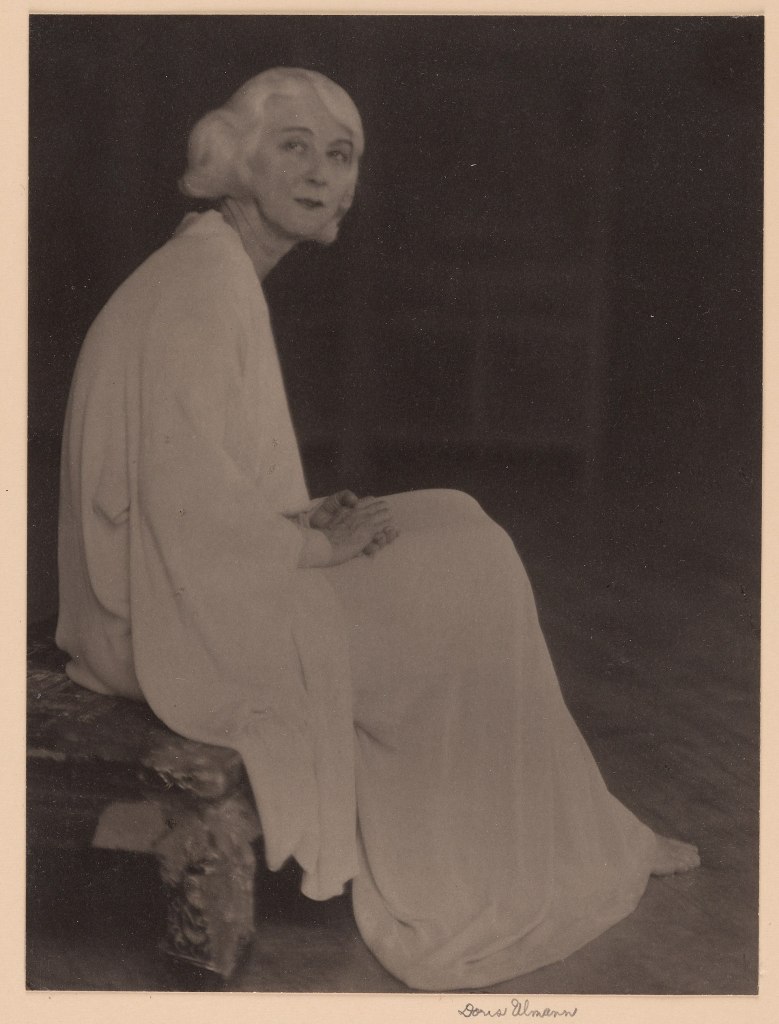
Ruth St. Denis, c. 1925
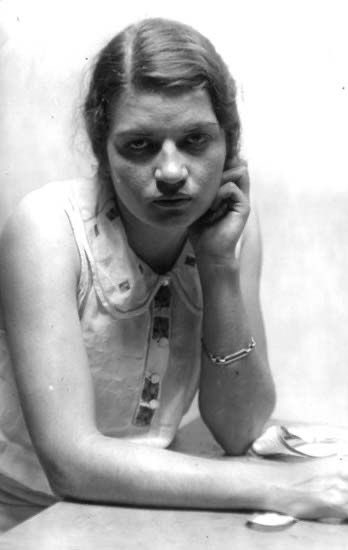
Student at Berea College, Berea, Kentucky
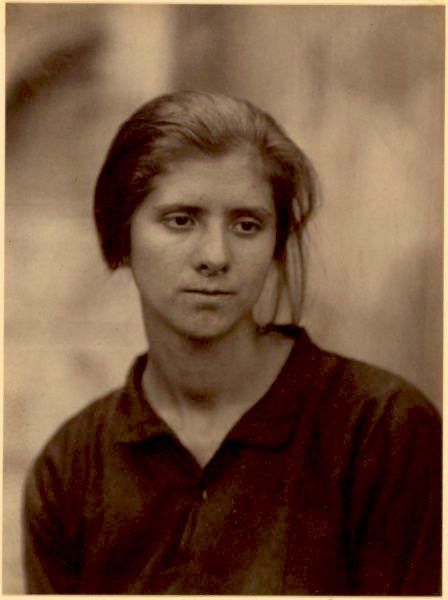
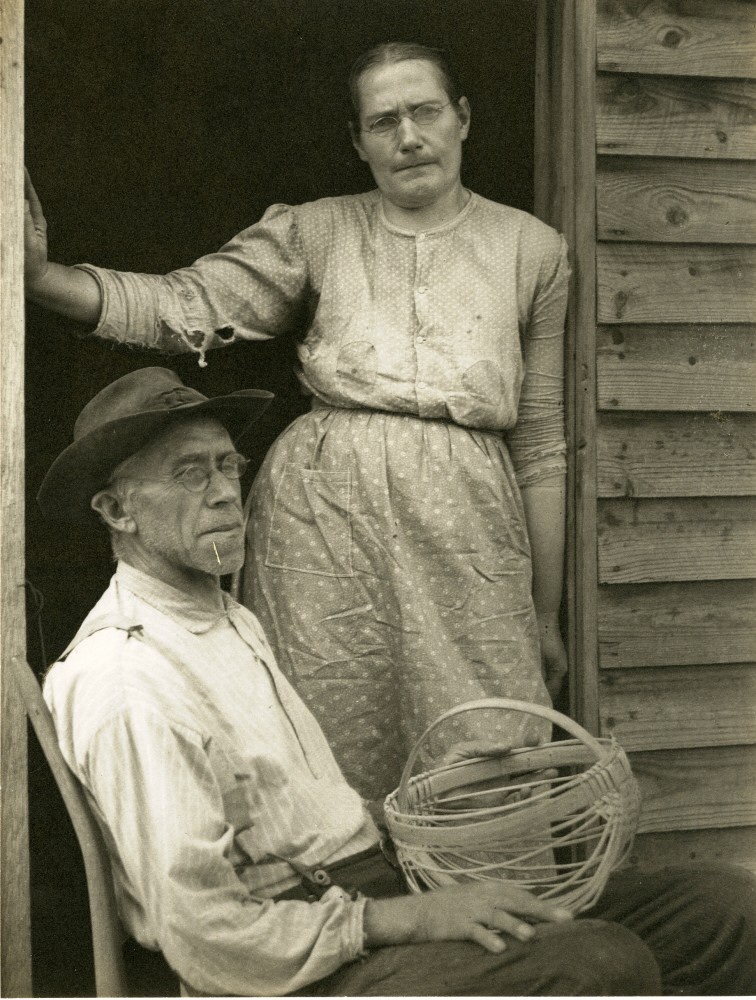
Older Appalachian couple
 Cherokee woman, 1929
And today is the birthday of Alfonsina Storni (Sala Capriasca, Switzerland; May 29, 1892 – October 25, 1938 Mar del Plata, Argentina); one of the most important Argentine and Latin-American poets of the modernist period.
 | |
Storni was among the first women to find success in the male-dominated arenas of literature and theater in Argentina, and as such, developed a unique and valuable voice that holds particular relevance in Latin American poetry. Storni was an influential person, not only to her readers but also to other writers. Though she was known mainly for her poetic works, she also wrote prose, journalistic essays, and drama. Storni often gave controversial opinions. She criticized a wide range of topics from politics to gender roles and discrimination against women. In Storni’s time, her work did not align itself with a particular movement or genre. It was not until the modernist and avant-garde movements began to fade that her work seemed to fit in. She was criticized for her atypical style, and she has been labeled most often as a postmodern writer.
She had a relationship with Horacio Quiroga (31 December 1878 – 19 February 1937) a Uruguayan playwright, poet, and short story writer that ended in 1927 when Quiroga met Maria Elena Bravo and started his second marriage. It is not known if Quiroga and Storni were lovers, since the two did not address the nature of their love very much. What is known is that Storni saw Quiroga as a friend who understood her, and she dedicated a poem to him when he took his own life in 1937, only a year before she took hers.
On May 20, 1935, she underwent a radical mastectomy. In 1938 she found out that the breast cancer had reappeared. Around 1:00 AM on Tuesday, 25 October 1938, Storni left her room and headed towards the sea at La Perla beach in Mar del Plata, Argentina. Later that morning two workers found her body washed up on the beach. Although her biographers hold that she jumped into the water from a breakwater, popular legend is that she slowly walked into the sea until she drowned. She is buried in La Chacarita Cemetery. Her death inspired Ariel Ramírez and Félix Luna to compose the song “Alfonsina y el Mar” (“Alfonsina and the Sea”). Argentine composer Julia Stilman-Lasansky used Storni’s text for her composition Cuadrados y Angulos.
Verse
Que por días enteros, vagabundo y huraño
no volvía a la casa, y como un ermitaño
se alimentaba de aves, dormía sobre el suelo
y sólo cuando el Zonda, grandes masas ardientes
de arena y de insectos levanta en los calientes
desiertos sanjuaninos, cantaba bajo el cielo
Dicen que silenciosas las mujeres han sido
De mi casa materna… Ah, bien pudieran ser
A veces, en mi madre apuntaron antojos
de liberarse, pero se le subió a los ojos
una honda amargura, y en la sombra lloró
Apagadle
la voz de madera,
cavernosa,
arrebujada
en las catacumbas nasales.
Libradlo de ella,
y de sus brazos dulces,
y de su cuerpo terroso.
Forzadle sólo,
antes de lanzarlo
al espacio,
el arco de las cejas
hasta hacerlos puentes
del Atlántico,
del Pacífico…
Por donde los ojos,
navíos extraviados,
circulen
sin puertos
ni orillas…
Dientes de flores, cofia de rocío,
manos de hierbas, tú, nodriza fina,
tenme puestas las sábanas terrosas
y el edredón de musgos escardados.
Voy a dormir, nodriza mía, acuéstame.
Ponme una lámpara a la cabecera,
una constelación, la que te guste,
todas son buenas; bájala un poquito.
Déjame sola: oyes romper los brotes,
te acuna un pie celeste desde arriba
y un pájaro te traza unos compases
para que olvides. Gracias… Ah, un encargo,
si él llama nuevamente por teléfono
le dices que no insista, que he salido…
thanks for stoppin’ by y’all
Mac Tag
O what a bursting out there was,
And what a blossoming,
When we had all the summer-time
And she had all the spring.
W.B. Yeats
 The Lovers’ Chronicle
Leave a comment