Dear Zazie,
Here is today’s Lovers’ Chronicle from Mac Tag.
Rhett
The Lovers’ Chronicle
Dear Muse,
live from The Peabody in Memphis y’all
the best shout song is the Isley Brothers,
but lets go a different direction
“Agree and ready when you are”
our pal Bret again with a line
from a song on his new album,
Through the Fire, “Calling Out”;
”Hold on tight with open arms to what belongs to you”
“Oh I like that, as we do with each other”
absolutely, and callin’ out fits the theme,
how in my verse there are hints or shouts
of my feelin’s and emotions and a call
that was answered with you

© copyright 2023.2024 mac tag/cowboy coleridge all rights reserved
check out Bret’s music at bretmosley.com
live from San Juan, Puerto Rico y’all

Flannery said, “To the hard of hearing you shout, and for the almost blind you draw large and startling figures.”; agree, i know life had to repeatedly raise it’s voice to get my attention, as admitted slow on the uptake, also learned to rein in emotion and temper, yes i will accept “clamped down too hard”, but survivin’ takes what it takes, and if one has made this many trips around the sun, that is a good ride and calls for a tip of the hat; from here for us, no shoutin’ needed, since we met we have clearly heard

© copyright 2022.2024 mac tag/cowboy coleridge all rights reserved
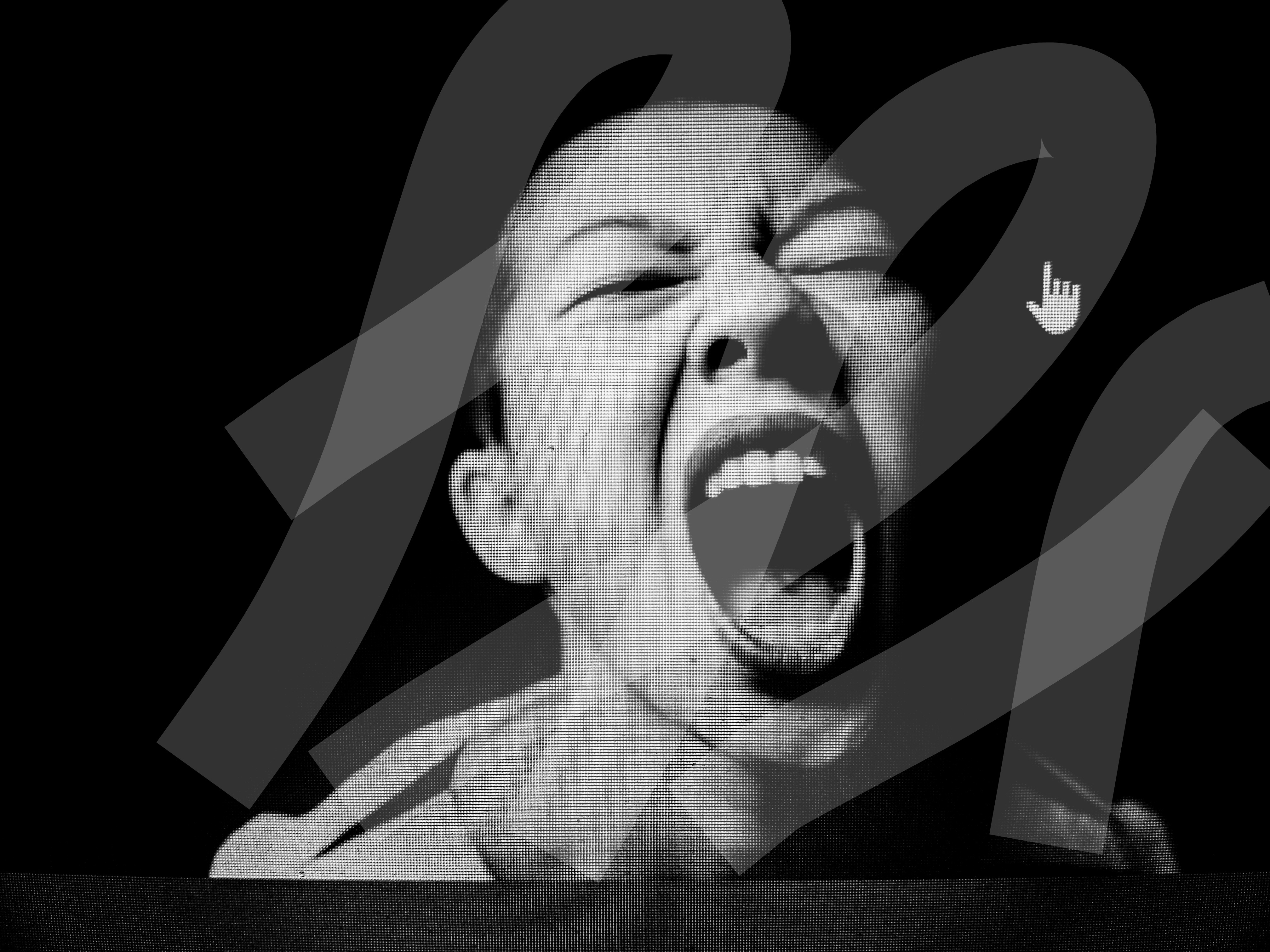
from the past
sometimes loud
sometimes not
but always there
used to govern
now just aware
but did learn,
most important,
would not be here
otherwise
so thanks
are given
for there is
no other place
i would rather be
© copyright 2021 mac tag/cowboy coleridge all rights reserved
Pale Love, Pale Rider
or whispers
whatever it takes
though no doubt
you might be bored
by now, what with
each one of these
really only about
how much i need this
no matter how i sketch it,
it is not a stretch to say
this is the reason
all i was lookin’ for
© copyright 2020 mac tag/cowboy coleridge all rights reserved
confessional outpourin’s
veerin’ from hopeless
to hopeful
honed for physical need
but not much else
never could overcome
emotional detachment
had yet to discover
what matters…
but now
will not stand
for anything but to be
wreathed in this pursuit
a blessed and tormented
life of which only hints,
or sometimes shouts,
appear in these songs
© copyright 2019 mac tag/cowboy coleridge all rights reserved
you saw me
without a dream
you heard
you knew why
we were there
a prayer
perhaps
no longer
alone
without
well, why not
down here
anything can,
and usually does,
happen
even that
© copyright 2018 mac tag/cowboy coleridge all rights reserved
Another from the archives, from the Quarter…
Outside, rainin’
thunder rumbles
We have returned
from pickin’ up po-boys, still warm,
and two six packs of cold Abita
The room is full of burnin’ candles
We eat and drink and talk
We laugh, we live
The thunder increases
in frequency and intensity
We consume
© 2013 Mac Tag/Cowboy Coleridge. All rights reserved
Today is the birthday Augustus Egg (Augustus Leopold Egg 2 May 1816 London – 26 March 1863 Algiers); Victorian artist, and member of The Clique best known for his modern triptych Past and Present (1858), which depicts the breakup of a middle-class Victorian family.

by Richard Dadd (between 1838 and 1840)
Egg’s early paintings were generally illustrations of literary subjects. Like other members of The Clique, he saw himself as a follower of Hogarth. Unlike most other members of The Clique, Egg also admired the Pre-Raphaelites; he bought work from the young William Holman Hunt and shared ideas on colour theory with him. His Past and Present, was influenced by Hunt’s work. The triptych depicted three separate scenes, one portraying a prosperous middle-class family and the other two depicting poor and isolated figures – two young girls in a bedsit and a homeless woman with a baby. The viewer was expected to read a series of visual clues that linked together these three scenes, to reveal that the prosperous family in the central scene is in the process of disintegrating because of the mother’s adultery. The two outer scenes depict the separated mother and children a few years later, now living in poverty. The painting’s use of flashback – the central scene is occurring in the past – has been seen as a precursor of cinema.
Charles Dickens described Egg as a “dear gentle little fellow,” “always sweet-tempered, humorous, conscientious, thoroughly good, and thoroughly beloved.” In a 1953 radio interview, novelist Evelyn Waugh was asked “What painters do you admire most?”. He answered “Augustus Egg I’d put among the highest.”
Gallery

Past and present No. 1 – misfortune

Past and present No. 2 – Prayer
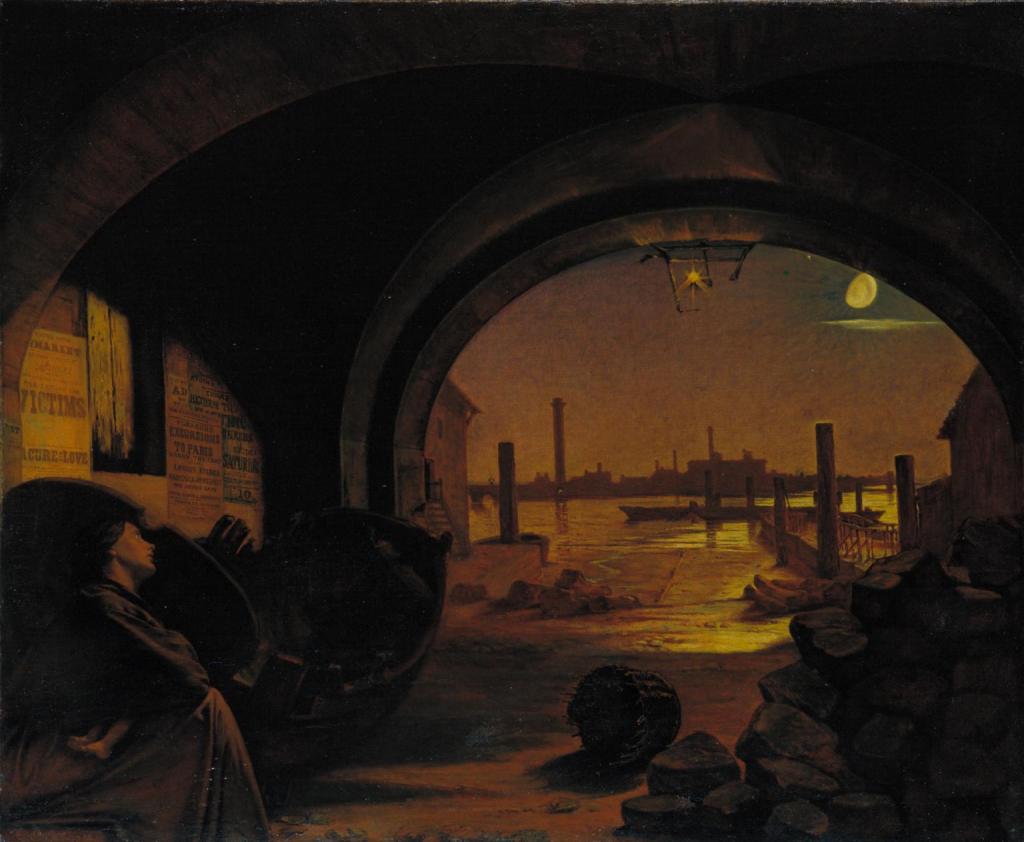
Past and present No. 3 – Despair

Unknown woman, formerly known as Florence Nightingale

Feria at Seville

The Love Letter, by 1863

The Travelling Companions oil on canvas 1862

The Life and Death of Buckingham: The Life of Buckingham, c. 1855

on this day in 1869, the Folies Bergère opened as the Folies Trévise, with light entertainment including operettas, comic opera, popular songs, and gymnastics. It became the Folies Bergère on 13 September 1872, named after nearby Rue Bergère (“bergère” means “shepherdess”). The house was at the height of its fame and popularity from the 1890s’ Belle Époque through the 1920s.
 | |
| Folies Bergère |
Revues featured extravagant costumes, sets and effects, and often nude women. In 1926, Josephine Baker, an African-American expatriate singer, dancer and entertainer, caused a sensation at the Folies Bergère by dancing in a costume consisting of a skirt made of a string of artificial bananas and little else.
The institution is still in business, and is still a strong symbol of French and Parisian life. Located at 32 rue Richer in the 9th Arrondissement, it was built by the architect Plumeret.
In 1882, Édouard Manet painted his well-known painting A Bar at the Folies-Bergère which depicts a bar-girl, one of the demimondaines, standing before a mirror.
In 1886, Édouard Marchand conceived a new genre of entertainment for the Folies Bergère: the music-hall revue. Women would be the heart of Marchand’s concept for the Folies. In the early 1890s, the American dancer Loie Fuller starred at the Folies Bergère.
Gallery

Costume, c. 1900
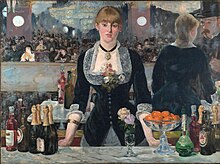
Manet’s A Bar at the Folies-Bergère

Today is the birthday of Oskar Zwintscher (2 May 1870, in Leipzig – 12 February 1916, in Dresden); painter. He is often associated with the Jugendstil movement.
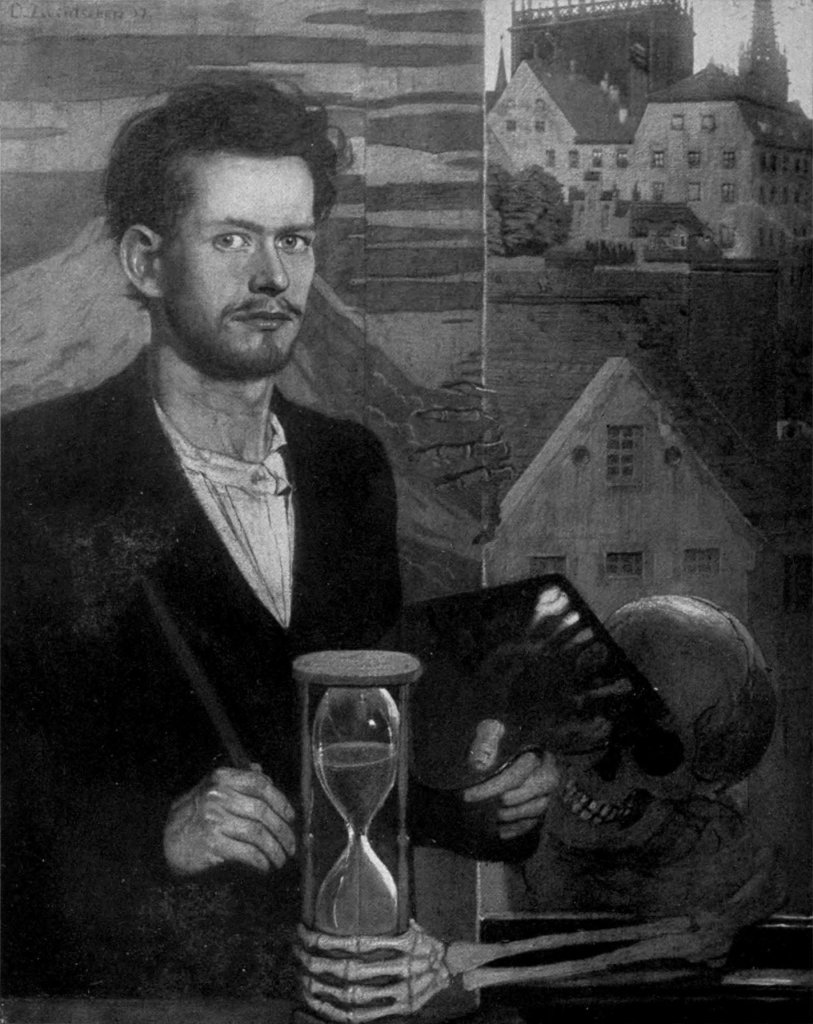
1897
In 1902, at the invitation of his friend Rainer Maria Rilke, he spent some time at the art colony in Worpswede. From 1903, he served as a professor at the Dresden Academy. He was described as thorough and pedantic and was an unshakable opponent of impressionism. Despite this, and his involvement with advertising, much of his work is openly erotic or has an eerie quality. His style has been likened to a contemporary version of Holbein or Cranach, but also contains elements of Art Nouveau.
He is buried in Loschwitz Cemetery. The figure on his grave (an ephebos with a lowered torch) was designed by Sascha Schneider.
gallery
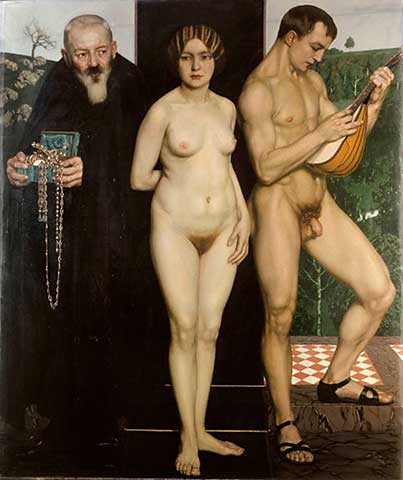
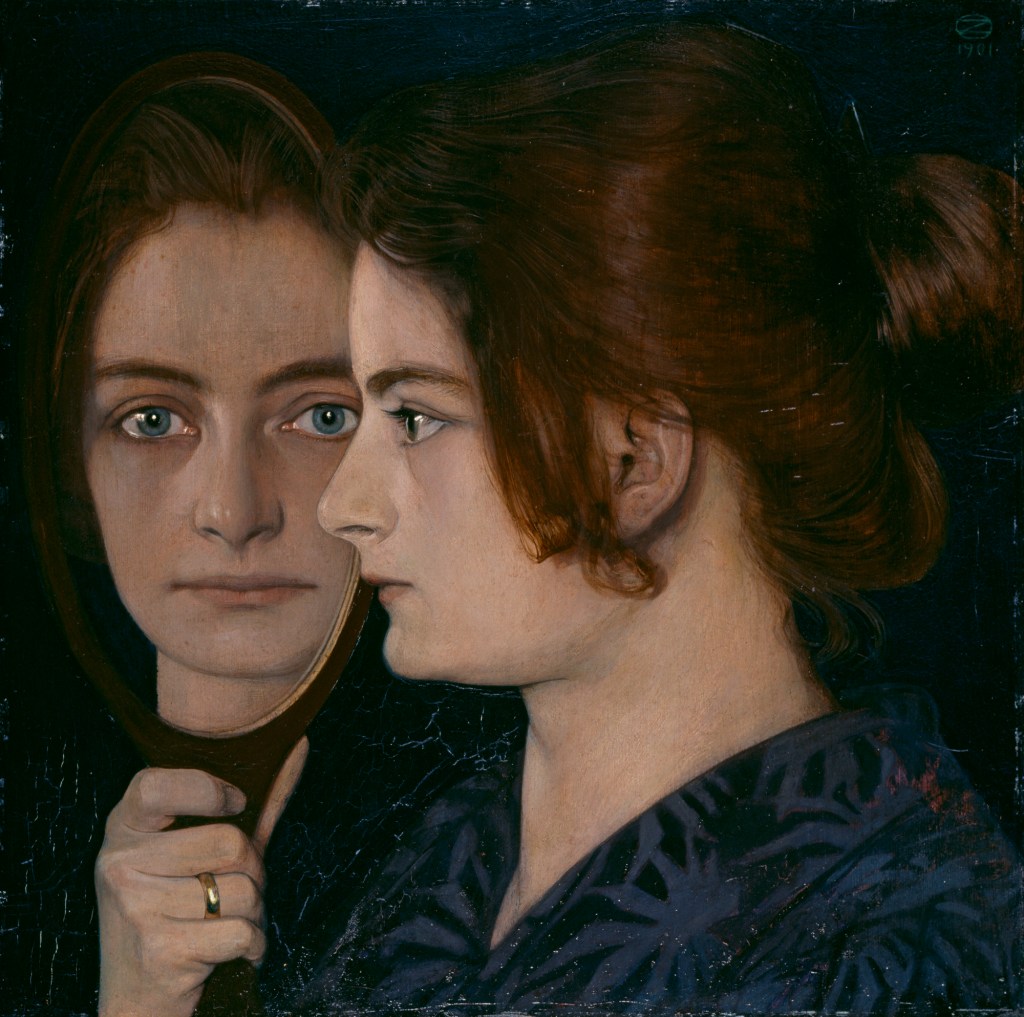


grief

Today is the birthday of Lorenz Hart (Lorenz Milton Hart; Harlem, May 2, 1895 – November 22, 1943 New York City); the lyricist half of the Broadway songwriting team Rodgers and Hart. Songs he wrote the lyrics to include; “Blue Moon,” “Mountain Greenery,” “The Lady Is a Tramp,” “Manhattan,” “Where or When,” “Bewitched, Bothered, and Bewildered,” “Falling in Love with Love,” “My Funny Valentine,” “I Could Write a Book”, “This Can’t Be Love”, “With a Song in My Heart”, “It Never Entered My Mind”, and “Isn’t It Romantic?”.
Hart lived with his widowed mother. He suffered from alcoholism, and would sometimes disappear for weeks at a time on alcoholic binges. Some of his lyrics might be confessional outpourings of a hopeless romantic who loathed his own body. Apparently, Hart, who stood just under five feet tall and wreathed himself in cigar smoke, saw himself as an undesirable freak. Homosexual in the era of the closet, he pursued a secretive and tormented erotic life of which only hints appear in his songs.
Hart suffered from depression throughout his life. His erratic behavior was often the cause of friction between him and Rodgers and led to a breakup of their partnership in 1943 before his death. Rodgers then began collaborating with Oscar Hammerstein II.
Devastated by the death of his mother seven months earlier, Hart died of pneumonia from exposure after drinking heavily. His remains are buried in Mount Zion Cemetery in Queens County, New York. The circumstances of his life were heavily edited and romanticized for the 1948 MGM biopic Words and Music.
Sample Lyrics
“Blue Moon” (1934)
- Blue Moon,
You saw me standing alone,
Without a dream in my heart,
Without a love of my own. - Blue Moon,
You knew just what I was there for,
You heard me saying a prayer for,
Someone I really could care for. - Blue Moon,
Now I’m no longer alone,
Without a dream in my heart,
Without a love of my own.
Mountain Greenery (1935)
- Bless our Mountain Greenery home!
In a mountain greenery
Where God paints the scenery
Just two crazy people together
“The Lady Is a Tramp” (1937)
- She gets too hungry for dinner at eight…
She likes a crap game, but never come late…
She’d never bother with people she hates…
That’s why the lady is a tramp.
Bewitched (1940)
- I’m wild again, beguiled again
A simpering, whimpering child again;
Bewitched, bothered and bewildered – am I. - Couldn’t sleep and wouldn’t sleep
When love came and told me, I shouldn’t sleep;
Bewitched, bothered and bewildered – am I.
I’m wild again! Beguiled again!
A simpering, whimpering child again,
Bewitched, bothered and bewildered am I.
Have You Met Miss Jones?
- And all at once I lost my breath
And all at once was scared to death
For all at once I owned the earth and sky.
Now I’ve met Miss Jones
We’ll keep on meeting till we die,
Yes, Miss Jones and I
today is the birthday of Philippe Halsman (Filips Halsmans; Riga, Russian Empire, now Latvia 2 May 1906 – 25 June 1979 New York City); portrait photographer.
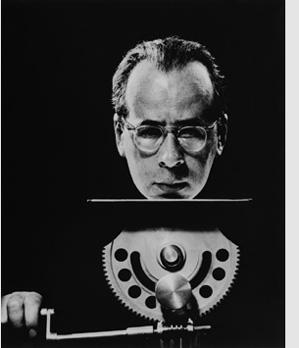
self portrait
In September 1928, 22-year-old Halsman was accused of his father’s murder while they were on a hiking trip in the Austrian Tyrol, an area rife with antisemitism. After a trial based on circumstantial evidence, he was sentenced to four years of prison. His family, friends and barristers worked for his release, getting support from Thomas Mann and various important European Jewish intellectuals including Sigmund Freud, Albert Einstein, Jakob Wassermann, Erich Fromm, Paul Painlevé, Heinrich Eduard Jacob and Rudolf Olden, who endorsed his innocence. Halsman spent two years in prison, where he contracted tuberculosis. His letters from prison were published as a book in 1930: Briefe aus der Haft an eine Freundin. He was pardoned by the President of Austria, Wilhelm Miklas, and released in October 1930.
Halsman left Austria for France, began contributing photographs to fashion magazines such as Vogue, and soon gained a reputation as one of the best portrait photographers in France, renowned for images that were sharp rather than in soft focus as was often used, and closely cropped. When France was invaded by Germany, Halsman fled to Marseille. He eventually managed to obtain a U.S. visa, aided by family friend Einstein (whom he later famously photographed in 1947).
Halsman had his first success in America when the cosmetics firm Elizabeth Arden used his image of model Constance Ford against the American flag in an advertising campaign for “Victory Red” lipstick. A year later, in 1942, he found work with Life magazine, photographing hat designs; a portrait of a model in a Lilly Daché hat was the first of his 101 covers for Life.
1941 Halsman met the surrealist artist Salvador Dalí; they began to collaborate in the late 1940s. The 1948 work Dalí Atomicus explores the idea of suspension, depicting three cats flying, a bucket of thrown water, and Dalí in mid air. The title of the photograph is a reference to Dalí’s work Leda Atomica which can be seen in the right of the photograph behind the two cats. Halsman reported that it took 28 attempts before a satisfactory result was achieved. Halsman and Dalí eventually released a compendium of their collaborations in the 1954 book Dali’s Mustache, which features 36 different views of the artist’s distinctive mustache. Another famous collaboration between the two was In Voluptas Mors, a surrealistic portrait of Dalí beside a tableau vivant of seven nude women posed to look like a large skull. Halsman took three hours to arrange the models according to a sketch by Dalí. HVarious re-enactments of and allusions to In Voluptas Mors have appeared over the years; most famously, a version was used subtly in the poster for the film The Silence of The Lambs, while an overt reenactment appeared on a promotional poster for The Descent.
Gallery
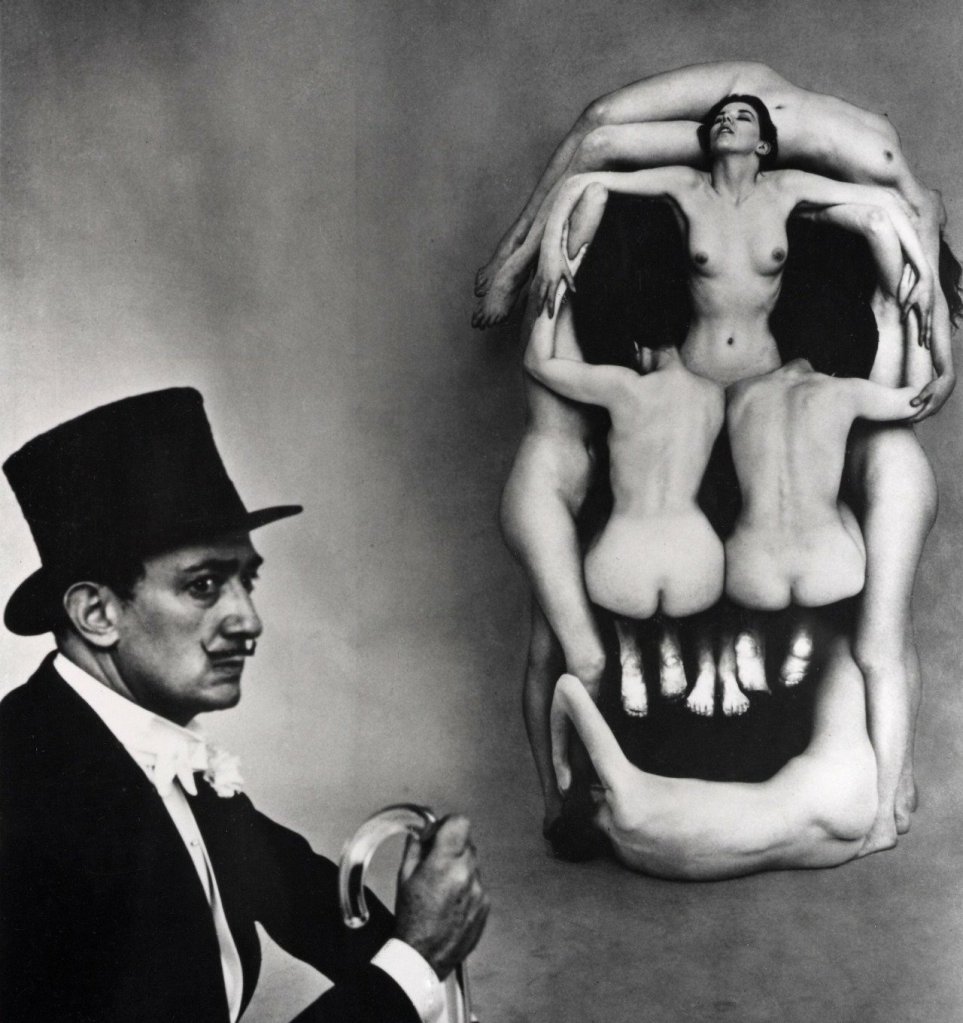
In Voluptas Mors Salvador Dali
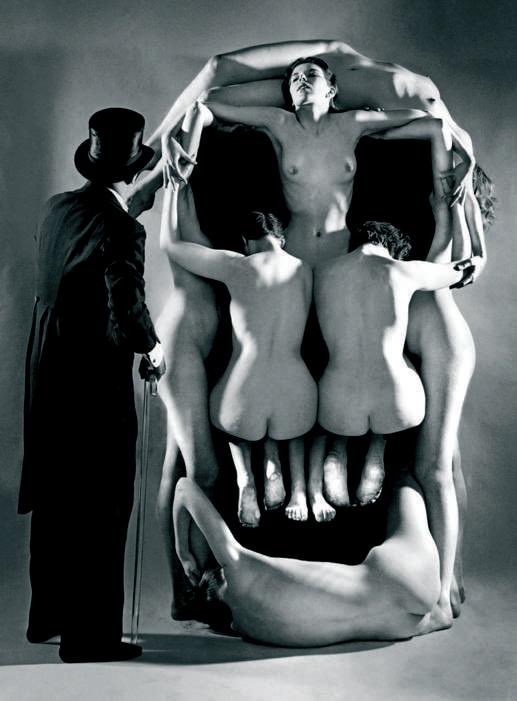
In Voluptas Mors

In Voluptas Mors Salvador Dali

In Voluptas Mors Salvador Dali

In Voluptas Mors Salvador Dali
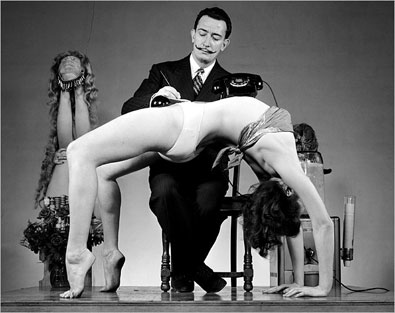
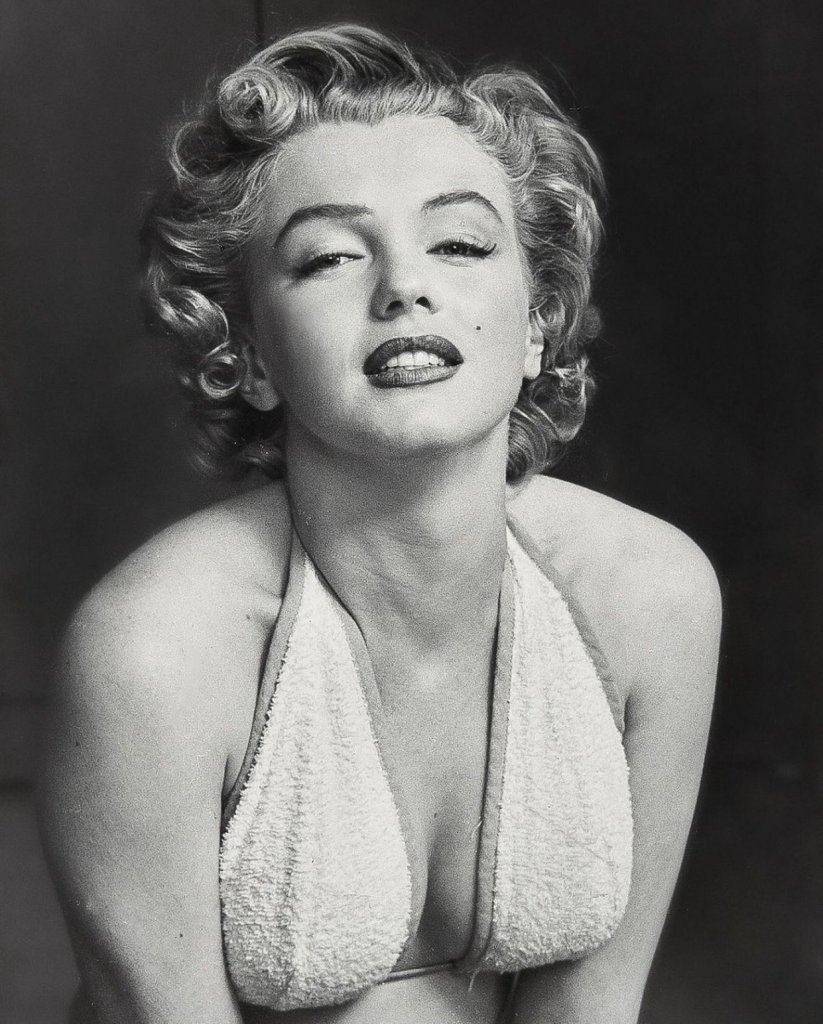
marilyn

grace Kelly
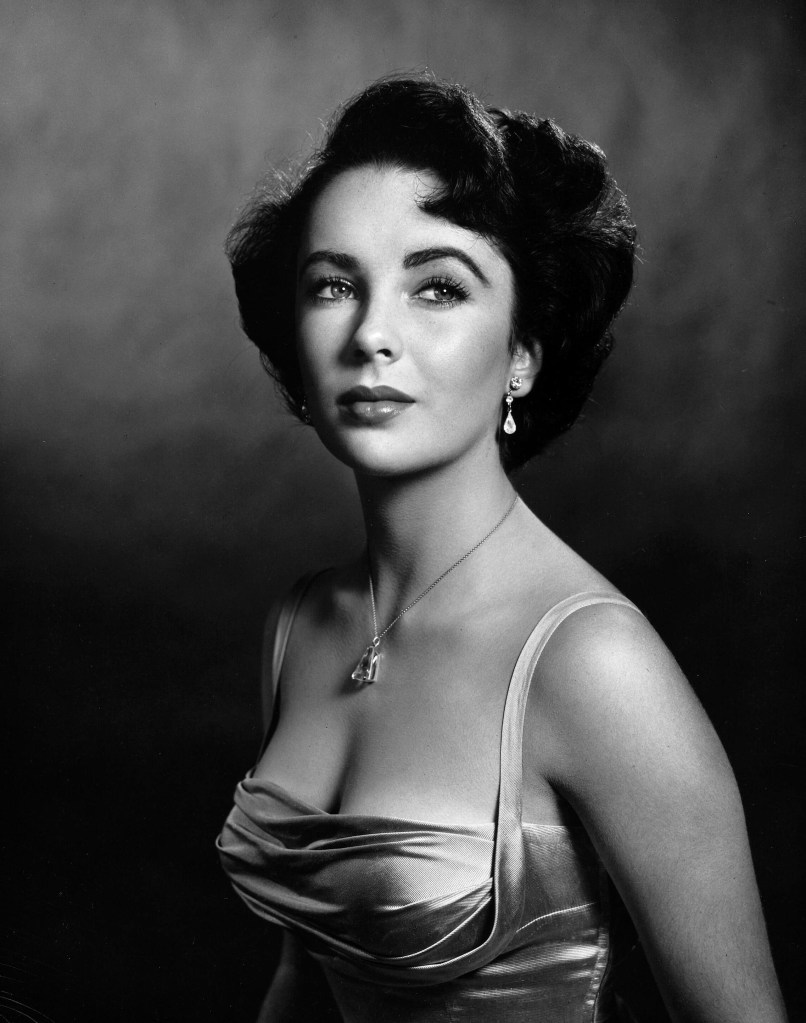
Elizabeth Taylor
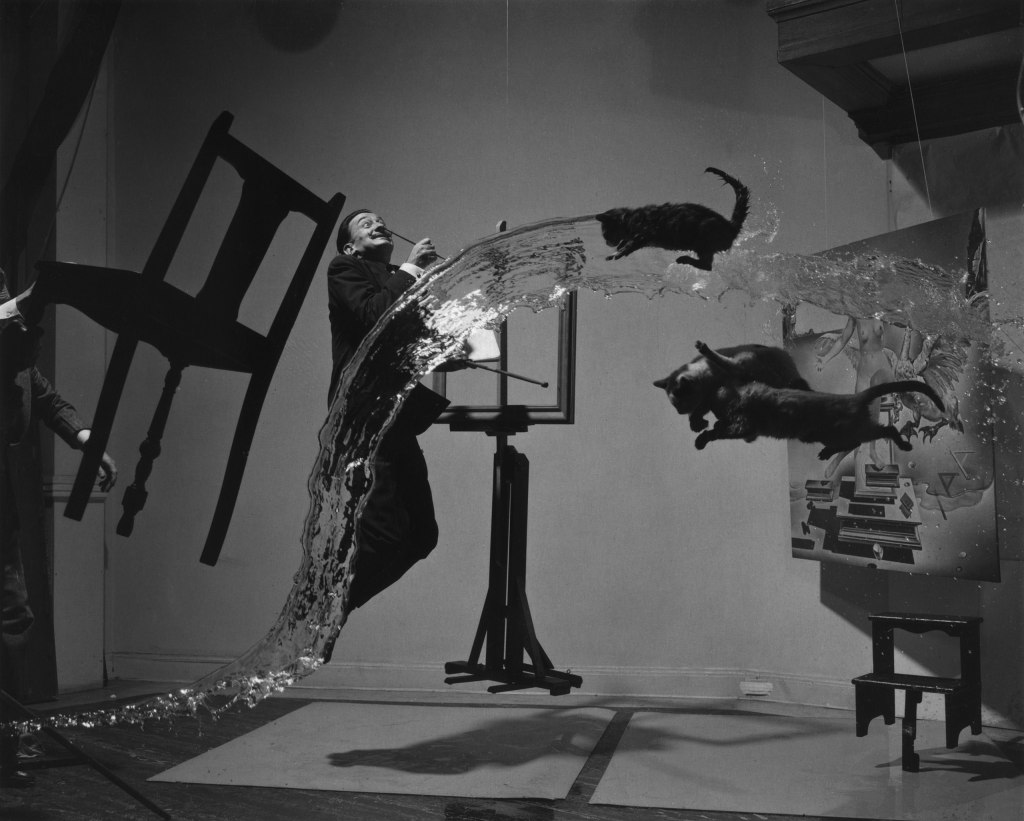
Dalí Atomicus (1948) by Halsman in an unretouched version, showing the devices which held up the various props and missing the painting in the frame on the easel.

And on this day in 1946 The Postman Always Rings Twice premiered, an American film noir directed by Tay Garnett and starring Lana Turner, John Garfield, and Cecil Kellaway. It is based on the 1934 novel of the same name by James M. Cain
thanks for stoppin’ by y’all
Mac tag
 The Lovers’ Chronicle
Leave a comment