
Dear Zazie, Here is today’s Lovers’ Chronicle from Mac Tag. Do you have a man or woman in the city? Rhett
The Lovers’ Chronicle
Dear Muse,
spectral dream…
-From sound asleep to dream state courtesy of a sudden chill in the room;
why is it so cold in here, he thinks, then opening his eyes, whoa where are we, this is not our bedroom
Did you say something dear, says the lovely redhead
looks like we are dreamin’ again, this is not our bed
Where are we
hold on, this is startin’ to look familiar, i think i have been here before, yeah, this is the Hunter's Lodge Motel in Paducah, Texas
Did you make that up
no, i stayed there on one of my long roadtrips, Paducah is a dyin’ little town just south of the Panhandle and east of the Llano Estacado and this motel originally was a funeral home and of course, reportedly haunted
Who we gonna call
ha, good one, no this probably has somethin’ to do with Ibsen’s birthday,
i was readin’ some lines from his play “Ghosts” today
Not sure which is worse, creepy ghosts or sad ghosts
you know i like ‘em all, and i agree with Ibsen’s character that says ghosts
are inside us all as old dead ideas and dead beliefs, not alive but dormant
What about ideas or beliefs that are not dead
you mean this one, a man lovin’ his woman
I was hoping you would say that
is there a do not disturb sign for ghosts

© copyright 2024 mac tag/cowboycoleridge all rights reserved
how convenient
we were just talkin’
about this at Frühlingsfest
“On a beautiful, if chilly day”
we saw some fine art
“But mostly of animals or things”
so it seems to me
the purpose of art
is to capture beauty
and there is but one
true example,
with all due respect
to what Mallarmé wrote
*as my hand moves over
your hair and down your back*
“Ooh that gave me chills”
© copyright 2023 mac tag/cowboycoleridge all rights reserved
thou offspring of blue on white, who after birth by my side remains, not to be snatched from thence by anyone, less wise than right, with this, expos’d for you to find, my ramblin’s should call to thee, i cast about, as one fit for light, thy visage in my sight, finest kind
© copyright 2022 mac tag/cowboycoleridge all rights reserved
found in you
all that could be wanted
in the brisk
slow surrender
of late winter,
your smile,
your eyes,
the curve
of your hip…
whatever else
my life is
with its movies
and verse
its music
and art
it matters most
with you in it
© 2021 mac tag/cowboycoleridge all rights reserved
Pale Love, Pale Rider
thus with you
whether stealin’ in dreams
or enterin’ memories
whichever,
i will have as may
as it shall be
for the soi-disant poète
and the femme triste
missin’
what is
whatever else
my life is
with its books
and verse
its music
and art,
it only matters
with you in it
© copyright 2020 mac tag/cowboy coleridge all rights reserved
in the brisk
slow surrender
of late winter,
think of you
your smile,
your eyes,
the curve
of your hip…
missin’
what was
whatever else
my life is
with its books
and verse
its music
and art
and wide
open spaces,
it only matters
with you in it
© copyright 2019 mac tag/cowboy coleridge all rights reserved
for Tamela
thus either
without you
or with you
whether stealin’ in dreams
or enterin’ memories
whichever,
i will have as may
as it shall be
for the soi-disant poet
and the Carolina woman
***
will brake;
for a smile
for good light
for verse that insists
on bein’ written
immediately

found this cool old hotel
on my recent road trip,
Hunter’s Lodge Motel
in Paducah, Texas
it used to be a funeral home
oh hell yes i stayed there
© copyright 2018 mac tag/cowboy coleridge all rights reserved
You say you are
damaged. Darlin’
all of us are
damaged. Comes down
to degrees and
whether you dwell
on it too much
***
He needed to write
He needed to fix
all the things in his
life that were broken
He needed to sleep
for a week. Well, one
outta three ain’t bad
© copyright 2015 mac tag/cowboy coleridge all rights reserved
Another from the archives. Hope you enjoy……
Woman in Carolina
Somewhere
a woman
has risen from sleep
startin’ her day
in the Carolinas
In the brisk
and slow surrender
of late winter,
I think of her
Her pretty smile,
her eyes, her grace,
her pert glances,
the curve of her hip…
it is to swoon
there is no question
How I miss this woman
I think of her
shinin’
to chase away
doubt and darkness
Whatever else
my life is
with its books
and its words
and its wide open spaces,
it is also this dazzlin’ donna
livin’ in Carolina,
capturin’ the light
© 2012 Cowboy Coleridge. All rights reserved
The Song of the Day is “Jet City Woman” by Queensrÿche. We do not own the rights to this song. All rights reserved by the rightful owner. No copyright infringement intended.
| Ovid | |
|---|---|
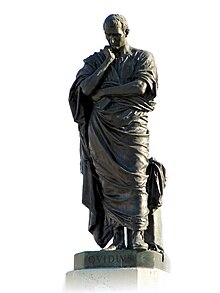 | |
Today is the birthday of Publius Ovidius Naso (Sulmo, Italy, Roman Republic 20 March 43 BC – AD 17/18 Tomis, Scythia Minor, Roman Empire), known as Ovid in the English-speaking world; Roman poet who lived during the reign of Augustus. He was a contemporary of the older Virgil and Horace, with whom he is often ranked as one of the three canonical poets of Latin literature. The Imperial scholar Quintilian considered him the last of the Latin love elegists. He enjoyed enormous popularity, but, in one of the mysteries of literary history, was sent by Augustus into exile in a remote province on the Black Sea, where he remained until his death. Ovid himself attributes his exile to carmen et error, “a poem and a mistake”, but his discretion in discussing the causes has resulted in much speculation among scholars.
The first major Roman poet to begin his career during the reign of Augustus, Ovid is perhaps best known for the Metamorphoses, a 15-book continuous mythological narrative written in the meter of epic, and for works in elegiac couplets such as Ars Amatoria (“The Art of Love”) and Fasti. His poetry was much imitated during Late Antiquity and the Middle Ages, and greatly influenced Western art and literature. The Metamorphoses remains one of the most important sources of classical mythology.
Verse
Remedia Amoris (The Cure for Love)
- Siquis amat quod amare iuvat, feliciter ardens
Gaudeat, et vento naviget ille suo.
At siquis male fert indignae regna puellae,
Ne pereat, nostrae sentiat artis opem.- Let him who loves, where love success may find,
Spread all his sails before the prosp’rous wind;
But let poor youths who female scorn endure,
And hopeless burn, repair to me for cure.- Lines 13-16
- Let him who loves, where love success may find,
- Principiis obsta; sero medicina paratur
Cum mala per longas convaluere moras.- Resist beginnings; the remedy comes too late when the disease has gained strength by long delays.
- Lines 91–92
- Resist beginnings; the remedy comes too late when the disease has gained strength by long delays.
- Qui finem quaeris amoris,
Cedit amor rebus; res age, tutus eris.- Love yields to business. If you seek a way out of love, be busy; you’ll be safe then.
- Lines 143–144
- Love yields to business. If you seek a way out of love, be busy; you’ll be safe then.
Amores (Love Affairs)
- Militat omnis amans
- Every lover is a soldier.
- Book I; ix, line 1
- Every lover is a soldier.
- Qui nolet fieri desidiosus, amet!
- Let who does not wish to be idle fall in love!
- Book I; ix, 46
- Let who does not wish to be idle fall in love!
- Procul omen abesto!
- Far away be that fate!
- Book I; xiv, 41
- Far away be that fate!
- Aequo animo poenam, qui meruere, ferunt.
- They bear punishment with equanimity who have earned it.
- Book II, vii, 12
- They bear punishment with equanimity who have earned it.
- Quod licet ingratum est. Quod non licet acrius urit.
- We take no pleasure in permitted joys.
But what’s forbidden is more keenly sought.- Book II; xix, 3
- We take no pleasure in permitted joys.
- Cui peccare licet, peccat minus.
- Who is allowed to sin, sins less.
- Book III, iv
- Who is allowed to sin, sins less.
- Nitimur in vetitum semper, cupimusque negata.
- We are ever striving after what is forbidden, and coveting what is denied us.
- Variant translation:
We hunt for things unlawful with swift feet,
As if forbidden joys were only sweet.- Book III; iv, 17
- Sic ego nec sine te nec tecum vivere possum.
- So I can’t live either without you or with you.
- Variant translation: Thus, I can neither live without you nor with you.
- Book III; xib, 39
Ars Amatoria (The Art of Love)
- Spectatum veniunt, veniunt spectentur ut ipsae.
- They come to see; they come that they themselves may be seen.
- Book I, 99
- They come to see; they come that they themselves may be seen.
- Nocte latent mendae, vitioque ignoscitur omni,
Horaque formosam quamlibet illa facit.- Blemishes are hid by night and every fault forgiven; darkness makes any woman fair.
- Book I, 249–250
- Blemishes are hid by night and every fault forgiven; darkness makes any woman fair.
- Iuppiter ex alto periuria ridet amantum.
- Jupiter from above laughs at lovers’ perjuries.
- Book I, 633
- Jupiter from above laughs at lovers’ perjuries.
- Expedit esse deos, et, ut expedit, esse putemus.
- It is convenient that there be gods, and, as it is convenient, let us believe that there are.
- Book I, 637
- It is convenient that there be gods, and, as it is convenient, let us believe that there are.
- Intret amicitiae nomine tectus amor.
- Let love steal in disguised as friendship.
- Variant: Love will enter cloaked in friendship’s name.
- Book I, line 720; translated by J. Lewis May in The Love Books of Ovid, 1930
- Ut ameris, amabilis esto.
- If you want to be loved, be lovable.
- Variant: To be loved, be lovable.
- Book II, 107
- Pauperibus vates ego sum, quia pauper amavi;
Cum dare non possem munera, verba dabam.- I am the poor man’s poet; because I am poor myself and I have known what it is to be in love. Not being able to pay them in presents, I pay my mistresses in poetry.
- Book II, lines 165-166; translation by J. Lewis May
- I am the poor man’s poet; because I am poor myself and I have known what it is to be in love. Not being able to pay them in presents, I pay my mistresses in poetry.
- Cede repugnanti; cedendo victor abibis.
- Yield to the opposer, by yielding you will obtain the victory.
- Book II, 197
- Yield to the opposer, by yielding you will obtain the victory.
- Militiae species amor est.
- Love is a kind of warfare.
- Book II, line 233
- Love is a kind of warfare.
- Da requiem: requietus ager bene credita reddit
- Grant a respite: a rested field gives a better return.
- Book II, line 351 [1]
- Grant a respite: a rested field gives a better return.
- Nil adsuetudine maius.
- Nothing is stronger than habit.
- Variant translations: Nothing is more powerful than custom.
- Book II, 345
- Continua messe senescit ager.
- A field becomes exhausted by constant tillage.
- Book III, 82
- A field becomes exhausted by constant tillage.
- Candida pax homines, trux decet ira feras.
- Let white-robed peace be man’s divinity; rage and ferocity are of the beast.
- Book III, 502
- Let white-robed peace be man’s divinity; rage and ferocity are of the beast.
- Casus ubique valet; semper tibi pendeat hamus
Quo minime credas gurgite, piscis erit.- Chance is always powerful. Let your hook always be cast; in the pool where you least expect it, there will be fish.
- Book III, 425
- Chance is always powerful. Let your hook always be cast; in the pool where you least expect it, there will be fish.
Today is the birthday of Henrik Ibsen (Henrik Johan Ibsen; Skien, Telemark, Norway 20 March 1828 – 23 May 1906 Kristiania, Norway (modern Oslo)); playwright and theatre director. As one of the founders of modernism in theatre, Ibsen is often referred to as “the father of realism” and, in my opinion, one of the most influential playwrights of his time, as well of one of the most influential playwrights in Western literature more generally. His major works include Brand, Peer Gynt, An Enemy of the People, Emperor and Galilean, A Doll’s House, Hedda Gabler, Ghosts, The Wild Duck, When We Dead Awaken, Rosmersholm, and The Master Builder.

Portrait by Eilif Peterssen, 1895
Ibsen’s early poetic and cinematic play Peer Gynt has strong surreal elements. After Peer Gynt Ibsen abandoned verse and wrote in realistic prose. Several of his later dramas were considered scandalous to many of his era, when European theatre was expected to model strict morals of family life and propriety. Ibsen’s later work examined the realities that lay behind the façades, revealing much that was disquieting to a number of his contemporaries. He had a critical eye and conducted a free inquiry into the conditions of life and issues of morality. Ibsen regarded Emperor and Galilean as his masterpiece.
He influenced other playwrights and novelists such as George Bernard Shaw, Oscar Wilde, and James Joyce. Shaw claimed that the new naturalism of Ibsen’s plays had made Shakespeare obsolete.
Ibsen became engaged to Suzannah Thoresen in January 1856 and they were married in June 1858.
Suzannah encouraged him to write his plays even when he had lost hope as well as when he wished to divert his attention to painting. She apparently forced the pen into his hand at times, and she was the inspiration for many of Ibsen’s famous characters, including Mrs Alving from Ghosts, Nora from A Doll’s House, and Mother Åse from Peer Gynt. Suzannah was so like the characters she inspired in fact, that when Ibsen read Peer Gynt to his family and reached Mother Åse’s lines, their son Sigurd cried out “But that’s Mama!”).
A Doll’s House (1879)
- Nora.’Look here, Doctor Rank – you know you want to live.
- Rank.’Certainly. However wretched I may feel, I want to prolong the agony as long as possible.”
- Act I
- I don’t know whether you find also in your part of the world that there are certain people who go zealously snuffing about to smell out moral corruption, and, as soon as they have found some, put the person concerned into some lucrative position where they can keep their eye on him. Healthy natures are left out in the cold.
- Dr. Rank, Act I
- What’s to become of the morally sound? Left out in the cold, I suppose. We must heal the sick.
- Dr. Rank, Act I
- Many a man can save himself if he admits he’s done wrong and takes his punishment.
- Torvald Helmer, Act I
- Jeg har en sånn umåtelig lyst til å si: død og pine.
- I’ve the most extraordinary longing to say ‘Bloody Hell’!
- Nora Helmer, Act I
- You don’t get nothing for nothing in this life.
- Dr. Rank, Act III
- There is a big black hat and it makes you invisible. Have you heard of that hat? You put it on and then no one can see you.
- Dr. Rank, Act III, speaking of death
- The black, cold, icy water. Down and down, without end — if it would only end.
- Nora Helmer, Act III
- But our home’s been nothing but a playpen. I’ve been your doll-wife here, just as at home I was Papa’s doll-child. And in turn the children have been my dolls. I thought it fun when you played with me, just as they thought it fun when I played with them. That’s been our marriage, Torvald.
- Nora Helmer, Act III
- Variant translation: Our home has been nothing but a playroom. I have been your doll-wife, just as at home I was papa’s doll-child; and here the children have been my dolls. I thought it great fun when you played with me, just as they thought it great fun when I played with them. That is what our marriage has been, Torvald.
- If I’m ever to reach any understanding of myself and the things around me, I must learn to stand alone.That’s why I can’t stay here with you any longer.
- Nora Helmer, Act III
- I have other duties equally sacred … Duties to myself.
- Nora Helmer, Act III
- Variant translation: I have another duty equally sacred … My duty to myself.
- Helmer: First and foremost, you are a wife and mother.
Nora: That I don’t believe any more. I believe that first and foremost I am an individual, just as you are.
Ghosts (1881)
- To crave for happiness in this world is simply to be possessed by a spirit of revolt. What right have we to happiness?
- Manders, Act I
- I am half inclined to think we are all ghosts, Mr. Manders. It is not only what we have inherited from our fathers and mothers that exists again in us, but all sorts of old dead ideas and all kinds of old dead beliefs and things of that kind. They are not actually alive in us; but there they are dormant, all the same, and we can never be rid of them. Whenever I take up a newspaper and read it, I fancy I see ghosts creeping between the lines. There must be ghosts all over the world. They must be as countless as the grains of the sands, it seems to me. And we are so miserably afraid of the light, all of us.
- Mrs. Alving, Act II
Today is the birthday of Edward Poynter (Edward John Poynter; Paris 20 March 1836 in Paris – 26 July 1919 in London); painter, designer, and draughtsman who served as President of the Royal Academy.

Edward Poynter (Alphonse Legros)
In 1866 Poynter married one of the lovely and talented MacDonald sisters, Agnes. Poynter appeared to be a manic depressive and he would paint continuously until finally collapsing when a work was finished. He was unemotional and it was Agnes who supplied the affection in their household. He later produced paintings of two of her sisters.
Gallery
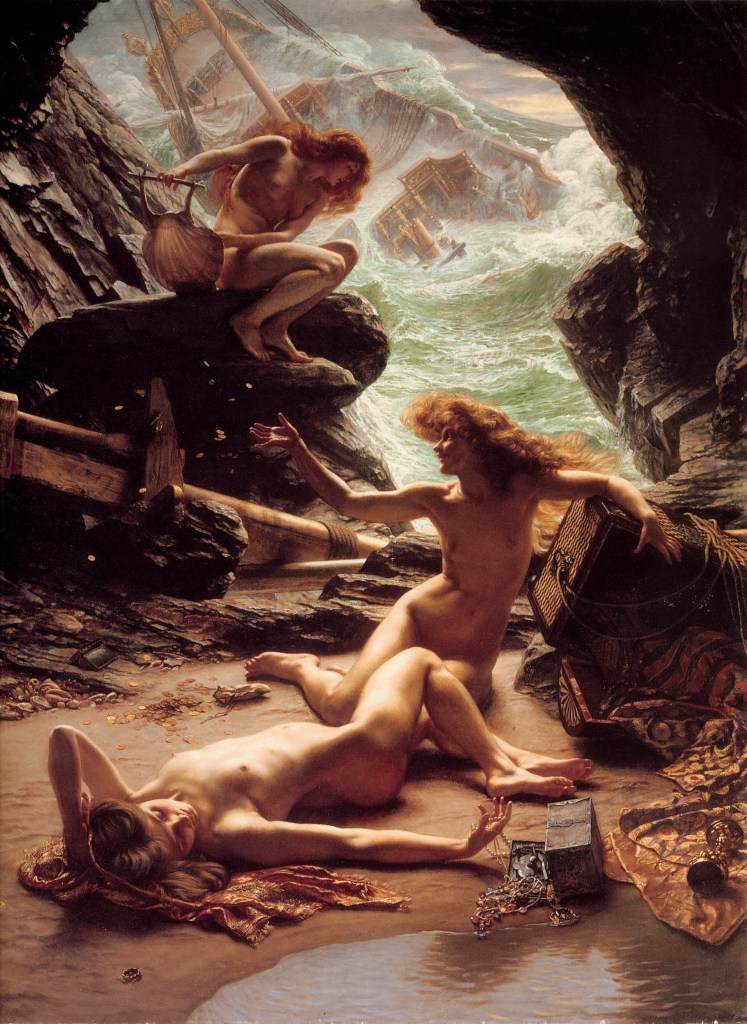
The Cave of the Storm Nymphs (1903)

*oil on canvas
*82 x 56 cm
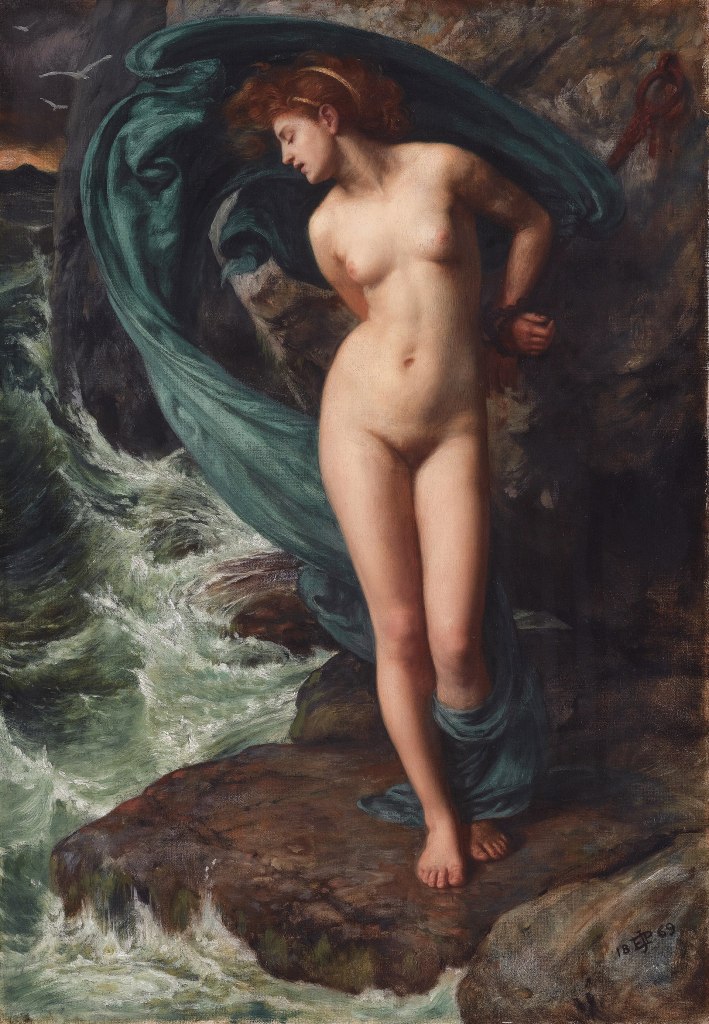
Andromeda 1869
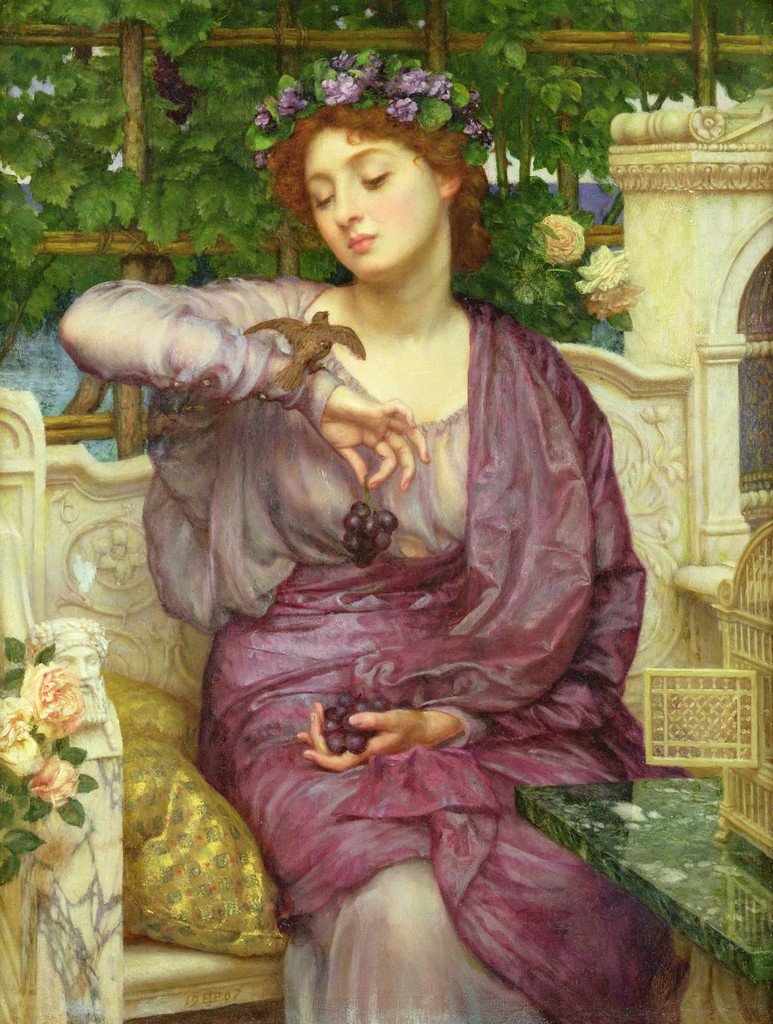

The Siren (1864)

At Low Tide

Wild Blossoms (c. 1880)
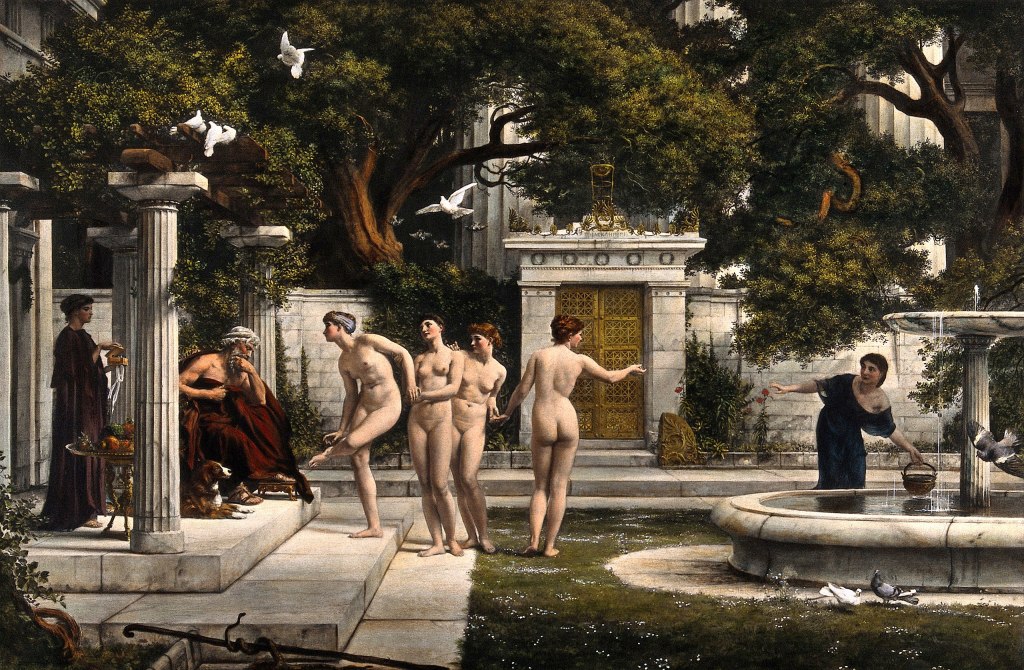
Women Consulting Aesculapius

Portrait of Lillie Langtry, 1878

Barine (1894)
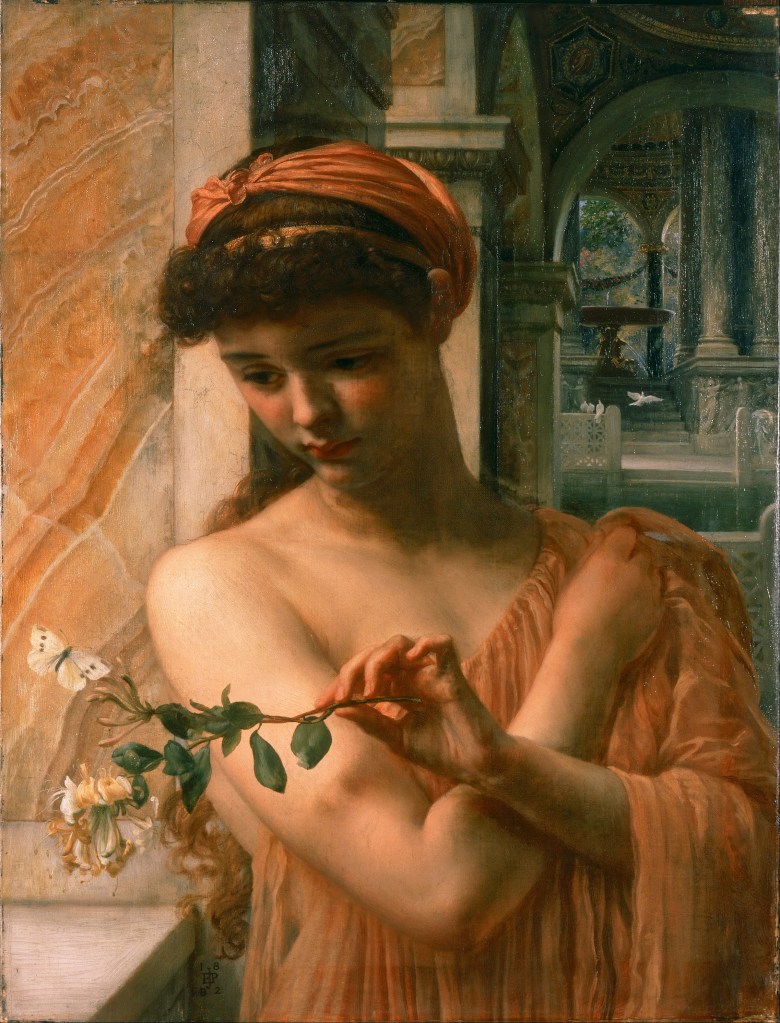
Psyche in the Temple of Love
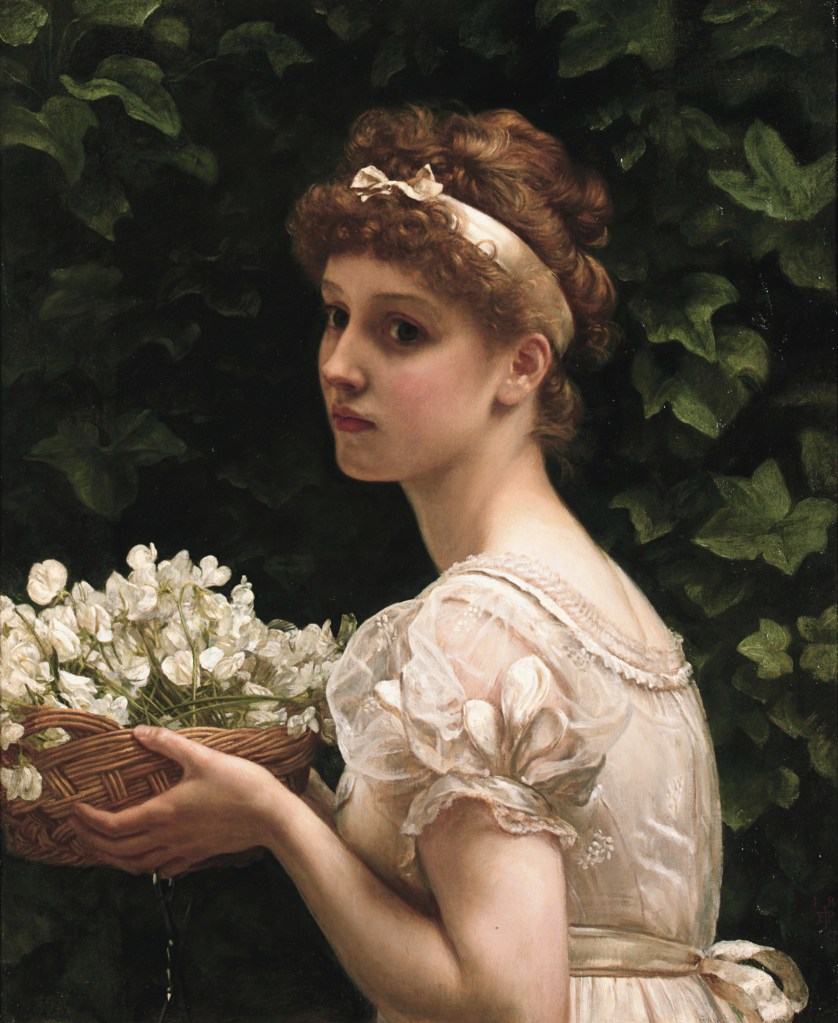
Pea Blossoms
| John Lavery | |
|---|---|
 | |
Today is the birthday of John Lavery (Belfast 20 March 1856 – 10 January 1941 Kilmoganny, County Kilkenny); painter best known for his portraits and wartime depictions.
Lavery’s first wife, Kathleen MacDermott, whom he married in 1889, died of tuberculosis in 1891. After eight years as a widower, he remarried. In 1909, Lavery married Hazel Martyn (1886–1935), an Irish-American known for her beauty and poise; with her he had one step-daughter, Alice Trudeau (Mrs. Jack McEnery). Hazel Lavery was to figure in more than 400 of her husband’s paintings. Hazel Lavery modelled for the allegorical figure of Ireland he painted on commission from the Irish government, reproduced on Irish banknotes from 1928 until 1975 and then as a watermark until the introduction of the Euro in 2002. The Laverys’ marriage was tempestuous, and Lady Lavery reportedly was unfaithful.
Sir John Lavery died in Rossenarra House from natural causes, and was interred in Putney Vale Cemetery.
Gallery
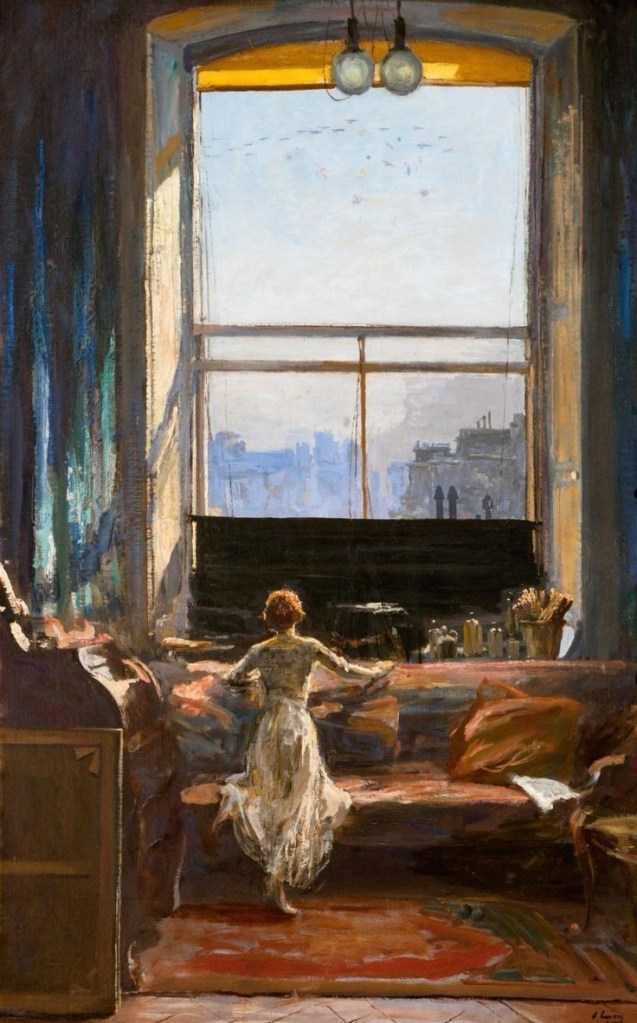


1923 Portrait of Hazel Lavery. Began in 1892 as a portrait of Mary Burrell
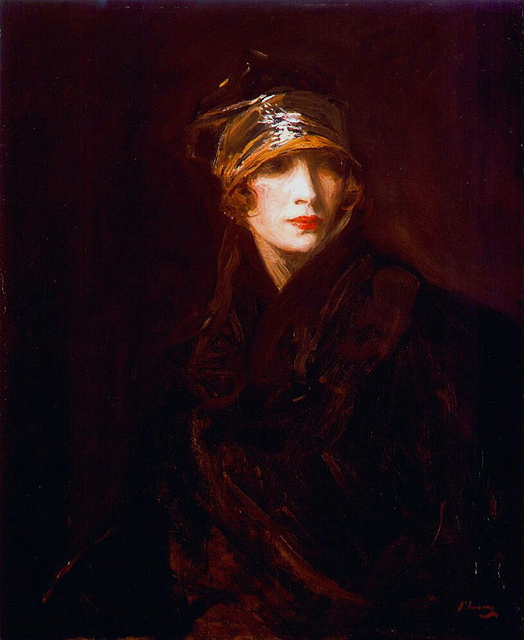
Woman with golden turban, Hazel Lavery née Hazel Martyn

Portrait of Mrs Burrell

Lady Lavery

A Rally, 1885


On the Riviera
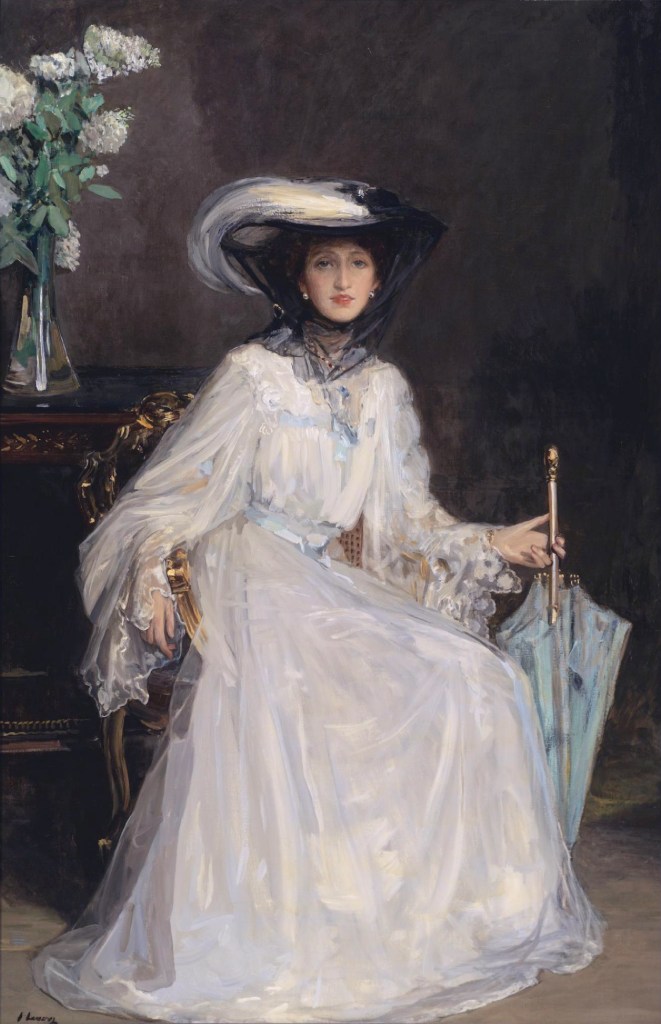
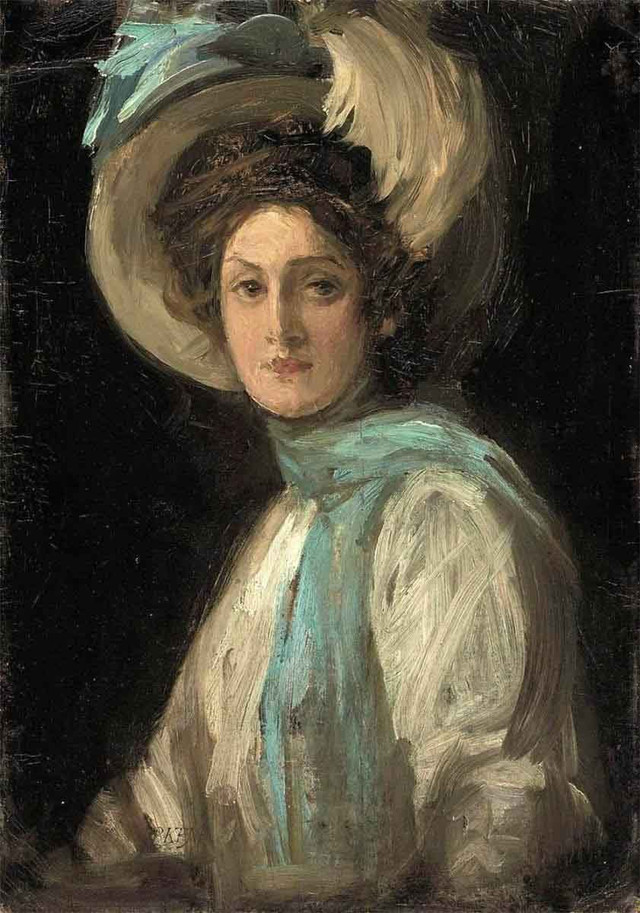
“A family legend identifies the Lady in Blue and White as Lavery’s first wife, Kathleen MacDermott
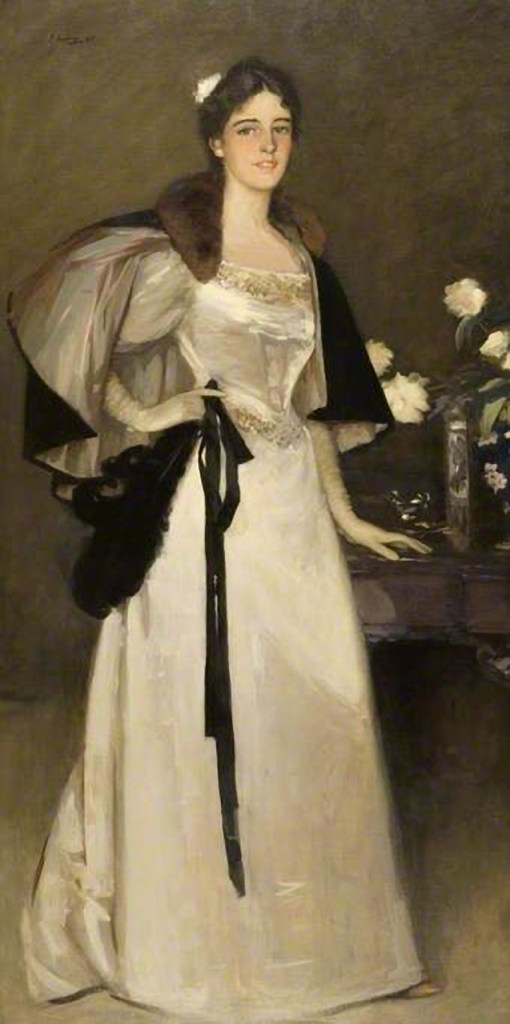
Miss Mary Burrell

Mrs Ralph Peto as a Bacchante

Today is the birthday of André Utter (Paris 20 March 1886 – 7 February 1948); painter. He was born to parents of Alsatian origin. Perhaps best known for having been the second husband and manager of French painter Suzanne Valadon and the step-father of her son, Maurice Utrillo. The trio have also been called the trinité maudite (cursed trinity) because of their quarrels, reconciliations, and alcoholism.

In 1906, Utter was introduced to Valadon by his friend Utrillo, her son. Utter became her first male model, posing nude for her from 1909 to 1914. He is portrayed as Adam in Valadon’s 1909 painting Adam et Ève.
Utter became Valadon’s lover in 1913. The couple married shortly before Utter was drafted into World War I in 1914. When he returned to civilian life in 1918, he took over the management of the careers of both Valadon and Utrillo.
In 1934, the couple divorced; nonetheless, he remained part of her life until she died four years later. He is buried with Valadon in the Saint Ouen cemetery in Paris.
Gallery
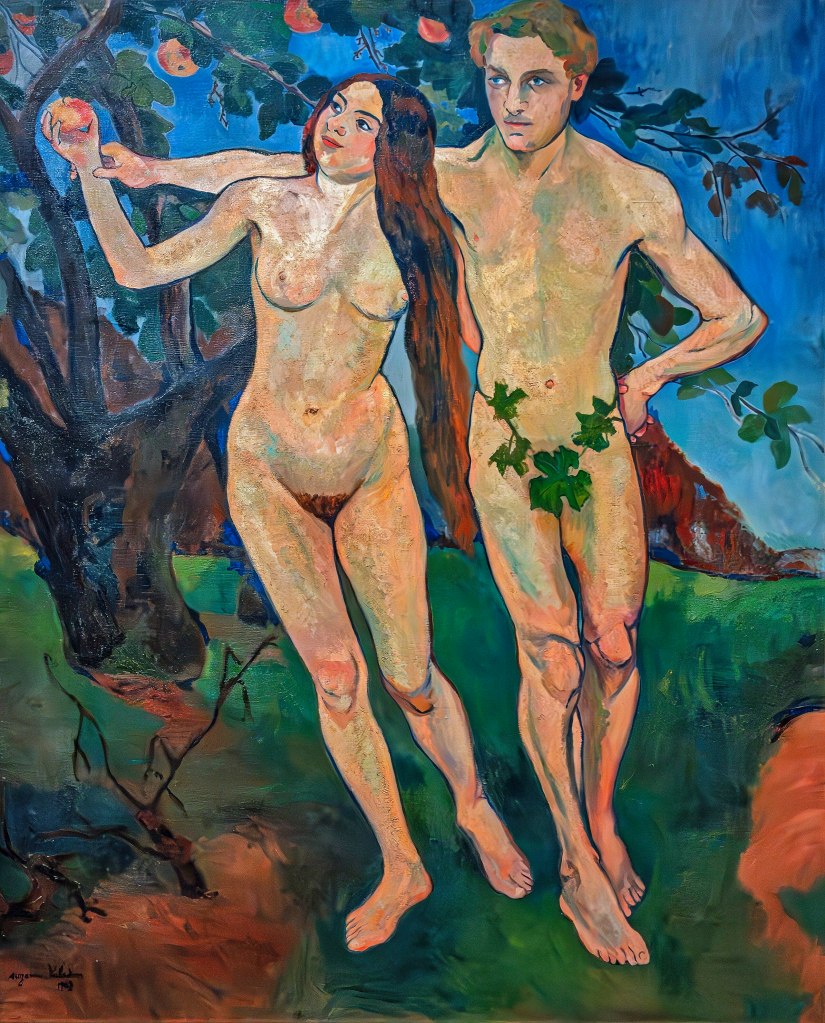
Adam et Eve (1909)

“Suzanne Valadon se coiffant”, 1913
Huile sur toile
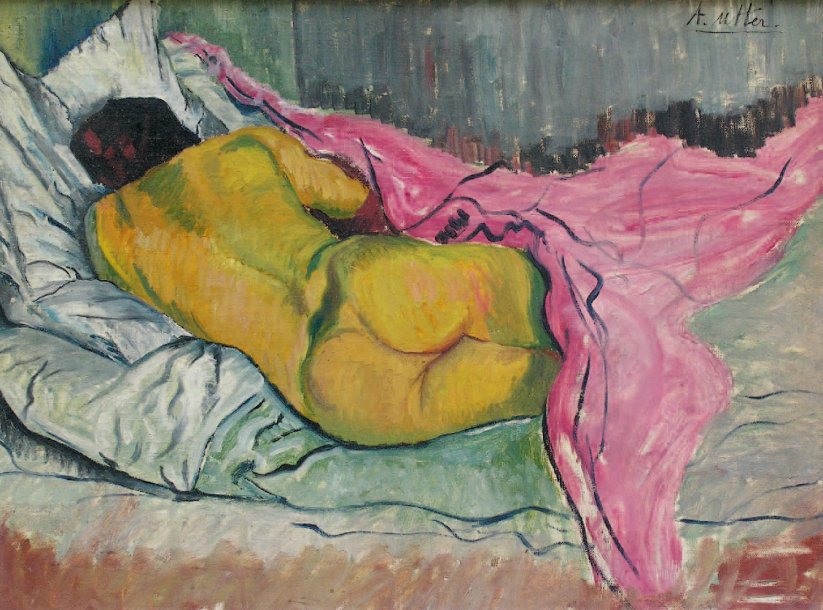
Suzanne Valadon
Huile sur toile
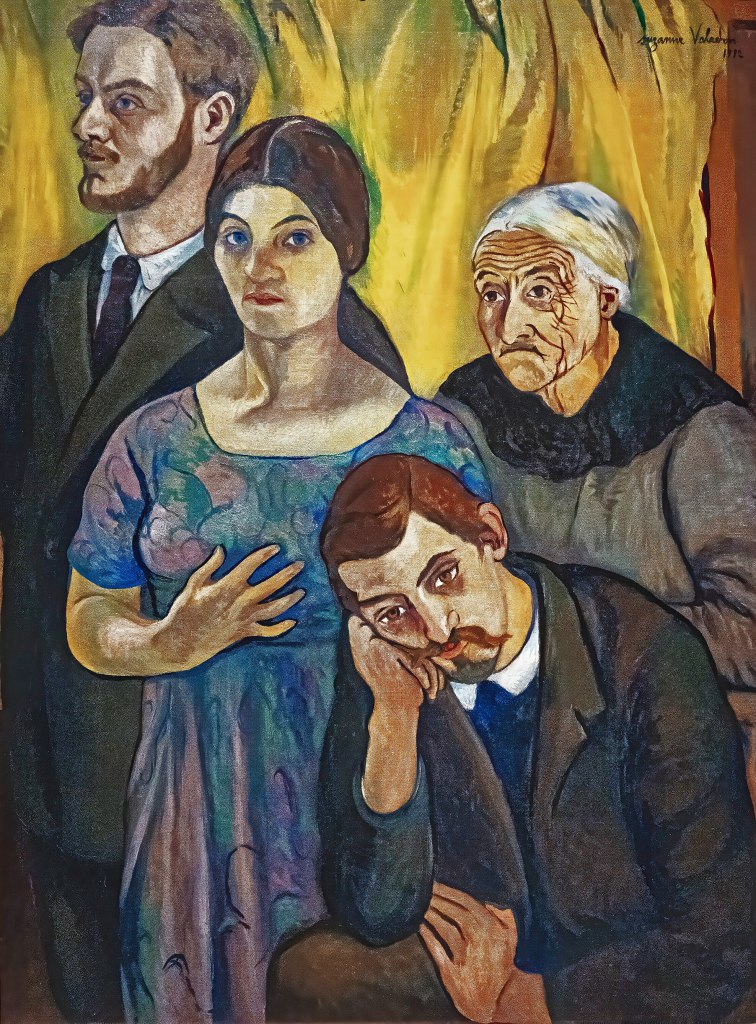

Ritratto di Suzanne Valadon (1936)
And today is the birthday of Mary Ellen Mark (Elkins Park, Pennsylvania; March 20, 1940 – May 25, 2015 Manhattan); photographer known for her photojournalism, documentary photography, portraiture, and advertising photography. She photographed people who were “away from mainstream society and toward its more interesting, often troubled fringes”.

Mark had 21 collections of her work published, most notably Streetwise and Ward 81. Her work was exhibited at galleries and museums worldwide and widely published in Life, Rolling Stone, The New Yorker, New York Times, and Vanity Fair. She was a member of Magnum Photos between 1977 and 1981. She received numerous accolades, including three Robert F. Kennedy Journalism Awards, three fellowships from the National Endowment for the Arts, the 2014 Lifetime Achievement in Photography Award from the George Eastman House and the Outstanding Contribution Photography Award from the World Photography Organisation.
Mark and her husband Martin Bell worked on the documentary film Streetwise together. The film was based on Mark’s photographic essay “Streets of the Lost” made on assignment for Life magazine with writer Cheryl McCall.
Gallery

dita von tesse


Upper East Side, NYC. Women’s Bar (1977)
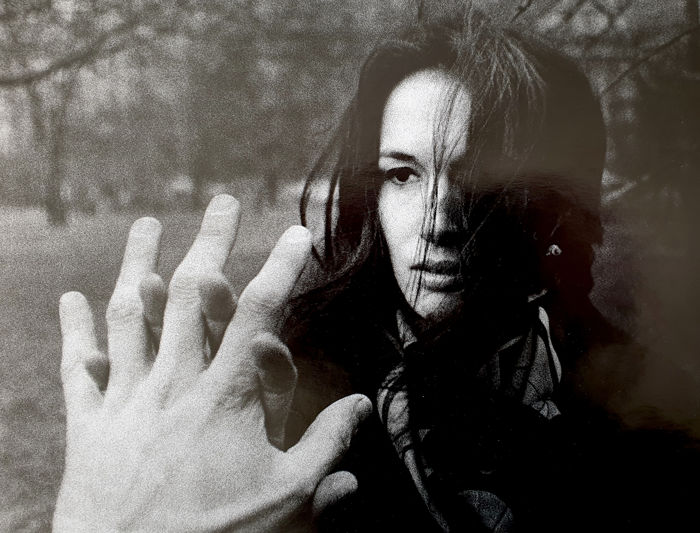
thanks for stoppin’ by y’all
mac tag
 The Lovers’ Chronicle
Leave a comment