Dear Zazie, Here is today’s Lovers’ Chronicle from Mac Tag dedicated to his muse. Follow us on twitter @cowboycoleridge. Are you a seeker? What or who are you seekin’? Rhett
The Lovers’ Chronicle
Dear Muse,
dream seeker…
-Floating in the between worlds of dream and sleep,
a song “The Seeker” by the Who pulls him in;
nice, one of my favorites, but wait, i also hear
road noise, like from the open moon roof of a car,
hey cool, i am drivin’ the Audi, cruise set on ninety,
two lane blacktop, compass shows a headin’ of west,
this is a place where i belong, only thing missin’;
Hello my love, says the radiant redhead
as she appears in the passenger seat
hey bebe welcome to my road trip dream
Where are we going
headed west my dear, seekin’ the sunset
somewhere on the high plains
They call us the seekers, she says
yes, at the moment, for good light and music
Guess you had sirius xm radio on your road trips,
otherwise way out here good music’s hard to find
yes, just about everything out here is scarce,
but light is plentiful and the words
began to flow and come together here
Did you think this song was your destiny, she asks
yes, that i would die without findin’ what we have,
now lets keep on seekin’ good light and good livin’

© copyright 2024.2025 mac tag/cowboycoleridge all rights reserved
another recurrin’ theme
“Of many things”
yes, of streams of words
of light, of consciousness
“Where did this one come from”
the Who song
“I thought so”
Pete was “searching high and low”
and it struck me at the time, that
i would end up like the song,
not findin’ it till the day i died
but now they can call me
the seeker and finder
© copyright 2023 mac tag/cowboycoleridge all rights reserved
awhile back made a list of things sought, want to go back to that now, to expand on somethin’ on the list, the american dream; marriage, house, nine to five job, suit and tie, actually kinda liked that part, have always had a tendency to overdress; thought i had to have it all, thought i was supposed to have it, wish someone would go back and tell that ignorant kid, there could be another way, with the caveat that i would end up here, writin’ for you

© copyright 2022.2024 mac tag/cowboycoleridge all rights reserved
this thing that we sought steadfastly
we cared not whither, known at last
who shall be at length the giver
for this, — our life and all our years
are cast upon the vision and our hearts
are as our hands that steer and things
that we dreamed not, unfold before us
© copyright 2021 mac tag/cowboy coleridge all rights reserved
Pale Love, Pale Rider
we could put on the resume;
an expert in
absolutely
shall we make a list
in no particular order,
the american dream, the one
books, records, movies, purpose
boots, hats, wide open highways
big skies, the sun, comin’ or goin’
everything fine, food, liquor
words, verse, my voice, myself
and somethin’ i could not define
woulda been easier to say everything
yep
noticed what was not included
if you mean love or truth or hope
or anything else of that ilk,
there were times you could say
we were seekin’ one or more
of ´em but we were so damn
dumb, and those searches
led to nothin’ but trouble
ok, agree just checkin’
now, some mezcal and pizza
now you are seekin’

© copyright 2020.2024 mac tag/cowboy coleridge all rights reserved
verse maker,
dreamer,
wanderin’ by,
a seeker, on whom
the pale moon gleams
we are it seems, in wonder
we build out of a story
we fashion
with a new song’s
measure
out of the past
with our sighin’,
with our mirth
our inspiration
for what is comin’
our dreamin’
seemin’ possible
© copyright 2019 mac tag/cowboy coleridge all rights reserved
ask why, the woman
with the broken smile
“Because I am damaged.”
darlin’, we all are
and that is not what i see
come we will seek
and we will find
what lies within
© copyright 2018 mac tag/cowboy coleridge all rights reserved
verse maker
dreamer
son of a son
of the High Plains
solitary soul
seeker of streams
of words, of light,
of consciousness,
and of course
the mountain kind
© copyright 2017 mac tag/cowboy Coleridge all rights reserved
Solitude. Not
fit to be with
anyone or
in anything
Fought it. But no
more. Now embraced
Alone. Solo
© copyright 2015 mac tag/cowboy Coleridge all rights reserved
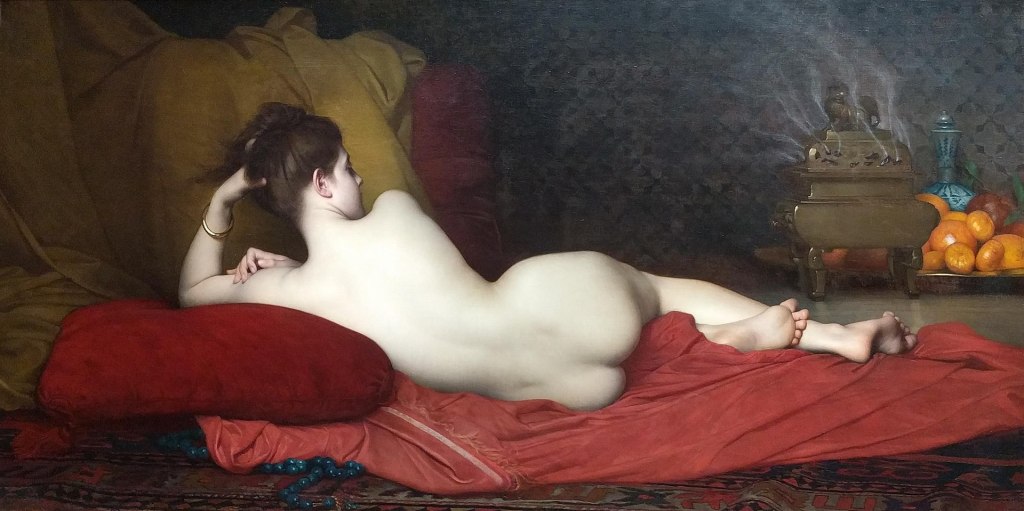
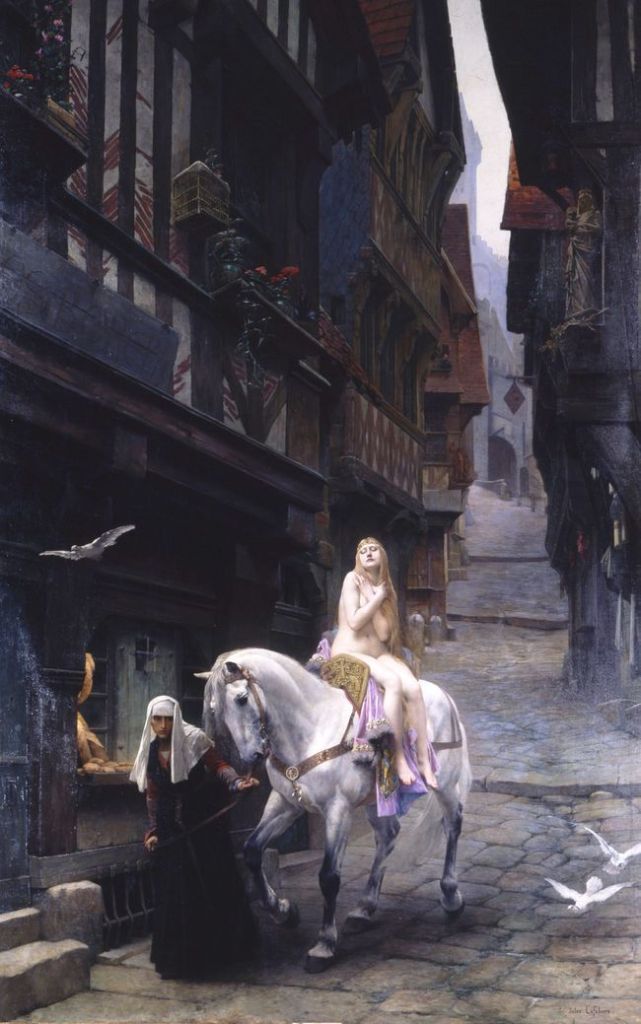
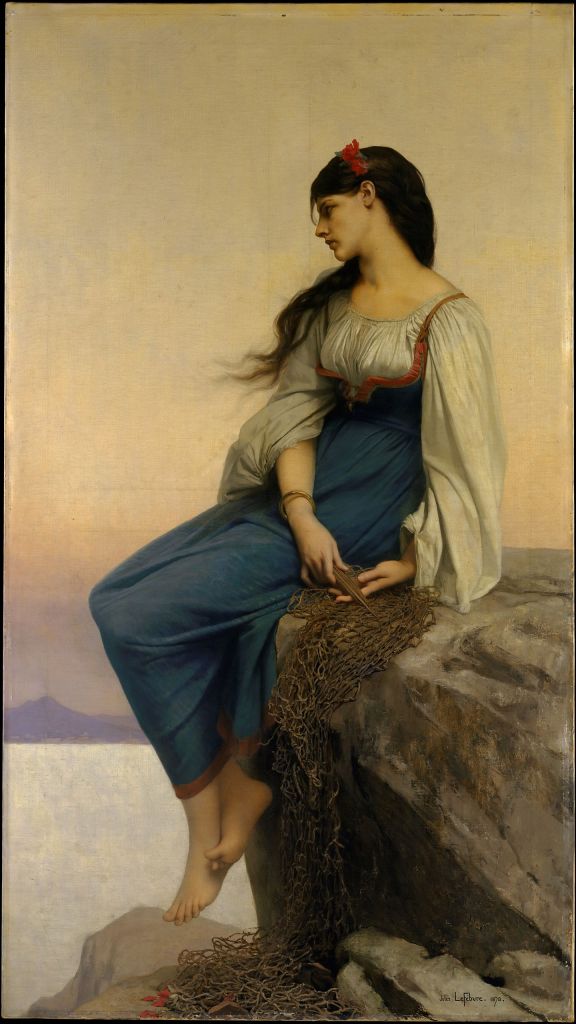
today is the birthday of Jules Joseph Lefebvre (Tournan-en-Brie, Seine-et-Marne, France 14 March 1836 – 24 February 1911 Paris ); painter, educator and theorist.
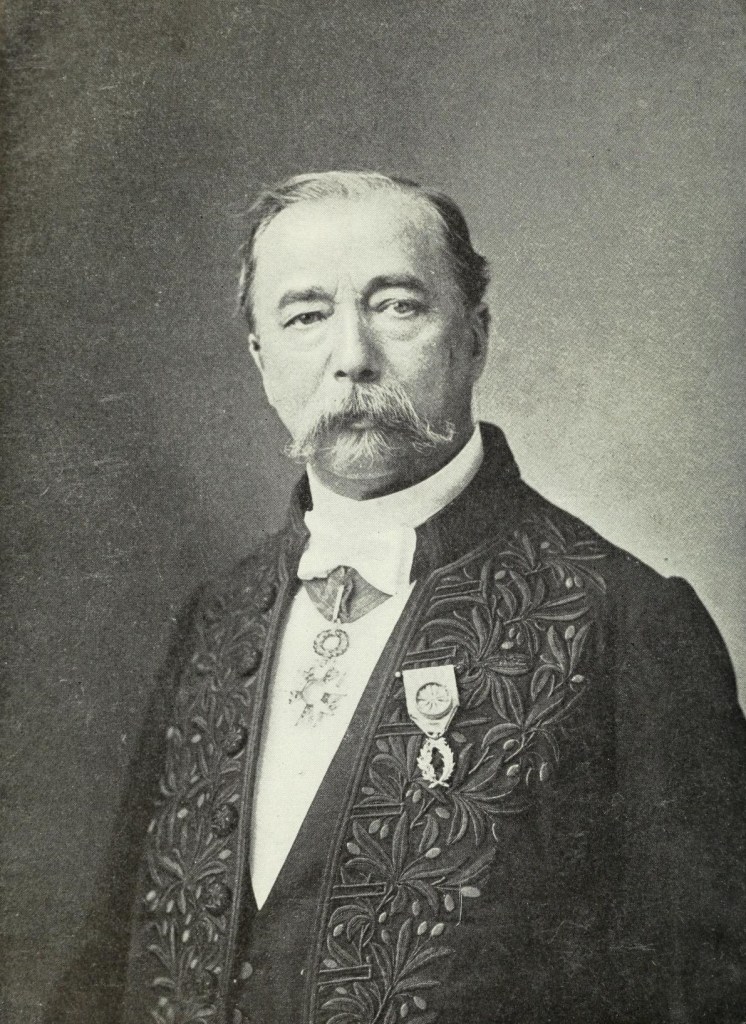
taken no later than 1903
He won the prestigious Prix de Rome with his The Death of Priam in 1861. Between 1855 and 1898, he exhibited 72 portraits in the Paris Salon. Many of his paintings are single figures of beautiful women. In 1891, he became a member of the French Académie des Beaux-Arts.
Lefebvre was buried in the Montmartre Cemetery with a bas-relief depiction of his painting La Vérité on his grave.
Gallery
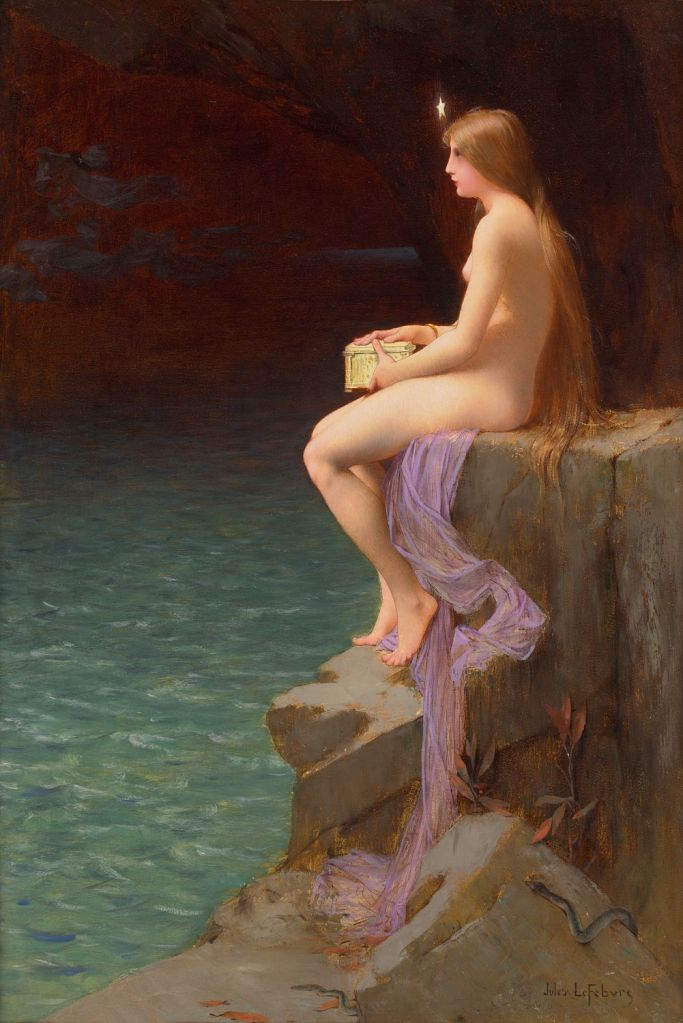
Psyché, 1883.
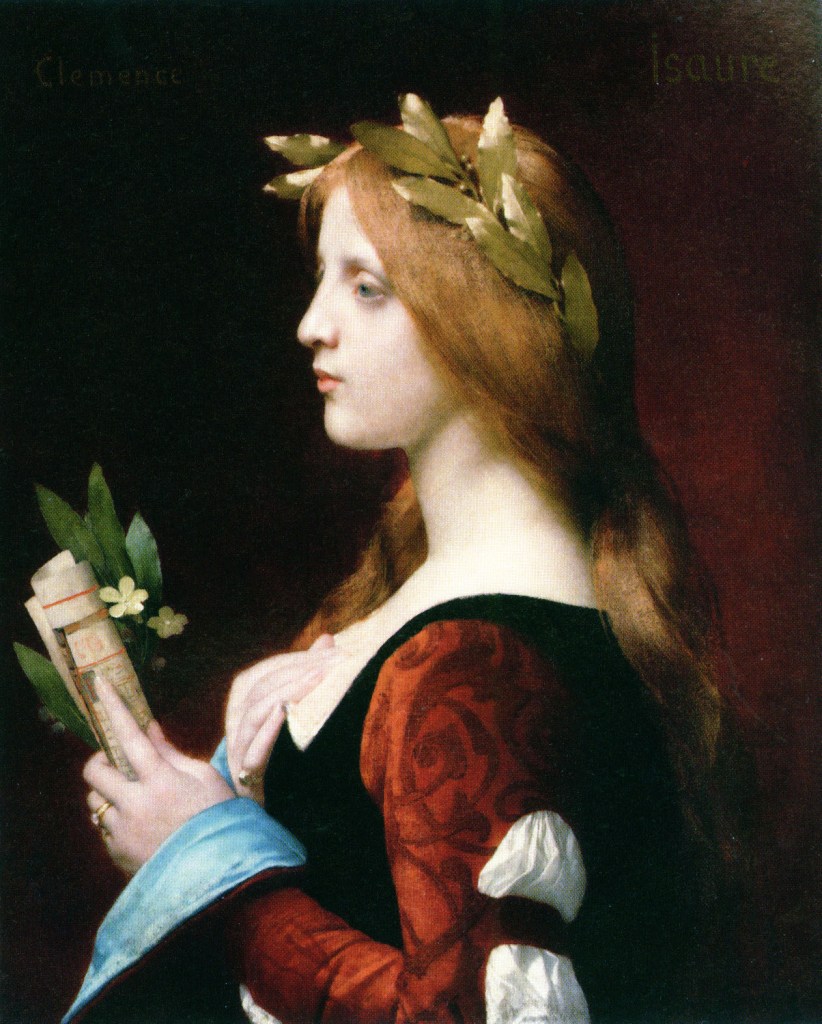
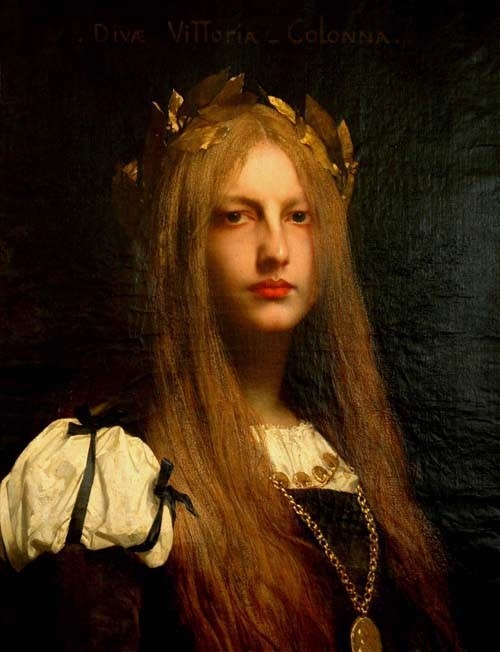
Vittoria Colonna, 1861
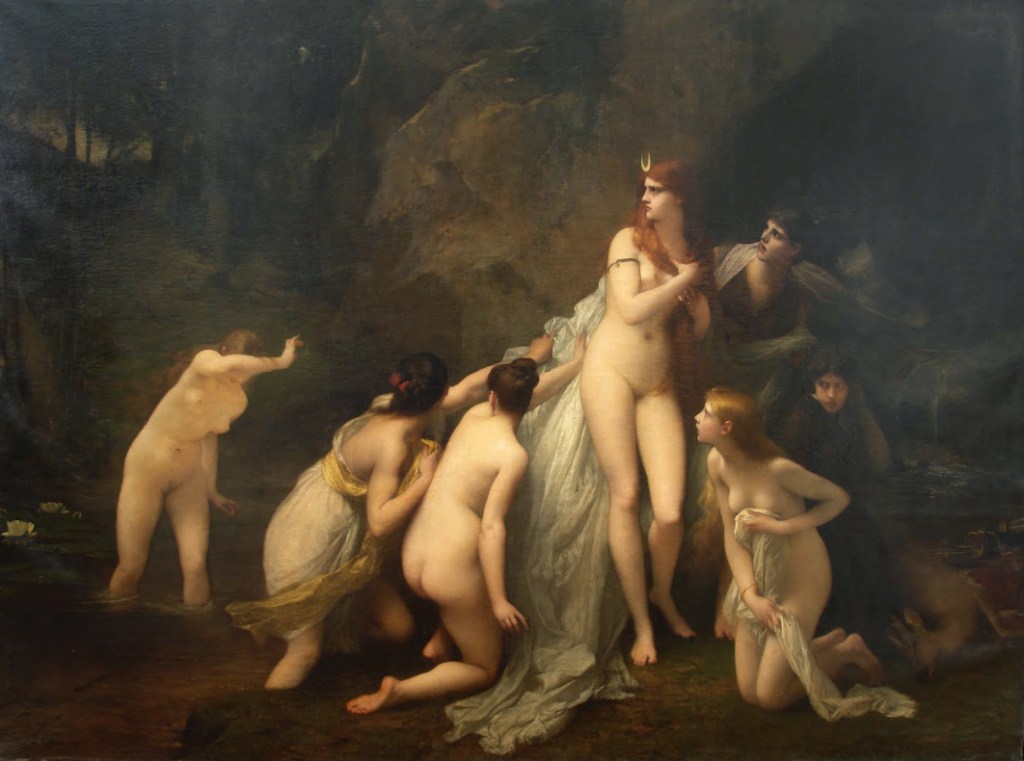
Diana Surprised, 1879
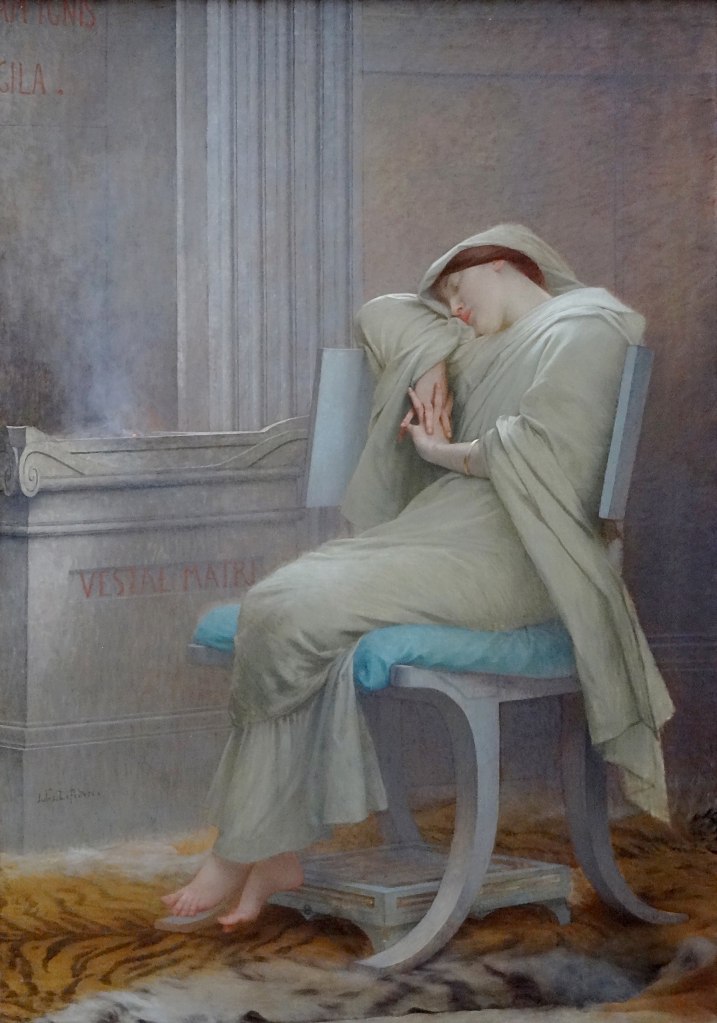
Sleeping vestal virgin, 1902
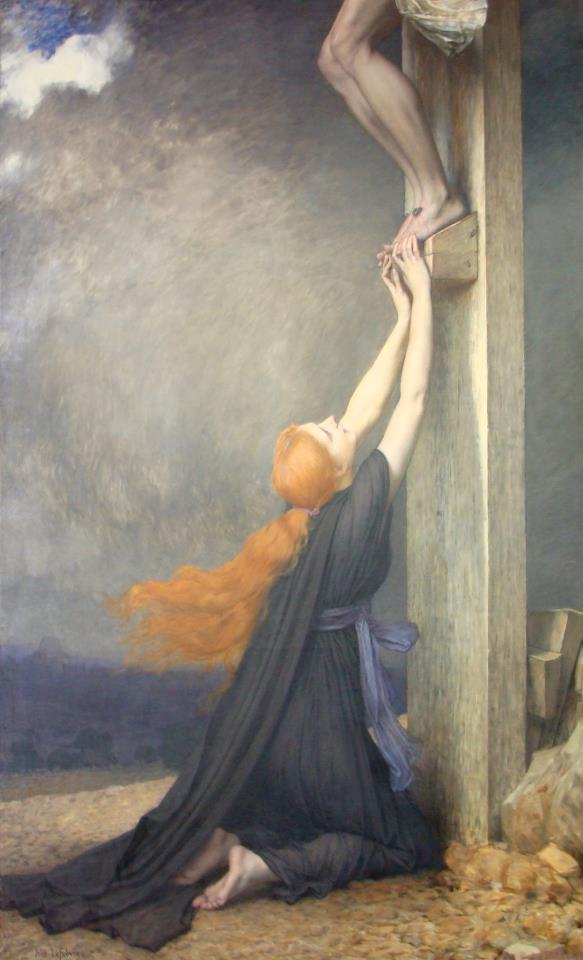
The Sorrow of Mary Magdalene
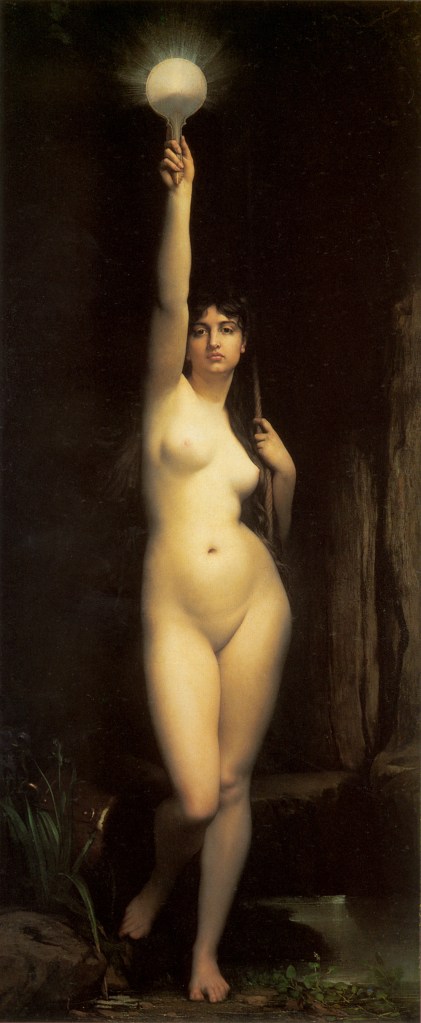
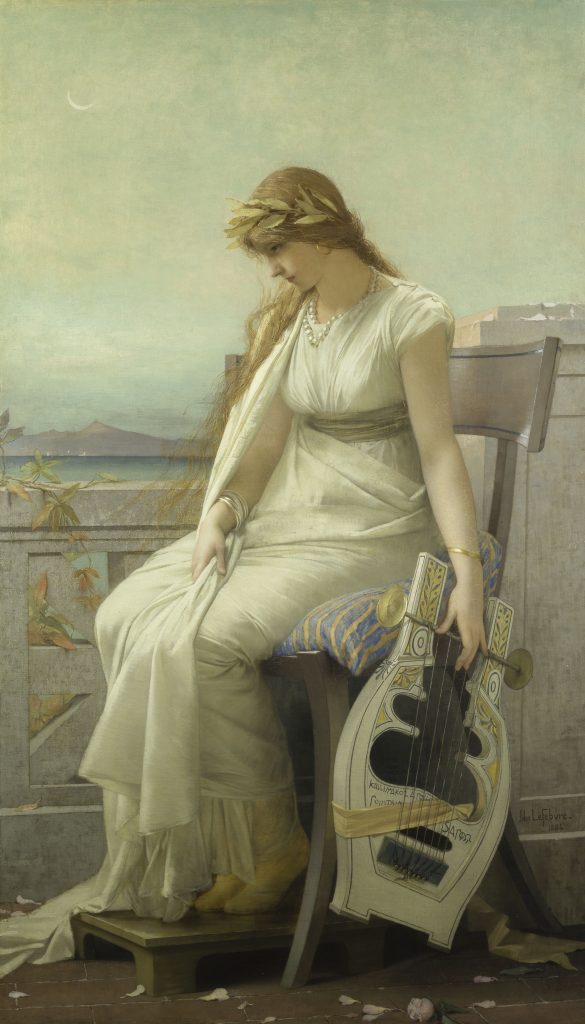
Sappho 1884
Today is the birthday of Arthur O’Shaughnessy (Arthur William Edgar O’Shaughnessy; London 14 March 1844 – 30 January 1881 London); poet and herpetologist of Irish descent. He is most remembered for his ode beginning with the words “We are the music makers, /And we are the dreamers of dreams” which has been set to music several times.

ca 1875
The artists Dante Gabriel Rossetti and Ford Madox Brown were among O’Shaughnessy’s circle of friends, and in 1873, he married Eleanor Marston, the daughter of author John Westland Marston and the sister of the poet Philip Bourke Marston. Together, he and his wife wrote a book of children’s stories, Toy-land (1875). They had two children together, both of whom died in infancy.
Eleanor died in 1879, and O’Shaughnessy himself died in London two years later at the age of 36 from the effects of a “chill” after walking home from the theatre on a rainy night. He is buried in Kensal Green Cemetery.
Verse
Music and Moonlight (1874)
Ode
- We are the music makers,
And we are the dreamers of dreams,
Wandering by lone sea-breakers,
And sitting by desolate streams; —
World-losers and world-forsakers,
On whom the pale moon gleams:
Yet we are the movers and shakers
Of the world for ever, it seems. - With wonderful deathless ditties
We build up the world’s great cities,
And out of a fabulous story
We fashion an empire’s glory:
One man with a dream, at pleasure,
Shall go forth and conquer a crown;
And three with a new song’s measure
Can trample an empire down. - We, in the ages lying
In the buried past of the earth,
Built Nineveh with our sighing,
And Babel itself with our mirth;
And o’erthrew them with prophesying
To the old of the new world’s worth;
For each age is a dream that is dying,
Or one that is coming to birth. - A breath of our inspiration
Is the life of each generation;
A wondrous thing of our dreaming
Unearthly, impossible seeming —
The soldier, the king, and the peasant
Are working together in one,
Till our dream shall become their present,
And their work in the world be done. - They had no vision amazing
Of the goodly house they are raising;
They had no divine foreshowing
Of the land to which they are going:
But on one man’s soul it hath broken,
A light that doth not depart;
And his look, or a word he hath spoken,
Wrought flame in another man’s heart. - And therefore to-day is thrilling
With a past day’s late fulfilling;
And the multitudes are enlisted
In the faith that their fathers resisted,
And, scorning the dream of to-morrow,
Are bringing to pass, as they may,
In the world, for its joy or its sorrow,
The dream that was scorned yesterday. - But we, with our dreaming and singing,
Ceaseless and sorrowless we!
The glory about us clinging
Of the glorious futures we see,
Our souls with high music ringing:
O men! it must ever be
That we dwell, in our dreaming and singing,
A little apart from ye.
We are afar with the dawning
And the suns that are not yet high,
And out of the infinite morning
Intrepid you hear us cry —
How, spite of your human scorning,
Once more God’s future draws nigh,
And already goes forth the warning
That ye of the past must die. - Great hail! we cry to the comers
From the dazzling unknown shore;
Bring us hither your sun and your summers;
And renew our world as of yore;
You shall teach us your song’s new numbers,
And things that we dreamed not before:
Yea, in spite of a dreamer who slumbers,
And a singer who sings no more.
Barcarolle
- The stars are dimly seen among the shadows of the bay,
And lights that win are seen in strife with lights that die away. - O precious is the pause between the winds that come and go,
And sweet the silence of the shores between the ebb and flow. - Spread sail! For it is Hope today that like a wind new-risen
Doth waft us on a golden wing towards a new horizon,
That is the sun before our sight, the beacon for us burning,
That is the star in all our night of watching and of yearning. - Love is this thing that we pursue today, tonight, for ever,
We care not whither, know not who shall be at length the giver:
For Love, — our life and all our years are cast upon the waves;
Our heart is as the hand that steers; — but who is He that saves?
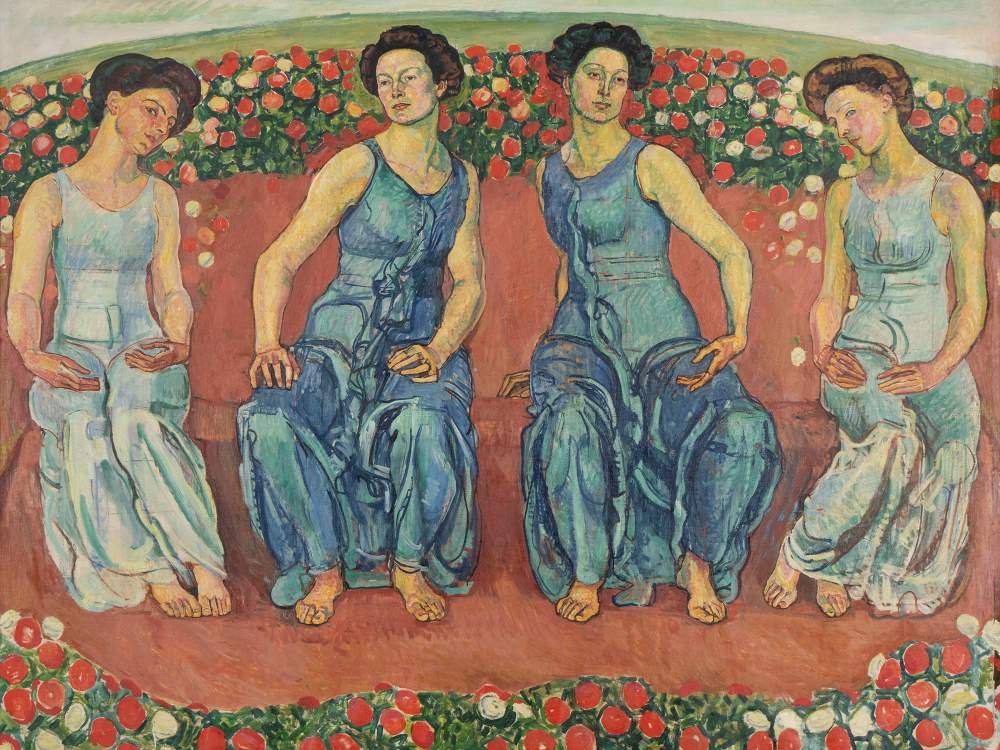
Today is the birthday of Ferdinand Hodler (Bern; March 14, 1853 – May 19, 1918 Geneva); in my opinion, one of the best-known Swiss painters of the nineteenth century. His early works were portraits, landscapes, and genre paintings in a realistic style. Later, he adopted a personal form of symbolism he called “parallelism”.
 | |
In 1884, Hodler met Augustine Dupin (1852–1909), who became his companion and model for the next several years.
From 1889 until their divorce in 1891, Hodler was married to Bertha Stucki, who is depicted in his painting, Poetry (1897, Museum für Gestaltung, Zürich). In 1898, Hodler married Berthe Jacques.
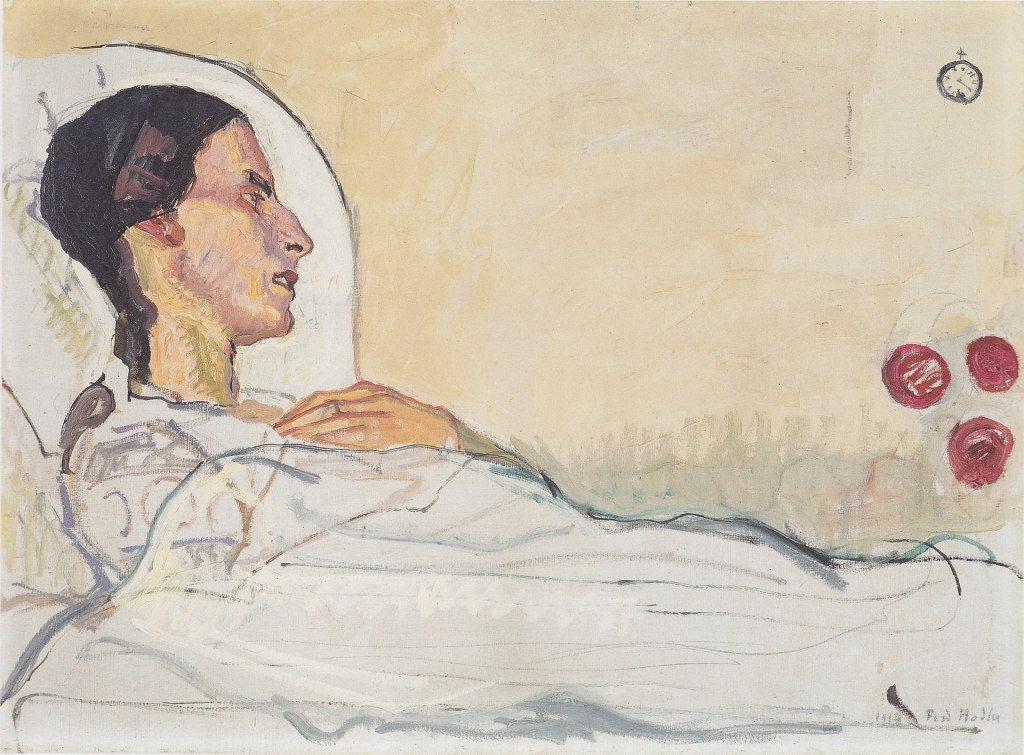
In 1908, Hodler met Valentine Godé-Darel, who became his mistress. She was diagnosed with cancer in 1913, and the many hours Hodler spent by her bedside resulted in a remarkable series of paintings documenting her decline from the disease. Her death in January 1915 affected Hodler greatly. He occupied himself with work on a series of about 20 introspective self-portraits that date from 1916.
By 1917 his health was deteriorating. In November of that year he became ill with pulmonary edema, and told his son he was considering suicide. Although mostly bedridden, he painted a number of views of the city from his balcony in the months before his death.
Gallery
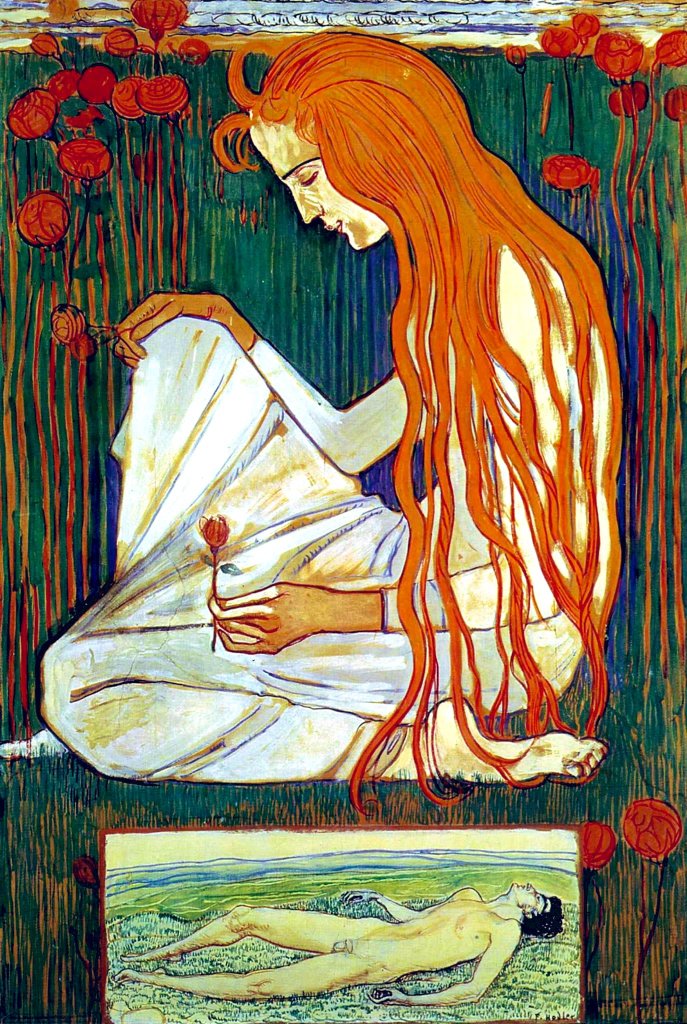
the dream

The Day III
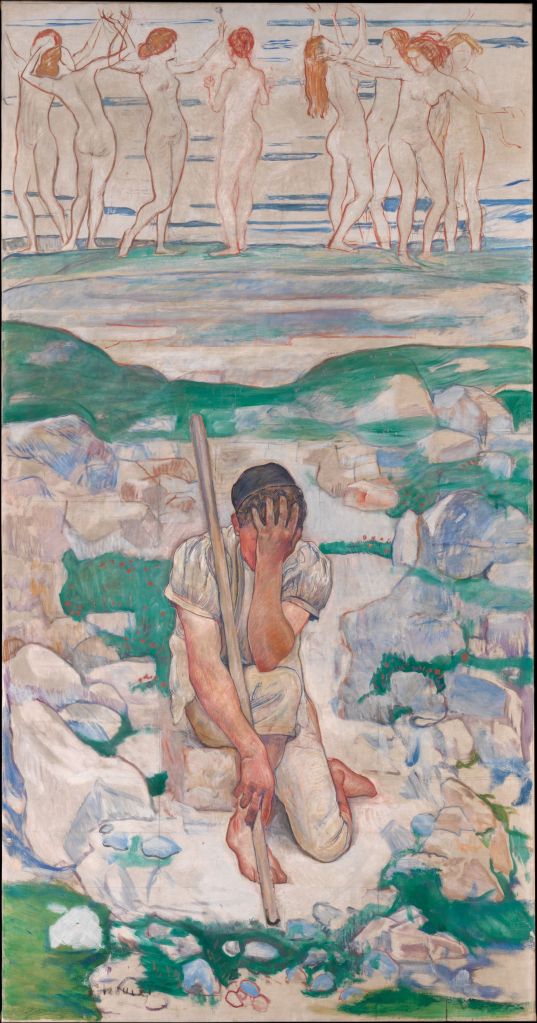
The Dream of the Shepherd (Der Traum des Hirten)
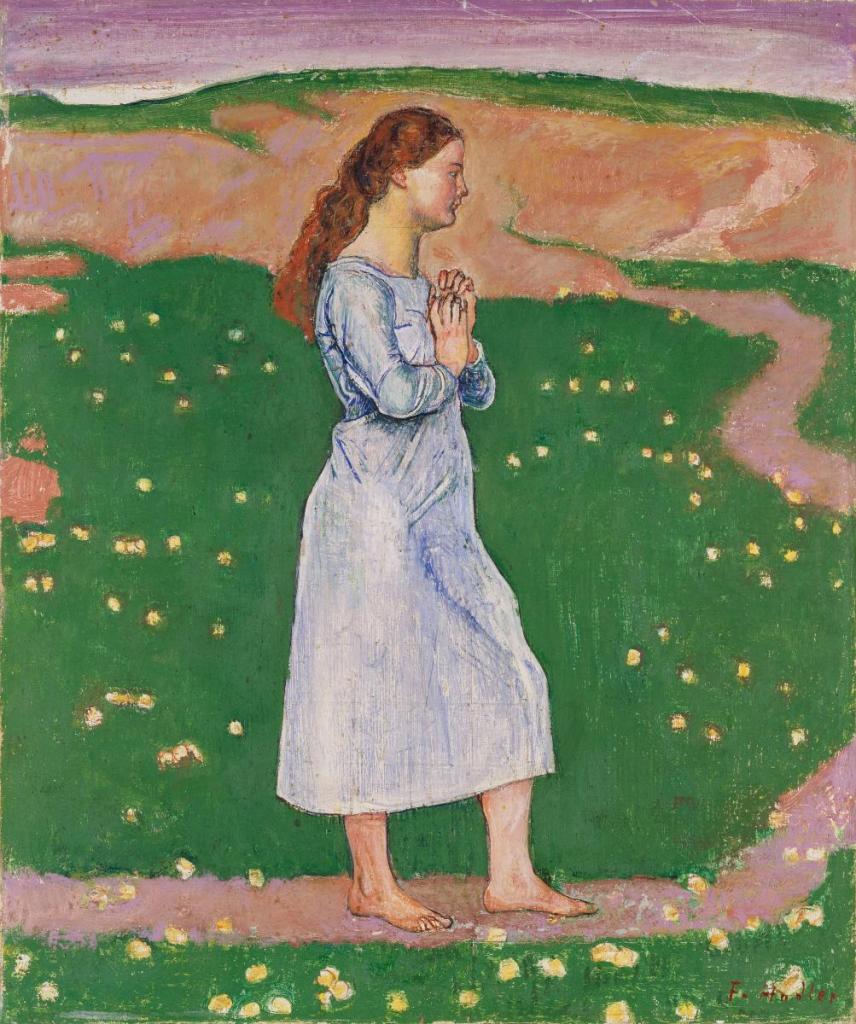
Abendruhe
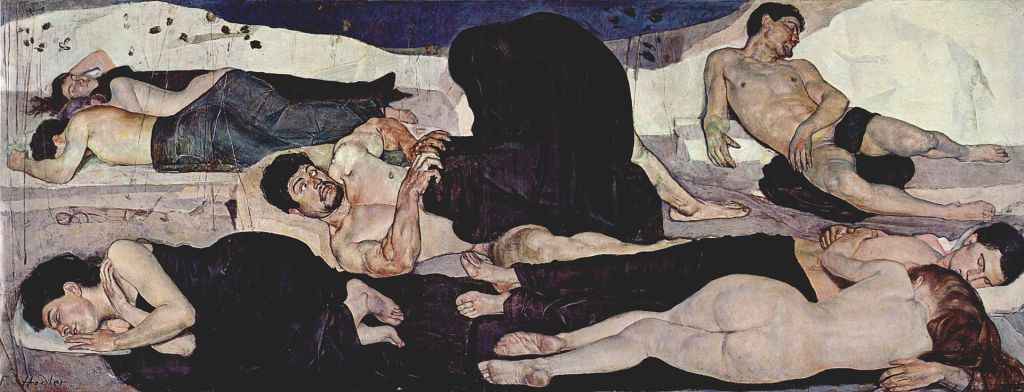
Night, 1889–1890, Bern, Kunstmuseum
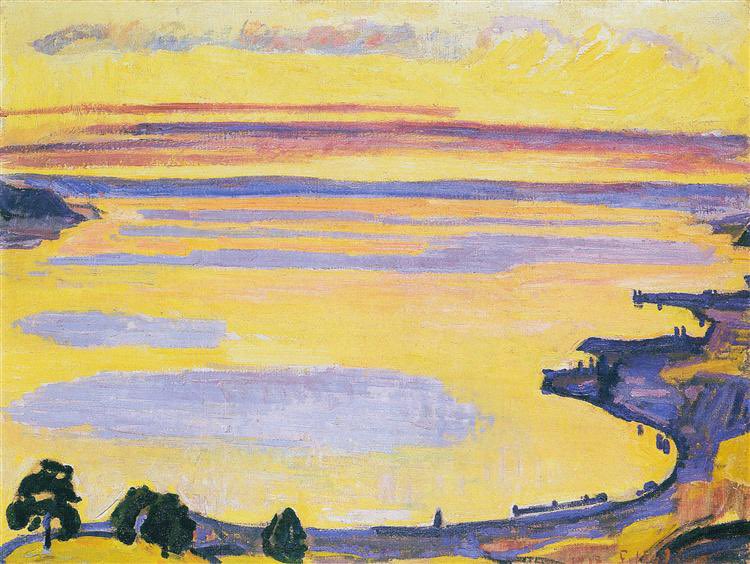
Sunset on the Lake Geneva
1917

Today is the birthday of Diane Arbus (née Nemerov; New York City; March 14, 1923 – July 26, 1971 Greenwich Village); photographer. She photographed a wide range of subjects including strippers, carnival performers, nudists, people with dwarfism, children, mothers, couples, elderly people, and middle-class families. She photographed her subjects in familiar settings: their homes, on the street, in the workplace, in the park. “She is noted for expanding notions of acceptable subject matter and violates canons of the appropriate distance between photographer and subject. By befriending, not objectifying her subjects, she was able to capture in her work a rare psychological intensity.” In his 2003 New York Times Magazine article, “Arbus Reconsidered”, Arthur Lubow states, “She was fascinated by people who were visibly creating their own identities—cross-dressers, nudists, sideshow performers, tattooed men, the nouveaux riches, the movie-star fans—and by those who were trapped in a uniform that no longer provided any security or comfort.” Michael Kimmelman writes in his review of the exhibition Diane Arbus Revelations, that her work “transformed the art of photography (Arbus is everywhere, for better and worse, in the work of artists today who make photographs)”. Arbus’s imagery helped to normalize marginalized groups and highlight the importance of proper representation of all people.
In her lifetime she achieved some recognition and renown with the publication, beginning in 1960, of photographs in such magazines as Esquire, Harper’s Bazaar, London’s Sunday Times Magazine, and Artforum. In 1963 the Guggenheim Foundation awarded Arbus a fellowship for her proposal entitled, “American Rites, Manners and Customs”. She was awarded a renewal of her fellowship in 1966. John Szarkowski, the director of photography at the Museum of Modern Art (MoMA) in New York City from 1962 to 1991, championed her work and included it in his 1967 exhibit New Documents along with the work of Lee Friedlander and Garry Winogrand. Her photographs were also included in a number of other major group shows.
In 1972, a year after her suicide, Arbus became the first photographer to be included in the Venice Biennale where her photographs were “the overwhelming sensation of the American Pavilion” and “extremely powerful and very strange”.
The first major retrospective of Arbus’ work was held in 1972 at MoMA, organized by Szarkowski. The retrospective garnered the highest attendance of any exhibition in MoMA’s history to date. Millions viewed traveling exhibitions of her work from 1972 to 1979. The book accompanying the exhibition, Diane Arbus: An Aperture Monograph, edited by Doon Arbus and Marvin Israel and first published in 1972 has never been out of print.
Gallery
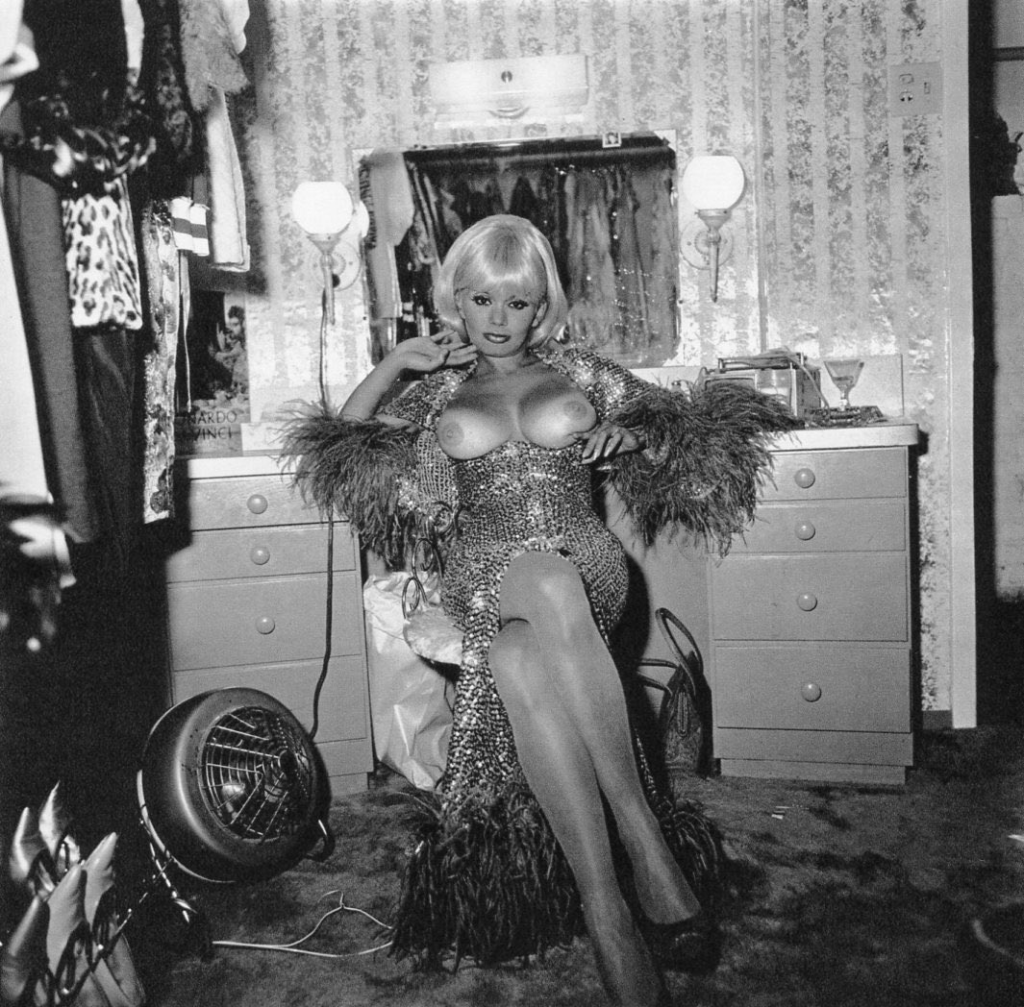
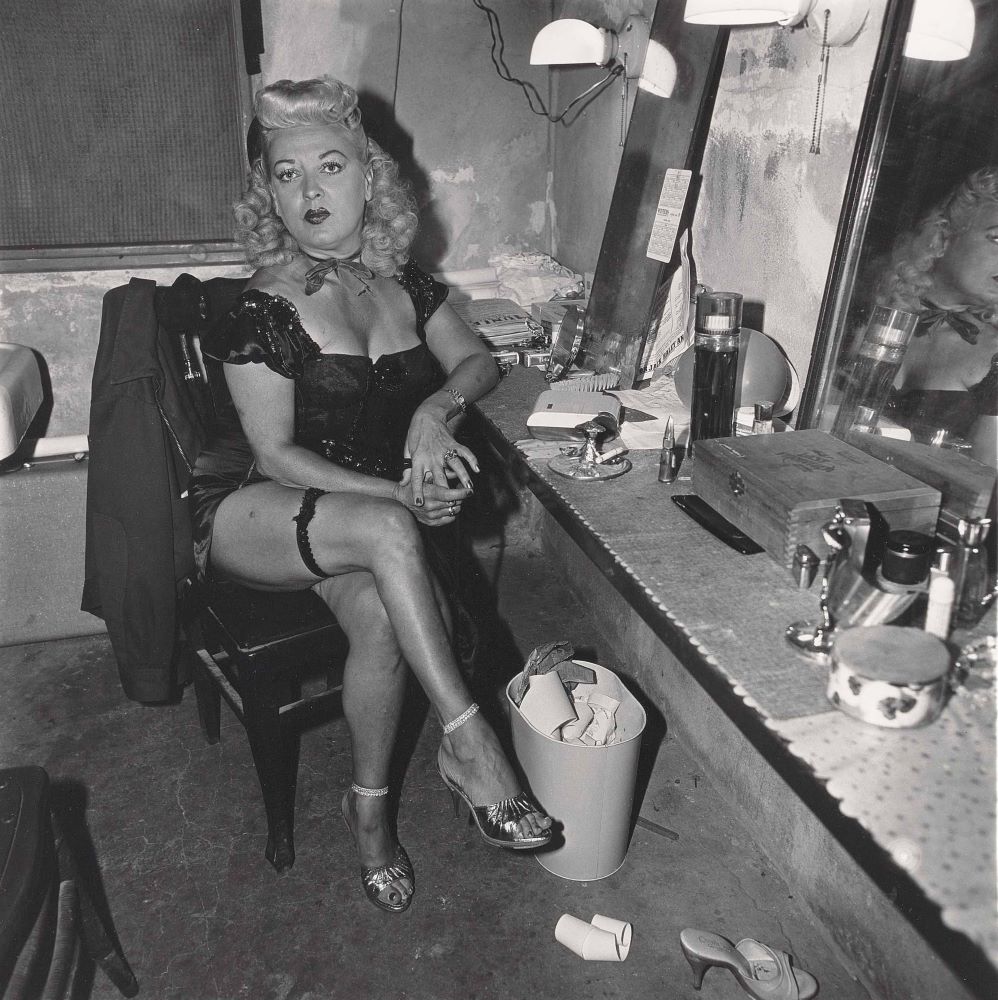
Burlesque comedienne in her dressing room, Atlantic City (1963)
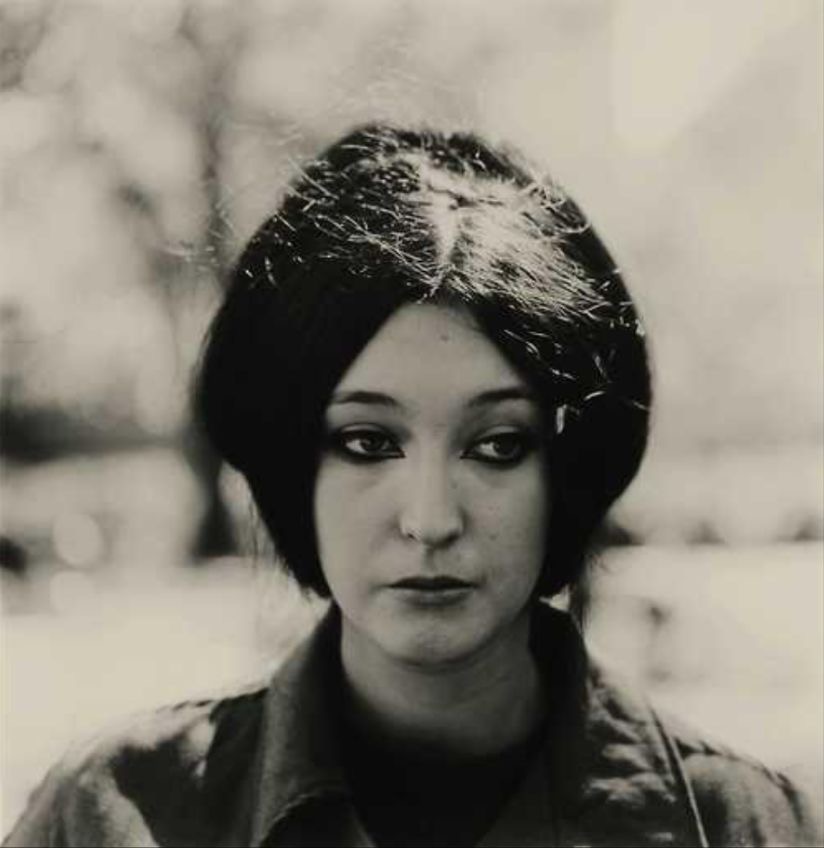
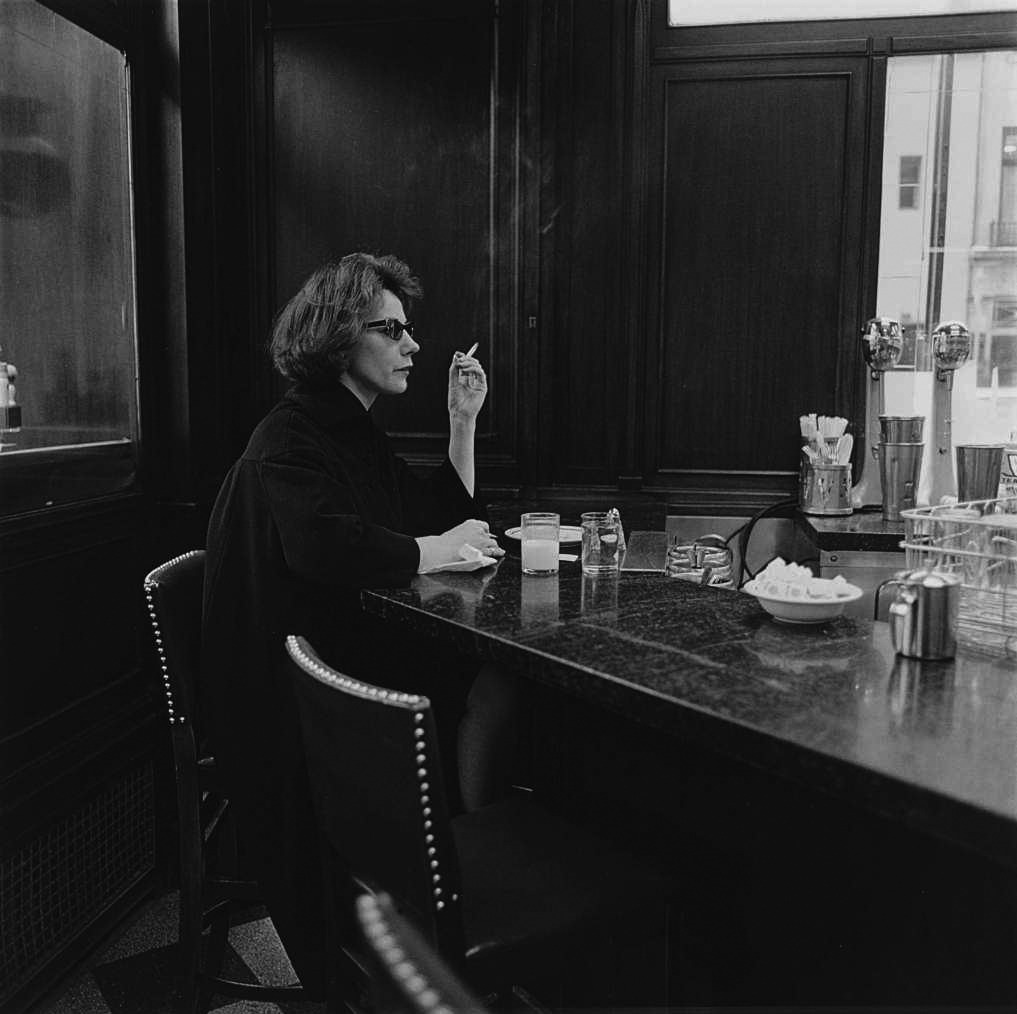
Woman at a counter smoking, N.Y.C. 1962
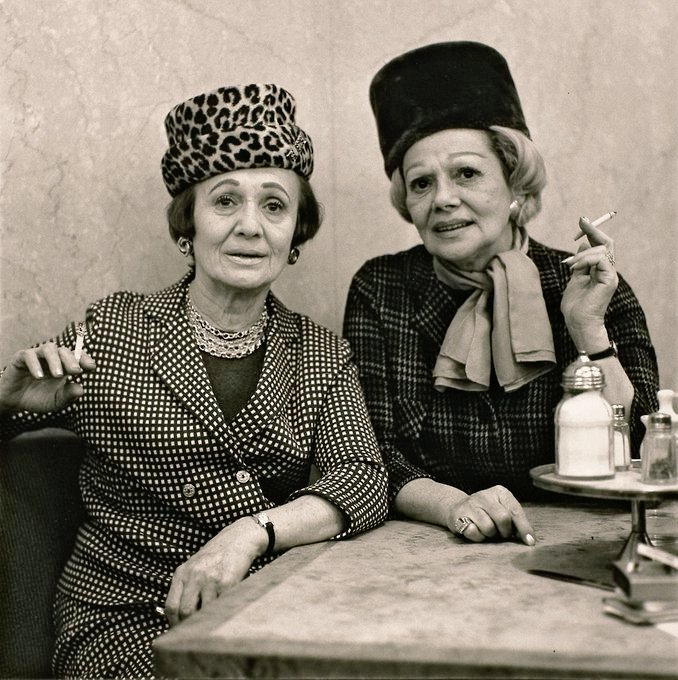
Two Ladies at the Automat, NYC,1966
And today is the birthday of Carol Jerrems (Ivanhoe, Victoria, Australia 14 March 1949 – 21 February 1980 Prahran, Victoria, Australia); photographer/filmmaker whose work emerged just as her medium was beginning to regain the acceptance as an art form that it had in the Pictorial era, and in which she newly synthesizes complicity performed, documentary and autobiographical image-making of the human subject, as exemplified in her Vale Street, see below.
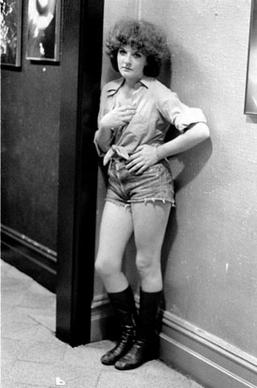
Jerrems made a friend of 62-year-old Henry Talbot (who was then exchanging an illustrious career in fashion photography for teaching), posed for him. They formed a collaboration so successful that when Australia’s first stand-alone photography gallery Brummels was opened by Rennie Ellis and Robert Ashton above a cafe at 95 Toorak Road, South Yarra, the inaugural exhibition was Two Views of Erotica: Henry Talbot/Carol Jerrems.
In 1975, Jerrems moved to Sydney to live with her boyfriend, filmmaker Esben Storm. She taught at Hornsby and Meadowbank Technical Colleges.
Gallery
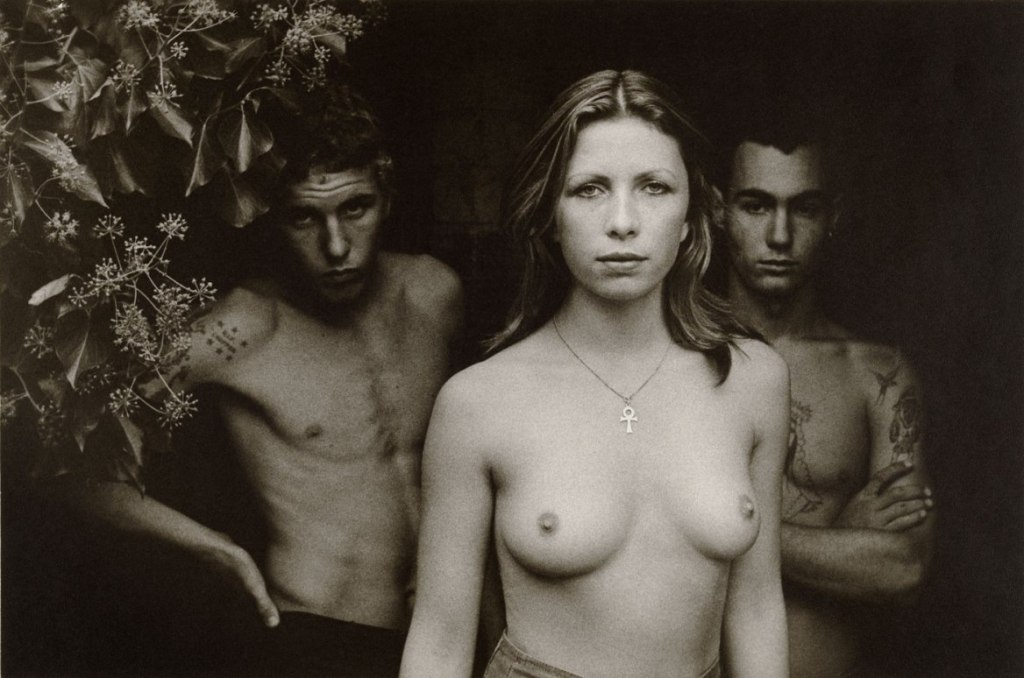
vale street
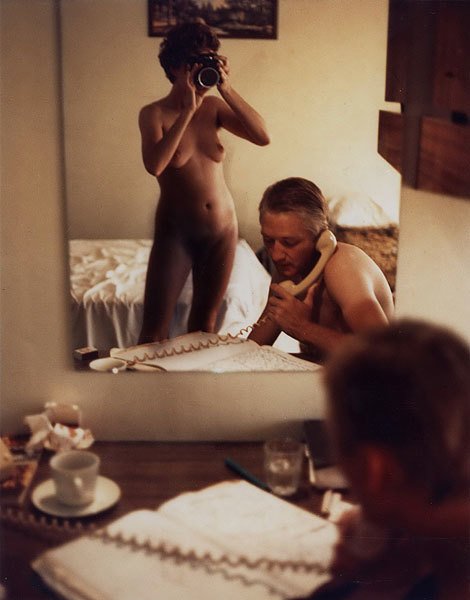
Mirror with a memory: motel room
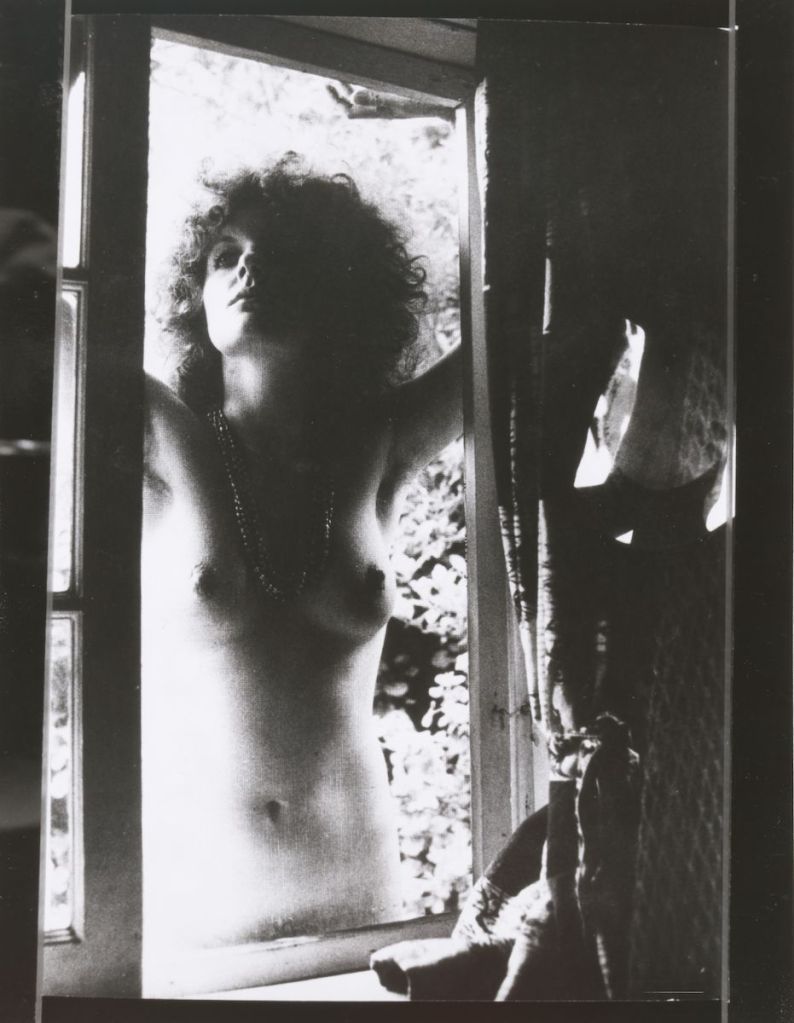
self portrait
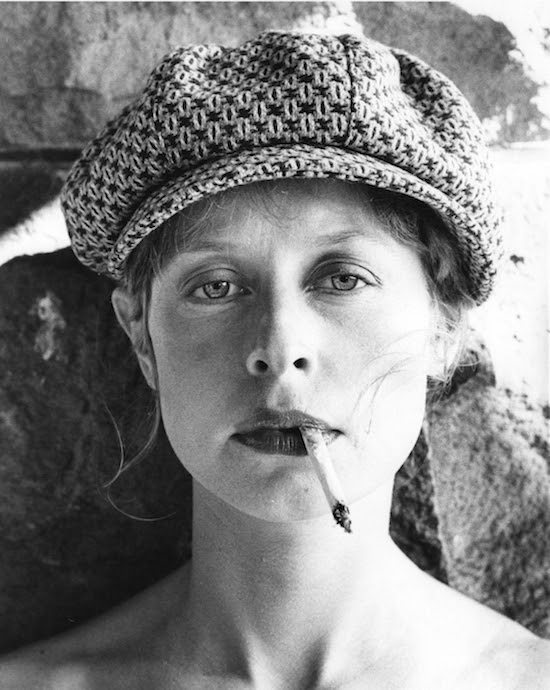
Judy Smoking 1977
thanks for stoppin’ by y’all
mac tag
 The Lovers’ Chronicle
Leave a comment