Dear Zazie, Here is today’s Lovers’ Chronicle from Mac Tag dedicated to his muse. Follow us on twitter @cowboycoleridge. Rhett
The Lovers’ Chronicle
Dear Muse,
it had to be a dream…
two competin’ songs playin’ here, is this a dream, he thinks, seem to be nowhere, floatin’ along, and those songs, first one then the other, ok focus, hang on to this melody till you have it, yes, it had to be…, and gone, here comes the other one, hold on, got it, eres tú…
Hello my darling, says the rapturous redhead, dreaming again
yes, floatin’ along in a river of songs about my favorite subject
And that is
eres tú

© copyright 2024 mac tag/cowboycoleridge all rights reserved
one of my favorite words
in regards to present company
“Oh thanks my dear”
went straight to the Kahn/Jones
song, because, it had to be…
“The theme of When Harry Met Sally“
yes, well done
“And if asked why, would you
the same answer give”
absolutely, simply
tu es toi
tu eres tu
© copyright 2023 mac tag/cowboycoleridge all rights reserved
perhaps the most used word in these pages, generally referrin’ to the reader, until the real you came along and altered the course for the better, but before i forget, i want to write somethin’ for Spender, who understood what it meant to have a you, he wrote about awakenin’ from you to my dream of you, hey wait, i resemble that remark

© copyright 2022.2024 mac tag/cowboycoleridge all rights reserved
we are what we are
we have what we have
we are, i know not how,
our dreams, our wishes
an ideogram, writ in waves
time, tick, tick, tick
weave no warped words
paint no draped desire
if asked why you
i would say
because you are you
if asked why
i came to you
i simply had to
© copyright 2021 mac tag/cowboycoleridge all rights reserved
Pale Love, Pale Rider
because you were you

have to write one for Symons
he knew how that felt
he had a long-lastin’ relationship
with a secret lover who has never
been identified, commemorated
in his book Amoris Victima,
victims of love
could not have said it better
gotta say, i resemble that remark
kinda bummed i did not make that
the phrase of the day
well since we do not have a you,
lets give thanks to all the “yous” out there
yes, would not be here without you

© copyright 2020.2024 mac tag/cowboy coleridge all rights reserved
we are
i know
not how
we believe
and cannot
rid ourselves
of how we got here
in this simple fashion
these feelin’s i portray
diverse and undulatin’
sense, discernin’ the difference
understandin’ what matters most
are the extraordinary experiences
© copyright 2019 mac tag/cowboy coleridge all rights reserved
you then
at first sight
you bet
recall the clumsy
first attempts
the first moves
all filed away
different now, though
plaited with experience,
the weight of joy
and loss and sadness,
collected over years
the innocence
and simplicity
gone
but you
remain
© copyright 2018 mac tag/cowboy coleridge all rights reserved
we are what we are
we have what we have
we are, i know not how,
our dreams, our wishes
an ideogram,
writ in waves
a train station
saddenin’ clouds
time, tick, tick, tick
weave no warped words
paint no draped desire
if asked why you
i would say
because you are you
if asked why
i came to you
i simply had to
© copyright 2017 Mac tag/cowboy Coleridge all rights reserved
If you ask me why
I would say;
Because you were you
And I was I
© copyright 2016 Mac tag/cowboy Coleridge all rights reserved
| Michel de Montaigne | |
|---|---|
 | |
Today is the birthday of Michel de Montaigne (Michel Eyquem de Montaigne; Château de Montaigne, Guyenne, France; 28 February 1533 – 13 September 1592 Château de Montaigne, Guyenne); in my opinion, one of the most significant philosophers of the French Renaissance, known for popularizing the essay as a literary genre. His work is noted for its merging of casual anecdotes and autobiography with serious intellectual insight. His Essais (translated literally as “Attempts” or “Trials”) contains some of the most influential essays ever written.
Montaigne came to be recognized as embodying the spirit of freely entertaining doubt. Perhaps most famously known for his skeptical remark, “Que sçay-je?” (“What do I know?”, in Middle French; now rendered as Que sais-je? in modern French).
Remarkably modern even to readers today, Montaigne’s attempt to examine the world through the lens of the only thing he can depend on implicitly—his own judgment—makes him more accessible to modern readers than any other author of the Renaissance. Much of modern literary non-fiction has found inspiration in Montaigne and writers of all kinds continue to read him for his masterful balance of intellectual knowledge and personal storytelling.
Quotes
Qui songe à oublier se souvient.
Un peu de chaque chose, et rien du tout, a la française.
- A little of all things, but nothing of everything, after the French manner.
Si on me presse, continue-t-il, de dire pourquoi je l’aimais, je sens que cela ne se peut exprimer qu’en répondant: parce que c’était lui; parce que c’était moi.
- L’homme d’entendement n’a rien perdu, s’il a soi-même.
- A man of understanding has lost nothing, if he has himself.
- Book I, Ch. 39
- La plus grande chose du monde, c’est de savoir être à soi.
- The greatest thing in the world is to know how to belong to oneself.
- Book I, Ch. 39
Ceux qui ont apparié notre vie à un songe ont eu de la raison… Nous veillons dormants et veillants dormons.
- Those who have compared our life to a dream were right… We are sleeping awake, and waking asleep.
- Book II, Ch. 12
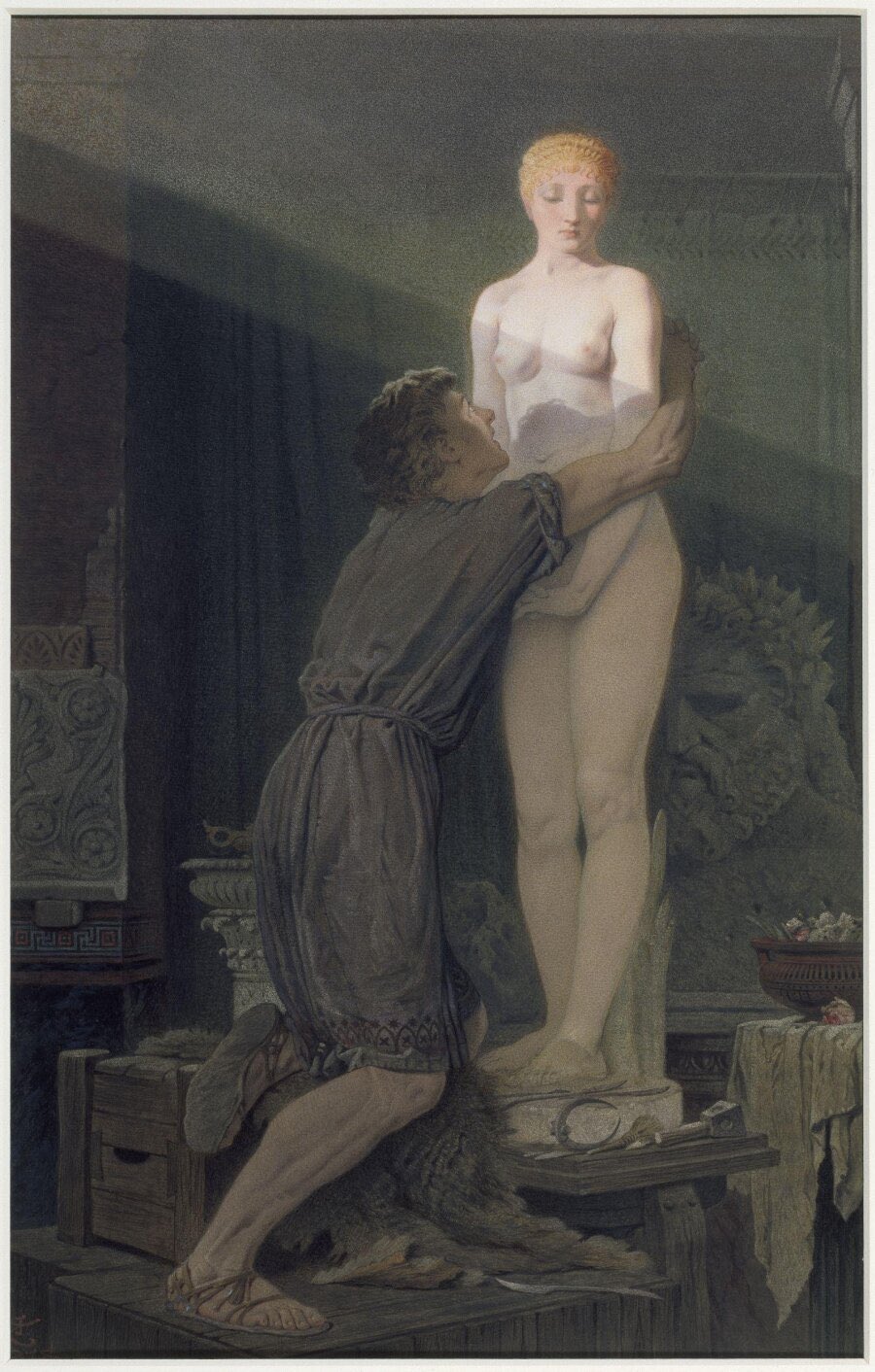
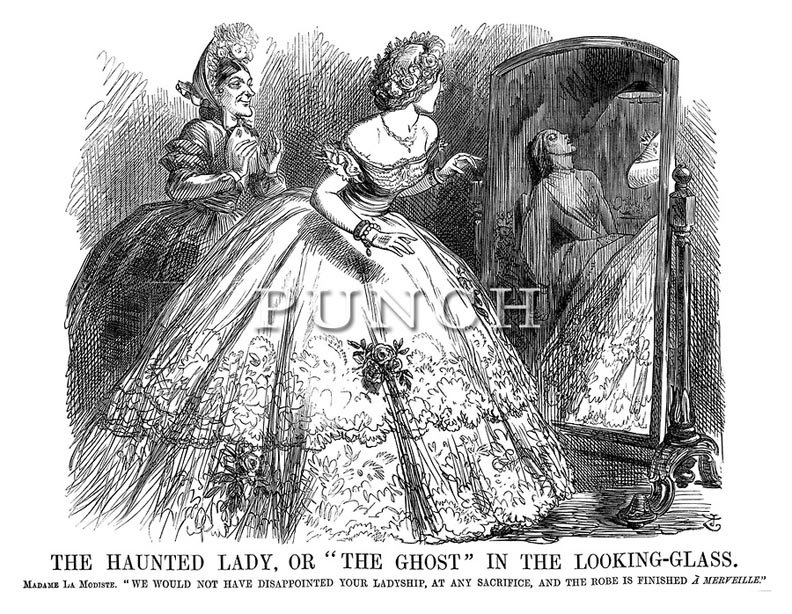
Today is the birthday of John Tenniel (London 28 February 1820 – 25 February 1914 London); illustrator, graphic humorist and political cartoonist prominent in the second half of the 19th century. An alumnus of the Royal Academy of Arts in London, he was knighted for artistic achievements in 1893, the first such honour ever bestowed on an illustrator or cartoonist.
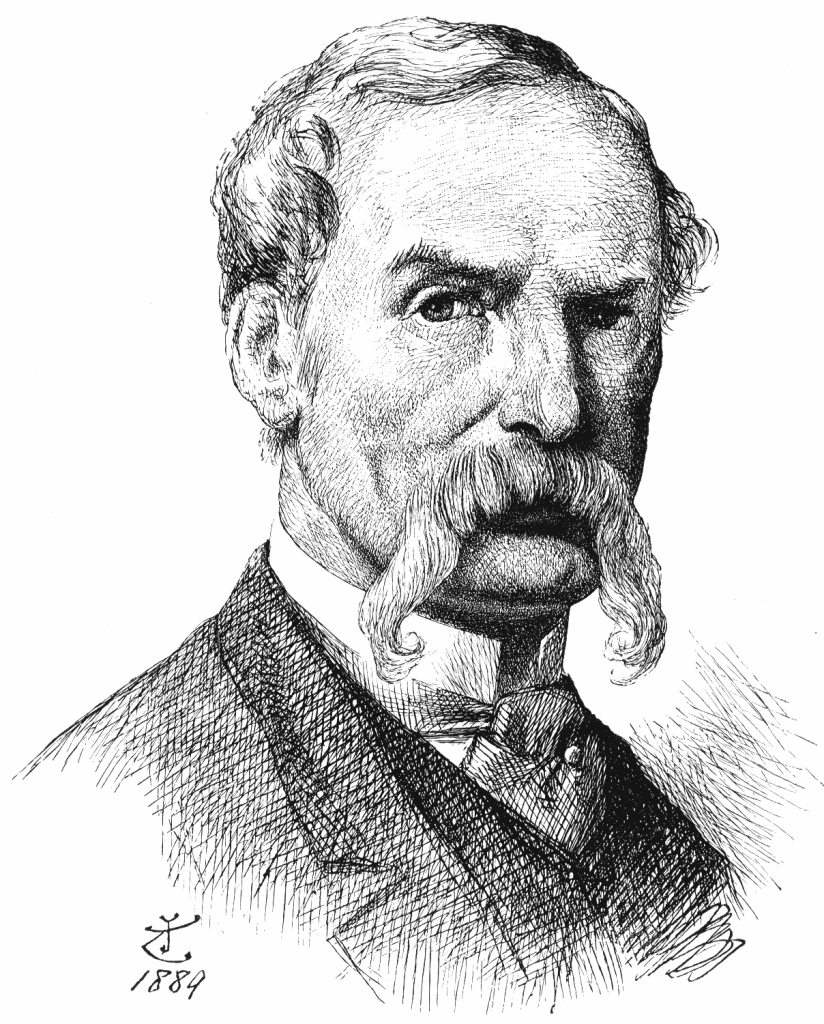
self portrait
Tenniel is remembered mainly as the principal political cartoonist for Punch magazine for over 50 years and for his illustrations to Lewis Carroll’s Alice’s Adventures in Wonderland (1865) and Through the Looking-Glass, and What Alice Found There (1871). Tenniel’s detailed black-and-white drawings remain the definitive depiction of the Alice characters, with comic book illustrator and writer Bryan Talbot stating, “Carroll never describes the Mad Hatter: our image of him is pure Tenniel.”
Gallery
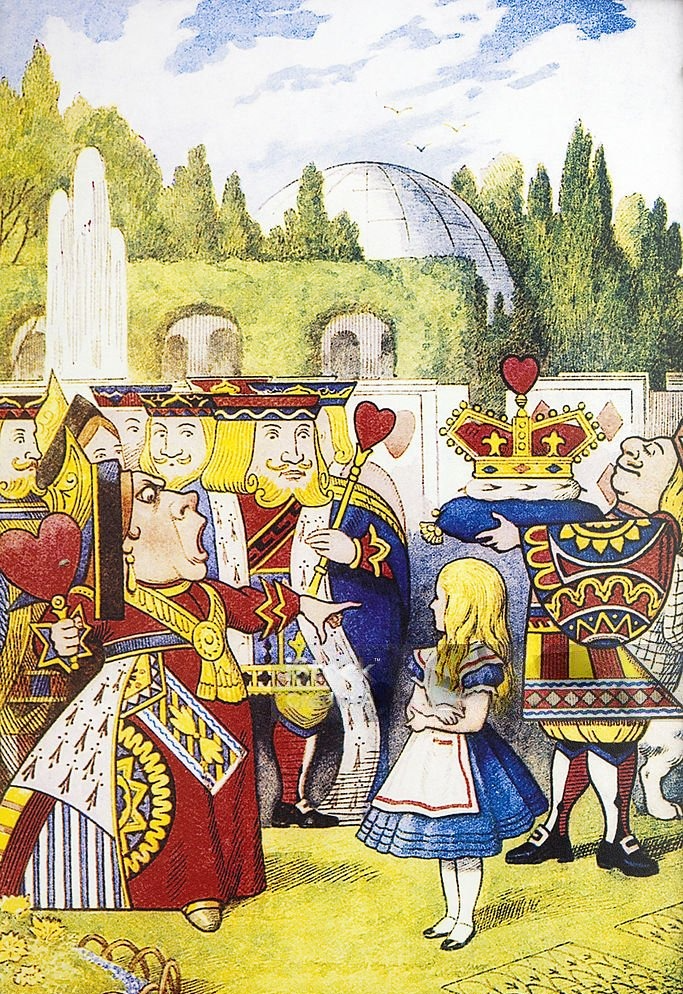
Queen of Hearts shouted angrily at Alice , “Off with her head!”
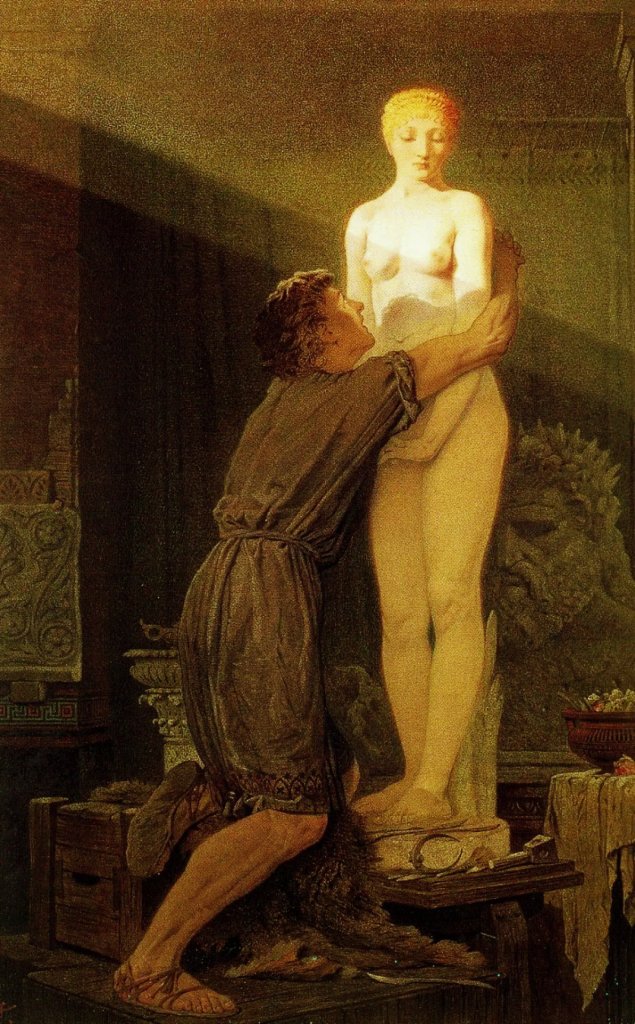
pygmalion
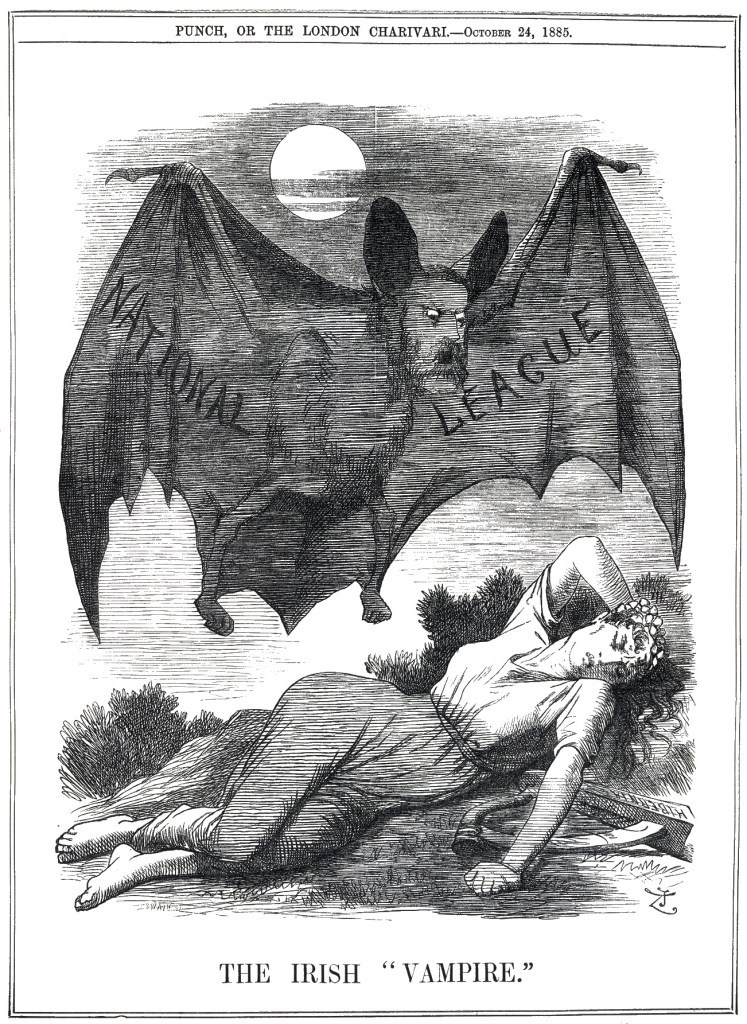
Charles Stewart Parnell depicted as a vampire, menacing maiden Ireland
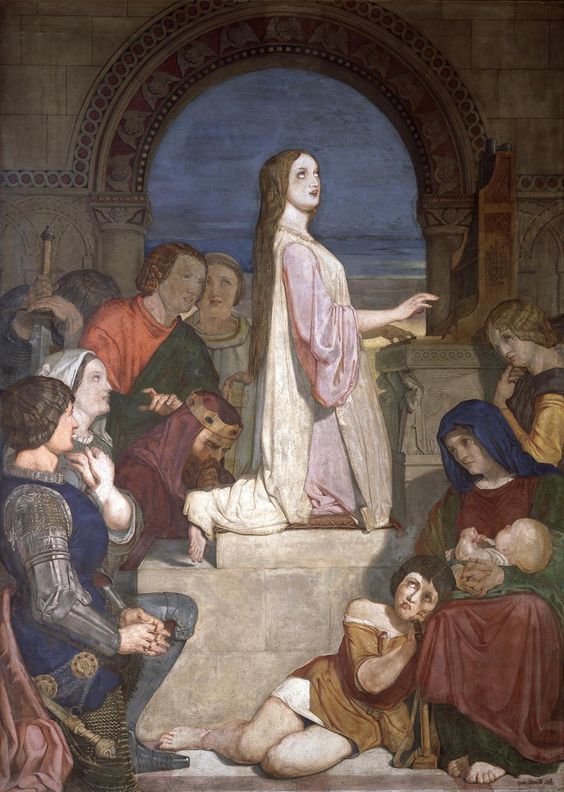
“St. Cecilia (Song for St. Cecilia’s Day)”, 1850, Poets Hall, Parliament, London
Today is the birthday of Arthur Symons (Arthur William Symons; Milford Haven, Wales, 28 February 1865 – 22 January 1945 Tenterden, Kent, England); poet, critic and magazine editor.
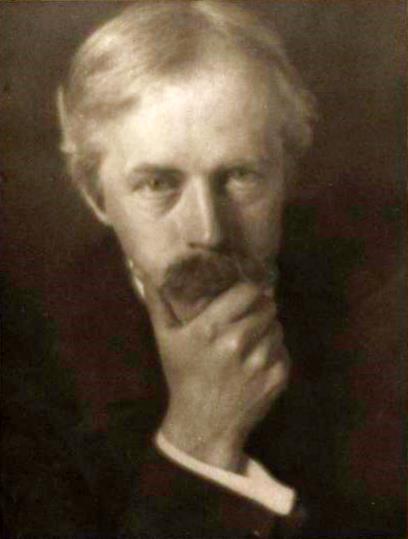
Symons conducted a long-lasting relationship with a secret lover who has never been identified, commemorated in his book Amoris Victima. In 1901 (19 June) he married Rhoda Bowser (1874–1936), an aspiring actress and eldest daughter of a Newcastle-upon-Tyne shipping magnate.
In 1902, Symons made a selection from his earlier verse, published as Poems. He translated from the Italian of Gabriele D’Annunzio The Dead City (1900) and The Child of Pleasure (1898), and from the French of Émile Verhaeren The Dawn (1898). To The Poems of Ernest Dowson (1905) he prefixed an essay on the deceased poet, who was a kind of English Verlaine and had many attractions for Symons. In 1909 Symons suffered a psychotic breakdown and published very little new work for a period of more than twenty years. His wife Rhoda took over the management of his affairs. His Confessions: A Study in Pathology (1930) has a moving description of his breakdown and treatment.
In 1918, Vanity Fair magazine published Symons’ Baudelarian essay, “The Gateway to an Artificial Paradise: The Effects of Hashish and Opium Compared.” On one occasion between 1889 and 1895, John Addington Symonds, Dowson, and “some of Symons’ lady friends from the ballet all tried hashish during an afternoon tea given by Symons in his rooms at Fountain Court.”
Verse
- All art is a form of artifice.
- For in art there can be no prejudices.
- Preface to Silhouettes kindle ebook 2012 ASIN B0082UH208.
- And I would have, now love is over,
An end to all, an end:
I cannot, having been your lover,
Stoop to become your friend!- After Love, st. 3 (1892).
- The gray-green stretch of sandy grass,
Indefinitely desolate;
A sea of lead, a sky of slate;
Already autumn in the air, alas!
One stark monotony of stone,
The long hotel, acutely white,
Against the after-sunset light
Withers gray-green, and takes the grass’s tone.- Color Studies. At Dieppe (1895).
- My soul is like this cloudy, flaming opal ring.
- Opals (1896).
- Here in a little lonely room
I am master of earth and sea,
And the planets come to me.- The Loom of Dreams, st. 1 (1900).
- Criticism is properly the rod of divination: a hazel switch for the discovery of buried treasure, not a birch twig for the castigation of offenders.
- An Introduction to the Study of Browning, preface (1906).
- What we ask of him is, that he should find out for us more than we can find out for ourselves…. He must have the passion of a lover.
- Biographia Literaria, introduction (1906).
- I have loved colours, and not flowers;
Their motion, not the swallows wings;
And wasted more than half my hours
Without the comradeship of things.- Amends to Nature, st. 1.
- I heard the sighing of the reeds
At noontide and at evening,
And some old dream I had forgotten
I seemed to be remembering.- By the Pool of the Third Rosses, st. 4.
- They weave a slow andante as in sleep,
Scaled yellow, swampy black, plague-spotted white;
With blue and lidless eyes at watch they keep
A treachery of silence; infinite.- The Andante of Snakes, st. 1.
- The gipsy tents are on the down,
The gipsy girls are here;
And it’s O to be off and away from the town
With a gipsy for my dear!- Gipsy Love, st. 1.
- My life is like a music-hall,
Where, in the impotence of rage,
Chained by enchantment to my stall,
I see myself upon the stage
Dance to amuse a music-hall.- In The Stalls , st. 1.
- Emmy’s exquisite youth and her virginal air,
Eyes and teeth in the flash of a musical smile,
Come to me out of the past, and I see her there
As I saw her once for a while.- Emmy, st. 1.
- O my child, who wronged you first, and began
First the dance of death that you dance so well?
Soul for soul: and I think the soul of a man
Shall answer for yours in hell.- Emmy, st. 6.
- The wind is rising on the sea,
The windy white foam-dancers leap;
And the sea moans uneasily,
And turns to sleep, and cannot sleep.- Before the Squall, st. 1.
- I have laid sorrow to sleep;
Love sleeps.
She who oft made me weep
Now weeps.- Love and Sleep, st. 1.
- They pass upon their old, tremulous feet,
Creeping with little satchels down the street,
And they remember, many years ago,
Passing that way in silks. They wander, slow
And solitary, through the city ways,
And they alone remember those old days
Men have forgotten.- The Old Women, st. 1.
- Sweet, can I sing you the song of your kisses?
How soft is this one, how subtle this is,
How fluttering swift as a bird’s kiss that is,
As a bird that taps at a leafy lattice;
How this one clings and how that uncloses
From bud to flower in the way of roses.- Kisses.
| Geraldine Farrar | |
|---|---|
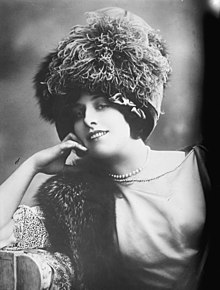 | |
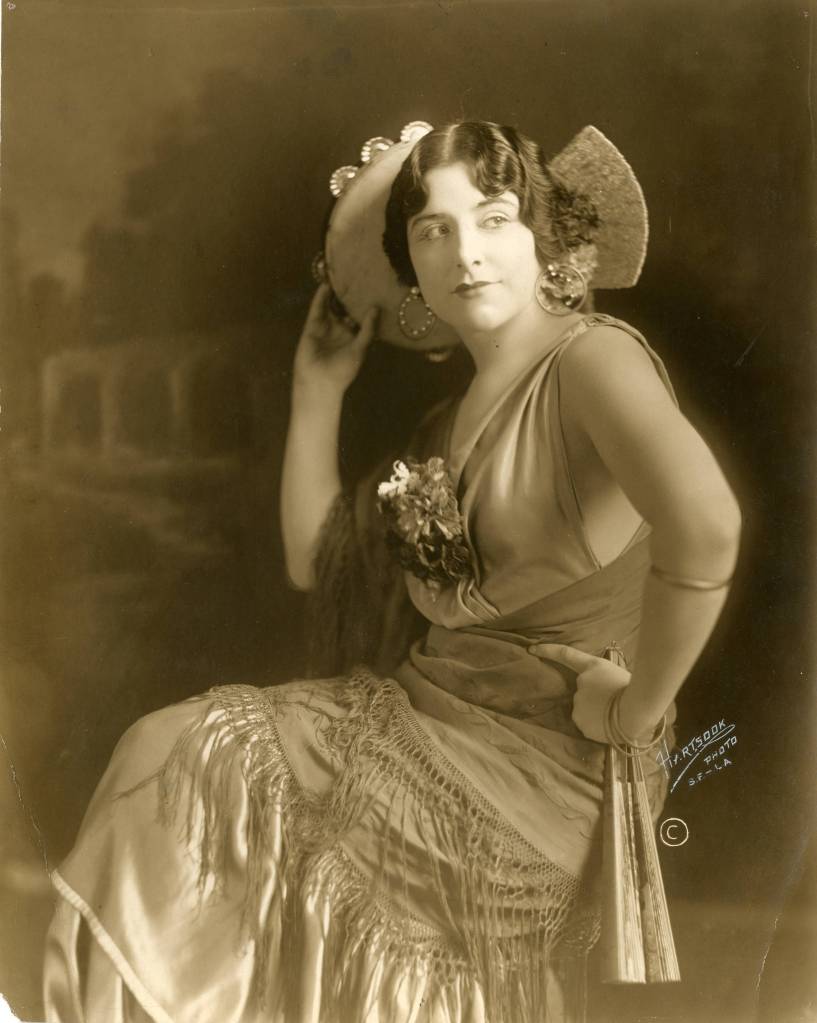
Today is the birthday of Geraldine Farrar (Alice Geraldine Farrar, Melrose, Massachusetts, February 28, 1882 – March 11, 1967 Ridgefield, Connecticut); soprano opera singer and film actress, noted for her beauty, acting ability, and “the intimate timbre of her voice.” She had a large following among young women, who were nicknamed “Gerry-flappers”.
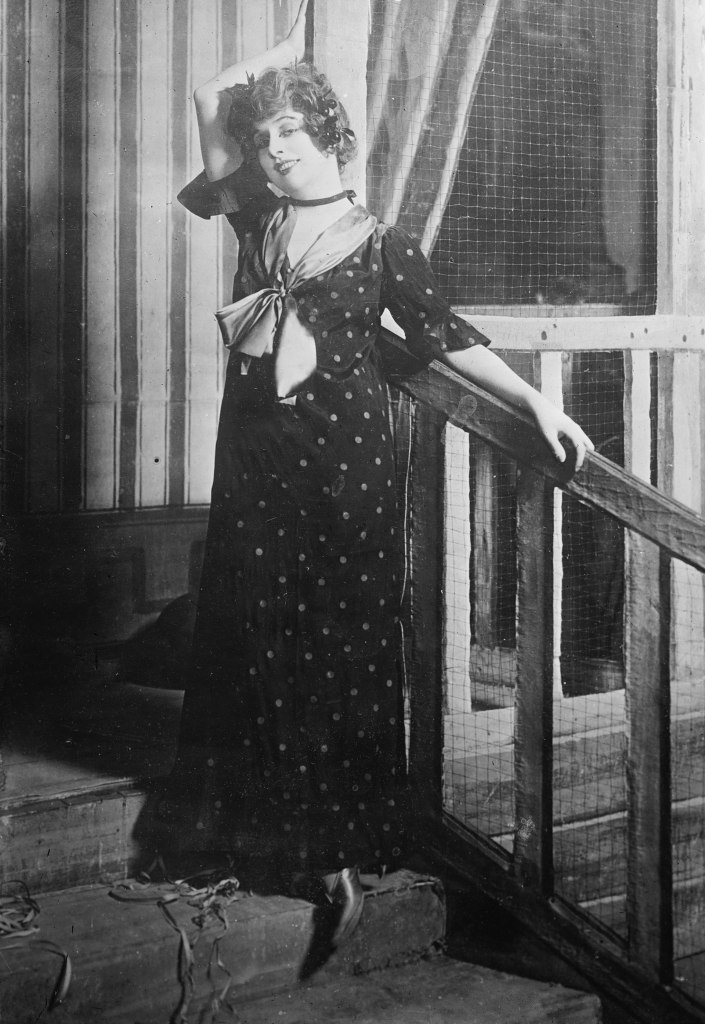
in Julien in 1914
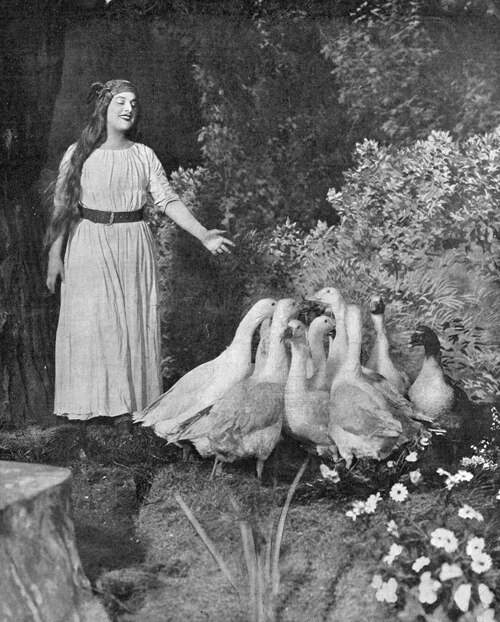
as the Goosegirl, Metropolitan Opera, 1910. Farrar trained her own flock of live geese for the World Premiere, expressing hope that future performers would do the same

Farrar as Manon
Farrar had a seven-year love affair with the Italian conductor Arturo Toscanini. Her ultimatum, that he leave his wife and children and marry her, resulted in Toscanini’s abrupt resignation as principal conductor of the Metropolitan Opera in 1915. Farrar was close friends with the star tenor Enrico Caruso and there has been speculation that they too had a love affair, but no conclusive evidence of this has surfaced. It is said that Caruso coined her motto: Farrar farà (“Farrar will do it”).
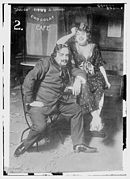
Her marriage to cinema actor Lou Tellegen on February 8, 1916 was the source of scandal. The marriage ended, as a result of her husband’s numerous affairs, in a very public divorce in 1923. The circumstances of the divorce were brought again to public recollection by Tellegen’s bizarre 1934 suicide in Hollywood. Farrar reportedly said “Why should that interest me?” when told of Tellegen’s death.
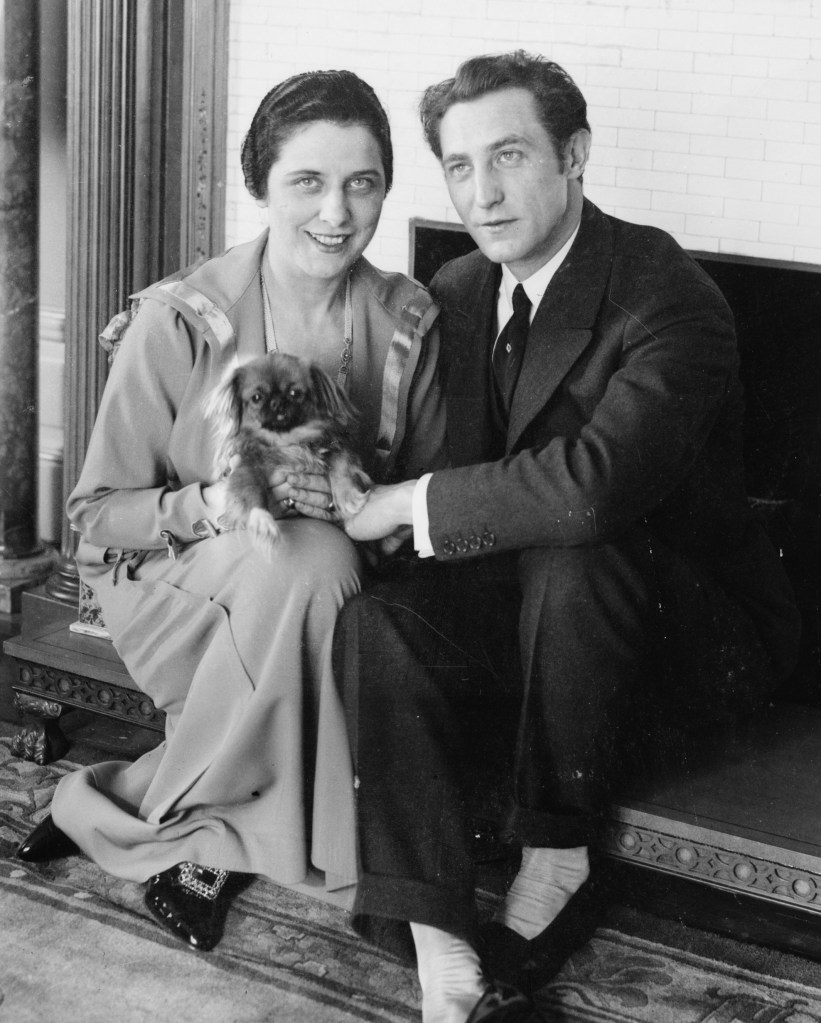
Farrar and Tellegen in 1916.

Advertisement for The Stronger Vow, a 1919 silent film starring Farrar.

Her headstone
 With Enrico Caruso in Julien
 in costume as Nedda in Pagliacci
 in performance
 with Pedro de Cordoba in Carmen
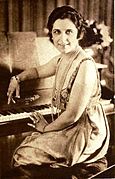 Portrait printed in Motion Picture Magazine, June 1920
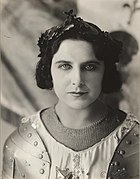 as Joan of Arc for Joan the Woman
And today is the birthday of Stephen Spender (Stephen Harold Spender; Kensington, London 28 February 1909 – 16 July 1995 Westminster, London); poet, novelist and essayist who concentrated on themes of social injustice and the class struggle in his work. He was appointed the seventeenth Poet Laureate Consultant in Poetry to the United States Library of Congress in 1965.
In 1933, Spender fell in love with Tony Hyndman, and they lived together from 1935 to 1936. In 1934, Spender had an affair with Muriel Gardiner. In a letter to Christopher Isherwood in September 1934, he wrote, ‘I find boys much more attractive, in fact I am rather more than usually susceptible, but actually I find the actual sexual act with women more satisfactory, more terrible, more disgusting, and, in fact, more everything’. In December 1936, shortly after the end of his relationship with Hyndman, Spender fell in love with and married Inez Pearn after an engagement of only three weeks. The marriage broke down in 1939. In 1941, Spender married Natasha Litvin, a concert pianist. The marriage lasted until his death.

Verse
But what we are? We are, we have
Six feet and seventy years, to see
The light, and then resign it for the grave.
Eye, gazelle, delicate wanderer,
Drinker of horizon’s fluid line;
Ear that suspends on a chord
The spirit drinking timelessness;
Touch, love, all senses…
- “Not Palaces”(l. 12–16). . .
Ah, like a comet through flame she moves entranced
Wrapt in her music no bird song, no, nor bough
Breaking with honey buds, shall ever equal.
- “The Express” (l. 25–27)
- What I had not foreseen
Was the gradual day
Weakening the will
Leaking the brightness away- “What I Expected Was” (l. 9–12)
- For I had expected always
Some brightness to hold in trust,
Some final innocence
To save from dust- “What I Expected Was” (l. 25–28). . .
- Across this dazzling
Mediterranean
August morning
The dolphins write such
Ideograms:
With power to wake
Me prisoned in
My human speech
They sign: ‘I AM!’- “Dolphins”
- In railway halls, on pavements near the traffic,
They beg, their eyes made big by empty staring
And only measuring Time, like the blank clock. - No, I shall weave no tracery of pen-ornament
To make them birds upon my singing tree:
Time merely drives these lives which do not live
As tides push rotten stuff along the shore.- “In Railway Halls, on Pavements Near the Traffic”
- Paint here no draped despairs, no saddening clouds
Where the soul rests, proclaims eternity.
But let the wrong cry out as raw as wounds
This Time forgets and never heals, far less transcends.- “In Railway Halls, on Pavements Near the Traffic”
- At dawn she lay with her profile at that angle
Which, when she sleeps, seems the carved face of an angel.- “Daybreak”
- Then, in a flush of rose, she woke and her eyes that opened
Swam in blue through her rose flesh that dawned.
From her dew of lips, the drop of one word
Fell like the first of fountains: murmured
‘Darling’, upon my ears the song of the first bird.
‘My dream becomes my dream,’ she said, ‘come true.
I waken from you to my dream of you.’
Oh, my own wakened dream then dared assume
The audacity of her sleep. Our dreams
Poured into each other’s arms, like streams.- “Daybreak”
thanks for stoppin’ by y’all
mac tag
 The Lovers’ Chronicle
Leave a comment